
What's inside
What's inside
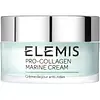 Key Ingredients
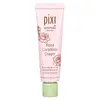
Benefits
Concerns
Ingredients Side-by-side
Water
Skin ConditioningGlycerin
Humectant



Caprylic/Capric Triglyceride
Masking
Glyceryl Stearate Se
Emulsifying

Isononyl Isononanoate
EmollientDicaprylyl Carbonate
EmollientDimethicone
Emollient
Triticum Vulgare Germ Oil
Emollient

Butyrospermum Parkii Butter
Skin Conditioning
Chlorella Vulgaris Extract
Skin Conditioning
Padina Pavonica Thallus Extract
Skin ConditioningDaucus Carota Sativa Root Extract
Skin Conditioning
Porphyridium Cruentum Extract
Skin ConditioningAcacia Decurrens Flower Extract
Masking
Rosa Centifolia Flower Extract
Astringent
Ginkgo Biloba Leaf Extract
Skin Conditioning
Tocopherol
Antioxidant


Phenoxyethanol
Preservative
Polyacrylate-13
Stearic Acid
Cleansing
Tocopheryl Acetate
Antioxidant
Coco-Caprylate/Caprate
Emollient
Cetyl Alcohol
Emollient
Xanthan Gum
EmulsifyingGlyceryl Polyacrylate
Polyisobutene
Parfum
Masking

Citric Acid
Buffering



Chlorphenesin
Antimicrobial
Glyceryl Acrylate/Acrylic Acid Copolymer
HumectantSodium Dehydroacetate
Preservative
Disodium EDTA
Polysorbate 20
Emulsifying
Sorbitan Isostearate
Emulsifying
Hydroxyisohexyl 3-Cyclohexene Carboxaldehyde
Masking
Butylphenyl Methylpropional
Perfuming
Linalool
Perfuming
Citronellol
Perfuming
Potassium Sorbate
Preservative
Sodium Benzoate
Masking
Citrus Limon Peel Oil
Masking
Cuminum Cyminum Seed Oil
Masking
Cedrus Atlantica Bark Oil
Masking
Limonene
Perfuming
Water, Glycerin, Caprylic/Capric Triglyceride, Glyceryl Stearate Se, Isononyl Isononanoate, Dicaprylyl Carbonate, Dimethicone, Triticum Vulgare Germ Oil, Butyrospermum Parkii Butter, Chlorella Vulgaris Extract, Padina Pavonica Thallus Extract, Daucus Carota Sativa Root Extract, Porphyridium Cruentum Extract, Acacia Decurrens Flower Extract, Rosa Centifolia Flower Extract, Ginkgo Biloba Leaf Extract, Tocopherol, Phenoxyethanol, Polyacrylate-13, Stearic Acid, Tocopheryl Acetate, Coco-Caprylate/Caprate, Cetyl Alcohol, Xanthan Gum, Glyceryl Polyacrylate, Polyisobutene, Parfum, Citric Acid, Chlorphenesin, Glyceryl Acrylate/Acrylic Acid Copolymer, Sodium Dehydroacetate, Disodium EDTA, Polysorbate 20, Sorbitan Isostearate, Hydroxyisohexyl 3-Cyclohexene Carboxaldehyde, Butylphenyl Methylpropional, Linalool, Citronellol, Potassium Sorbate, Sodium Benzoate, Citrus Limon Peel Oil, Cuminum Cyminum Seed Oil, Cedrus Atlantica Bark Oil, Limonene
Water
Skin ConditioningDipropylene Glycol
HumectantGlycerin
Humectant
Dimethicone
Emollient
Caprylic/Capric Triglyceride
Masking
Hydrogenated Poly(C6-14 Olefin)
EmollientHydrogenated Polydecene
EmollientCetearyl Alcohol
Emollient
PEG-20 Methyl Glucose Sesquistearate
Emulsifying
Betaine
Humectant
Hydroxyethyl Acrylate/Sodium Acryloyldimethyl Taurate Copolymer
Emulsion StabilisingPolysilicone-11
1,2-Hexanediol
Skin Conditioning
Cyclopentasiloxane
Emollient
Glyceryl Stearate
Emollient
PEG-100 Stearate
Caprylyl Glycol
Emollient
Methyl Glucose Sesquistearate
Emollient
Citrus Paradisi Peel Oil
Masking
Sorbitan Stearate
Emulsifying
Butyrospermum Parkii Butter
Skin Conditioning
Octyldodecanol
Emollient
Dimethiconol
Emollient
Butylene Glycol
Humectant
Bifida Ferment Lysate
Skin Conditioning
Ceramide NP
Skin Conditioning
Polysorbate 60
Emulsifying
Sorbitan Isostearate
Emulsifying
Xanthan Gum
EmulsifyingCitrus Aurantium Bergamia Fruit Oil
Masking
Hydrogenated Lecithin
Emulsifying
Portulaca Oleracea Extract
Skin Conditioning
Rosmarinus Officinalis Leaf Oil
Masking
Propanediol
Solvent
Sucrose Cocoate
Emulsifying
Dextrin
AbsorbentDisodium EDTA
Echium Plantagineum Seed Oil
Skin Conditioning
Caramel
Cosmetic ColorantCentella Asiatica Extract
Cleansing
Lecithin
Emollient
Phenoxyethanol
Preservative
Rosa Damascena Flower Oil
Masking
Biosaccharide Gum-1
Humectant
Cardiospermum Halicacabum Flower/Leaf/Vine Extract
Skin ConditioningHelianthus Annuus Seed Oil Unsaponifiables
Emollient
Polyglutamic Acid
Skin Conditioning
Tagetes Minuta Flower Oil
Masking
Potassium Sorbate
Preservative
Betula Alba Bud Extract
Skin ConditioningCorylus Avellana Bud Extract
Skin ConditioningJuglans Regia Leaf Extract
Abrasive
Olea Europaea Bud Extract
Antioxidant
Tocopherol
Antioxidant
Water, Dipropylene Glycol, Glycerin, Dimethicone, Caprylic/Capric Triglyceride, Hydrogenated Poly(C6-14 Olefin), Hydrogenated Polydecene, Cetearyl Alcohol, PEG-20 Methyl Glucose Sesquistearate, Betaine, Hydroxyethyl Acrylate/Sodium Acryloyldimethyl Taurate Copolymer, Polysilicone-11, 1,2-Hexanediol, Cyclopentasiloxane, Glyceryl Stearate, PEG-100 Stearate, Caprylyl Glycol, Methyl Glucose Sesquistearate, Citrus Paradisi Peel Oil, Sorbitan Stearate, Butyrospermum Parkii Butter, Octyldodecanol, Dimethiconol, Butylene Glycol, Bifida Ferment Lysate, Ceramide NP, Polysorbate 60, Sorbitan Isostearate, Xanthan Gum, Citrus Aurantium Bergamia Fruit Oil, Hydrogenated Lecithin, Portulaca Oleracea Extract, Rosmarinus Officinalis Leaf Oil, Propanediol, Sucrose Cocoate, Dextrin, Disodium EDTA, Echium Plantagineum Seed Oil, Caramel, Centella Asiatica Extract, Lecithin, Phenoxyethanol, Rosa Damascena Flower Oil, Biosaccharide Gum-1, Cardiospermum Halicacabum Flower/Leaf/Vine Extract, Helianthus Annuus Seed Oil Unsaponifiables, Polyglutamic Acid, Tagetes Minuta Flower Oil, Potassium Sorbate, Betula Alba Bud Extract, Corylus Avellana Bud Extract, Juglans Regia Leaf Extract, Olea Europaea Bud Extract, Tocopherol
Reviews
Ingredients Explained
These ingredients are found in both products.
Ingredients higher up in an ingredient list are typically present in a larger amount.
This ingredient is also known as shea butter. It is an effective skin hydrator and emollient.
Emollients help soothe and soften your skin. It does this by creating a protective film on your skin. This barrier helps trap moisture and keeps your skin hydrated. Emollients may be effective at treating dry or itchy skin.
Shea butter is rich in antioxidants. Antioxidants help fight free-radicals, or molecules that may harm the body. It is also full of fatty acids including stearic acid and linoleic acid. These acids help replenish the skin and keep skin moisturized.
While Shea Butter has an SPF rating of about 3-4, it is not a sunscreen replacement.
Shea butter may not be fungal acne safe. We recommend speaking with a professional if you have any concerns.
Learn more about Butyrospermum Parkii ButterThis ingredient is an emollient, solvent, and texture enhancer. It is considered a skin-softener by helping the skin prevent moisture loss.
It helps thicken a product's formula and makes it easier to spread by dissolving clumping compounds.
Caprylic Triglyceride is made by combining glycerin with coconut oil, forming a clear liquid.
While there is an assumption Caprylic Triglyceride can clog pores due to it being derived from coconut oil, there is no research supporting this.
Learn more about Caprylic/Capric TriglycerideDimethicone is a type of synthetic silicone created from natural materials such as quartz.
What it does:
Dimethicone comes in different viscosities:
Depending on the viscosity, dimethicone has different properties.
Ingredients lists don't always show which type is used, so we recommend reaching out to the brand if you have questions about the viscosity.
This ingredient is unlikely to cause irritation because it does not get absorbed into skin. However, people with silicone allergies should be careful about using this ingredient.
Note: Dimethicone may contribute to pilling. This is because it is not oil or water soluble, so pilling may occur when layered with products. When mixed with heavy oils in a formula, the outcome is also quite greasy.
Learn more about DimethiconeDisodium EDTA plays a role in making products more stable by aiding other preservatives.
It is a chelating agent, meaning it neutralizes metal ions that may be found in a product.
Disodium EDTA is a salt of edetic acid and is found to be safe in cosmetic ingredients.
Learn more about Disodium EDTAGlycerin is already naturally found in your skin. It helps moisturize and protect your skin.
A study from 2016 found glycerin to be more effective as a humectant than AHAs and hyaluronic acid.
As a humectant, it helps the skin stay hydrated by pulling moisture to your skin. The low molecular weight of glycerin allows it to pull moisture into the deeper layers of your skin.
Hydrated skin improves your skin barrier; Your skin barrier helps protect against irritants and bacteria.
Glycerin has also been found to have antimicrobial and antiviral properties. Due to these properties, glycerin is often used in wound and burn treatments.
In cosmetics, glycerin is usually derived from plants such as soybean or palm. However, it can also be sourced from animals, such as tallow or animal fat.
This ingredient is organic, colorless, odorless, and non-toxic.
Glycerin is the name for this ingredient in American English. British English uses Glycerol/Glycerine.
Learn more about GlycerinPhenoxyethanol is a preservative that has germicide, antimicrobial, and aromatic properties. Studies show that phenoxyethanol can prevent microbial growth. By itself, it has a scent that is similar to that of a rose.
It's often used in formulations along with Caprylyl Glycol to preserve the shelf life of products.
Potassium Sorbate is a preservative used to prevent yeast and mold in products. It is commonly found in both cosmetic and food products.
This ingredient comes from potassium salt derived from sorbic acid. Sorbic acid is a natural antibiotic and effective against fungus.
Both potassium sorbate and sorbic acid can be found in baked goods, cheeses, dried meats, dried fruit, ice cream, pickles, wine, yogurt, and more.
You'll often find this ingredient used with other preservatives.
Learn more about Potassium SorbateSorbitan Isostearate is an emulsifer and cleaning agent. It is created from isostearic acid and sorbitol.
As an emulsifier, Sorbitan Isostearate prevents oils and water from separating.
Due to its isostearic acid base, it may not be safe for Malassezia or fungal acne.
Learn more about Sorbitan IsostearateTocopherol (also known as Vitamin E) is a common antioxidant used to help protect the skin from free-radicals and strengthen the skin barrier. It's also fat soluble - this means our skin is great at absorbing it.
Vitamin E also helps keep your natural skin lipids healthy. Your lipid skin barrier naturally consists of lipids, ceramides, and fatty acids. Vitamin E offers extra protection for your skin’s lipid barrier, keeping your skin healthy and nourished.
Another benefit is a bit of UV protection. Vitamin E helps reduce the damage caused by UVB rays. (It should not replace your sunscreen). Combining it with Vitamin C can decrease sunburned cells and hyperpigmentation after UV exposure.
You might have noticed Vitamin E + C often paired together. This is because it is great at stabilizing Vitamin C. Using the two together helps increase the effectiveness of both ingredients.
There are often claims that Vitamin E can reduce/prevent scarring, but these claims haven't been confirmed by scientific research.
Learn more about TocopherolWater. It's the most common cosmetic ingredient of all. You'll usually see it at the top of ingredient lists, meaning that it makes up the largest part of the product.
So why is it so popular? Water most often acts as a solvent - this means that it helps dissolve other ingredients into the formulation.
You'll also recognize water as that liquid we all need to stay alive. If you see this, drink a glass of water. Stay hydrated!
Learn more about WaterXanthan gum is used as a stabilizer and thickener within cosmetic products. It helps give products a sticky, thick feeling - preventing them from being too runny.
On the technical side of things, xanthan gum is a polysaccharide - a combination consisting of multiple sugar molecules bonded together.
Xanthan gum is a pretty common and great ingredient. It is a natural, non-toxic, non-irritating ingredient that is also commonly used in food products.
Learn more about Xanthan Gum
