Drunk Elephant Protini Polypeptide Cream Versus Estée Lauder DayWear Advanced Multi-Protection Anti-Oxidant Creme SPF 15
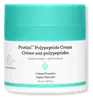
This anti-aging moisturizer is formulated around Sclerocarya Birrea Seed Oil and Sh-Oligopeptide-1 to soften the look of wrinkles and hydrate skin.
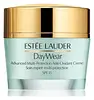
This day moisturizer is formulated around Petrolatum and Tetrahexyldecyl Ascorbate to hydrate skin.

What's inside
What's inside
 Key Ingredients
Benefits
Concerns
Ingredients Side-by-side
Water
Skin ConditioningDicaprylyl Carbonate
EmollientGlycerin
Humectant


Cetearyl Alcohol
Emollient






Cetearyl Olivate
Sorbitan Olivate
Emulsifying
Sclerocarya Birrea Seed Oil
Humectant
Bacillus/Folic Acid Ferment Filtrate Extract
Antioxidant
Nymphaea Alba Root Extract
Skin ConditioningSh-Oligopeptide-1
Skin Conditioning

Sh-Oligopeptide-2
Skin Conditioning
Sh-Polypeptide-1
Skin Conditioning
Sh-Polypeptide-9
Skin Conditioning
Sh-Polypeptide-11
Copper Palmitoyl Heptapeptide-14
Skin Conditioning
Heptapeptide-15 Palmitate
Skin Conditioning
Palmitoyl Tetrapeptide-7
Skin Conditioning
Palmitoyl Tripeptide-1
Skin Conditioning
Alanine
Masking
Arginine
Masking
Glycine
Buffering
Histidine
Humectant
Isoleucine
Skin ConditioningPhenylalanine
Masking
Proline
Skin Conditioning
Serine
Masking
Threonine
Valine
MaskingAcetyl Glutamine
Skin ConditioningCoconut Alkanes
Emollient
Coco-Caprylate/Caprate
Emollient
Sodium Hyaluronate
Humectant

Aspartic Acid
Masking
Linoleic Acid
Cleansing

Linolenic Acid
Cleansing

Lecithin
Emollient
Butylene Glycol
Humectant
Polyvinyl Alcohol
Sodium Lactate
Buffering
Sodium PCA
Humectant
PCA
Humectant
Sorbitan Isostearate
Emulsifying
Carbomer
Emulsion StabilisingPolysorbate 20
Emulsifying
Polysorbate 60
Emulsifying
Lactic Acid/Glycolic Acid Copolymer
Skin ConditioningHydroxyethyl Acrylate/Sodium Acryloyldimethyl Taurate Copolymer
Emulsion StabilisingXanthan Gum
EmulsifyingIsomalt
Humectant1,2-Hexanediol
Skin Conditioning
Caprylyl Glycol
Emollient
Chlorphenesin
Antimicrobial
Phenoxyethanol
Preservative
Tocopherol
Antioxidant

Sodium Benzoate
Masking
Phenylpropanol
Masking
Glyceryl Caprylate
EmollientSymphytum Officinale Callus Culture Extract
Skin ConditioningWater, Dicaprylyl Carbonate, Glycerin, Cetearyl Alcohol, Cetearyl Olivate, Sorbitan Olivate, Sclerocarya Birrea Seed Oil, Bacillus/Folic Acid Ferment Filtrate Extract, Nymphaea Alba Root Extract, Sh-Oligopeptide-1, Sh-Oligopeptide-2, Sh-Polypeptide-1, Sh-Polypeptide-9, Sh-Polypeptide-11, Copper Palmitoyl Heptapeptide-14, Heptapeptide-15 Palmitate, Palmitoyl Tetrapeptide-7, Palmitoyl Tripeptide-1, Alanine, Arginine, Glycine, Histidine, Isoleucine, Phenylalanine, Proline, Serine, Threonine, Valine, Acetyl Glutamine, Coconut Alkanes, Coco-Caprylate/Caprate, Sodium Hyaluronate, Aspartic Acid, Linoleic Acid, Linolenic Acid, Lecithin, Butylene Glycol, Polyvinyl Alcohol, Sodium Lactate, Sodium PCA, PCA, Sorbitan Isostearate, Carbomer, Polysorbate 20, Polysorbate 60, Lactic Acid/Glycolic Acid Copolymer, Hydroxyethyl Acrylate/Sodium Acryloyldimethyl Taurate Copolymer, Xanthan Gum, Isomalt, 1,2-Hexanediol, Caprylyl Glycol, Chlorphenesin, Phenoxyethanol, Tocopherol, Sodium Benzoate, Phenylpropanol, Glyceryl Caprylate, Symphytum Officinale Callus Culture Extract
Ethylhexyl Salicylate 5%
UV Absorber

Butyl Methoxydibenzoylmethane 3%
UV Absorber
Homosalate 2%
Skin Conditioning
Water
Skin ConditioningButyloctyl Salicylate
Skin Conditioning
Polyester-8
Skin Conditioning
Petrolatum
Emollient
Butylene Glycol
Humectant
Cetyl Ricinoleate
Emollient
Octyldodecyl Myristate
EmollientSteareth-21
CleansingSteareth-2
EmulsifyingCaprylic/Capric/Myristic/Stearic Triglyceride
EmollientDi-C12-15 Alkyl Fumarate
EmollientDimethicone
Emollient
Psidium Guajava Fruit Extract
AstringentGentiana Lutea Root Extract
Skin ConditioningPolygonum Cuspidatum Root Extract
Antioxidant
Hordeum Vulgare Extract
EmollientLaminaria Ochroleuca Extract
Skin Conditioning
Triticum Vulgare Germ Extract
Skin ConditioningFumaria Officinalis Flower/Leaf/Stem Extract
Skin ConditioningCitrus Medica Limonum Fruit Extract
Skin ConditioningHydrolyzed Rice Bran Extract
Skin ConditioningHydrolyzed Rice Extract
Skin Conditioning
Artemia Extract
Skin ConditioningRosmarinus Officinalis Leaf Extract
AntimicrobialVitis Vinifera Seed Extract
Antimicrobial
Stearyl Alcohol
Emollient
Butyrospermum Parkii Butter
Skin Conditioning
Thermus Thermophillus Ferment
Skin ConditioningSorbitan Olivate
Emulsifying
Caffeine
Skin Conditioning
Pentylene Glycol
Skin Conditioning
Lauryl PEG-9 Polydimethylsiloxyethyl Dimethicone
Skin Conditioning
Behenyl Alcohol
Emollient
Pantethine
EmollientTriacontanyl Pvp
HumectantAcrylic Acid/Vp Crosspolymer
SurfactantEthylhexylglycerin
Skin ConditioningGlycerin
Humectant
Linoleic Acid
Cleansing
Polyquaternium-51
Skin Conditioning
Cholesterol
Emollient
Cetearyl Olivate
Squalane
Emollient
Sodium PCA
Humectant
Urea
Buffering
Caprylic/Capric Triglyceride
Masking
Tocopheryl Acetate
Antioxidant
Tetrahexyldecyl Ascorbate
Antioxidant

Citric Acid
Buffering
Sodium Hyaluronate
Humectant
Ergothioneine
Antioxidant
Glycyrrhetinic Acid
Skin Conditioning
Trehalose
Humectant
Lecithin
Emollient
Hydrogenated Lecithin
Emulsifying
Palmitoyl Hydroxypropyltrimonium Amylopectin/Glycerin Crosspolymer
Skin ConditioningCyclodextrin
AbsorbentNordihydroguaiaretic Acid
Antioxidant
Ascorbyl Tocopheryl Maleate
Antioxidant
Sodium Hydroxide
BufferingParfum
Masking
Fumaric Acid
BufferingPentaerythrityl Tetra-Di-T-Butyl Hydroxyhydrocinnamate
Antioxidant
Ethylbisiminomethylguaiacol Manganese Chloride
Antioxidant
Disodium EDTA
ChelatingBHT
Antioxidant
Phenoxyethanol
Preservative
Benzyl Salicylate
Perfuming
Hydroxyisohexyl 3-Cyclohexene Carboxaldehyde
Masking
Butylphenyl Methylpropional
Perfuming
Linalool
Perfuming
Mica
Cosmetic ColorantCI 19140
Cosmetic ColorantCI 42090
Cosmetic ColorantCI 77289
Cosmetic ColorantEthylhexyl Salicylate 5%, Butyl Methoxydibenzoylmethane 3%, Homosalate 2%, Water, Butyloctyl Salicylate, Polyester-8, Petrolatum, Butylene Glycol, Cetyl Ricinoleate, Octyldodecyl Myristate, Steareth-21, Steareth-2, Caprylic/Capric/Myristic/Stearic Triglyceride, Di-C12-15 Alkyl Fumarate, Dimethicone, Psidium Guajava Fruit Extract, Gentiana Lutea Root Extract, Polygonum Cuspidatum Root Extract, Hordeum Vulgare Extract, Laminaria Ochroleuca Extract, Triticum Vulgare Germ Extract, Fumaria Officinalis Flower/Leaf/Stem Extract, Citrus Medica Limonum Fruit Extract, Hydrolyzed Rice Bran Extract, Hydrolyzed Rice Extract, Artemia Extract, Rosmarinus Officinalis Leaf Extract, Vitis Vinifera Seed Extract, Stearyl Alcohol, Butyrospermum Parkii Butter, Thermus Thermophillus Ferment, Sorbitan Olivate, Caffeine, Pentylene Glycol, Lauryl PEG-9 Polydimethylsiloxyethyl Dimethicone, Behenyl Alcohol, Pantethine, Triacontanyl Pvp, Acrylic Acid/Vp Crosspolymer, Ethylhexylglycerin, Glycerin, Linoleic Acid, Polyquaternium-51, Cholesterol, Cetearyl Olivate, Squalane, Sodium PCA, Urea, Caprylic/Capric Triglyceride, Tocopheryl Acetate, Tetrahexyldecyl Ascorbate, Citric Acid, Sodium Hyaluronate, Ergothioneine, Glycyrrhetinic Acid, Trehalose, Lecithin, Hydrogenated Lecithin, Palmitoyl Hydroxypropyltrimonium Amylopectin/Glycerin Crosspolymer, Cyclodextrin, Nordihydroguaiaretic Acid, Ascorbyl Tocopheryl Maleate, Sodium Hydroxide, Parfum, Fumaric Acid, Pentaerythrityl Tetra-Di-T-Butyl Hydroxyhydrocinnamate, Ethylbisiminomethylguaiacol Manganese Chloride, Disodium EDTA, BHT, Phenoxyethanol, Benzyl Salicylate, Hydroxyisohexyl 3-Cyclohexene Carboxaldehyde, Butylphenyl Methylpropional, Linalool, Mica, CI 19140, CI 42090, CI 77289
Reviews
Ingredients Explained
These ingredients are found in both products.
Ingredients higher up in an ingredient list are typically present in a larger amount.
Butylene Glycol (or BG) is used within cosmetic products for a few different reasons:
Overall, Butylene Glycol is a safe and well-rounded ingredient that works well with other ingredients.
Though this ingredient works well with most skin types, some people with sensitive skin may experience a reaction such as allergic rashes, closed comedones, or itchiness.
Learn more about Butylene GlycolCetearyl Olivate is a plant-derived emulsifier and texture enhancer. It helps keep the oil and water phases from separating so your formulas stay stable.
You'll likely see it combined with Sorbitan Olivate (together sold as the trade name Olivem 1000). This combination generates a liquid crystal structure that closely resemble the lipid organization of the stratum corneum.
These "skin-like" liquid crystals improve skin barrier integrity and promote the delivery of actives into the skin.
This ingredient is well-tolerated and has no significant sensitization data.
Because it is derived from the fatty acids in olive oil, this ingredient may not be fungal acne safe.
Learn more about Cetearyl OlivateGlycerin (or glycerol) is a compound naturally found in your skin. It's a powerhouse humectant that pulls water into the stratum corneum.
Topically, glycerin does several things at once:
Your skin makes glycerin on its own (mostly from sebaceous oil breakdown) and shuttles it to your outermost layer of skin, or your epidermis, via aquaporin-3.
Aquaporin-3 is a transporter that is essential for normal skin hydration, elasticity, and repair. Interestingly, mice lacking in AQP3 have dry and less elastic skin that can be fully corrected with glycerin.
This ingredient is non-irritating, plays well with almost every ingredient, and works across all skin types. Typical use is anywhere between 3-10% but can go up to 79% in some leave-on products.
Just know very high concentrations (>40%) can feel tacky in low humidity.
Glycerin is the name for this ingredient in American English. British English uses Glycerol/Glycerine.
Learn more about GlycerinLecithin is a term for a group of substances found in the cell membranes of plants, animals, and humans. They are made up of phospholipids.
Thanks to its amphiphilic structure (water-loving head and oil-loving tail), it is a true multitasker:
It plays well with most ingredients and is typically used at 0.1-1%. However, concentrations up to 50% have been reported in moisturizers.
Learn more about LecithinLinoleic Acid is also known as Vitamin F. It is a fatty acid with emollient and skin conditioning properties.
Our top layer of skin, or epidermis, naturally contains high amounts of linoleic acid.
Your body uses linoleic acid to build ceramides and prostaglandins. Ceramides keep your skin's barrier hydrated and strong while prosaglandins help control inflammation and healing.
Needless to say, linoleic acid is crucial for having a strong skin barrier.
One study found applying linoleic acid rich sunflower oil to be more effective at repairing the skin barrier than olive oil.
This ingredient can also help treat acne by softening sebum to prevent clogged pores. Another study found using 2.5% linoleic acid gel for 4 weeks showed a 25% reduction in small comedones.
Studies show it can also help lighten hyperpigmentation or sun spots by disrupting the melanin production process. It also helps your skin shed melanin pigment from your skin caused by UV exposure.
Due to its role in the production of the fatty acid prostaglandin, linoleic acid can also help reduce inflammation and support wound healing.
Fun fact: Linoleic acid is an essential fatty acid. This means our bodies cannot create it on its own and we need to get it through foods such as nuts and vegetable oils.
Just know this ingredient is not always fungal-acne safe because it is a long-chain fatty acid (with 18 carbon atoms) that directly feeds the Malassezia yeast responsible for fungal acne.
Learn more about Linoleic AcidPhenoxyethanol is one of the most widely used preservatives in skincare (and for good reason!).
It has a large spectrum of antimicrobial activity and especially effective bacteria, yeast, and mold while only having a weak effect on your skin's natural microbiome.
On a cellular level, it disrupts the cell membranes of microbes by poking holes that make the cell leak. This shuts down the chemical reactions the microbe needs to make energy so it can no longer survive.
Another perk of this ingredient is that it stays functional across a wide pH range (3-10).
You'll often see it paired with boosters like Ethylhexylglycerin; one study showed that a 1:9 ratio of Ethylhexylglycerin to Phenoxyethanol damages bacterial membranes as effectively as doubling the Phenoxyethanol concentration on its own.
Typical use concentrations range from 0.3-1% depending on the formula, and this ingredient is capped at 1% int the EU.
Safety-wise, the fear mongering does not hold up to the evidence. The EU's Scientific Committee on Consumer Safety and FDA consider it safe as a preservative at up to 1%, including for children of all ages.
Adverse systemic effects only showed up in animal studies at exposures roughly 200x higher than what people get from cosmetics. And despite its very widespread use, this ingredient is a rare sensitizer and allergic reactions are uncommon.
Learn more about PhenoxyethanolSodium Hyaluronate is the salt form of hyaluronic acid. It is a long sugar chain that is naturally found in your skin, joints, and connective tissue that maintains hydration and elasticity.
In skincare, it works as a humectant. It pulls water from the environment and deeper layers of skin and binds it to the surface.
Interestingly, the size of the molecule affects its behavior:
Some clinical evidence links low molecular weight versions to improved wrinkle depth, elasticity, anti-inflammatory effects, and barrier repair.
Many serums use a blend of both weights so you can get surface hydration plus longer-lasting and deeper effects.
You'll typically see concentrations between 0.1-2% for this ingredient.
Learn more about Sodium HyaluronateSodium PCA (the salt of PCA) is one of the most well-established humectants in skincare.
Why is it so special? Your skin already makes it naturally; it's a natural component of your skin's Natural Moisturizing Factor (NMF), or the mix of water-binding compounds inside your skin cells that keeps things soft and hydrated.
As a cosmetic ingredient, it grabs water and holds it in the upper layers of skin to smooth roughness and ease dehydration.
There's some clinical support for the NMF approach with a study showing that a cream built to mimic the skin's NMF significantly boosted hydration.
Safety-wise, this ingredient non-irritating, non-comedogenic, and non-phototoxic in testing, with minimal skin absorption.
It also works really well with other hydrators like glycerin or hyaluronic acid, and typical usage is somewhere between 0.2-4%.
Learn more about Sodium PCASorbitan Olivate is created from the fatty acids in olive oil and sorbitol.
This ingredient is an oil in water emulsifier. It helps stabilize a product by preventing oils and waters from separating. Sorbitan Olivate also helps hydrate the skin.
This ingredient is also known as part of Olivem 1000, with Cetearyl Olivate being the other part.
According to a manufacturer, this ingredient helps preserve the natural microbiome of skin. Having a healthy microbiome helps keep our skin healthy and protects against harmful bacteria.
Please note, having a healthy microbiome is different from fungal acne; a healthy microbiome includes small amounts of yeast that normally live on your skin without causing problems.
Fungal acne happens when one type of yeast (Malassezia) grows out of control. This is usually because it's feeding on certain oils or fatty acids. Due to the olive oil base, this ingredient may not be fungal acne safe.
Learn more about Sorbitan OlivateWater. It's the most common cosmetic ingredient of all. You'll usually see it at the top of ingredient lists, meaning that it makes up the largest part of the product.
So why is it so popular? Water most often acts as a solvent - this means that it helps dissolve other ingredients into the formulation.
You'll also recognize water as that liquid we all need to stay alive. If you see this, drink a glass of water. Remember to stay hydrated!
Learn more about Water

