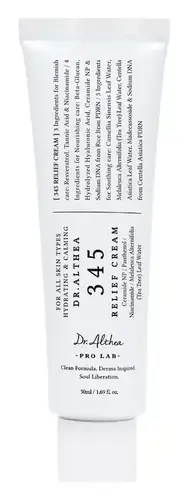
This barrier-repair serum is formulated around Niacinamide and Squalane to strengthen the skin barrier and hydrate skin.
This barrier-repair treatment is formulated around Ectoin and Sphingolipids to strengthen the skin barrier and hydrate skin.


What's inside
What's inside
 Key Ingredients
Benefits
Concerns
Ingredients Side-by-side
Water
Skin ConditioningGlycerin
Humectant


Niacinamide
Smoothing









Squalane
Emollient
C14-22 Alcohols
Emulsion Stabilising
Simmondsia Chinensis Seed Oil
Emollient


Ethoxydiglycol
HumectantPropanediol
Solvent
Naringenin
Skin ConditioningTripeptide-1
Skin Conditioning
Sodium Hyaluronate
Humectant
Sodium Hyaluronate Crosspolymer
Humectant
Hydrolyzed Sodium Hyaluronate
Skin Conditioning
Sodium Acetylated Hyaluronate
Humectant
Panthenol
Skin Conditioning
Dextran
Phoenix Dactylifera Seed Extract
MoisturisingButyrospermum Parkii Butter
Skin Conditioning


Olea Europaea Fruit Oil
Masking
Hydrogenated Olive Oil
Skin Conditioning
Olea Europaea Oil Unsaponifiables
Skin Conditioning
Ascorbic Acid
Antioxidant

Allantoin
Skin Conditioning
Aloe Barbadensis Leaf Juice
Skin Conditioning
Hedychium Coronarium Root Extract
MaskingCaprylic/Capric Triglyceride
Masking
Lauroyl Lysine
Skin Conditioning
Butylene Glycol
Humectant
C12-20 Alkyl Glucoside
EmulsifyingPolyacrylate Crosspolymer-6
Emulsion StabilisingCaprylyl Glyceryl Ether
CleansingCaprylhydroxamic Acid
Cetearyl Alcohol
Emollient
Palmitic Acid
Emollient
Sodium Phytate
Pentylene Glycol
Skin Conditioning
Acacia Senegal Gum
MaskingXanthan Gum
EmulsifyingCitric Acid
Buffering
Arachidyl Alcohol
Emollient
Arachidyl Glucoside
EmulsifyingBehenyl Alcohol
Emollient
Hydroxyethyl Acrylate/Sodium Acryloyldimethyl Taurate Copolymer
Emulsion StabilisingCetearyl Glucoside
Emulsifying
Phenethyl Alcohol
MaskingGlucose
Humectant
Sorbitan Isostearate
Emulsifying
Myristic Acid
Cleansing
Stearic Acid
Cleansing
Ethylhexylglycerin
Skin ConditioningLauric Acid
Cleansing
Water, Glycerin, Niacinamide, Squalane, C14-22 Alcohols, Simmondsia Chinensis Seed Oil, Ethoxydiglycol, Propanediol, Naringenin, Tripeptide-1, Sodium Hyaluronate, Sodium Hyaluronate Crosspolymer, Hydrolyzed Sodium Hyaluronate, Sodium Acetylated Hyaluronate, Panthenol, Dextran, Phoenix Dactylifera Seed Extract, Butyrospermum Parkii Butter, Olea Europaea Fruit Oil, Hydrogenated Olive Oil, Olea Europaea Oil Unsaponifiables, Ascorbic Acid, Allantoin, Aloe Barbadensis Leaf Juice, Hedychium Coronarium Root Extract, Caprylic/Capric Triglyceride, Lauroyl Lysine, Butylene Glycol, C12-20 Alkyl Glucoside, Polyacrylate Crosspolymer-6, Caprylyl Glyceryl Ether, Caprylhydroxamic Acid, Cetearyl Alcohol, Palmitic Acid, Sodium Phytate, Pentylene Glycol, Acacia Senegal Gum, Xanthan Gum, Citric Acid, Arachidyl Alcohol, Arachidyl Glucoside, Behenyl Alcohol, Hydroxyethyl Acrylate/Sodium Acryloyldimethyl Taurate Copolymer, Cetearyl Glucoside, Phenethyl Alcohol, Glucose, Sorbitan Isostearate, Myristic Acid, Stearic Acid, Ethylhexylglycerin, Lauric Acid
Water
Skin ConditioningGlycerin
Humectant
Butylene Glycol
Humectant
Pentaerythrityl Tetraisostearate
Emollient
Butylene Glycol Dicaprylate/Dicaprate
EmollientDiisostearyl Malate
EmollientCetyl Ethylhexanoate
EmollientMethyl Trimethicone
Skin Conditioning
Butyrospermum Parkii Butter
Skin Conditioning
Phenyl Trimethicone
Skin Conditioning
Behenyl Alcohol
Emollient
Cetearyl Olivate
Cetearyl Alcohol
Emollient
Squalane
Emollient
Persea Gratissima Oil
Skin Conditioning
Sorbitan Olivate
Emulsifying
C14-22 Alcohols
Emulsion Stabilising
Ectoin
Skin Conditioning
Dipropylene Glycol
HumectantSimethicone
Emollient
Ethylhexylglycerin
Skin ConditioningSphingolipids
Emollient
Arachidyl Glucoside
Emulsifying1,2-Hexanediol
Skin Conditioning
Glucose
Humectant
Ceramide NP
Skin Conditioning
Polyacrylate-13
Hydroxyacetophenone
Antioxidant
Palmitic Acid
Emollient
Arachidyl Alcohol
Emollient
C11-13 Isoparaffin
Solvent
Stearic Acid
Cleansing
C12-20 Alkyl Glucoside
EmulsifyingHydrogenated Polyisobutene
EmollientIsohexadecane
EmollientCaprylyl Glycol
Emollient
Dimethiconol
Emollient
Allantoin
Skin Conditioning
Carbomer
Emulsion StabilisingAmmonium Acryloyldimethyltaurate/Vp Copolymer
Tromethamine
BufferingSodium Hyaluronate
Humectant
Polyglyceryl-10 Laurate
Skin Conditioning
Ethylhexyl Palmitate
Emollient
Sorbitan Isostearate
Emulsifying
Sodium Phytate
Cyanocobalamin
Skin ConditioningDipotassium Glycyrrhizate
Humectant
Tocopherol
Antioxidant
Water, Glycerin, Butylene Glycol, Pentaerythrityl Tetraisostearate, Butylene Glycol Dicaprylate/Dicaprate, Diisostearyl Malate, Cetyl Ethylhexanoate, Methyl Trimethicone, Butyrospermum Parkii Butter, Phenyl Trimethicone, Behenyl Alcohol, Cetearyl Olivate, Cetearyl Alcohol, Squalane, Persea Gratissima Oil, Sorbitan Olivate, C14-22 Alcohols, Ectoin, Dipropylene Glycol, Simethicone, Ethylhexylglycerin, Sphingolipids, Arachidyl Glucoside, 1,2-Hexanediol, Glucose, Ceramide NP, Polyacrylate-13, Hydroxyacetophenone, Palmitic Acid, Arachidyl Alcohol, C11-13 Isoparaffin, Stearic Acid, C12-20 Alkyl Glucoside, Hydrogenated Polyisobutene, Isohexadecane, Caprylyl Glycol, Dimethiconol, Allantoin, Carbomer, Ammonium Acryloyldimethyltaurate/Vp Copolymer, Tromethamine, Sodium Hyaluronate, Polyglyceryl-10 Laurate, Ethylhexyl Palmitate, Sorbitan Isostearate, Sodium Phytate, Cyanocobalamin, Dipotassium Glycyrrhizate, Tocopherol
Reviews
Ingredients Explained
These ingredients are found in both products.
Ingredients higher up in an ingredient list are typically present in a larger amount.
Allantoin is a soothing ingredient known for its protective and moisturizing properties; it's basically a quiet workhorse ingredient you can find in a huge range of cosmetics.
Though it can be derived from the comfrey plant, allantoin is produced synthetically for cosmetic products to ensure purity.
Research shows it can encourage your skin cells to turn over and renew by stimulating keratinocyte and fibroblast proliferation.
It also has mild keratolytic properties to help loosen and shed dead skin cells without being harsh.
Studies also suggest allantoin can help calm inflammation by dialing down some of the chemical signals your skin sends out when it is irritated.
This ingredient is typically used in the 0.1-0.5% range, and the FDA recognizes it as a skin protectant in OTC products up to 2%.
Overall, allantoin is a wonderful addition to most routines; it is stable across a wide pH range (~4-8), works well with other ingredients, and is considered non-sensitizing/non-irritating.
Fun fact: Allantoin is naturally occurring in comfrey root, beets, chamomile, and wheat sprouts. Our bodies even produce it as a byproduct of uric acid metabolism.
Learn more about AllantoinArachidyl Alcohol is a fatty alcohol made from the the arachidic acid found in peanut oil.
Despite having "alcohol" in the name, it is not related to denatured alcohol or ethanol.
This ingredient is a multitasker:
Just be sure to patch this ingredient if you have a peanut allergy (though this ingredient is highly processed and the allergenic proteins are typically removed).
Learn more about Arachidyl AlcoholThis ingredient is a plant-based surfactant and emulsifier. It helps oil and water based ingredients mix evenly to improve formula stability without adding a "greasy" feel.
Behenyl Alcohol is a type of fatty alcohol (these are different from the drying, solvent alcohols).
Fatty Alcohols have hydrating properties and are most often used as an emollient or to thicken a product. They are usually derived from natural fats and oils; behenyl alcohol is derived from the fats of vegetable oils.
Emollients help keep your skin soft and hydrated by creating a film that traps moisture in.
In 2000, Behenyl Alcohol was approved by the US as medicine to reduce the duration of cold sores.
Learn more about Behenyl AlcoholButylene Glycol (or BG) is used within cosmetic products for a few different reasons:
Overall, Butylene Glycol is a safe and well-rounded ingredient that works well with other ingredients.
Though this ingredient works well with most skin types, some people with sensitive skin may experience a reaction such as allergic rashes, closed comedones, or itchiness.
Learn more about Butylene GlycolThis ingredient is also known as shea butter. It is a plant-derived extract from the nuts of the Africa shea tree and one of the most well-studied emollients.
Because it has a high concentration of fatty acids (primarily oleic, stearic, and linoleic) it is able to form a protective barrier on the skin's surface. This helps seal in moisture and prevents transepidermal water loss (TEWL).
In vitro research found an increase in skin hydration by 58% and a decrease in TEWL by 37.8% after 24 hours of applying this ingredient (pretty impressive for a single ingredient!).
Besides hydration, shea butter also contains triterpenes that have anti-inflammatory potential. In particule, lupeol cinnamate has shown the highest anti-inflammatory activity in vivo.
Shea butter also contains vitamins A and E which may contribute to antioxidant activity.
While Shea Butter has an SPF rating of about 3-4, it is not a sunscreen replacement.
This ingredient may not be fungal acne safe because its fatty acids fall within the C11-C24 range that the Malassezia yeast can metabolize.
This ingredient shows up on a lot of "pore-clogging" lists but there's no real evidence behind that. It doesn't even have a comedogenic rating from an actual study; the numbers you'll find online come from blogs citing other blogs.
Ratings for other ingredients mostly come from a 1980s rabbit ear test. This test doesn't translate well to human skin or to real products because the ingredient sits at a much lower percentage.
Some people still find it breaks them out. So if that's you, definitely trust your skin. Just know this one's based on experience and not evidence.
Learn more about Butyrospermum Parkii ButterWe don't have a description for C12-20 Alkyl Glucoside yet.
This ingredient is a blend of long-chain fatty alcohols (myristyl, cetyl, stearyl, arachidyl, and behenyl). It is an emulsion stabilizer with emollient properties.
Don't let the word "alcohol" scare you: fatty alcohols are nothing like the drying solvents. This ingredient actually helps soften and smooth the skin.
By the way, the FDA allows products to be labeled "alcohol-free" even when they contain fatty alcohols like this one.
In a formula, it prevents the water and oil phases from separating over time while also contributing to a pleasant, non-greasy slip.
Interestingly, this ingredient can organize into the structures that mimic the skin's own lipid architecture to help support barrier function and reduce transepidermal water loss (TEWL).
The CIR Expert Panel has thoroughly assess the individual fatty alcohols that make up this blend and found no significant toxicity or dermal irritation.
Learn more about C14-22 AlcoholsCetearyl alcohol is a waxy mixture of two fatty alcohols: cetyl alcohol and stearyl alcohol. It is an emollient and emulsifier.
Despite having "alcohol" in its name, it has nothing to do with drying solvent alcohols; the FDA also allows "alcohol-free" products to contain fatty alcohols like this ingredient.
It plays several roles in a formula:
Typical use levels for this ingredient sit around 1-10% and the Cosmetic Ingredient Review Expert Panel has affirmed safety at concentrations up to 25% in leave-on products.
Multiple assessments have found it to be non-irritating and non-sensitizing to most people.
However, there have been some cases of allergic contact dermatitis in patients with chronically compromised skin barriers.
Cetearyl alcohol has a comedogenic rating of 2 and irritancy rating of 1. Both of these numbers come from the 1989 study that used rabbit ears; a "2" means mildly comedogenic and a "1" means low irritancy.
Here's the catch: rabbit skin is more sensitive than human skin and throws a lot of false positives. A 1996 reappraisal found that ingredients rated 1-2 in the rabbit ear tests are generally safe for humans.
Remember comedogenic ratings are unable to assess the entire formula of a product or how it will react on your skin. Just be sure to patch test if you are unsure about certain ingredients.
This ingredient is not fungal acne safe. Cetearyl alcohol is a fatty alcohol with chain lengths that fall within the range that Malassezia can metabolize.
A 2019 study has also observed Malassezia growth in the presence of this ingredient, confirming it to be not-fungal acne safe.
Learn more about Cetearyl AlcoholEthylhexylglycerin is created from glycerin. It is a multitasker ingredient that:
The CIR Expert Panel found minimal skin absorption or sensitization of any kind in a safety assessment. Though this ingredient is considered well-tolerated, a small number of cases of allergic dermatitis have been published since 2002. Just be sure to patch test if you are unsure.
Industry-reported use ranges from 8% in rinse-off products and 2% in leave-on formulations.
Learn more about EthylhexylglycerinGlucose is a simple sugar (a monosaccharide). In skincare, it is mostly a humectant and skin conditioning agent.
Mechanistically, it has multiple hydroxyl groups that hydrogen-bond to water. This pulls moisture into the upper layers of skin to keep the surface soft and hydrated.
It's worth knowing sugars are already a natural component of the skin's NMF (natural moisturizing factor) so it's a molecule that your stratum corneum is well-acquainted with.
Just so you know, glucose is hydrophilic (water-loving) and the stratum corneum is a strong barrier to hydrophilic compounds. This just means penetration is slow and most of the action is happening on the surface.
Gram-to-gram, glucose is not as efficient as a humectant as glycerin. This is why you'll likely see glycose paired with stronger humectants for a bigger hydration payoff.
In skincare, glucose is typically derived from corn or other starch sources.
Learn more about GlucoseGlycerin (or glycerol) is a compound naturally found in your skin. It's a powerhouse humectant that pulls water into the stratum corneum.
Topically, glycerin does several things at once:
Your skin makes glycerin on its own (mostly from sebaceous oil breakdown) and shuttles it to your outermost layer of skin, or your epidermis, via aquaporin-3.
Aquaporin-3 is a transporter that is essential for normal skin hydration, elasticity, and repair. Interestingly, mice lacking in AQP3 have dry and less elastic skin that can be fully corrected with glycerin.
This ingredient is non-irritating, plays well with almost every ingredient, and works across all skin types. Typical use is anywhere between 3-10% but can go up to 79% in some leave-on products.
Just know very high concentrations (>40%) can feel tacky in low humidity.
Glycerin is the name for this ingredient in American English. British English uses Glycerol/Glycerine.
Learn more about GlycerinPalmitic Acid is a fatty acid naturally found in our skin and in many plant and animal sources.
In cosmetics, it is usually derived from palm oil. It serves many purposes in skincare, acting as a cleanser, emollient, and emulsifier.
Interestingly, topically applied Palmitic Acid can be elongated into longer chain fatty acids and ceramides. A 2019 study found low levels of Palmitic Acid lead to slower development of cells, suggesting it plays a role in keeping your skin's renewal process on track.
The CIR (Cosmetic Ingredient Review) panel determined it safe as used in cosmetics at concentrations up to 13%. It is non-irritating and non-sensitizing in clinical studies.
The culprit behind fungal acne, the Malassezia yeast, feeds on fatty acids with carbon chain lengths between C11-C24. Palmitic Acid, at C16, falls right into that sweet spot.
In vitro studies have shown that Palmitic Acid is one of the fatty acids that induce rapid Malassezia growth in lab settings.
It's worth noting that what feeds yeast in a lab doesn't necessarily feed it on your face since formulation and your skin's chemistry play a bigger role.
Learn more about Palmitic AcidSodium Hyaluronate is the salt form of hyaluronic acid. It is a long sugar chain that is naturally found in your skin, joints, and connective tissue that maintains hydration and elasticity.
In skincare, it works as a humectant. It pulls water from the environment and deeper layers of skin and binds it to the surface.
Interestingly, the size of the molecule affects its behavior:
Some clinical evidence links low molecular weight versions to improved wrinkle depth, elasticity, anti-inflammatory effects, and barrier repair.
Many serums use a blend of both weights so you can get surface hydration plus longer-lasting and deeper effects.
You'll typically see concentrations between 0.1-2% for this ingredient.
Learn more about Sodium HyaluronateSodium Phytate is the synthetic salt form of phytic acid. Phytic acid is an antioxidant and can be found in plant seeds.
Sodium Phytate is a chelating agent. Chelating agents help prevent metals from binding to water. This helps stabilize the ingredients and the product.
Sorbitan Isostearate is an emulsifer. It is created from isostearic acid and sorbitol.
As an emulsifier, it keeps the water and oil ingredients from separating. This keeps formulas stable and smooth.
In a 24 hour occlusive patch test on 56 subjects, 10% sorbitan isostearate was completely non-irritating. Most formulas use less than 10%.
Because it's a fatty acid ester, it may not be fungal acne safe since the Malassezia yeast can utilize it as a nutrient source.
Learn more about Sorbitan IsostearateSqualane is the hydrogenated and shelf-stable form of squalene (a lipid that naturally occurs in human sebum).
It is an emollient and skin conditioning agent that is able to integrate seamlessly into the skin's lipid barrier without clogging pores.
This is due to how structurally similar it is to what your skin already produces.
Though it is mostly an emollient that helps soften and hydrate skin, it also has some humectant and occlusive action. Humectants help the skin retain moisture while occlusives seal it in, making squalane a triple-threat moisturizer.
Research shows it has antioxidant capabilities that help protect against stressors like UV exposure, specifically UVA induced oxidative stress. This study also found that it supports collagen biosynthesis in human dermal fibroblasts.
No clinical study has reported significant adverse effects and irritation reactions are very rare from this ingredient (even at 100% concentration).
Overall, it's a fantastic ingredient for hydration and is suitable for all skin types.
This depends on the source. Squalane can be derived from both plants and animals. Most squalane used in skincare comes from plants.
Please note: the source of squalane is only known if disclosed by the brand. We recommend reaching out to the brand if you have any questions about their squalane.
Read more about squalene with an "e".
Though squalane is often called an oil, it’s technically not one. It is a hydrocarbon, meaning it is only made of carbon and hydrogen. True oils are triglycerides and made of fatty acids and glycerol.
The term “oil-free” isn’t regulated so companies can define it however they want. Some exclude all oils, while others just avoid mineral oil or comedogenic oils.
Squalane has a comedogenic rating of 1 from the original 1972 study that tested raw ingredients under occlusion on rabbit ears. This system is not standardized or peer-reviewed, and using the raw ingredients is very different from how diluted cosmetic formulations are used on human skin.
A comedogenic rating of 1 means it is "unlikely to clog pores" according to the original rating system.
The overall formula of a product matters more than the individual ingredients on whether or not it will cause clogged pores.
Learn more about SqualaneStearic Acid is a fatty acid that is already found in your skin. It's one of the free fatty acids that works alongside ceramides and cholesterols to maintain your barrier.
In cosmetics, it is a multitasker:
Safety-wise, the CIR Expert Panel has concluded it to be safe in cosmetics when formulated to be non-irritating and non-sensitizing.
Free stearic acid is a C18 fatty acid that the Malassezia yeast can substrate, so this ingredient may not be fungal acne safe.
Learn more about Stearic AcidWater. It's the most common cosmetic ingredient of all. You'll usually see it at the top of ingredient lists, meaning that it makes up the largest part of the product.
So why is it so popular? Water most often acts as a solvent - this means that it helps dissolve other ingredients into the formulation.
You'll also recognize water as that liquid we all need to stay alive. If you see this, drink a glass of water. Remember to stay hydrated!
Learn more about Water