COSRX AHA/BHA Refresh Vitamin C Daily Cream Versus Dr. Dennis Gross Skincare Vitamin C Lactic Oil-Free Radiant Moisturizer
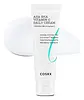
This brightening day moisturizer is formulated around Niacinamide to brighten dull-looking skin and refine skin texture.
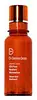
This brightening moisturizer is formulated around 3-O-Ethyl Ascorbic Acid and Tetrahexyldecyl Ascorbate to brighten dull-looking skin and refine skin texture.


What's inside
What's inside
 Key Ingredients
Benefits
Concerns
Ingredients Side-by-side
Actinidia Chinensis Fruit Extract
EmollientHylocereus Undatus Fruit Extract
Skin ConditioningHippophae Rhamnoides Water
Masking
Butylene Glycol
Humectant

Cetyl Ethylhexanoate
EmollientNiacinamide
Smoothing










1,2-Hexanediol
Skin Conditioning
Macadamia Ternifolia Seed Oil
Emollient


Cetearyl Alcohol
Emollient




Betaine
Humectant
Hydroxyethyl Acrylate/Sodium Acryloyldimethyl Taurate Copolymer
Emulsion StabilisingEthylhexylglycerin
Skin ConditioningCarbomer
Emulsion StabilisingArginine
Masking
Panthenol
Skin Conditioning
Cetearyl Olivate
Sorbitan Olivate
Emulsifying
Allantoin
Skin Conditioning
Adenosine
Skin Conditioning
Sodium Hyaluronate
Humectant
Alpha-Arbutin
Antioxidant

Menthyl Lactate
Masking
Mentha Haplocalix Extract
MaskingTocopherol
Antioxidant
Lactobionic Acid
Buffering
Citrus Aurantium Bergamia Fruit Oil
Masking

Betaine Salicylate
Antimicrobial
Ascorbyl Glucoside
Antioxidant
Glycolic Acid
Buffering

Water
Skin ConditioningActinidia Chinensis Fruit Extract, Hylocereus Undatus Fruit Extract, Hippophae Rhamnoides Water, Butylene Glycol, Cetyl Ethylhexanoate, Niacinamide, 1,2-Hexanediol, Macadamia Ternifolia Seed Oil, Cetearyl Alcohol, Betaine, Hydroxyethyl Acrylate/Sodium Acryloyldimethyl Taurate Copolymer, Ethylhexylglycerin, Carbomer, Arginine, Panthenol, Cetearyl Olivate, Sorbitan Olivate, Allantoin, Adenosine, Sodium Hyaluronate, Alpha-Arbutin, Menthyl Lactate, Mentha Haplocalix Extract, Tocopherol, Lactobionic Acid, Citrus Aurantium Bergamia Fruit Oil, Betaine Salicylate, Ascorbyl Glucoside, Glycolic Acid, Water
Water
Skin ConditioningSqualane
Emollient
Glycerin
Humectant
3-O-Ethyl Ascorbic Acid
Skin Conditioning
Tetrahexyldecyl Ascorbate
Antioxidant
Ascorbic Acid
Antioxidant
Lactic Acid
Buffering
Silybum Marianum Fruit Extract
Skin Conditioning
Niacinamide
Smoothing
Centella Asiatica Extract
Cleansing
Ceramide Ng
Skin Conditioning
Superoxide Dismutase
Antioxidant
Quercetin
Antioxidant
Phospholipids
Skin Conditioning
Sodium Hyaluronate
Humectant
Hydrolyzed Sodium Hyaluronate
Skin Conditioning
Sodium Carboxymethyl Beta-Glucan
CleansingInonotus Obliquus Extract
Skin ConditioningSaccharide Isomerate
Humectant
Ferulic Acid
Antimicrobial
Ubiquinone
Antioxidant
Soy Isoflavones
Skin ConditioningAloe Barbadensis Leaf Juice
Skin Conditioning
Phytosphingosine
Skin Conditioning
Leuconostoc/Radish Root Ferment Filtrate
Antimicrobial
Methyl Gluceth-20
Humectant
Propylene Glycol
Humectant
Sodium PCA
Humectant
Myristyl Myristate
Emollient
Butylene Glycol
Humectant
Polyglyceryl-10 Laurate
Skin Conditioning
Pentylene Glycol
Skin Conditioning
Caprylyl Glycol
Emollient
Adenosine
Skin Conditioning
Carbomer
Emulsion StabilisingCetearyl Olivate
Polyacrylate Crosspolymer-6
Emulsion StabilisingLauryl Laurate
Skin Conditioning
Sodium Hydroxide
BufferingPotassium Hydroxide
BufferingSodium Glycolate
BufferingC13-15 Alkane
SolventSorbitan Olivate
Emulsifying
Phytic Acid
Citric Acid
Buffering
Sodium Citrate
BufferingTetrasodium Glutamate Diacetate
Pentasodium Pentetate
Camellia Sinensis Leaf Extract
Antimicrobial
Cucumis Sativus Fruit Extract
Emollient
Triethyl Citrate
Masking
Lavandula Angustifolia Flower/Leaf/Stem Extract
Masking
Elettaria Cardamomum Seed Extract
Perfuming
Pyrus Malus Fruit Extract
Skin Conditioning
Rubus Idaeus Fruit Extract
AstringentCananga Odorata Flower Extract
Perfuming
Citrus Aurantium Bergamia Fruit Extract
Skin ConditioningCitrus Aurantium Amara Flower Extract
RefreshingCoffea Arabica Seed Extract
Masking
Cucumis Melo Fruit Extract
Skin ConditioningCupressus Sempervirens Leaf/Stem Extract
Skin ConditioningFucus Vesiculosus Extract
Emollient
Jasminum Officinale Flower Extract
Masking
Rose Extract
Skin ConditioningRosmarinus Officinalis Leaf Extract
AntimicrobialSalvia Officinalis Leaf Extract
CleansingSantalum Album Wood Extract
Perfuming
Phenoxyethanol
Preservative
Sorbic Acid
Preservative
Potassium Sorbate
Preservative
Water, Squalane, Glycerin, 3-O-Ethyl Ascorbic Acid, Tetrahexyldecyl Ascorbate, Ascorbic Acid, Lactic Acid, Silybum Marianum Fruit Extract, Niacinamide, Centella Asiatica Extract, Ceramide Ng, Superoxide Dismutase, Quercetin, Phospholipids, Sodium Hyaluronate, Hydrolyzed Sodium Hyaluronate, Sodium Carboxymethyl Beta-Glucan, Inonotus Obliquus Extract, Saccharide Isomerate, Ferulic Acid, Ubiquinone, Soy Isoflavones, Aloe Barbadensis Leaf Juice, Phytosphingosine, Leuconostoc/Radish Root Ferment Filtrate, Methyl Gluceth-20, Propylene Glycol, Sodium PCA, Myristyl Myristate, Butylene Glycol, Polyglyceryl-10 Laurate, Pentylene Glycol, Caprylyl Glycol, Adenosine, Carbomer, Cetearyl Olivate, Polyacrylate Crosspolymer-6, Lauryl Laurate, Sodium Hydroxide, Potassium Hydroxide, Sodium Glycolate, C13-15 Alkane, Sorbitan Olivate, Phytic Acid, Citric Acid, Sodium Citrate, Tetrasodium Glutamate Diacetate, Pentasodium Pentetate, Camellia Sinensis Leaf Extract, Cucumis Sativus Fruit Extract, Triethyl Citrate, Lavandula Angustifolia Flower/Leaf/Stem Extract, Elettaria Cardamomum Seed Extract, Pyrus Malus Fruit Extract, Rubus Idaeus Fruit Extract, Cananga Odorata Flower Extract, Citrus Aurantium Bergamia Fruit Extract, Citrus Aurantium Amara Flower Extract, Coffea Arabica Seed Extract, Cucumis Melo Fruit Extract, Cupressus Sempervirens Leaf/Stem Extract, Fucus Vesiculosus Extract, Jasminum Officinale Flower Extract, Rose Extract, Rosmarinus Officinalis Leaf Extract, Salvia Officinalis Leaf Extract, Santalum Album Wood Extract, Phenoxyethanol, Sorbic Acid, Potassium Sorbate
Alternatives
Ingredients Explained
These ingredients are found in both products.
Ingredients higher up in an ingredient list are typically present in a larger amount.
Adenosine is a purine nucleoside that your body already makes in every cell. In skincare, it acts mainly as a skin conditioning and anti-aging agent.
The way it works is fairly well mapped out:
Your skin has cells called fibroblasts that build collagen (the stuff that keeps skin firm and smooth). Adenosine basically flips a switch on these cells that tells them to get to work making more collagen and other proteins. These cells slow down on their own as skin ages, so Adenosine helps give them a little nudge to keep going.
The clinical backing is pretty solid too.
A blind, randomized, placebo-controlled trial of 126 women aged 45-65 tested a 0.1% cream twice daily and found real improvements in crow's feet and frown lines using a precise 3D skin-mapping technique; these changes showed up by week 3 and held at 2 months.
A later study using Adenosine-loaded dissolving microneedle patches reported gains in wrinkle depth, dermal density, elasticity, and hydration.
On concentrations, South Korea's Ministry of Food and Drug Safety has set 0.04% as the approved functional anti-wrinkle level. You'll typically see this ingredient used somewhere in the 0.04-0.1% range since it works at low doses.
This ingredient has been found safe for cosmetics with the data showing no irritation or sensitization.
Overall, this is a great ingredient for any anti-aging routine and has no photosensitizing effect, so it suits both AM and PM use.
Learn more about AdenosineButylene Glycol (or BG) is used within cosmetic products for a few different reasons:
Overall, Butylene Glycol is a safe and well-rounded ingredient that works well with other ingredients.
Though this ingredient works well with most skin types, some people with sensitive skin may experience a reaction such as allergic rashes, closed comedones, or itchiness.
Learn more about Butylene GlycolCarbomer is a synthetic thickening and gelling agent. It's basically the ingredient that gives a lot of serums, gels, creams, and sunscreens their smooth, non-sticky texture.
Although legally permitted at very high levels, carbomers are normally used at concentrations below 1%.
It also needs to be neutralized to actually thicken, and because it is a large molecule, it doesn't really penetrate the skin barrier.
Allergy-wise, the risk is very low. Clinical studies show carbomers have low potential for skin irritation/sensitization even at concentrations up to 100%.
A 2024 UK study patch-tested 1,302 patients and found true allergy to the parent group of carbomer to be rare with no confirmed relevant reactions.
Learn more about CarbomerCetearyl Olivate is a plant-derived emulsifier and texture enhancer. It helps keep the oil and water phases from separating so your formulas stay stable.
You'll likely see it combined with Sorbitan Olivate (together sold as the trade name Olivem 1000). This combination generates a liquid crystal structure that closely resemble the lipid organization of the stratum corneum.
These "skin-like" liquid crystals improve skin barrier integrity and promote the delivery of actives into the skin.
This ingredient is well-tolerated and has no significant sensitization data.
Because it is derived from the fatty acids in olive oil, this ingredient may not be fungal acne safe.
Learn more about Cetearyl OlivateNiacinamide is a multitasking form of vitamin B3 that strengthens the skin barrier, reduces pores and dark spots, regulates oil, and improves signs of aging.
And the best part? It's gentle and well-tolerated by most skin types, including sensitive and reactive skin.
You might have heard of "niacin flush", or the reddening of skin that causes itchiness. Niacinamide has not been found to cause this.
In very rare cases, some individuals may not be able to tolerate niacinamide at all or experience an allergic reaction to it.
If you are experiencing flaking, irritation, and dryness with this ingredient, be sure to double check all your products as this ingredient can be found in all categories of skincare.
When incorporating niacinamide into your routine, look out for concentration amounts. Typically, 5% niacinamide provides benefits such as fading dark spots. However, if you have sensitive skin, it is better to begin with a smaller concentration.
When you apply niacinamide to your skin, your body converts it into nicotinamide adenine dinucleotide (NAD). NAD is an essential coenzyme that is already found in your cells as "fuel" and powers countless biological processes.
In your skin, NAD helps repair cell damage, produce new healthy cells, support collagen production, strengthen the skin barrier, and fight environmental stressors (like UV and pollution).
Our natural NAD levels start to decline with age, leading to slower skin repair, visible aging, and a weaker skin barrier. By providing your skin niacinamide, you're recharging your skin's NAD levels. This leads to stronger, healthier, and younger looking skin.
Another name for vitamin B3 is nicotinamide. This vitamin is water-soluble and our bodies don't store it. We obtain Vitamin B3 from either food or skincare. Meat, fish, wheat, yeast, and leafy greens contain vitamin B3.
The type of niacinamide used in skincare is synthetically created.
Learn more about NiacinamideSodium Hyaluronate is the salt form of hyaluronic acid. It is a long sugar chain that is naturally found in your skin, joints, and connective tissue that maintains hydration and elasticity.
In skincare, it works as a humectant. It pulls water from the environment and deeper layers of skin and binds it to the surface.
Interestingly, the size of the molecule affects its behavior:
Some clinical evidence links low molecular weight versions to improved wrinkle depth, elasticity, anti-inflammatory effects, and barrier repair.
Many serums use a blend of both weights so you can get surface hydration plus longer-lasting and deeper effects.
You'll typically see concentrations between 0.1-2% for this ingredient.
Learn more about Sodium HyaluronateSorbitan Olivate is created from the fatty acids in olive oil and sorbitol.
This ingredient is an oil in water emulsifier. It helps stabilize a product by preventing oils and waters from separating. Sorbitan Olivate also helps hydrate the skin.
This ingredient is also known as part of Olivem 1000, with Cetearyl Olivate being the other part.
According to a manufacturer, this ingredient helps preserve the natural microbiome of skin. Having a healthy microbiome helps keep our skin healthy and protects against harmful bacteria.
Please note, having a healthy microbiome is different from fungal acne; a healthy microbiome includes small amounts of yeast that normally live on your skin without causing problems.
Fungal acne happens when one type of yeast (Malassezia) grows out of control. This is usually because it's feeding on certain oils or fatty acids. Due to the olive oil base, this ingredient may not be fungal acne safe.
Learn more about Sorbitan OlivateWater. It's the most common cosmetic ingredient of all. You'll usually see it at the top of ingredient lists, meaning that it makes up the largest part of the product.
So why is it so popular? Water most often acts as a solvent - this means that it helps dissolve other ingredients into the formulation.
You'll also recognize water as that liquid we all need to stay alive. If you see this, drink a glass of water. Remember to stay hydrated!
Learn more about Water

