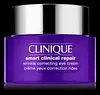
This anti-aging eye moisturizer is formulated around Acetyl Hexapeptide-8 and Palmitoyl Tripeptide-1 to soften the look of wrinkles and strengthen the skin barrier.
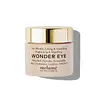
This anti-aging eye moisturizer is formulated around Bakuchiol and Astaxanthin to soften the look of wrinkles and calm redness.


What's inside
What's inside
 Key Ingredients
Benefits
Concerns
Ingredients Side-by-side
Water
Skin ConditioningTridecyl Trimellitate
EmollientGlycerin
Humectant


Neopentyl Glycol Diethylhexanoate
Emollient
Polyglyceryl-6 Distearate
Emulsifying

Glyceryl Behenate
Emollient
Mangifera Indica Seed Butter
Skin Conditioning
Propanediol
Solvent
Butyrospermum Parkii Butter
Skin Conditioning


Cetearyl Wheat Straw Glycosides
EmulsifyingHypnea Musciformis Extract
Skin Protecting
Gelidiella Acerosa Extract
Skin Protecting
Polygonum Cuspidatum Root Extract
Antioxidant
Laminaria Digitata Extract
Skin Protecting
Saccharomyces Lysate Extract
Humectant
Camellia Sinensis Leaf Extract
Antimicrobial





Sigesbeckia Orientalis Extract
Skin ConditioningWhey Protein
Skin ConditioningPrunus Amygdalus Dulcis Seed Extract
Skin ConditioningAcetyl Hexapeptide-8
Humectant
Acetyl Octapeptide-3
Humectant
Palmitoyl Tripeptide-1
Skin Conditioning
Palmitoyl Tetrapeptide-7
Skin Conditioning
Palmitoyl Hexapeptide-12
Skin Conditioning
Phytosteryl/Isostearyl/Cetyl/Stearyl/Behenyl Dimer Dilinoleate
Skin Conditioning
Lactobacillus Ferment
Skin Conditioning
Sodium Hyaluronate
Humectant
Tocopheryl Acetate
Antioxidant
Butylene Glycol
Humectant
Cetearyl Alcohol
Emollient

Caffeine
Skin Conditioning
Tetrahexyldecyl Ascorbate
Antioxidant
Sucrose
Humectant
Acetyl Glucosamine
Skin Conditioning
Dipotassium Glycyrrhizate
Humectant
Arachidyl Glucoside
EmulsifyingJojoba Esters
Emollient
Tridecyl Stearate
Emollient
Dipentaerythrityl Hexacaprylate/Hexacaprate
EmulsifyingMolasses Extract
Skin ConditioningTrehalose
Humectant
Ethylhexylglycerin
Skin ConditioningCholesterol
Emollient
Bisabolol
Antioxidant
PEG-8
HumectantCera Alba
Emollient
Glyceryl Acrylate/Acrylic Acid Copolymer
HumectantGlycine Soja Seed Extract
Skin Conditioning
Caprylyl Glycol
Emollient
Tocopherol
Antioxidant
Nylon-12

Potassium Cetyl Phosphate
EmulsifyingGlyceryl Polymethacrylate
Acrylates/C10-30 Alkyl Acrylate Crosspolymer
Emulsion StabilisingAmmonium Acryloyldimethyltaurate/Vp Copolymer
Arachidyl Alcohol
Emollient
Cetyl Alcohol
Emollient
Polyglyceryl-3 Beeswax
Emulsifying
Behenyl Alcohol
Emollient
Glyceryl Stearate
Emollient
Stearic Acid
Cleansing
Carbomer
Emulsion StabilisingPolysorbate 20
Emulsifying
Sodium Hydroxide
BufferingBHT
Antioxidant
Disodium EDTA
ChelatingSodium Citrate
BufferingPotassium Sorbate
Preservative
Sodium Benzoate
Masking
Phenoxyethanol
Preservative
Water, Tridecyl Trimellitate, Glycerin, Neopentyl Glycol Diethylhexanoate, Polyglyceryl-6 Distearate, Glyceryl Behenate, Mangifera Indica Seed Butter, Propanediol, Butyrospermum Parkii Butter, Cetearyl Wheat Straw Glycosides, Hypnea Musciformis Extract, Gelidiella Acerosa Extract, Polygonum Cuspidatum Root Extract, Laminaria Digitata Extract, Saccharomyces Lysate Extract, Camellia Sinensis Leaf Extract, Sigesbeckia Orientalis Extract, Whey Protein, Prunus Amygdalus Dulcis Seed Extract, Acetyl Hexapeptide-8, Acetyl Octapeptide-3, Palmitoyl Tripeptide-1, Palmitoyl Tetrapeptide-7, Palmitoyl Hexapeptide-12, Phytosteryl/Isostearyl/Cetyl/Stearyl/Behenyl Dimer Dilinoleate, Lactobacillus Ferment, Sodium Hyaluronate, Tocopheryl Acetate, Butylene Glycol, Cetearyl Alcohol, Caffeine, Tetrahexyldecyl Ascorbate, Sucrose, Acetyl Glucosamine, Dipotassium Glycyrrhizate, Arachidyl Glucoside, Jojoba Esters, Tridecyl Stearate, Dipentaerythrityl Hexacaprylate/Hexacaprate, Molasses Extract, Trehalose, Ethylhexylglycerin, Cholesterol, Bisabolol, PEG-8, Cera Alba, Glyceryl Acrylate/Acrylic Acid Copolymer, Glycine Soja Seed Extract, Caprylyl Glycol, Tocopherol, Nylon-12, Potassium Cetyl Phosphate, Glyceryl Polymethacrylate, Acrylates/C10-30 Alkyl Acrylate Crosspolymer, Ammonium Acryloyldimethyltaurate/Vp Copolymer, Arachidyl Alcohol, Cetyl Alcohol, Polyglyceryl-3 Beeswax, Behenyl Alcohol, Glyceryl Stearate, Stearic Acid, Carbomer, Polysorbate 20, Sodium Hydroxide, BHT, Disodium EDTA, Sodium Citrate, Potassium Sorbate, Sodium Benzoate, Phenoxyethanol
Water
Skin ConditioningCaprylic/Capric Triglyceride
Masking
Ethylhexyl Stearate
Emollient
Polyglyceryl-2 Dipolyhydroxystearate
Skin Conditioning
Glycerin
Humectant
Coco-Caprylate
Emollient
Hydrolyzed Yeast Extract
Skin ConditioningMagnesium Sulfate
Bakuchiol
Antimicrobial
Oryza Sativa Cera
Skin ConditioningHydroxyacetophenone
Antioxidant
Glyceryl Oleate
Emollient

Melilotus Officinalis Extract
AstringentDolichos Biflorus Callus Extract
Skin ProtectingAstaxanthin
Skin Conditioning
Haematococcus Pluvialis Extract
Antioxidant
Glycyrrhiza Glabra Root Extract
Bleaching
Daucus Carota Sativa Root Extract
Skin Conditioning
Palmitoyl Tripeptide-38
Skin Conditioning
Polyglucuronic Acid
Skin ConditioningSodium Hyaluronate
Humectant
Tocopherol
Antioxidant
Beta-Carotene
Skin ConditioningAscorbyl Palmitate
Antioxidant
Lecithin
Emollient
Simmondsia Chinensis Seed Oil
Emollient
Helianthus Annuus Seed Oil
Emollient
Glycine Soja Oil
Emollient
Hydrogenated Rapeseed Oil
Emollient
Caffeine
Skin Conditioning
Cetyl Hydroxyethylcellulose
Emulsion StabilisingHydroxypropyl Cyclodextrin
MaskingCaramel
Cosmetic ColorantHydrogenated Palm Glycerides Citrate
Emollient
Sodium Benzoate
Masking
Potassium Sorbate
Preservative
Water, Caprylic/Capric Triglyceride, Ethylhexyl Stearate, Polyglyceryl-2 Dipolyhydroxystearate, Glycerin, Coco-Caprylate, Hydrolyzed Yeast Extract, Magnesium Sulfate, Bakuchiol, Oryza Sativa Cera, Hydroxyacetophenone, Glyceryl Oleate, Melilotus Officinalis Extract, Dolichos Biflorus Callus Extract, Astaxanthin, Haematococcus Pluvialis Extract, Glycyrrhiza Glabra Root Extract, Daucus Carota Sativa Root Extract, Palmitoyl Tripeptide-38, Polyglucuronic Acid, Sodium Hyaluronate, Tocopherol, Beta-Carotene, Ascorbyl Palmitate, Lecithin, Simmondsia Chinensis Seed Oil, Helianthus Annuus Seed Oil, Glycine Soja Oil, Hydrogenated Rapeseed Oil, Caffeine, Cetyl Hydroxyethylcellulose, Hydroxypropyl Cyclodextrin, Caramel, Hydrogenated Palm Glycerides Citrate, Sodium Benzoate, Potassium Sorbate
Ingredients Explained
These ingredients are found in both products.
Ingredients higher up in an ingredient list are typically present in a larger amount.
Caffeine is a naturally occurring plant compound found in coffee beans, tea leaves, cocoa pods, and guarana.
As an antioxidant, caffeine protects your skin from free radical damage caused by UV exposure and envionrmnetal stressors.
Early research also shows that caffeine can help calm redness, soothe irritated skin, and support hair growth by stimulating microcirculation in the scalp.
You might have seen eye creams marketing caffeine as a depuffing ingredient. This is because it is a vasoconstrictor meaning it can temporarily constrict blood vessels, though clinical evidence for this specific use is still limited.
Most skincare products contain this ingredient at concentrations between 1-6%. It is able to penetrate skin easily regardless of skin type or thickness.
Just so you know, a very small number of case reports describe caffeine-induced allergy. This ingredient is generally well-tolerated, non-irritating, and non-sensitizing for the majority of people.
Learn more about CaffeineGlycerin (or glycerol) is a compound naturally found in your skin. It's a powerhouse humectant that pulls water into the stratum corneum.
Topically, glycerin does several things at once:
Your skin makes glycerin on its own (mostly from sebaceous oil breakdown) and shuttles it to your outermost layer of skin, or your epidermis, via aquaporin-3.
Aquaporin-3 is a transporter that is essential for normal skin hydration, elasticity, and repair. Interestingly, mice lacking in AQP3 have dry and less elastic skin that can be fully corrected with glycerin.
This ingredient is non-irritating, plays well with almost every ingredient, and works across all skin types. Typical use is anywhere between 3-10% but can go up to 79% in some leave-on products.
Just know very high concentrations (>40%) can feel tacky in low humidity.
Glycerin is the name for this ingredient in American English. British English uses Glycerol/Glycerine.
Learn more about GlycerinPotassium Sorbate is a preservative used to prevent yeast and mold in products. It is commonly found in both cosmetic and food products.
This ingredient comes from potassium salt derived from sorbic acid. Sorbic acid is a natural antibiotic and effective against fungus.
Both potassium sorbate and sorbic acid can be found in baked goods, cheeses, dried meats, dried fruit, ice cream, pickles, wine, yogurt, and more.
You'll often find this ingredient used with other preservatives.
Learn more about Potassium SorbateSodium Benzoate is a preservative. It's used in both cosmetic and food products to inhibit the growth of mold and bacteria. It is typically produced synthetically.
Both the US FDA and EU Health Committee have approved the use of sodium benzoate. In the US, levels of 0.1% (of the total product) are allowed.
Sodium benzoate works as a preservative by inhibiting the growth of bacteria inside of cells. It prevents the cell from fermenting a type of sugar using an enzyme called phosphofructokinase.
It is the salt of benzoic acid. Foods containing sodium benzoate include soda, salad dressings, condiments, fruit juices, wines, and snack foods.
Studies for using ascorbic acid and sodium benzoate in cosmetics are lacking, especially in skincare routines with multiple steps.
We always recommend speaking with a professional, such as a dermatologist, if you have any concerns.
Learn more about Sodium BenzoateSodium Hyaluronate is the salt form of hyaluronic acid. It is a long sugar chain that is naturally found in your skin, joints, and connective tissue that maintains hydration and elasticity.
In skincare, it works as a humectant. It pulls water from the environment and deeper layers of skin and binds it to the surface.
Interestingly, the size of the molecule affects its behavior:
Some clinical evidence links low molecular weight versions to improved wrinkle depth, elasticity, anti-inflammatory effects, and barrier repair.
Many serums use a blend of both weights so you can get surface hydration plus longer-lasting and deeper effects.
You'll typically see concentrations between 0.1-2% for this ingredient.
Learn more about Sodium HyaluronateTocopherol is a fat-soluble antioxidant known as Vitamin E.
You'll find this ingredient in the vast majority of skincare (for good reason). It works to neutralize free radicals, or unstable molecules generated by UV exposure, pollution, and other environmental stressors, before they can cause oxidative damage to your skin cells.
Topically applied tocopherol has been shown to protect against UV damage by ramping up the skin's own natural defense enzymes.
It also acts as a skin conditioning agent; some studies show that regular topical use can improve the skin's water-binding capacity over 2-4 weeks.
This ingredient is especially loved for being a team player. When combined with Vitamin C, the photoprotective effect of both ingredients roughly doubles and the combo also helps reduce UV-induced DNA damage.
This ingredient has some brightening potential but it's more of a prevention ingredient than spot-fader. Cell studies show it can slow down melanin production but it's worth noting that it's not the most powerful brightener out there.
In formulations, it also serves as a stabilizer that helps protect other oxidation-prone ingredients from degrading.
Concentrations usually range from 0.1-1% in most leave-on products.
Learn more about TocopherolWater. It's the most common cosmetic ingredient of all. You'll usually see it at the top of ingredient lists, meaning that it makes up the largest part of the product.
So why is it so popular? Water most often acts as a solvent - this means that it helps dissolve other ingredients into the formulation.
You'll also recognize water as that liquid we all need to stay alive. If you see this, drink a glass of water. Remember to stay hydrated!
Learn more about Water

