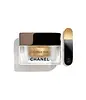
This eye moisturizer is formulated around Glycyrrhiza Glabra Root Extract to hydrate skin.
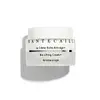
This anti-aging moisturizer is formulated around Rosa Damascena Flower Water and Palmitoyl Tetrapeptide-7 to soften the look of wrinkles.


What's inside
What's inside
 Key Ingredients
Benefits
Concerns
Ingredients Side-by-side
Water
Skin ConditioningGlycerin
Humectant


Alcohol
Antimicrobial




Butyrospermum Parkii Butter
Skin Conditioning


Squalane
Emollient
Octyldodecyl Myristate
EmollientLauroyl Lysine
Skin Conditioning
Cetyl Alcohol
Emollient

Hydrogenated Canola Oil
Skin Conditioning
Glyceryl Stearate
Emollient
Albizia Julibrissin Bark Extract
MaskingVanilla Planifolia Fruit Water
Skin ConditioningSaccharomyces Cerevisiae Extract
Skin Conditioning
Vanilla Planifolia Fruit Oil
Emollient
Glycyrrhiza Glabra Root Extract
Bleaching



Vanilla Planifolia Fruit Extract
Skin Conditioning
Faex
Skin ConditioningSigesbeckia Orientalis Extract
Skin ConditioningArginine
Masking
Butylene Glycol
Humectant
Pentylene Glycol
Skin Conditioning
PEG-75 Stearate
Surfactant
Propylene Glycol
Humectant
Carbomer
Emulsion StabilisingPhytosteryl Canola Glycerides
Skin Conditioning
Camellia Oleifera Seed Oil
Skin Conditioning
Lecithin
Emollient
Chlorphenesin
Antimicrobial
Ceteth-20
CleansingSteareth-20
CleansingEscin
TonicCaprylyl Glycol
Emollient
Xanthan Gum
EmulsifyingPropanediol
Solvent
Beta-Sitosterol
Emulsion Stabilising
Polyquaternium-51
Skin Conditioning
Tocopherol
Antioxidant

Sodium Hyaluronate
Humectant
Adenosine
Skin Conditioning
Lactic Acid
Buffering


1,2-Hexanediol
Skin Conditioning
Phytic Acid
Chelating
Sodium Benzoate
Masking
Sodium Hydroxide
BufferingSodium Citrate
BufferingPalmitoyl Tetrapeptide-7
Skin Conditioning
Tin Oxide
Abrasive
Ascorbyl Palmitate
Antioxidant
CI 19140
Cosmetic ColorantCI 77491
Cosmetic ColorantCI 77891
Cosmetic ColorantMica
Cosmetic ColorantWater, Glycerin, Alcohol, Butyrospermum Parkii Butter, Squalane, Octyldodecyl Myristate, Lauroyl Lysine, Cetyl Alcohol, Hydrogenated Canola Oil, Glyceryl Stearate, Albizia Julibrissin Bark Extract, Vanilla Planifolia Fruit Water, Saccharomyces Cerevisiae Extract, Vanilla Planifolia Fruit Oil, Glycyrrhiza Glabra Root Extract, Vanilla Planifolia Fruit Extract, Faex, Sigesbeckia Orientalis Extract, Arginine, Butylene Glycol, Pentylene Glycol, PEG-75 Stearate, Propylene Glycol, Carbomer, Phytosteryl Canola Glycerides, Camellia Oleifera Seed Oil, Lecithin, Chlorphenesin, Ceteth-20, Steareth-20, Escin, Caprylyl Glycol, Xanthan Gum, Propanediol, Beta-Sitosterol, Polyquaternium-51, Tocopherol, Sodium Hyaluronate, Adenosine, Lactic Acid, 1,2-Hexanediol, Phytic Acid, Sodium Benzoate, Sodium Hydroxide, Sodium Citrate, Palmitoyl Tetrapeptide-7, Tin Oxide, Ascorbyl Palmitate, CI 19140, CI 77491, CI 77891, Mica
Rosa Damascena Flower Water
Masking
Glycerin
Humectant
C12-20 Acid PEG-8 Ester
Emulsifying
Caprylic/Capric Triglyceride
Masking
Coco-Caprylate/Caprate
Emollient
Water
Skin ConditioningImperata Cylindrica Root Extract
Skin ConditioningButyrospermum Parkii Butter
Skin Conditioning
Potassium Cetyl Phosphate
EmulsifyingHydrolyzed Soy Protein
Humectant
Butylene Glycol
Humectant
Plantago Lanceolata Leaf Extract
AntimicrobialCarbomer
Emulsion StabilisingArgania Spinosa Kernel Oil
Emollient
Bisabolol
Antioxidant
Borago Officinalis Seed Oil
Emollient
Simmondsia Chinensis Seed Oil
Emollient
Rosa Canina Fruit Oil
Emollient
Sodium Hydroxide
BufferingTocopheryl Acetate
Antioxidant
Chondrus Crispus Powder
Abrasive
Saccharide Isomerate
Humectant
Caprylyl Glycol
Emollient
Camellia Sinensis Leaf Extract
Antimicrobial
Phytic Acid
Chelating
Brassica Campestris Seed Oil
Skin Conditioning
Alcohol
Antimicrobial
Rosa Damascena Flower Oil
Masking


Sodium Hyaluronate
Humectant
Sodium Lactate
Buffering
Coco-Glucoside
Cleansing
Glycoproteins
Skin Conditioning
Acacia Dealbata Flower Wax
EmollientCitrus Aurantium Amara Flower Wax
Jasminum Grandiflorum Flower Wax
Masking
Citric Acid
Buffering
Sodium Citrate
BufferingGlutamic Acid
Humectant
Michelia Alba Leaf Oil
Masking
Pentylene Glycol
Skin Conditioning
Psilanthus Bengalensis Leaf Cell Culture Extract
Skin ConditioningRosmarinus Officinalis Leaf Extract
AntimicrobialXanthan Gum
EmulsifyingBiosaccharide Gum-1
Humectant
Threonine
Valine
MaskingPalmitoyl Tetrapeptide-7
Skin Conditioning
Palmitoyl Tripeptide-1
Skin Conditioning
Acetyl Hexapeptide-8
Humectant
Benzoic Acid
Masking
Rubus Idaeus Leaf Cell Culture
Skin Conditioning3-Aminopropane Sulfonic Acid
SurfactantCalcium Hydroxymethionine
Skin ConditioningDaphne Odora Callus Extract
Skin ProtectingHydroxyethylcellulose
Emulsion StabilisingPollen Extract
EmollientAcrylates/C10-30 Alkyl Acrylate Crosspolymer
Emulsion StabilisingNicotiana Sylvestris Leaf Cell Culture
Skin ConditioningPlankton Extract
Skin ConditioningTetradecyl Aminobutyroylvalylaminobutyric Urea Trifluoroacetate
Skin ConditioningEthylhexylglycerin
Skin ConditioningSorbic Acid
Preservative
Sodium Metabisulfite
Antioxidant
Phenoxyethanol
Preservative
Chlorphenesin
Antimicrobial
Magnesium Chloride
Biotin
AntiseborrhoeicTocopherol
Antioxidant
Citronellol
Perfuming
Geraniol
Perfuming
Linalool
Perfuming
Rosa Damascena Flower Water, Glycerin, C12-20 Acid PEG-8 Ester, Caprylic/Capric Triglyceride, Coco-Caprylate/Caprate, Water, Imperata Cylindrica Root Extract, Butyrospermum Parkii Butter, Potassium Cetyl Phosphate, Hydrolyzed Soy Protein, Butylene Glycol, Plantago Lanceolata Leaf Extract, Carbomer, Argania Spinosa Kernel Oil, Bisabolol, Borago Officinalis Seed Oil, Simmondsia Chinensis Seed Oil, Rosa Canina Fruit Oil, Sodium Hydroxide, Tocopheryl Acetate, Chondrus Crispus Powder, Saccharide Isomerate, Caprylyl Glycol, Camellia Sinensis Leaf Extract, Phytic Acid, Brassica Campestris Seed Oil, Alcohol, Rosa Damascena Flower Oil, Sodium Hyaluronate, Sodium Lactate, Coco-Glucoside, Glycoproteins, Acacia Dealbata Flower Wax, Citrus Aurantium Amara Flower Wax, Jasminum Grandiflorum Flower Wax, Citric Acid, Sodium Citrate, Glutamic Acid, Michelia Alba Leaf Oil, Pentylene Glycol, Psilanthus Bengalensis Leaf Cell Culture Extract, Rosmarinus Officinalis Leaf Extract, Xanthan Gum, Biosaccharide Gum-1, Threonine, Valine, Palmitoyl Tetrapeptide-7, Palmitoyl Tripeptide-1, Acetyl Hexapeptide-8, Benzoic Acid, Rubus Idaeus Leaf Cell Culture, 3-Aminopropane Sulfonic Acid, Calcium Hydroxymethionine, Daphne Odora Callus Extract, Hydroxyethylcellulose, Pollen Extract, Acrylates/C10-30 Alkyl Acrylate Crosspolymer, Nicotiana Sylvestris Leaf Cell Culture, Plankton Extract, Tetradecyl Aminobutyroylvalylaminobutyric Urea Trifluoroacetate, Ethylhexylglycerin, Sorbic Acid, Sodium Metabisulfite, Phenoxyethanol, Chlorphenesin, Magnesium Chloride, Biotin, Tocopherol, Citronellol, Geraniol, Linalool
Ingredients Explained
These ingredients are found in both products.
Ingredients higher up in an ingredient list are typically present in a larger amount.
This ingredient is also called ethanol or ethyl alcohol. It is denatured, meaning made undrinkable for cosmetic use.
In formulas, it:
Is it bad for your skin?
The answer comes down to concentration. Patch and wash studies have found highly concentrated alcohol-based hand rubs (60-100%) cause less barrier disruption than washing with a basic detergent like SLS. The only measurable effect in these studies was a temporary dip in skin hydration.
Concentrations below 12-15% in leave-on cosmetics is generally well-tolerated. Concentrations above start to see increased transepidermal water loss (TEWL) and reduced hydration.
In concentrations about 58%, it creates temporary channels in your skin's lipid layers to become more permeable and allow other ingredients to slip through easily.
This ingredient can be up to 80% of the formula in alcohol-based perfumes.
Overall, this ingredient is probably harmless if found lower down an ingredients list but worth side-eyeing if it's high up (especially if your barrier is already struggling).
Alcohol can worsen dry skin, eczema, and oily skin, especially at higher concentrations. This is because it can increase transepidermal water loss and decrease hydration to disrupt the skin barrier.
According to the National Rosacea Society based in the US, you should be mindful of products with these alcohols in the top half of ingredients.
True allergic contact dermatitis to ethanol is uncommon, but be sure to patch test if you have dry or sensitive skin.
Learn more about AlcoholButylene Glycol (or BG) is used within cosmetic products for a few different reasons:
Overall, Butylene Glycol is a safe and well-rounded ingredient that works well with other ingredients.
Though this ingredient works well with most skin types, some people with sensitive skin may experience a reaction such as allergic rashes, closed comedones, or itchiness.
Learn more about Butylene GlycolThis ingredient is also known as shea butter. It is a plant-derived extract from the nuts of the Africa shea tree and one of the most well-studied emollients.
Because it has a high concentration of fatty acids (primarily oleic, stearic, and linoleic) it is able to form a protective barrier on the skin's surface. This helps seal in moisture and prevents transepidermal water loss (TEWL).
In vitro research found an increase in skin hydration by 58% and a decrease in TEWL by 37.8% after 24 hours of applying this ingredient (pretty impressive for a single ingredient!).
Besides hydration, shea butter also contains triterpenes that have anti-inflammatory potential. In particule, lupeol cinnamate has shown the highest anti-inflammatory activity in vivo.
Shea butter also contains vitamins A and E which may contribute to antioxidant activity.
While Shea Butter has an SPF rating of about 3-4, it is not a sunscreen replacement.
This ingredient may not be fungal acne safe because its fatty acids fall within the C11-C24 range that the Malassezia yeast can metabolize.
This ingredient shows up on a lot of "pore-clogging" lists but there's no real evidence behind that. It doesn't even have a comedogenic rating from an actual study; the numbers you'll find online come from blogs citing other blogs.
Ratings for other ingredients mostly come from a 1980s rabbit ear test. This test doesn't translate well to human skin or to real products because the ingredient sits at a much lower percentage.
Some people still find it breaks them out. So if that's you, definitely trust your skin. Just know this one's based on experience and not evidence.
Learn more about Butyrospermum Parkii ButterCaprylyl Glycol is a humectant, skin conditioner, emollient, and preservative booster derived from either caprylic acid or synthetically created.
Typical use levels vary from 0.3-1% as a preservative booster and go up to 2% to condition skin.
Because it is not a free-fatty acid, this ingredient is fungal acne safe (there's nothing for Malassezia to feed on).
Learn more about Caprylyl GlycolCarbomer is a synthetic thickening and gelling agent. It's basically the ingredient that gives a lot of serums, gels, creams, and sunscreens their smooth, non-sticky texture.
Although legally permitted at very high levels, carbomers are normally used at concentrations below 1%.
It also needs to be neutralized to actually thicken, and because it is a large molecule, it doesn't really penetrate the skin barrier.
Allergy-wise, the risk is very low. Clinical studies show carbomers have low potential for skin irritation/sensitization even at concentrations up to 100%.
A 2024 UK study patch-tested 1,302 patients and found true allergy to the parent group of carbomer to be rare with no confirmed relevant reactions.
Learn more about CarbomerChlorphenesin is a synthetic preservative. It helps protect a product against bacteria in order to extend shelf life. In most cases, Chlorphenesin is paired with other preservatives such as phenoxyethanol and caprylyl glycol.
Chlorphenesin is a biocide. This means it is able to help fight the microorganisms on our skin. It is also able to fight odor-releasing bacteria.
Chlorphenesin is soluble in both water and glycerin.
Studies show Chlorphenesin is easily absorbed by our skin. You should speak with a skincare professional if you have concerns about using Chlorphenesin.
Learn more about ChlorphenesinGlycerin (or glycerol) is a compound naturally found in your skin. It's a powerhouse humectant that pulls water into the stratum corneum.
Topically, glycerin does several things at once:
Your skin makes glycerin on its own (mostly from sebaceous oil breakdown) and shuttles it to your outermost layer of skin, or your epidermis, via aquaporin-3.
Aquaporin-3 is a transporter that is essential for normal skin hydration, elasticity, and repair. Interestingly, mice lacking in AQP3 have dry and less elastic skin that can be fully corrected with glycerin.
This ingredient is non-irritating, plays well with almost every ingredient, and works across all skin types. Typical use is anywhere between 3-10% but can go up to 79% in some leave-on products.
Just know very high concentrations (>40%) can feel tacky in low humidity.
Glycerin is the name for this ingredient in American English. British English uses Glycerol/Glycerine.
Learn more about GlycerinPalmitoyl Tetrapeptide-7 (formerly Palmitoyl Tetrapeptide-3) is a synthetic peptide. Its main job is to fight what researchers call "inflammaging".
"Inflammaging" is the slow, low-grade chronic inflammation that quietly breaks down collagen as we age.
This ingredient calms down a specific inflammation signal in your skin cells (called IL-6). When left unchecked, this signal triggers enzymes that break down collagen and elastin.
Clinical testing showed statistically significant improvements in:
Studies also found the more of this ingredient used, the more your skin produces Collagen I, fibronectin, and hyaluronic acid.
You'll likely see this ingredient paired with Palmitoyl Tripeptide-1 in the well-known Matrixyl 3000 complex for enhanced anti-aging effects.
A 3% concentration applied twice daily for two months showed meaningful skin rejuvenation results in clinical panels.
Fungal acne note:
Usually a palmitic acid component can feed Malassezia in unbound form, but here is is covalently bonded to the peptide. This means it is very difficult for Malassezia to access, and therefore very unlikely to cause fungal acne.
Pentylene Glycol (1,2-pentanediol) is a multitasking little diol with three main roles in a formula:
Research on alkanediols (the family pentylene glycol belongs to) show they work by disrupting microbial cell membranes. This disruption helps the primary preservative system in a product work more effectively at lower doses.
On the safety side, the Cosmetic Ingredient Review Expert Panel has concluded this ingredient to be safe as used in current cosmetic practices + concentrations.
Typical use levels in a formula run about 1-5%.
Learn more about Pentylene GlycolPhytic Acid is a gentle AHA and antioxidant. AHAs are chemical exfoliants that help remove dead skin cells. Phytic Acid has a slight and mild exfoliating effect.
The chemical makeup makes it classified as an AHA, much like lactic acid.
In some cases, it is a chelating agent. Chelating agents help prevent metals from binding to water, helping to stabilize the ingredients in a product.
An interesting fact about phytic acid is that it is considered an antinutrient. People do not have the enzyme needed to properly breakdown and digest phytic acid. When ingested, phytic acid binds to minerals and prevents them from being absorbed.
Read more about some other popular AHA's here:
Learn more about Phytic AcidSodium Citrate is the sodium salts of citric acid. In skincare, it is used to alter pH levels and acts as a preservative.
Its main functions are to maintain the pH of a product and neutralize metal ions.
The acidity of our skin is maintained by our glands and skin biome; normal pH level of skin is slightly acidic (~4.75-5.5).
Being slightly acidic allows our skin to create an "acid mantle". This acid mantle is a thin barrier that protects our skin from bacteria and contaminants.
Learn more about Sodium CitrateSodium Hyaluronate is the salt form of hyaluronic acid. It is a long sugar chain that is naturally found in your skin, joints, and connective tissue that maintains hydration and elasticity.
In skincare, it works as a humectant. It pulls water from the environment and deeper layers of skin and binds it to the surface.
Interestingly, the size of the molecule affects its behavior:
Some clinical evidence links low molecular weight versions to improved wrinkle depth, elasticity, anti-inflammatory effects, and barrier repair.
Many serums use a blend of both weights so you can get surface hydration plus longer-lasting and deeper effects.
You'll typically see concentrations between 0.1-2% for this ingredient.
Learn more about Sodium HyaluronateSodium Hydroxide is also known as lye or caustic soda. It is used to adjust the pH of products; many ingredients require a specific pH to be effective.
In small amounts, sodium hydroxide is considered safe to use. However, large amounts may cause chemical burns due to its high alkaline.
Your skin has a natural pH and acid mantle. This acid mantle helps prevent harmful bacteria from breaking through. The acid mantle also helps keep your skin hydrated.
"Alkaline" refers to a high pH level. A low pH level would be considered acidic.
Learn more about Sodium HydroxideTocopherol is a fat-soluble antioxidant known as Vitamin E.
You'll find this ingredient in the vast majority of skincare (for good reason). It works to neutralize free radicals, or unstable molecules generated by UV exposure, pollution, and other environmental stressors, before they can cause oxidative damage to your skin cells.
Topically applied tocopherol has been shown to protect against UV damage by ramping up the skin's own natural defense enzymes.
It also acts as a skin conditioning agent; some studies show that regular topical use can improve the skin's water-binding capacity over 2-4 weeks.
This ingredient is especially loved for being a team player. When combined with Vitamin C, the photoprotective effect of both ingredients roughly doubles and the combo also helps reduce UV-induced DNA damage.
This ingredient has some brightening potential but it's more of a prevention ingredient than spot-fader. Cell studies show it can slow down melanin production but it's worth noting that it's not the most powerful brightener out there.
In formulations, it also serves as a stabilizer that helps protect other oxidation-prone ingredients from degrading.
Concentrations usually range from 0.1-1% in most leave-on products.
Learn more about TocopherolWater. It's the most common cosmetic ingredient of all. You'll usually see it at the top of ingredient lists, meaning that it makes up the largest part of the product.
So why is it so popular? Water most often acts as a solvent - this means that it helps dissolve other ingredients into the formulation.
You'll also recognize water as that liquid we all need to stay alive. If you see this, drink a glass of water. Remember to stay hydrated!
Learn more about WaterXanthan gum is used as a stabilizer and thickener within cosmetic products. It helps give products a sticky, thick feeling - preventing them from being too runny.
On the technical side of things, xanthan gum is a polysaccharide - a combination consisting of multiple sugar molecules bonded together.
Xanthan gum is a pretty common and great ingredient. It is a natural, non-toxic, non-irritating ingredient that is also commonly used in food products.
Learn more about Xanthan Gum

