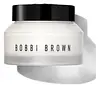
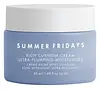
Bobbi Brown Hydrating Water Fresh Cream Versus Summer Fridays Rich Cushion Cream Ultra Plumping Moisturizer
This barrier-repair moisturizer is formulated around Butyrospermum Parkii Butter and Sodium Hyaluronate to strengthen the skin barrier and hydrate skin.
This barrier-repair moisturizer is formulated around Helianthus Annuus Seed Oil and Hyaluronic Acid to strengthen the skin barrier and hydrate skin.

What's inside
What's inside
 Key Ingredients
Benefits
Concerns
Ingredients Side-by-side
Water
Skin ConditioningGlycerin
Humectant


Butyrospermum Parkii Butter
Skin Conditioning




Caprylic/Capric/Myristic/Stearic Triglyceride
EmollientButylene Glycol
Humectant
Neopentyl Glycol Diheptanoate
EmollientAlgae Extract
Emollient
Tocopheryl Acetate
Antioxidant


Sodium Hyaluronate
Humectant


Helianthus Annuus Seedcake
Abrasive
Glycine Soja Seed Extract
Skin Conditioning

Citrullus Lanatus Fruit Extract
Skin Conditioning
Salvia Sclarea Extract
AntiseborrhoeicLens Esculenta Fruit Extract
Skin ConditioningPyrus Malus Fruit Extract
Skin Conditioning
Hordeum Vulgare Extract
EmollientCamellia Japonica Flower Extract
EmollientLactobacillus Ferment
Skin Conditioning
Propylene Glycol Dicaprate
EmollientPolyacrylate Crosspolymer-6
Emulsion StabilisingSorbitol
Humectant
Sodium Polyaspartate
HumectantLecithin
Emollient
Trehalose
Humectant
Coco-Caprylate/Caprate
Emollient
Rosmarinus Officinalis Leaf Water
MaskingSodium Lactate
Buffering
Cucumis Sativus Fruit Extract
Emollient
T-Butyl Alcohol
Perfuming



Sodium PCA
Humectant
Hydroxyethyl Urea
Humectant
C9-12 Alkane
SolventSodium Acrylates Copolymer
Propanediol
Solvent
Citric Acid
Buffering
Disodium EDTA
ChelatingPotassium Sorbate
Preservative
Sodium Benzoate
Masking
Chlorphenesin
Antimicrobial
Phenoxyethanol
Preservative
Water, Glycerin, Butyrospermum Parkii Butter, Caprylic/Capric/Myristic/Stearic Triglyceride, Butylene Glycol, Neopentyl Glycol Diheptanoate, Algae Extract, Tocopheryl Acetate, Sodium Hyaluronate, Helianthus Annuus Seedcake, Glycine Soja Seed Extract, Citrullus Lanatus Fruit Extract, Salvia Sclarea Extract, Lens Esculenta Fruit Extract, Pyrus Malus Fruit Extract, Hordeum Vulgare Extract, Camellia Japonica Flower Extract, Lactobacillus Ferment, Propylene Glycol Dicaprate, Polyacrylate Crosspolymer-6, Sorbitol, Sodium Polyaspartate, Lecithin, Trehalose, Coco-Caprylate/Caprate, Rosmarinus Officinalis Leaf Water, Sodium Lactate, Cucumis Sativus Fruit Extract, T-Butyl Alcohol, Sodium PCA, Hydroxyethyl Urea, C9-12 Alkane, Sodium Acrylates Copolymer, Propanediol, Citric Acid, Disodium EDTA, Potassium Sorbate, Sodium Benzoate, Chlorphenesin, Phenoxyethanol
Water
Skin ConditioningHelianthus Annuus Seed Oil
Emollient
Glycerin
Humectant
Ethylhexyl Palmitate
Emollient
Glyceryl Stearate
Emollient
Isopropyl Myristate
Emollient
Cetyl Alcohol
Emollient
Betaine
Humectant
Hyaluronic Acid
Humectant
Citrullus Lanatus Fruit Extract
Skin Conditioning
Pyrus Malus Fruit Extract
Skin Conditioning
Lens Esculenta Fruit Extract
Skin ConditioningSimmondsia Chinensis Seed Oil
Emollient
Persea Gratissima Oil
Skin Conditioning
Carthamus Tinctorius Seed Oil
Masking
Squalane
Emollient
Saccharide Isomerate
Humectant
Chamomilla Recutita Flower Extract
Masking
Bisabolol
Antioxidant
Allantoin
Skin Conditioning
Centella Asiatica Extract
Cleansing
Salicornia Herbacea Extract
Skin ConditioningKappaphycus Alvarezii Extract
Skin Conditioning
Caesalpinia Spinosa Fruit Extract
Skin ProtectingResveratrol
Antioxidant
Tetrahexyldecyl Ascorbate
Antioxidant

Tocopherol
Antioxidant
Tocopheryl Acetate
Antioxidant
Panthenol
Skin Conditioning
Sodium PCA
Humectant
Sodium Lactate
Buffering
Caprylic/Capric Triglyceride
Masking
Ethylhexylglycerin
Skin ConditioningGlyceryl Laurate
Emollient
Stearic Acid
Cleansing
Palmitic Acid
Emollient
Hydroxypropyl Cyclodextrin
MaskingCaprylyl Glycol
Emollient
Sodium Citrate
BufferingGlyceryl Stearate Citrate
Emollient
Glyceryl Caprylate
EmollientPotassium Sorbate
Preservative
Citric Acid
Buffering
Sodium Hydroxide
BufferingXanthan Gum
EmulsifyingAcrylates/C10-30 Alkyl Acrylate Crosspolymer
Emulsion StabilisingSodium Benzoate
Masking
Water, Helianthus Annuus Seed Oil, Glycerin, Ethylhexyl Palmitate, Glyceryl Stearate, Isopropyl Myristate, Cetyl Alcohol, Betaine, Hyaluronic Acid, Citrullus Lanatus Fruit Extract, Pyrus Malus Fruit Extract, Lens Esculenta Fruit Extract, Simmondsia Chinensis Seed Oil, Persea Gratissima Oil, Carthamus Tinctorius Seed Oil, Squalane, Saccharide Isomerate, Chamomilla Recutita Flower Extract, Bisabolol, Allantoin, Centella Asiatica Extract, Salicornia Herbacea Extract, Kappaphycus Alvarezii Extract, Caesalpinia Spinosa Fruit Extract, Resveratrol, Tetrahexyldecyl Ascorbate, Tocopherol, Tocopheryl Acetate, Panthenol, Sodium PCA, Sodium Lactate, Caprylic/Capric Triglyceride, Ethylhexylglycerin, Glyceryl Laurate, Stearic Acid, Palmitic Acid, Hydroxypropyl Cyclodextrin, Caprylyl Glycol, Sodium Citrate, Glyceryl Stearate Citrate, Glyceryl Caprylate, Potassium Sorbate, Citric Acid, Sodium Hydroxide, Xanthan Gum, Acrylates/C10-30 Alkyl Acrylate Crosspolymer, Sodium Benzoate
Reviews
Ingredients Explained
These ingredients are found in both products.
Ingredients higher up in an ingredient list are typically present in a larger amount.
Citric Acid is an alpha hydroxy acid (AHA) naturally found in citrus fruits like oranges, lemons, and limes.
Like other AHAs, citric acid can exfoliate skin by breaking down the bonds that hold dead skin cells together. This helps reveal smoother and brighter skin underneath.
However, this exfoliating effect only happens at high concentrations (20%) which can be hard to find in cosmetic products.
Due to this, citric acid is usually included in small amounts as a pH adjuster. This helps keep products slightly more acidic and compatible with skin's natural pH.
In skincare formulas, citric acid can:
While it can provide some skin benefits, research shows lactic acid and glycolic acid are generally more effective and less irritating exfoliants.
Most citric acid used in skincare today is made by fermenting sugars (usually from molasses). This synthetic version is identical to the natural citrus form but easier to stabilize and use in formulations.
Rosacea skin has a lower threshold for acids generally, with 62.5% of rosacea subjects in one study reacting to lactic acid in a sting test. This is why we mark citric acid as a potential rosacea trigger.
However, this ingredient shows up as a pH adjuster or chelator at roughly 0.1-1% in many products. These low levels are unlikely to be an issue for rosacea skin and becomes a potential trigger at exfoliating concentrations (20%). Because everybody's skin is unique, we recommend a patch test if you are unsure.
Learn more about Citric AcidCitrullus Lanatus Fruit Extract comes from the watermelon. Watermelon has antioxidant and anti-inflammatory properties.
Watermelons are rich in antioxidants such as Vitamin A, Vitamin C and lycopene. It also contains sugars and amino acids, such as arginine and glutathione.
Lycopene is a potent antioxidant. Besides helping to protect your skin against free-radical molecules, it also helps soothe the skin. Lycopene gives watermelon the distinct red color.
Learn more about Citrullus Lanatus Fruit ExtractGlycerin (or glycerol) is a compound naturally found in your skin. It's a powerhouse humectant that pulls water into the stratum corneum.
Topically, glycerin does several things at once:
Your skin makes glycerin on its own (mostly from sebaceous oil breakdown) and shuttles it to your outermost layer of skin, or your epidermis, via aquaporin-3.
Aquaporin-3 is a transporter that is essential for normal skin hydration, elasticity, and repair. Interestingly, mice lacking in AQP3 have dry and less elastic skin that can be fully corrected with glycerin.
This ingredient is non-irritating, plays well with almost every ingredient, and works across all skin types. Typical use is anywhere between 3-10% but can go up to 79% in some leave-on products.
Just know very high concentrations (>40%) can feel tacky in low humidity.
Glycerin is the name for this ingredient in American English. British English uses Glycerol/Glycerine.
Learn more about GlycerinWe don't have a description for Lens Esculenta Fruit Extract yet.
Potassium Sorbate is a preservative used to prevent yeast and mold in products. It is commonly found in both cosmetic and food products.
This ingredient comes from potassium salt derived from sorbic acid. Sorbic acid is a natural antibiotic and effective against fungus.
Both potassium sorbate and sorbic acid can be found in baked goods, cheeses, dried meats, dried fruit, ice cream, pickles, wine, yogurt, and more.
You'll often find this ingredient used with other preservatives.
Learn more about Potassium SorbatePyrus Malus Fruit Extract is extract from Apples. Apples are rich in Vitamin C, sugars, and antioxidants.
The sugar in Apples are humectants and help hydrate the skin. On top of that, apples also contain some acids, such as malic acid. These acids may have a mild exfoliating effect.
Last, the phytochemicals found in apples are strong antioxidants. These antioxidants help with anti-aging as they protect your skin cells against oxidative damage.
Learn more about Pyrus Malus Fruit ExtractSodium Benzoate is a preservative. It's used in both cosmetic and food products to inhibit the growth of mold and bacteria. It is typically produced synthetically.
Both the US FDA and EU Health Committee have approved the use of sodium benzoate. In the US, levels of 0.1% (of the total product) are allowed.
Sodium benzoate works as a preservative by inhibiting the growth of bacteria inside of cells. It prevents the cell from fermenting a type of sugar using an enzyme called phosphofructokinase.
It is the salt of benzoic acid. Foods containing sodium benzoate include soda, salad dressings, condiments, fruit juices, wines, and snack foods.
Studies for using ascorbic acid and sodium benzoate in cosmetics are lacking, especially in skincare routines with multiple steps.
We always recommend speaking with a professional, such as a dermatologist, if you have any concerns.
Learn more about Sodium BenzoateSodium Lactate is the sodium salt of lactic acid, an AHA. It is a humectant and sometimes used to adjust the pH of a product.
This ingredient is part of our skin's NMF, or natural moisturizing factor. Our NMF is essential for the hydration of our top skin layers and plasticity of skin. NMF also influences our skin's natural acid mantle and pH, which protects our skin from harmful bacteria.
High percentages of Sodium Lactate can have an exfoliating effect.
Fun fact: Sodium Lactate is produced from fermented sugar.
Learn more about Sodium LactateSodium PCA (the salt of PCA) is one of the most well-established humectants in skincare.
Why is it so special? Your skin already makes it naturally; it's a natural component of your skin's Natural Moisturizing Factor (NMF), or the mix of water-binding compounds inside your skin cells that keeps things soft and hydrated.
As a cosmetic ingredient, it grabs water and holds it in the upper layers of skin to smooth roughness and ease dehydration.
There's some clinical support for the NMF approach with a study showing that a cream built to mimic the skin's NMF significantly boosted hydration.
Safety-wise, this ingredient non-irritating, non-comedogenic, and non-phototoxic in testing, with minimal skin absorption.
It also works really well with other hydrators like glycerin or hyaluronic acid, and typical usage is somewhere between 0.2-4%.
Learn more about Sodium PCATocopheryl Acetate is a stable, shelf-friendly form of vitamin E.
Formulators love it because plain vitamin E oxidizes quickly once it hits air. This acetate version stays stable and resists going off, helping to extend a product's shelf life.
It's actually inactive on its own and works like a slow-release "storage" form; the enzymes in your skin called esterases gradually convert it into active vitamin E over time.
One in vivo study showed 5% of the acetate in the living layer of the epidermis converted to vitamin E after 5 days of application. This study also found the skin gained protection against UV damage even though the conversion was slow and small.
Once converted, vitamin E acts as a skin's main fat-soluble antioxidant that fights free radicals to protect skin from damage.
Topical vitamin E generally boosts the skin's photoprotection, and it reduced UV-damage in animal models.
This ingredient has some brightening potential but it's more of a prevention ingredient than spot-fader. Cell studies show it can slow down melanin production but it's worth noting that it's not the most powerful brightener out there.
Overall, it has a pretty solid safety profile and has been found to be non-irritating and non-comedogenic. Allergic reactions may happen but stay rare due to how widely the ingredient gets used.
The concentration will vary depending on the formula; industry data shows 0.1% in baby lotions, 3% in lipsticks, and 5% in foot powders. You can also find this ingredient at 100% in a pure vitamin E oil.
Most leave-on skincare keeps it at the lower end, often between 0.5-1%.
Learn more about Tocopheryl AcetateWater. It's the most common cosmetic ingredient of all. You'll usually see it at the top of ingredient lists, meaning that it makes up the largest part of the product.
So why is it so popular? Water most often acts as a solvent - this means that it helps dissolve other ingredients into the formulation.
You'll also recognize water as that liquid we all need to stay alive. If you see this, drink a glass of water. Remember to stay hydrated!
Learn more about Water

