Summer Fridays Rich Cushion Cream Ultra Plumping Moisturizer Versus Josie Maran Whipped Argan Oil Face Butter
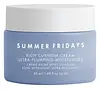
This barrier-repair moisturizer is formulated around Helianthus Annuus Seed Oil and Hyaluronic Acid to strengthen the skin barrier and hydrate skin.
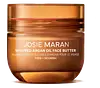
This barrier-repair moisturizer is formulated around Argania Spinosa Kernel Oil and Butyrospermum Parkii Butter to strengthen the skin barrier and hydrate skin.

What's inside
What's inside
 Key Ingredients
Benefits
Concerns
Ingredients Side-by-side
Water
Skin ConditioningHelianthus Annuus Seed Oil
Emollient



Glycerin
Humectant

Ethylhexyl Palmitate
Emollient


Glyceryl Stearate
Emollient
Isopropyl Myristate
Emollient
Cetyl Alcohol
Emollient

Betaine
Humectant
Hyaluronic Acid
Humectant

Citrullus Lanatus Fruit Extract
Skin Conditioning
Pyrus Malus Fruit Extract
Skin Conditioning
Lens Esculenta Fruit Extract
Skin ConditioningSimmondsia Chinensis Seed Oil
Emollient
Persea Gratissima Oil
Skin Conditioning
Carthamus Tinctorius Seed Oil
Masking
Squalane
Emollient
Saccharide Isomerate
Humectant
Chamomilla Recutita Flower Extract
Masking
Bisabolol
Antioxidant
Allantoin
Skin Conditioning
Centella Asiatica Extract
Cleansing
Salicornia Herbacea Extract
Skin ConditioningKappaphycus Alvarezii Extract
Skin Conditioning
Caesalpinia Spinosa Fruit Extract
Skin ProtectingResveratrol
Antioxidant
Tetrahexyldecyl Ascorbate
Antioxidant

Tocopherol
Antioxidant

Tocopheryl Acetate
Antioxidant
Panthenol
Skin Conditioning
Sodium PCA
Humectant
Sodium Lactate
Buffering
Caprylic/Capric Triglyceride
Masking
Ethylhexylglycerin
Skin ConditioningGlyceryl Laurate
Emollient
Stearic Acid
Cleansing
Palmitic Acid
Emollient
Hydroxypropyl Cyclodextrin
MaskingCaprylyl Glycol
Emollient
Sodium Citrate
BufferingGlyceryl Stearate Citrate
Emollient
Glyceryl Caprylate
EmollientPotassium Sorbate
Preservative
Citric Acid
Buffering
Sodium Hydroxide
BufferingXanthan Gum
EmulsifyingAcrylates/C10-30 Alkyl Acrylate Crosspolymer
Emulsion StabilisingSodium Benzoate
Masking
Water, Helianthus Annuus Seed Oil, Glycerin, Ethylhexyl Palmitate, Glyceryl Stearate, Isopropyl Myristate, Cetyl Alcohol, Betaine, Hyaluronic Acid, Citrullus Lanatus Fruit Extract, Pyrus Malus Fruit Extract, Lens Esculenta Fruit Extract, Simmondsia Chinensis Seed Oil, Persea Gratissima Oil, Carthamus Tinctorius Seed Oil, Squalane, Saccharide Isomerate, Chamomilla Recutita Flower Extract, Bisabolol, Allantoin, Centella Asiatica Extract, Salicornia Herbacea Extract, Kappaphycus Alvarezii Extract, Caesalpinia Spinosa Fruit Extract, Resveratrol, Tetrahexyldecyl Ascorbate, Tocopherol, Tocopheryl Acetate, Panthenol, Sodium PCA, Sodium Lactate, Caprylic/Capric Triglyceride, Ethylhexylglycerin, Glyceryl Laurate, Stearic Acid, Palmitic Acid, Hydroxypropyl Cyclodextrin, Caprylyl Glycol, Sodium Citrate, Glyceryl Stearate Citrate, Glyceryl Caprylate, Potassium Sorbate, Citric Acid, Sodium Hydroxide, Xanthan Gum, Acrylates/C10-30 Alkyl Acrylate Crosspolymer, Sodium Benzoate
Water
Skin ConditioningArgania Spinosa Kernel Oil
Emollient
Glyceryl Stearate
Emollient
Glycerin
Humectant
Cetyl Alcohol
Emollient
Butyrospermum Parkii Butter
Skin Conditioning
Dicaprylyl Carbonate
EmollientEthylhexyl Palmitate
Emollient
Hydroxyethyl Acrylate/Sodium Acryloyldimethyl Taurate Copolymer
Emulsion StabilisingCaprylic/Capric Triglyceride
Masking
Xylitylglucoside
Humectant
Aloe Barbadensis Leaf Juice
Skin Conditioning
Anhydroxylitol
Humectant
Sodium Stearoyl Glutamate
CleansingSqualane
Emollient
Xylitol
Humectant
Glyceryl Caprylate
EmollientPolysorbate 60
Emulsifying
Stearic Acid
Cleansing
Glyceryl Undecylenate
Emollient
Cucumis Sativus Fruit Extract
Emollient
Xanthan Gum
EmulsifyingCitric Acid
Buffering
Lysolecithin
EmulsifyingTocopherol
Antioxidant
Citrullus Lanatus Fruit Extract
Skin Conditioning
Phenoxyethanol
Preservative
Sclerotium Gum
Emulsion StabilisingEthylhexylglycerin
Skin ConditioningAllantoin
Skin Conditioning
Potassium Sorbate
Preservative
Sodium Phytate
ChelatingPanthenol
Skin Conditioning
Sodium Hyaluronate
Humectant
Pullulan
Water, Argania Spinosa Kernel Oil, Glyceryl Stearate, Glycerin, Cetyl Alcohol, Butyrospermum Parkii Butter, Dicaprylyl Carbonate, Ethylhexyl Palmitate, Hydroxyethyl Acrylate/Sodium Acryloyldimethyl Taurate Copolymer, Caprylic/Capric Triglyceride, Xylitylglucoside, Aloe Barbadensis Leaf Juice, Anhydroxylitol, Sodium Stearoyl Glutamate, Squalane, Xylitol, Glyceryl Caprylate, Polysorbate 60, Stearic Acid, Glyceryl Undecylenate, Cucumis Sativus Fruit Extract, Xanthan Gum, Citric Acid, Lysolecithin, Tocopherol, Citrullus Lanatus Fruit Extract, Phenoxyethanol, Sclerotium Gum, Ethylhexylglycerin, Allantoin, Potassium Sorbate, Sodium Phytate, Panthenol, Sodium Hyaluronate, Pullulan
Reviews
Ingredients Explained
These ingredients are found in both products.
Ingredients higher up in an ingredient list are typically present in a larger amount.
Allantoin is a soothing ingredient known for its protective and moisturizing properties; it's basically a quiet workhorse ingredient you can find in a huge range of cosmetics.
Though it can be derived from the comfrey plant, allantoin is produced synthetically for cosmetic products to ensure purity.
Research shows it can encourage your skin cells to turn over and renew by stimulating keratinocyte and fibroblast proliferation.
It also has mild keratolytic properties to help loosen and shed dead skin cells without being harsh.
Studies also suggest allantoin can help calm inflammation by dialing down some of the chemical signals your skin sends out when it is irritated.
This ingredient is typically used in the 0.1-0.5% range, and the FDA recognizes it as a skin protectant in OTC products up to 2%.
Overall, allantoin is a wonderful addition to most routines; it is stable across a wide pH range (~4-8), works well with other ingredients, and is considered non-sensitizing/non-irritating.
Fun fact: Allantoin is naturally occurring in comfrey root, beets, chamomile, and wheat sprouts. Our bodies even produce it as a byproduct of uric acid metabolism.
Learn more about AllantoinCaprylic/Capric Triglyceride (aka MCT Oil) is a lightweight emollient, solvent, and texture enhancer. It is considered a skin-softener by helping to prevent moisture loss.
Though it behaves like an oil, it is not technically one due to its chemical composition. One perk of this ingredient is that it is very stable, resistant to oxidation, and unlikely to go rancid.
In practice, that translates to a long shelf life and a consistently elegant skin feel.
While there is an assumption Caprylic Triglyceride can clog pores due to it being derived from coconut oil, there is no research supporting this. Just patch test if you have concerns.
Fractionated coconut oil and MCT Oil are both listed as Caprylic/Capric Triglyceride according to INCI. This is because INCI names are based on the ingredient’s final chemical composition and not its marketing name or source.
This ingredient is treated as the gold standard fungal acne safe oil. Even though it is coconut derived, the problematic lauric acid is stripped out.
This leaves just caprylic (C8) and capric (C10) acid. These chain lengths actually trend antifungal; a 2020 study found caprylic acid was enough to disrupt Malassezia furfur cell membrane, with a caprylic acid derivative damaging membrane structures at concentrations as low as 0.2%.
Learn more about Caprylic/Capric TriglycerideCetyl Alcohol is a fatty alcohol. Fatty Alcohols are most often used as an emollient or to thicken a product.
Its main roles are:
Though it has "alcohol" in the name, it is not related to denatured alcohol or ethyl alcohol.
The FDA allows products labeled "alcohol-free" to have fatty alcohols.
This ingredient may not be fungal acne safe. It is a primary fatty alcohol with a chain length above 12 carbons. A study from 2019 show Malassezia can feed on fatty alcohols in this range, so it may trigger fungal acne in those prone to it.
Learn more about Cetyl AlcoholCitric Acid is an alpha hydroxy acid (AHA) naturally found in citrus fruits like oranges, lemons, and limes.
Like other AHAs, citric acid can exfoliate skin by breaking down the bonds that hold dead skin cells together. This helps reveal smoother and brighter skin underneath.
However, this exfoliating effect only happens at high concentrations (20%) which can be hard to find in cosmetic products.
Due to this, citric acid is usually included in small amounts as a pH adjuster. This helps keep products slightly more acidic and compatible with skin's natural pH.
In skincare formulas, citric acid can:
While it can provide some skin benefits, research shows lactic acid and glycolic acid are generally more effective and less irritating exfoliants.
Most citric acid used in skincare today is made by fermenting sugars (usually from molasses). This synthetic version is identical to the natural citrus form but easier to stabilize and use in formulations.
Rosacea skin has a lower threshold for acids generally, with 62.5% of rosacea subjects in one study reacting to lactic acid in a sting test. This is why we mark citric acid as a potential rosacea trigger.
However, this ingredient shows up as a pH adjuster or chelator at roughly 0.1-1% in many products. These low levels are unlikely to be an issue for rosacea skin and becomes a potential trigger at exfoliating concentrations (20%). Because everybody's skin is unique, we recommend a patch test if you are unsure.
Learn more about Citric AcidCitrullus Lanatus Fruit Extract comes from the watermelon. Watermelon has antioxidant and anti-inflammatory properties.
Watermelons are rich in antioxidants such as Vitamin A, Vitamin C and lycopene. It also contains sugars and amino acids, such as arginine and glutathione.
Lycopene is a potent antioxidant. Besides helping to protect your skin against free-radical molecules, it also helps soothe the skin. Lycopene gives watermelon the distinct red color.
Learn more about Citrullus Lanatus Fruit ExtractEthylhexyl Palmitate, also known as octyl palmitate, is created from 2-ethylhexyl alcohol and palmitic acid.
In cosmetics, it plays many roles:
One thing worth noting: a controlled study found this ingredient applied under occlusion to acne-prone subjects increased microcomedones. Just keep in mind this was under occlusive conditions and don't reflect how most products are used day-to-day.
For most people, this is a well-tolerated and lightweight ingredient.
This ingredient may not be fungal acne safe because it is an ester of palmitic acid, a C16 fatty acid that falls within the C11-24 range that Malassezia can metabolize.
You'll see this one rated 4 comedogenic all over the internet. That number isn't from a single study, and the actual research is more interesting.
The original rating comes from 1980s rabbit ear tests (which are a shaky basis for anything). But Ethylhexyl Palmitate is one of the few ingredients with real human data behind it. A 2021 controlled trial found this ingredient increased microcomedones by an average of 365% over four weeks.
Just know that test used the pure ingredient under an occlusive pad on back skin; most products use it at much lower levels alongside other ingredients and plenty of people use those with no issue.
Learn more about Ethylhexyl PalmitateEthylhexylglycerin is created from glycerin. It is a multitasker ingredient that:
The CIR Expert Panel found minimal skin absorption or sensitization of any kind in a safety assessment. Though this ingredient is considered well-tolerated, a small number of cases of allergic dermatitis have been published since 2002. Just be sure to patch test if you are unsure.
Industry-reported use ranges from 8% in rinse-off products and 2% in leave-on formulations.
Learn more about EthylhexylglycerinGlycerin (or glycerol) is a compound naturally found in your skin. It's a powerhouse humectant that pulls water into the stratum corneum.
Topically, glycerin does several things at once:
Your skin makes glycerin on its own (mostly from sebaceous oil breakdown) and shuttles it to your outermost layer of skin, or your epidermis, via aquaporin-3.
Aquaporin-3 is a transporter that is essential for normal skin hydration, elasticity, and repair. Interestingly, mice lacking in AQP3 have dry and less elastic skin that can be fully corrected with glycerin.
This ingredient is non-irritating, plays well with almost every ingredient, and works across all skin types. Typical use is anywhere between 3-10% but can go up to 79% in some leave-on products.
Just know very high concentrations (>40%) can feel tacky in low humidity.
Glycerin is the name for this ingredient in American English. British English uses Glycerol/Glycerine.
Learn more about GlycerinGlyceryl Caprylate comes from glycerin and caprylic acid. It is an emollient, co-emulsifier, and preservative booster.
Its short C8 fatty acid chain makes it behave differently from its longer-chain emollient cousins like Glyceryl Stearate. It feels more lightweight, fast-absorbing, and silky instead of rich and waxy.
As a co-emulsifier, its "head" and "tail" sit at the oil-water interface. But overall, the short C8 tail and not being water soluble means it doesn't really have the muscle to emulsify a formula on its own. That's why you'll often see it paired with a primary emulsifier like Cetearyl Glucoside.
Interestingly, Glyceryl Caprylate acts as a preservative booster. This is because its fatty-acid backbone disrupts microbial lipid membranes. It shows excellent activity against bacteria and yeast but is weaker against mold.
Typical concentrations range from 0.5-1% and this ingredient is generally non-irritating.
Because this ingredient has a C8 fatty acid chain, it is outside the range that the Malassezia yeast metabolizes (making it fungal acne safe).
Learn more about Glyceryl CaprylateGlyceryl Stearate is made by reacting glycerin with stearic acid (typically sourced from plant oils like palm or coconut). It's an emulsifier, emollient, and mild occlusive.
Emulsifiers help ingredients like oil and water stay mixed so your formula stays nicely blended and uniform in texture.
This ingredient is typically used in concentrations between 1-10%. Studies have found it to be non-sensitizing, non-phototoxic, and non-photoallergenic.
A close cousin of this ingredient is Glyceryl Stearate SE ("self-emulsifying"). This just has a small amount of sodium or potassium stearate added so it can emulsify without a co-emulsifier.
Since this ingredient is an ester of a C18 fatty acid, it may not be fungal acne safe. The Malassezia yeast can potentially metabolize within the C11-C24 range.
Fun fact: The human body also creates Glyceryl Stearate naturally.
Learn more about Glyceryl StearatePanthenol is a common ingredient that helps hydrate and soothe the skin. It is found naturally in our skin and hair.
There are two forms of panthenol: D and L.
D-panthenol is also known as dexpanthenol. Most cosmetics use dexpanthenol or a mixture of D and L-panthenol.
Panthenol is famous due to its ability to go deeper into the skin's layers. Using this ingredient has numerous pros (and no cons):
Like hyaluronic acid, panthenol is a humectant. Humectants are able to bind and hold large amounts of water to keep skin hydrated.
This ingredient works well for wound healing. It works by increasing tissue in the wound and helps close open wounds.
Once oxidized, panthenol converts to pantothenic acid. Panthothenic acid is found in all living cells.
This ingredient is also referred to as pro-vitamin B5.
Learn more about PanthenolPotassium Sorbate is a preservative used to prevent yeast and mold in products. It is commonly found in both cosmetic and food products.
This ingredient comes from potassium salt derived from sorbic acid. Sorbic acid is a natural antibiotic and effective against fungus.
Both potassium sorbate and sorbic acid can be found in baked goods, cheeses, dried meats, dried fruit, ice cream, pickles, wine, yogurt, and more.
You'll often find this ingredient used with other preservatives.
Learn more about Potassium SorbateSqualane is the hydrogenated and shelf-stable form of squalene (a lipid that naturally occurs in human sebum).
It is an emollient and skin conditioning agent that is able to integrate seamlessly into the skin's lipid barrier without clogging pores.
This is due to how structurally similar it is to what your skin already produces.
Though it is mostly an emollient that helps soften and hydrate skin, it also has some humectant and occlusive action. Humectants help the skin retain moisture while occlusives seal it in, making squalane a triple-threat moisturizer.
Research shows it has antioxidant capabilities that help protect against stressors like UV exposure, specifically UVA induced oxidative stress. This study also found that it supports collagen biosynthesis in human dermal fibroblasts.
No clinical study has reported significant adverse effects and irritation reactions are very rare from this ingredient (even at 100% concentration).
Overall, it's a fantastic ingredient for hydration and is suitable for all skin types.
This depends on the source. Squalane can be derived from both plants and animals. Most squalane used in skincare comes from plants.
Please note: the source of squalane is only known if disclosed by the brand. We recommend reaching out to the brand if you have any questions about their squalane.
Read more about squalene with an "e".
Though squalane is often called an oil, it’s technically not one. It is a hydrocarbon, meaning it is only made of carbon and hydrogen. True oils are triglycerides and made of fatty acids and glycerol.
The term “oil-free” isn’t regulated so companies can define it however they want. Some exclude all oils, while others just avoid mineral oil or comedogenic oils.
Squalane has a comedogenic rating of 1 from the original 1972 study that tested raw ingredients under occlusion on rabbit ears. This system is not standardized or peer-reviewed, and using the raw ingredients is very different from how diluted cosmetic formulations are used on human skin.
A comedogenic rating of 1 means it is "unlikely to clog pores" according to the original rating system.
The overall formula of a product matters more than the individual ingredients on whether or not it will cause clogged pores.
Learn more about SqualaneStearic Acid is a fatty acid that is already found in your skin. It's one of the free fatty acids that works alongside ceramides and cholesterols to maintain your barrier.
In cosmetics, it is a multitasker:
Safety-wise, the CIR Expert Panel has concluded it to be safe in cosmetics when formulated to be non-irritating and non-sensitizing.
Free stearic acid is a C18 fatty acid that the Malassezia yeast can substrate, so this ingredient may not be fungal acne safe.
This ingredient does have a comedogenic rating of 2-3, but this doesn't mean a formula with this ingredient will clog pores.
Human testing has proved that any finished product with this ingredient won't automatically make you break out; it really comes down to concentration, formula, and your skin.
Learn more about Stearic AcidTocopherol is a fat-soluble antioxidant known as Vitamin E.
You'll find this ingredient in the vast majority of skincare (for good reason). It works to neutralize free radicals, or unstable molecules generated by UV exposure, pollution, and other environmental stressors, before they can cause oxidative damage to your skin cells.
Topically applied tocopherol has been shown to protect against UV damage by ramping up the skin's own natural defense enzymes.
It also acts as a skin conditioning agent; some studies show that regular topical use can improve the skin's water-binding capacity over 2-4 weeks.
This ingredient is especially loved for being a team player. When combined with Vitamin C, the photoprotective effect of both ingredients roughly doubles and the combo also helps reduce UV-induced DNA damage.
This ingredient has some brightening potential but it's more of a prevention ingredient than spot-fader. Cell studies show it can slow down melanin production but it's worth noting that it's not the most powerful brightener out there.
In formulations, it also serves as a stabilizer that helps protect other oxidation-prone ingredients from degrading.
Concentrations usually range from 0.1-1% in most leave-on products.
Learn more about TocopherolWater. It's the most common cosmetic ingredient of all. You'll usually see it at the top of ingredient lists, meaning that it makes up the largest part of the product.
So why is it so popular? Water most often acts as a solvent - this means that it helps dissolve other ingredients into the formulation.
You'll also recognize water as that liquid we all need to stay alive. If you see this, drink a glass of water. Remember to stay hydrated!
Learn more about WaterXanthan gum is used as a stabilizer and thickener within cosmetic products. It helps give products a sticky, thick feeling - preventing them from being too runny.
On the technical side of things, xanthan gum is a polysaccharide - a combination consisting of multiple sugar molecules bonded together.
Xanthan gum is a pretty common and great ingredient. It is a natural, non-toxic, non-irritating ingredient that is also commonly used in food products.
Learn more about Xanthan Gum

