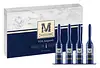
This smoothing ampoule is formulated around Acetyl Hexapeptide-8 and Palmitoyl Pentapeptide-4 to refine skin texture and soften the look of wrinkles.
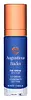
This barrier-repair moisturizer is formulated around Hydrogenated Phosphatidylcholine and Panthenol to strengthen the skin barrier and hydrate skin.


What's inside
What's inside
 Key Ingredients
Benefits
Concerns
Ingredients Side-by-side
Water
Skin ConditioningButylene Glycol
Humectant

Propylene Glycol Dicaprylate/Dicaprate
EmollientHydrolyzed Sponge
Skin ConditioningCetyl Ethylhexanoate
EmollientGlycerin
Humectant
1,2-Hexanediol
Skin Conditioning
Cetearyl Alcohol
Emollient






Macadamia Ternifolia Seed Oil
Emollient
Butyrospermum Parkii Butter
Skin Conditioning
Dimethicone
Emollient
Polyglutamic Acid
Skin Conditioning
Sorbitan Stearate
Emulsifying
Polysorbate 60
Emulsifying
Glyceryl Stearate
Emollient
PEG-100 Stearate
Surfactant
Cyclopentasiloxane
Emollient
Panthenol
Skin Conditioning
Simmondsia Chinensis Seed Oil
Emollient
Asparagus Officinalis Extract
Skin ConditioningHydrogenated Starch Hydrolysate
HumectantCyclohexasiloxane
Emollient
Glycosyl Trehalose
Emulsion StabilisingParfum
Masking


Arginine
Masking
Acrylates/C10-30 Alkyl Acrylate Crosspolymer
Emulsion StabilisingNelumbo Nucifera Callus Culture Extract
Antimicrobial
Beta-Glucan
Skin Conditioning
Portulaca Oleracea Extract
Skin Conditioning
Paeonia Suffruticosa Root Extract
Skin ProtectingEthylhexylglycerin
Skin ConditioningTocopheryl Acetate
Antioxidant

Chondrus Crispus Powder
Abrasive
Allantoin
Skin Conditioning
Agar
MaskingCI 77891
Cosmetic ColorantSynthetic Fluorphlogopite
CI 77491
Cosmetic ColorantMica
Cosmetic ColorantAmmonium Acryloyldimethyltaurate/Vp Copolymer
Scutellaria Baicalensis Root Extract
Astringent
Coptis Japonica Root Extract
Skin ConditioningPhellodendron Amurense Bark Extract
Skin ConditioningRheum Palmatum Root Extract
Astringent
Bletilla Striata Root Extract
Skin ConditioningSodium Hyaluronate
Humectant

Xanthan Gum
EmulsifyingDisodium EDTA
ChelatingGlycine
Buffering
Serine
Masking
Glutamic Acid
Humectant
Aspartic Acid
Masking
Leucine
Skin ConditioningAlgin
MaskingPectin
Emulsion StabilisingGellan Gum
Alanine
Masking
Lysine
Skin ConditioningTyrosine
MaskingPhenylalanine
Masking
Threonine
Proline
Skin Conditioning
Valine
MaskingIsoleucine
Skin ConditioningCeramide NP
Skin Conditioning
Citric Acid
Buffering
Histidine
Humectant
Methionine
Skin ConditioningCysteine
Antioxidant
Alanine/Histidine/Lysine Polypeptide Copper Hcl
Skin Conditioning
Acetyl Hexapeptide-8
Humectant
Palmitoyl Pentapeptide-4
Skin Conditioning
Sh-Oligopeptide-1
Skin Conditioning
Sh-Polypeptide-1
Skin Conditioning
Water, Butylene Glycol, Propylene Glycol Dicaprylate/Dicaprate, Hydrolyzed Sponge, Cetyl Ethylhexanoate, Glycerin, 1,2-Hexanediol, Cetearyl Alcohol, Macadamia Ternifolia Seed Oil, Butyrospermum Parkii Butter, Dimethicone, Polyglutamic Acid, Sorbitan Stearate, Polysorbate 60, Glyceryl Stearate, PEG-100 Stearate, Cyclopentasiloxane, Panthenol, Simmondsia Chinensis Seed Oil, Asparagus Officinalis Extract, Hydrogenated Starch Hydrolysate, Cyclohexasiloxane, Glycosyl Trehalose, Parfum, Arginine, Acrylates/C10-30 Alkyl Acrylate Crosspolymer, Nelumbo Nucifera Callus Culture Extract, Beta-Glucan, Portulaca Oleracea Extract, Paeonia Suffruticosa Root Extract, Ethylhexylglycerin, Tocopheryl Acetate, Chondrus Crispus Powder, Allantoin, Agar, CI 77891, Synthetic Fluorphlogopite, CI 77491, Mica, Ammonium Acryloyldimethyltaurate/Vp Copolymer, Scutellaria Baicalensis Root Extract, Coptis Japonica Root Extract, Phellodendron Amurense Bark Extract, Rheum Palmatum Root Extract, Bletilla Striata Root Extract, Sodium Hyaluronate, Xanthan Gum, Disodium EDTA, Glycine, Serine, Glutamic Acid, Aspartic Acid, Leucine, Algin, Pectin, Gellan Gum, Alanine, Lysine, Tyrosine, Phenylalanine, Threonine, Proline, Valine, Isoleucine, Ceramide NP, Citric Acid, Histidine, Methionine, Cysteine, Alanine/Histidine/Lysine Polypeptide Copper Hcl, Acetyl Hexapeptide-8, Palmitoyl Pentapeptide-4, Sh-Oligopeptide-1, Sh-Polypeptide-1
Water
Skin ConditioningCaprylic/Capric Triglyceride
Masking
Pentylene Glycol
Skin Conditioning
Propylene Glycol
Humectant
Hydrogenated Phosphatidylcholine
Emulsifying
Glycerin
Humectant
Sorbitol
Humectant
Tocopheryl Acetate
Antioxidant
Butyrospermum Parkii Butter
Skin Conditioning
Xanthan Gum
EmulsifyingButylene Glycol
Humectant
Panthenol
Skin Conditioning
Sodium Carbomer
Emulsion StabilisingAloe Barbadensis Leaf Juice
Skin Conditioning
Alcohol
Antimicrobial

Hydrolyzed Rice Protein
Skin ConditioningSqualane
Emollient
Helianthus Annuus Seed Oil
Emollient
Phenoxyethanol
Preservative
Sodium Hydroxide
BufferingCarbomer
Emulsion StabilisingLecithin
Emollient
Cholesterol
Emollient
Hydrogenated Lecithin
Emulsifying
Ascorbyl Palmitate
Antioxidant
Ceramide NP
Skin Conditioning
Glycine Soja Protein
EmulsifyingSuperoxide Dismutase
Antioxidant
Citric Acid
Buffering
Dextran
Palmitoyl Tripeptide-8
Skin Conditioning
Alanyl Glutamine
HumectantArginine
Masking
Ceramide Ng
Skin Conditioning
Glycine
Buffering
Lysine
Skin ConditioningOleic Acid
Emollient
Palmitic Acid
Emollient
Phenylalanine
Masking
Proline
Skin Conditioning
Scenedesmus Rubescens Extract
Skin ConditioningAscorbic Acid
Antioxidant
Retinyl Palmitate
Skin Conditioning
Sodium Benzoate
Masking
Potassium Sorbate
Preservative
Ethylhexylglycerin
Skin ConditioningSodium Dextran Sulfate
Gel FormingBetula Alba Oil
Masking
Disodium EDTA
ChelatingOligopeptide-177
Sodium Ascorbate
Antioxidant
Tocopherol
Antioxidant
Water, Caprylic/Capric Triglyceride, Pentylene Glycol, Propylene Glycol, Hydrogenated Phosphatidylcholine, Glycerin, Sorbitol, Tocopheryl Acetate, Butyrospermum Parkii Butter, Xanthan Gum, Butylene Glycol, Panthenol, Sodium Carbomer, Aloe Barbadensis Leaf Juice, Alcohol, Hydrolyzed Rice Protein, Squalane, Helianthus Annuus Seed Oil, Phenoxyethanol, Sodium Hydroxide, Carbomer, Lecithin, Cholesterol, Hydrogenated Lecithin, Ascorbyl Palmitate, Ceramide NP, Glycine Soja Protein, Superoxide Dismutase, Citric Acid, Dextran, Palmitoyl Tripeptide-8, Alanyl Glutamine, Arginine, Ceramide Ng, Glycine, Lysine, Oleic Acid, Palmitic Acid, Phenylalanine, Proline, Scenedesmus Rubescens Extract, Ascorbic Acid, Retinyl Palmitate, Sodium Benzoate, Potassium Sorbate, Ethylhexylglycerin, Sodium Dextran Sulfate, Betula Alba Oil, Disodium EDTA, Oligopeptide-177, Sodium Ascorbate, Tocopherol
Reviews
Ingredients Explained
These ingredients are found in both products.
Ingredients higher up in an ingredient list are typically present in a larger amount.
Arginine is a semi-essential amino acid. This just means our bodies can product a bit on its own, but sometimes needs a little boost from food sources.
It is a part of your skin's natural moisturizing factor (NMF), or the water-loving molecules in your outermost layer of skin (stratum corneum) that keeps everything hydrated and happy.
Here's an interesting thing about Arginine: your skin converts it into urea through the Krebs-Henseleit urea cycle. Urea is one of the most effective humectants your skin naturally produces.
A clinical study showed applying 2.5% arginine hydrochloride to atopic dermatitis skin showed significant urea levels in the stratum corneum and improved moisture in just four weeks.
Arginine is also a precursor to nitric oxide; nitric oxide improves microcirculation and supports wound healing and collagen synthesis.
One study found that an amino acid complex containing Arginine reduced skin irritation, improved hydration, and accelerated skin repair in clinical / in-vivo studies.
Arginine itself is an amino acid and not a fatty acid, oil, or ester. On its own, it's not a direct food source for Malassezia, or the yeast that causes fungal acne.
Learn more about ArginineButylene Glycol (or BG) is used within cosmetic products for a few different reasons:
Overall, Butylene Glycol is a safe and well-rounded ingredient that works well with other ingredients.
Though this ingredient works well with most skin types, some people with sensitive skin may experience a reaction such as allergic rashes, closed comedones, or itchiness.
Learn more about Butylene GlycolThis ingredient is also known as shea butter. It is a plant-derived extract from the nuts of the Africa shea tree and one of the most well-studied emollients.
Because it has a high concentration of fatty acids (primarily oleic, stearic, and linoleic) it is able to form a protective barrier on the skin's surface. This helps seal in moisture and prevents transepidermal water loss (TEWL).
In vitro research found an increase in skin hydration by 58% and a decrease in TEWL by 37.8% after 24 hours of applying this ingredient (pretty impressive for a single ingredient!).
Besides hydration, shea butter also contains triterpenes that have anti-inflammatory potential. In particule, lupeol cinnamate has shown the highest anti-inflammatory activity in vivo.
Shea butter also contains vitamins A and E which may contribute to antioxidant activity.
While Shea Butter has an SPF rating of about 3-4, it is not a sunscreen replacement.
This ingredient may not be fungal acne safe because its fatty acids fall within the C11-C24 range that the Malassezia yeast can metabolize.
This ingredient shows up on a lot of "pore-clogging" lists but there's no real evidence behind that. It doesn't even have a comedogenic rating from an actual study; the numbers you'll find online come from blogs citing other blogs.
Ratings for other ingredients mostly come from a 1980s rabbit ear test. This test doesn't translate well to human skin or to real products because the ingredient sits at a much lower percentage.
Some people still find it breaks them out. So if that's you, definitely trust your skin. Just know this one's based on experience and not evidence.
Learn more about Butyrospermum Parkii ButterCeramide NP (formerly known as Ceramide 3) is one of the skin's naturally occurring lipids.
Since ceramides are the major lipid components of the skin, they are crucial for maintaining skin barrier and hydration. Ceramide NP most closely mirrors the dominant kind in human skin amongst ceramide subtypes.
This ceramide works by slotting into gaps within the stratum corneum's lipid matrix to limit trans-epidermal water loss (TEWL) and shield the skin against external irritants.
A study with 312 patients found that using a ceramide-containing routine for 4 weeks reduced the severity of atopic dermatitis by over 61%.
Another clinical study in subjects aged 60 and older found that a ceramide body wash and moisturizer improved skin dryness and itchy skin in 15 days.
Overall, ceramides are considered non-irritating and safety tests have found little to no observable adverse effects from using this ingredient.
Ceramide NP is usually sourced from plants (like soybean or rice bran), or produced synthetically.
Learn more about Ceramide NPCitric Acid is an alpha hydroxy acid (AHA) naturally found in citrus fruits like oranges, lemons, and limes.
Like other AHAs, citric acid can exfoliate skin by breaking down the bonds that hold dead skin cells together. This helps reveal smoother and brighter skin underneath.
However, this exfoliating effect only happens at high concentrations (20%) which can be hard to find in cosmetic products.
Due to this, citric acid is usually included in small amounts as a pH adjuster. This helps keep products slightly more acidic and compatible with skin's natural pH.
In skincare formulas, citric acid can:
While it can provide some skin benefits, research shows lactic acid and glycolic acid are generally more effective and less irritating exfoliants.
Most citric acid used in skincare today is made by fermenting sugars (usually from molasses). This synthetic version is identical to the natural citrus form but easier to stabilize and use in formulations.
Rosacea skin has a lower threshold for acids generally, with 62.5% of rosacea subjects in one study reacting to lactic acid in a sting test. This is why we mark citric acid as a potential rosacea trigger.
However, this ingredient shows up as a pH adjuster or chelator at roughly 0.1-1% in many products. These low levels are unlikely to be an issue for rosacea skin and becomes a potential trigger at exfoliating concentrations (20%). Because everybody's skin is unique, we recommend a patch test if you are unsure.
Learn more about Citric AcidDisodium EDTA is a chelating agent. It grabs onto and deactivates metal ions that sneak into your products from water, packaging, or air.
This ingredient mainly works behind the scenes and helps with:
On top of that, this ingredient can counteract the effects of hard water by binding to the minerals in it.
One thing worth knowing is that Disodium EDTA has been shown to be a mild penetration enhancer. It can help other ingredients absorb into skin more effectively which can be a double-edged sword (great for actives, but can also make the active too strong if you have sensitive skin).
Clinical patch testing showed no significant skin irritation at typical use concentrations and minimal dermal absorption.
You'll most likely see this ingredient near the end of an ingredient list. It's typically found in concentrations less than 1%.
Learn more about Disodium EDTAEthylhexylglycerin is created from glycerin. It is a multitasker ingredient that:
The CIR Expert Panel found minimal skin absorption or sensitization of any kind in a safety assessment. Though this ingredient is considered well-tolerated, a small number of cases of allergic dermatitis have been published since 2002. Just be sure to patch test if you are unsure.
Industry-reported use ranges from 8% in rinse-off products and 2% in leave-on formulations.
Learn more about EthylhexylglycerinGlycerin (or glycerol) is a compound naturally found in your skin. It's a powerhouse humectant that pulls water into the stratum corneum.
Topically, glycerin does several things at once:
Your skin makes glycerin on its own (mostly from sebaceous oil breakdown) and shuttles it to your outermost layer of skin, or your epidermis, via aquaporin-3.
Aquaporin-3 is a transporter that is essential for normal skin hydration, elasticity, and repair. Interestingly, mice lacking in AQP3 have dry and less elastic skin that can be fully corrected with glycerin.
This ingredient is non-irritating, plays well with almost every ingredient, and works across all skin types. Typical use is anywhere between 3-10% but can go up to 79% in some leave-on products.
Just know very high concentrations (>40%) can feel tacky in low humidity.
Glycerin is the name for this ingredient in American English. British English uses Glycerol/Glycerine.
Learn more about GlycerinGlycine is the smallest amino acid and a key building block of collagen. It's part if your skin's Natural Moisturizing Factor (NMF), or the water-loving molecules in your outermost layer of skin (stratum corneum) that keeps everything hydrated and happy.
A study from 2022 found that an amino acid complex featuring taurine, arginine, and glycine significantly reduced skin irritation, improved redness, and accelerated the skin repair process.
Lysine is an essential amino acid (your body cannot make it on its own). It has skin conditioning properties and one of the key players in collagen synthesis.
When your body creates collagen, lysine is basically the glue that holds everything together. It helps collagen fibers lock into each other and stay strong, with vitamin C being its trusty sidekick. Without enough lysine, this glue gets flimsy and less firm, resulting in less bouncy skin.
In skincare, lysine is mostly there to help keep your skin moisturized. It carries water through your skin's layers so everything stays plump.
So will putting lysine on your face create bouncier skin?
It's hard to say; most of the exciting collagen research on lysine comes from oral supplements or lab studies on mice. Further research is needed to truly understand what role topical lysine plays in skincare and your skin.
However, there's no harm in adding lysine to your routine as a supportive and hydrating ingredient.
Learn more about LysinePanthenol is a common ingredient that helps hydrate and soothe the skin. It is found naturally in our skin and hair.
There are two forms of panthenol: D and L.
D-panthenol is also known as dexpanthenol. Most cosmetics use dexpanthenol or a mixture of D and L-panthenol.
Panthenol is famous due to its ability to go deeper into the skin's layers. Using this ingredient has numerous pros (and no cons):
Like hyaluronic acid, panthenol is a humectant. Humectants are able to bind and hold large amounts of water to keep skin hydrated.
This ingredient works well for wound healing. It works by increasing tissue in the wound and helps close open wounds.
Once oxidized, panthenol converts to pantothenic acid. Panthothenic acid is found in all living cells.
This ingredient is also referred to as pro-vitamin B5.
Learn more about PanthenolPhenylalanine is an amino acid. It is a skin soothing and hydrating ingredient. Amino acids play a crucial role in wound healing and skin hydration.
This ingredient is also used to help even out skin tone due to its ability to disrupt the melanin production process.
Two structures of phenylalanine exist: L-phenylalanine and D-phenylalanine. L-phenylalanine is essential, this means our bodies cannot produce it naturally and we must get it from foods. Our bodies convert D-phenylalanine to neurotransmitters, and D-phenylalanine is found in our bodies naturally.
Some foods that contain L-phenylalanine include eggs, soybeans, beef, milk.
Learn more about PhenylalanineProline is a non-essential amino acid, meaning your body can make it on its own. In skincare, it is a skin conditioning ingredient that keeps skin soft and hydrated.
It makes up about 23% of the collagen molecule (collagen is the protein responsible for keeping your skin firm) and is involved in your skin's natural hyaluronic acid production. When applied topically, proline can penetrate the skin fairly well due to its small molecular size.
Reviews of this ingredient have found it to be neither a dermal irritant nor a sensitizer.
Fun fact: Proline can be found in protein-rich foods like meat, fish, eggs, and dairy.
Learn more about ProlineTocopheryl Acetate is a stable, shelf-friendly form of vitamin E.
Formulators love it because plain vitamin E oxidizes quickly once it hits air. This acetate version stays stable and resists going off, helping to extend a product's shelf life.
It's actually inactive on its own and works like a slow-release "storage" form; the enzymes in your skin called esterases gradually convert it into active vitamin E over time.
One in vivo study showed 5% of the acetate in the living layer of the epidermis converted to vitamin E after 5 days of application. This study also found the skin gained protection against UV damage even though the conversion was slow and small.
Once converted, vitamin E acts as a skin's main fat-soluble antioxidant that fights free radicals to protect skin from damage.
Topical vitamin E generally boosts the skin's photoprotection, and it reduced UV-damage in animal models.
This ingredient has some brightening potential but it's more of a prevention ingredient than spot-fader. Cell studies show it can slow down melanin production but it's worth noting that it's not the most powerful brightener out there.
Overall, it has a pretty solid safety profile and has been found to be non-irritating and non-comedogenic. Allergic reactions may happen but stay rare due to how widely the ingredient gets used.
The concentration will vary depending on the formula; industry data shows 0.1% in baby lotions, 3% in lipsticks, and 5% in foot powders. You can also find this ingredient at 100% in a pure vitamin E oil.
Most leave-on skincare keeps it at the lower end, often between 0.5-1%.
Learn more about Tocopheryl AcetateWater. It's the most common cosmetic ingredient of all. You'll usually see it at the top of ingredient lists, meaning that it makes up the largest part of the product.
So why is it so popular? Water most often acts as a solvent - this means that it helps dissolve other ingredients into the formulation.
You'll also recognize water as that liquid we all need to stay alive. If you see this, drink a glass of water. Remember to stay hydrated!
Learn more about WaterXanthan gum is used as a stabilizer and thickener within cosmetic products. It helps give products a sticky, thick feeling - preventing them from being too runny.
On the technical side of things, xanthan gum is a polysaccharide - a combination consisting of multiple sugar molecules bonded together.
Xanthan gum is a pretty common and great ingredient. It is a natural, non-toxic, non-irritating ingredient that is also commonly used in food products.
Learn more about Xanthan Gum

