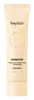
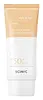
Beplain Sunmuse Tone Up & Correcting Sunscreen Skin Beige SPF50+ PA++++ Versus SCINIC Enjoy Foundation-Skip Tone Up Sun Cream SPF50+ PA++++
This hybrid sunscreen covers the full UV range and blocks ~98% of UVB at SPF 50.
This chemical sunscreen covers the full UV range and blocks ~98% of UVB at SPF 50.

What's inside
What's inside
 Key Ingredients
Benefits
Concerns
Ingredients Side-by-side
Water
Skin ConditioningZinc Oxide
Cosmetic Colorant


Caprylyl Methicone
Skin Conditioning
Propanediol
Solvent

Butyloctyl Salicylate
Skin Conditioning
C9-12 Alkane
SolventCI 77891
Cosmetic ColorantMethyl Trimethicone
Skin Conditioning
Propylheptyl Caprylate
EmollientGlycerin
Humectant
Niacinamide
Smoothing








Polyglyceryl-3 Polydimethylsiloxyethyl Dimethicone
Skin Conditioning
Trisiloxane
Skin Conditioning
Dimethicone
Emollient
Disteardimonium Hectorite
StabilisingPolymethylsilsesquioxane
Polyglyceryl-6 Polyhydroxystearate
Emulsifying

Prunus Serrulata Flower Extract
Skin ConditioningRosa Damascena Flower Water
Masking
Rosa Damascena Flower Oil
Masking




Sodium Hyaluronate
Humectant
Methyl Methacrylate Crosspolymer
Lauryl Polyglyceryl-3 Polydimethylsiloxyethyl Dimethicone
Skin Conditioning
Isododecane
EmollientOctyldodecanol
Emollient
Triethoxycaprylylsilane
1,2-Hexanediol
Skin Conditioning
Magnesium Sulfate
Trimethylsiloxysilicate
Emollient
Polyglyceryl-2 Dipolyhydroxystearate
Skin Conditioning
Polyglyceryl-4 Isostearate
Emulsifying
Polyglyceryl-6 Polyricinoleate
Emulsifying
Isopropyl Titanium Triisostearate
Emollient
Aluminum Hydroxide
EmollientCaprylyl Glycol
Emollient
Glyceryl Caprylate
EmollientAdenosine
Skin Conditioning
Polyglycerin-6
HumectantTocopherol
Antioxidant

Ascorbyl Palmitate
Antioxidant
Allantoin
Skin Conditioning
Glutathione
Pentylene Glycol
Skin Conditioning
Caprylic/Capric Triglyceride
Masking
Panthenol
Skin Conditioning
Sorbitol
Humectant
Butylene Glycol
Humectant
Hydrogenated Lecithin
Emulsifying
Ceramide NP
Skin Conditioning
Ethylhexylglycerin
Skin ConditioningSodium Stearoyl Glutamate
CleansingCI 77492
Cosmetic ColorantCI 77491
Cosmetic ColorantCI 77499
Cosmetic ColorantWater, Zinc Oxide, Caprylyl Methicone, Propanediol, Butyloctyl Salicylate, C9-12 Alkane, CI 77891, Methyl Trimethicone, Propylheptyl Caprylate, Glycerin, Niacinamide, Polyglyceryl-3 Polydimethylsiloxyethyl Dimethicone, Trisiloxane, Dimethicone, Disteardimonium Hectorite, Polymethylsilsesquioxane, Polyglyceryl-6 Polyhydroxystearate, Prunus Serrulata Flower Extract, Rosa Damascena Flower Water, Rosa Damascena Flower Oil, Sodium Hyaluronate, Methyl Methacrylate Crosspolymer, Lauryl Polyglyceryl-3 Polydimethylsiloxyethyl Dimethicone, Isododecane, Octyldodecanol, Triethoxycaprylylsilane, 1,2-Hexanediol, Magnesium Sulfate, Trimethylsiloxysilicate, Polyglyceryl-2 Dipolyhydroxystearate, Polyglyceryl-4 Isostearate, Polyglyceryl-6 Polyricinoleate, Isopropyl Titanium Triisostearate, Aluminum Hydroxide, Caprylyl Glycol, Glyceryl Caprylate, Adenosine, Polyglycerin-6, Tocopherol, Ascorbyl Palmitate, Allantoin, Glutathione, Pentylene Glycol, Caprylic/Capric Triglyceride, Panthenol, Sorbitol, Butylene Glycol, Hydrogenated Lecithin, Ceramide NP, Ethylhexylglycerin, Sodium Stearoyl Glutamate, CI 77492, CI 77491, CI 77499
Water
Skin ConditioningDibutyl Adipate
EmollientDipropylene Glycol
HumectantCI 77891
Cosmetic ColorantC12-15 Alkyl Benzoate
AntimicrobialCoco-Caprylate/Caprate
Emollient
Isononyl Isononanoate
EmollientDiethylamino Hydroxybenzoyl Hexyl Benzoate
UV Filter
Phenethyl Benzoate
Emollient
Glycerin
Humectant
Bis-Ethylhexyloxyphenol Methoxyphenyl Triazine
UV Absorber
Ethylhexyl Triazone
UV Absorber
Polysilicone-15
UV Filter
Terephthalylidene Dicamphor Sulfonic Acid
UV Absorber
Pentylene Glycol
Skin Conditioning
1,2-Hexanediol
Skin Conditioning
Polyhydroxystearic Acid
Emulsifying
Poly C10-30 Alkyl Acrylate
Emulsion StabilisingPolyglyceryl-3 Methylglucose Distearate
Emulsifying
Behenyl Alcohol
Emollient
Tromethamine
BufferingPotassium Cetyl Phosphate
EmulsifyingIsododecane
EmollientOctyldodecanol
Emollient
Sodium Polyacryloyldimethyl Taurate
Emulsion StabilisingHydroxyethyl Urea
Humectant
Aluminum Hydroxide
EmollientHydroxyacetophenone
Antioxidant
Panthenol
Skin Conditioning
Stearic Acid
Cleansing
Hydroxyethyl Acrylate/Sodium Acryloyldimethyl Taurate Copolymer
Emulsion StabilisingPropanediol
Solvent
Polyglyceryl-4 Isostearate
Emulsifying
CI 77492
Cosmetic ColorantIsopropyl Titanium Triisostearate
Emollient
Polyglyceryl-2 Dipolyhydroxystearate
Skin Conditioning
Hydroxypropyl Methylcellulose Stearoxy Ether
Polyacrylate Crosspolymer-6
Emulsion StabilisingAdenosine
Skin Conditioning
Polyacrylic Acid
Emulsion StabilisingDisodium EDTA
ChelatingXanthan Gum
EmulsifyingCI 77491
Cosmetic ColorantBiosaccharide Gum-1
Humectant
Acetyl Glucosamine
Skin Conditioning
Sodium Hyaluronate
Humectant
Sodium Hyaluronate Crosspolymer
Humectant
Caprylyl Glycol
Emollient
Allantoin
Skin Conditioning
Madecassoside
Antioxidant
Benzyl Glycol
SolventHydrolyzed Glycosaminoglycans
HumectantHydroxypropyltrimonium Hyaluronate
Hydrolyzed Hyaluronic Acid
Humectant
Ethylhexylglycerin
Skin ConditioningSodium Acetylated Hyaluronate
Humectant
Hyaluronic Acid
Humectant
Hydrolyzed Sodium Hyaluronate
Skin Conditioning
Potassium Hyaluronate
Skin ConditioningWater, Dibutyl Adipate, Dipropylene Glycol, CI 77891, C12-15 Alkyl Benzoate, Coco-Caprylate/Caprate, Isononyl Isononanoate, Diethylamino Hydroxybenzoyl Hexyl Benzoate, Phenethyl Benzoate, Glycerin, Bis-Ethylhexyloxyphenol Methoxyphenyl Triazine, Ethylhexyl Triazone, Polysilicone-15, Terephthalylidene Dicamphor Sulfonic Acid, Pentylene Glycol, 1,2-Hexanediol, Polyhydroxystearic Acid, Poly C10-30 Alkyl Acrylate, Polyglyceryl-3 Methylglucose Distearate, Behenyl Alcohol, Tromethamine, Potassium Cetyl Phosphate, Isododecane, Octyldodecanol, Sodium Polyacryloyldimethyl Taurate, Hydroxyethyl Urea, Aluminum Hydroxide, Hydroxyacetophenone, Panthenol, Stearic Acid, Hydroxyethyl Acrylate/Sodium Acryloyldimethyl Taurate Copolymer, Propanediol, Polyglyceryl-4 Isostearate, CI 77492, Isopropyl Titanium Triisostearate, Polyglyceryl-2 Dipolyhydroxystearate, Hydroxypropyl Methylcellulose Stearoxy Ether, Polyacrylate Crosspolymer-6, Adenosine, Polyacrylic Acid, Disodium EDTA, Xanthan Gum, CI 77491, Biosaccharide Gum-1, Acetyl Glucosamine, Sodium Hyaluronate, Sodium Hyaluronate Crosspolymer, Caprylyl Glycol, Allantoin, Madecassoside, Benzyl Glycol, Hydrolyzed Glycosaminoglycans, Hydroxypropyltrimonium Hyaluronate, Hydrolyzed Hyaluronic Acid, Ethylhexylglycerin, Sodium Acetylated Hyaluronate, Hyaluronic Acid, Hydrolyzed Sodium Hyaluronate, Potassium Hyaluronate
Ingredients Explained
These ingredients are found in both products.
Ingredients higher up in an ingredient list are typically present in a larger amount.
1,2-Hexanediol is a synthetic liquid and another multi-functional powerhouse.
It is a:
- Humectant, drawing moisture into the skin
- Emollient, helping to soften skin
- Solvent, dispersing and stabilizing formulas
- Preservative booster, enhancing the antimicrobial activity of other preservatives
Adenosine is a purine nucleoside that your body already makes in every cell. In skincare, it acts mainly as a skin conditioning and anti-aging agent.
The way it works is fairly well mapped out:
Your skin has cells called fibroblasts that build collagen (the stuff that keeps skin firm and smooth). Adenosine basically flips a switch on these cells that tells them to get to work making more collagen and other proteins. These cells slow down on their own as skin ages, so Adenosine helps give them a little nudge to keep going.
The clinical backing is pretty solid too.
A blind, randomized, placebo-controlled trial of 126 women aged 45-65 tested a 0.1% cream twice daily and found real improvements in crow's feet and frown lines using a precise 3D skin-mapping technique; these changes showed up by week 3 and held at 2 months.
A later study using Adenosine-loaded dissolving microneedle patches reported gains in wrinkle depth, dermal density, elasticity, and hydration.
On concentrations, South Korea's Ministry of Food and Drug Safety has set 0.04% as the approved functional anti-wrinkle level. You'll typically see this ingredient used somewhere in the 0.04-0.1% range since it works at low doses.
This ingredient has been found safe for cosmetics with the data showing no irritation or sensitization.
Overall, this is a great ingredient for any anti-aging routine and has no photosensitizing effect, so it suits both AM and PM use.
Learn more about AdenosineAllantoin is a soothing ingredient known for its protective and moisturizing properties; it's basically a quiet workhorse ingredient you can find in a huge range of cosmetics.
Though it can be derived from the comfrey plant, allantoin is produced synthetically for cosmetic products to ensure purity.
Research shows it can encourage your skin cells to turn over and renew by stimulating keratinocyte and fibroblast proliferation.
It also has mild keratolytic properties to help loosen and shed dead skin cells without being harsh.
Studies also suggest allantoin can help calm inflammation by dialing down some of the chemical signals your skin sends out when it is irritated.
This ingredient is typically used in the 0.1-0.5% range, and the FDA recognizes it as a skin protectant in OTC products up to 2%.
Overall, allantoin is a wonderful addition to most routines; it is stable across a wide pH range (~4-8), works well with other ingredients, and is considered non-sensitizing/non-irritating.
Fun fact: Allantoin is naturally occurring in comfrey root, beets, chamomile, and wheat sprouts. Our bodies even produce it as a byproduct of uric acid metabolism.
Learn more about AllantoinAluminum Hydroxide is a form of aluminum. It can be naturally found in nature as the mineral gibbsite. In cosmetics, Aluminum Hydroxide is used as a colorant, pH adjuster, and absorbent.
As a colorant, Aluminum Hydroxide may add opacity, or reduce the transparency. Aluminum hydroxide is contains both basic and acidic properties.
According to manufacturers, this ingredient is an emollient and humectant. This means it helps hydrate the skin.
In medicine, this ingredient is used to help relieve heartburn and help heal ulcers.
There is currently no credible scientific evidence linking aluminum hydroxide in cosmetics to increased cancer risk.
Major health organizations allow the use of aluminum hydroxide in personal care products and have not flagged it as a carcinogenic risk at typical usage levels.
Learn more about Aluminum HydroxideCaprylyl Glycol is a humectant, skin conditioner, emollient, and preservative booster derived from either caprylic acid or synthetically created.
Typical use levels vary from 0.3-1% as a preservative booster and go up to 2% to condition skin.
Because it is not a free-fatty acid, this ingredient is fungal acne safe (there's nothing for Malassezia to feed on).
Learn more about Caprylyl GlycolCi 77491 is also hydrated iron III oxide. It's sole purpose is to give a red/pink hue to products.
Iron III oxides are classified as inorganic chemicals for coloring.
Synthetically created Ci 77491 is considered safer than those naturally found. This is because the synthetically created version may contain less impurities. Iron oxides are generally non-toxic and non-allergenic.
Learn more about CI 77491CI 77492 is also hydrated iron III oxide. It's sole purpose is to give a yellow hue to products.
Iron III oxides are classified as inorganic chemicals for coloring.
Synthetically created CI 77492 is considered safer than those naturally found. This is because the synthetically created version may contain less impurities. Iron oxides are generally non-toxic and non-allergenic.
Learn more about CI 77492Ci 77891 is a white pigment from Titanium dioxide. It is naturally found in minerals such as rutile and ilmenite.
It's main function is to add a white color to cosmetics. It can also be mixed with other colors to create different shades.
Ci 77891 is commonly found in sunscreens due to its ability to block UV rays.
Learn more about CI 77891Ethylhexylglycerin is created from glycerin. It is a multitasker ingredient that:
The CIR Expert Panel found minimal skin absorption or sensitization of any kind in a safety assessment. Though this ingredient is considered well-tolerated, a small number of cases of allergic dermatitis have been published since 2002. Just be sure to patch test if you are unsure.
Industry-reported use ranges from 8% in rinse-off products and 2% in leave-on formulations.
Learn more about EthylhexylglycerinGlycerin (or glycerol) is a compound naturally found in your skin. It's a powerhouse humectant that pulls water into the stratum corneum.
Topically, glycerin does several things at once:
Your skin makes glycerin on its own (mostly from sebaceous oil breakdown) and shuttles it to your outermost layer of skin, or your epidermis, via aquaporin-3.
Aquaporin-3 is a transporter that is essential for normal skin hydration, elasticity, and repair. Interestingly, mice lacking in AQP3 have dry and less elastic skin that can be fully corrected with glycerin.
This ingredient is non-irritating, plays well with almost every ingredient, and works across all skin types. Typical use is anywhere between 3-10% but can go up to 79% in some leave-on products.
Just know very high concentrations (>40%) can feel tacky in low humidity.
Glycerin is the name for this ingredient in American English. British English uses Glycerol/Glycerine.
Learn more about GlycerinIsododecane is a fragrance, emollient, and solvent.
As an emollient, it helps your skin stay soft and hydrated. Emollients help trap moisture into your skin.
Isododecane's role as a solvent makes it a great texture enhancer. It spreads smoothly on skin and does not leave a sticky feeling behind. Isododecane also helps prevent color transfer in makeup products.
Isododecane is not absorbed into skin.
The chemical name for this ingredient is 2,2,4,6,6-PENTAMETHYLHEPTANE.
Learn more about IsododecaneThis ingredient is an synthetic emollient, emulsifier, and used as a surface treatment for pigment particles (like iron oxides or titanium dioxide).
The “triisostearate” part of this ingredient is an ester derived from isostearic acid, a long-chain fatty acid.
It "wraps" these ingredients in a form of slippery jacket so they disperse more evenly in oils, glide better on skin, and stick longer without smudging.
Human repeat insult patch tests on foundations containing this ingredient found no sensitization concerns.
Since isostearic acid is a C18 fatty acid, it falls within the carbon chain length that Malassezia can potentially metabolize. This is why this ingredient may not be fungal acne safe.
Learn more about Isopropyl Titanium TriisostearateOctyldodecanol is a fatty alcohol sourced from plant oils like coconut or palm (or made synthetically).
It is:
You'll likely see this in many BHA products because this is the go-to solvent for salicylic acid.
This ingredient is typically used at levels between 2-20%.
Regarding fungal acne:
In 2019, this ingredient was tested against multiple Malassezia species (the yeast that causes fungal acne) and showed no growth.
Panthenol is a common ingredient that helps hydrate and soothe the skin. It is found naturally in our skin and hair.
There are two forms of panthenol: D and L.
D-panthenol is also known as dexpanthenol. Most cosmetics use dexpanthenol or a mixture of D and L-panthenol.
Panthenol is famous due to its ability to go deeper into the skin's layers. Using this ingredient has numerous pros (and no cons):
Like hyaluronic acid, panthenol is a humectant. Humectants are able to bind and hold large amounts of water to keep skin hydrated.
This ingredient works well for wound healing. It works by increasing tissue in the wound and helps close open wounds.
Once oxidized, panthenol converts to pantothenic acid. Panthothenic acid is found in all living cells.
This ingredient is also referred to as pro-vitamin B5.
Learn more about PanthenolPentylene Glycol (1,2-pentanediol) is a multitasking little diol with three main roles in a formula:
Research on alkanediols (the family pentylene glycol belongs to) show they work by disrupting microbial cell membranes. This disruption helps the primary preservative system in a product work more effectively at lower doses.
On the safety side, the Cosmetic Ingredient Review Expert Panel has concluded this ingredient to be safe as used in current cosmetic practices + concentrations.
Typical use levels in a formula run about 1-5%.
Learn more about Pentylene GlycolPolyglyceryl-2 Dipolyhydroxystearate isn't fungal acne safe.
Polyglyceryl-4 Isostearate is a plant-derived, PEG-free emulsifier.
It's made by hooking isostearic acid onto a chain of glycerin units to give it a water-loving "head" and oil-loving "tail". This allows it to keep the oil and water mixed in a formula.
The highest reported concentration is about 24% in eye makeup but most suppliers recommend a level below 10%.
It has a clean track record for safety and found to be non-irritating.
Because it is an ester of a C18 fatty acid, Malassezia can potentially metabolize it (it sits in the C11-24 range that Malassezia likes). Therefore, this ingredient may not be fungal acne safe.
Learn more about Polyglyceryl-4 IsostearatePropanediol is an all-star ingredient. It softens, hydrates, and smooths the skin.
It’s often used to:
Propanediol is not likely to cause sensitivity and considered safe to use. It is derived from corn or petroleum with a clear color and no scent.
Learn more about PropanediolSodium Hyaluronate is the salt form of hyaluronic acid. It is a long sugar chain that is naturally found in your skin, joints, and connective tissue that maintains hydration and elasticity.
In skincare, it works as a humectant. It pulls water from the environment and deeper layers of skin and binds it to the surface.
Interestingly, the size of the molecule affects its behavior:
Some clinical evidence links low molecular weight versions to improved wrinkle depth, elasticity, anti-inflammatory effects, and barrier repair.
Many serums use a blend of both weights so you can get surface hydration plus longer-lasting and deeper effects.
You'll typically see concentrations between 0.1-2% for this ingredient.
Learn more about Sodium HyaluronateWater. It's the most common cosmetic ingredient of all. You'll usually see it at the top of ingredient lists, meaning that it makes up the largest part of the product.
So why is it so popular? Water most often acts as a solvent - this means that it helps dissolve other ingredients into the formulation.
You'll also recognize water as that liquid we all need to stay alive. If you see this, drink a glass of water. Remember to stay hydrated!
Learn more about Water

