Benton Fermentation Eye Cream Versus Apivita Natural Cosmetics Beevine Elixir Wrinkle Lift Eye & Lip Cream
This anti-aging eye moisturizer is formulated around Galactomyces Ferment Filtrate and Lactobacillus/Collagen Ferment Filtrate to soften the look of wrinkles and hydrate skin.
This anti-aging eye moisturizer is formulated around Squalane and Propolis Extract to soften the look of wrinkles and hydrate skin.


What's inside
What's inside
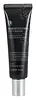 Key Ingredients
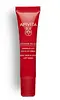
Benefits
Concerns
Ingredients Side-by-side
Galactomyces Ferment Filtrate
Humectant







Lactobacillus/Collagen Ferment Filtrate
Humectant
Butylene Glycol
Humectant
Caprylic/Capric Triglyceride
Masking
Glycerin
Humectant
Cetearyl Alcohol
Emollient



Cetyl Ethylhexanoate
EmollientMacadamia Integrifolia Seed Oil
Skin Conditioning
Water
Skin Conditioning1,2-Hexanediol
Skin Conditioning
Cetearyl Olivate
Pentylene Glycol
Skin Conditioning
Bifida Ferment Lysate
Skin Conditioning
Ceramide NP
Skin Conditioning
Sorbitan Olivate
Emulsifying
Sorbitan Stearate
Emulsifying
Propanediol
Solvent
Betaine
Humectant
Panthenol
Skin Conditioning
Sodium Hyaluronate
Humectant
Aloe Barbadensis Leaf Extract
Emollient
Althaea Rosea Root Extract
HumectantBeta-Glucan
Skin Conditioning
Copper Tripeptide-1
Skin Conditioning
Palmitoyl Pentapeptide-4
Skin Conditioning
Palmitoyl Tripeptide-1
Skin Conditioning
Hexapeptide-11
Skin Conditioning
Hexapeptide-9
Skin Conditioning
Tripeptide-1
Skin Conditioning
Allantoin
Skin Conditioning
Acrylates/C10-30 Alkyl Acrylate Crosspolymer
Emulsion StabilisingIsopentyldiol
Humectant
Arginine
Masking
Sucrose Palmitate
EmollientSodium Surfactin
CleansingAdenosine
Skin Conditioning
Caprylyl Glycol
Emollient
Citrus Paradisi Fruit Extract
Skin ConditioningTocopherol
Antioxidant


Schisandra Chinensis Fruit Extract
Skin Conditioning
Perilla Ocymoides Leaf Extract
TonicAcorus Calamus Root Extract
Perfuming
Polyglyceryl-10 Laurate
Skin Conditioning
Galactomyces Ferment Filtrate, Lactobacillus/Collagen Ferment Filtrate, Butylene Glycol, Caprylic/Capric Triglyceride, Glycerin, Cetearyl Alcohol, Cetyl Ethylhexanoate, Macadamia Integrifolia Seed Oil, Water, 1,2-Hexanediol, Cetearyl Olivate, Pentylene Glycol, Bifida Ferment Lysate, Ceramide NP, Sorbitan Olivate, Sorbitan Stearate, Propanediol, Betaine, Panthenol, Sodium Hyaluronate, Aloe Barbadensis Leaf Extract, Althaea Rosea Root Extract, Beta-Glucan, Copper Tripeptide-1, Palmitoyl Pentapeptide-4, Palmitoyl Tripeptide-1, Hexapeptide-11, Hexapeptide-9, Tripeptide-1, Allantoin, Acrylates/C10-30 Alkyl Acrylate Crosspolymer, Isopentyldiol, Arginine, Sucrose Palmitate, Sodium Surfactin, Adenosine, Caprylyl Glycol, Citrus Paradisi Fruit Extract, Tocopherol, Schisandra Chinensis Fruit Extract, Perilla Ocymoides Leaf Extract, Acorus Calamus Root Extract, Polyglyceryl-10 Laurate
Water
Skin ConditioningGlycerin
Humectant
Glyceryl Stearate
Emollient
C10-18 Triglycerides
Emollient
Squalane
Emollient
Butyrospermum Parkii Butter
Skin Conditioning
Triolein
Skin Conditioning
C9-12 Alkane
SolventEuphorbia Cerifera Cera
Astringent
Simmondsia Chinensis Seed Oil
Emollient
Polyglyceryl-3 Rice Branate
EmulsifyingMagnesium Aluminum Silicate
Absorbent
Pentylene Glycol
Skin Conditioning
Cetyl Palmitate
Emollient
Silica
Abrasive

Dipalmitoyl Hydroxyproline
Skin Conditioning
Propolis Extract
Skin Conditioning

Magnolia Officinalis Bark Extract
Antimicrobial
Hydroxypropyl Cyclodextrin
MaskingLycium Barbarum Fruit Extract
Astringent
Rosa Canina Fruit Extract
Astringent
Vitis Vinifera Leaf Extract
Skin ConditioningOlea Europaea Fruit Oil
Masking
Vitis Vinifera Seed Oil
Emollient
Hydrolyzed Vegetable Protein
Skin ConditioningHelianthus Annuus Seed Oil
Emollient
Cera Alba
Emollient
PEG-100 Stearate
Surfactant
Cetearyl Alcohol
Emollient
Sodium Stearoyl Lactylate
EmulsifyingPropanediol
Solvent
Sorbitan Olivate
Emulsifying
Sorbitan Palmitate
Emulsifying
Hydroxyacetophenone
Antioxidant
Xanthan Gum
EmulsifyingTocopheryl Acetate
Antioxidant
Panthenol
Skin Conditioning
Aminobutyric Acid
Arginine
Masking
Sodium Gluconate
ChelatingCitronellyl Methylcrotonate
Masking
Coco-Caprylate/Caprate
Emollient
Palmitic Acid
Emollient
Tocopherol
Antioxidant
Sodium Benzoate
Masking
Sodium Hyaluronate
Humectant
Bacillus Ferment
Skin Conditioning
Glyceryl Caprylate
EmollientLecithin
Emollient
Ethylhexylglycerin
Skin ConditioningPotassium Sorbate
Preservative
Sodium Phytate
ChelatingWater, Glycerin, Glyceryl Stearate, C10-18 Triglycerides, Squalane, Butyrospermum Parkii Butter, Triolein, C9-12 Alkane, Euphorbia Cerifera Cera, Simmondsia Chinensis Seed Oil, Polyglyceryl-3 Rice Branate, Magnesium Aluminum Silicate, Pentylene Glycol, Cetyl Palmitate, Silica, Dipalmitoyl Hydroxyproline, Propolis Extract, Magnolia Officinalis Bark Extract, Hydroxypropyl Cyclodextrin, Lycium Barbarum Fruit Extract, Rosa Canina Fruit Extract, Vitis Vinifera Leaf Extract, Olea Europaea Fruit Oil, Vitis Vinifera Seed Oil, Hydrolyzed Vegetable Protein, Helianthus Annuus Seed Oil, Cera Alba, PEG-100 Stearate, Cetearyl Alcohol, Sodium Stearoyl Lactylate, Propanediol, Sorbitan Olivate, Sorbitan Palmitate, Hydroxyacetophenone, Xanthan Gum, Tocopheryl Acetate, Panthenol, Aminobutyric Acid, Arginine, Sodium Gluconate, Citronellyl Methylcrotonate, Coco-Caprylate/Caprate, Palmitic Acid, Tocopherol, Sodium Benzoate, Sodium Hyaluronate, Bacillus Ferment, Glyceryl Caprylate, Lecithin, Ethylhexylglycerin, Potassium Sorbate, Sodium Phytate
Reviews
Ingredients Explained
These ingredients are found in both products.
Ingredients higher up in an ingredient list are typically present in a larger amount.
Arginine is a semi-essential amino acid. This just means our bodies can product a bit on its own, but sometimes needs a little boost from food sources.
It is a part of your skin's natural moisturizing factor (NMF), or the water-loving molecules in your outermost layer of skin (stratum corneum) that keeps everything hydrated and happy.
Here's an interesting thing about Arginine: your skin converts it into urea through the Krebs-Henseleit urea cycle. Urea is one of the most effective humectants your skin naturally produces.
A clinical study showed applying 2.5% arginine hydrochloride to atopic dermatitis skin showed significant urea levels in the stratum corneum and improved moisture in just four weeks.
Arginine is also a precursor to nitric oxide; nitric oxide improves microcirculation and supports wound healing and collagen synthesis.
One study found that an amino acid complex containing Arginine reduced skin irritation, improved hydration, and accelerated skin repair in clinical / in-vivo studies.
Arginine itself is an amino acid and not a fatty acid, oil, or ester. On its own, it's not a direct food source for Malassezia, or the yeast that causes fungal acne.
Learn more about ArginineCetearyl alcohol is a waxy mixture of two fatty alcohols: cetyl alcohol and stearyl alcohol. It is an emollient and emulsifier.
Despite having "alcohol" in its name, it has nothing to do with drying solvent alcohols; the FDA also allows "alcohol-free" products to contain fatty alcohols like this ingredient.
It plays several roles in a formula:
Typical use levels for this ingredient sit around 1-10% and the Cosmetic Ingredient Review Expert Panel has affirmed safety at concentrations up to 25% in leave-on products.
Multiple assessments have found it to be non-irritating and non-sensitizing to most people.
However, there have been some cases of allergic contact dermatitis in patients with chronically compromised skin barriers.
Cetearyl alcohol has a comedogenic rating of 2 and irritancy rating of 1. Both of these numbers come from the 1989 study that used rabbit ears; a "2" means mildly comedogenic and a "1" means low irritancy.
Here's the catch: rabbit skin is more sensitive than human skin and throws a lot of false positives. A 1996 reappraisal found that ingredients rated 1-2 in the rabbit ear tests are generally safe for humans.
Remember comedogenic ratings are unable to assess the entire formula of a product or how it will react on your skin. Just be sure to patch test if you are unsure about certain ingredients.
This ingredient is not fungal acne safe. Cetearyl alcohol is a fatty alcohol with chain lengths that fall within the range that Malassezia can metabolize.
A 2019 study has also observed Malassezia growth in the presence of this ingredient, confirming it to be not-fungal acne safe.
Learn more about Cetearyl AlcoholGlycerin (or glycerol) is a compound naturally found in your skin. It's a powerhouse humectant that pulls water into the stratum corneum.
Topically, glycerin does several things at once:
Your skin makes glycerin on its own (mostly from sebaceous oil breakdown) and shuttles it to your outermost layer of skin, or your epidermis, via aquaporin-3.
Aquaporin-3 is a transporter that is essential for normal skin hydration, elasticity, and repair. Interestingly, mice lacking in AQP3 have dry and less elastic skin that can be fully corrected with glycerin.
This ingredient is non-irritating, plays well with almost every ingredient, and works across all skin types. Typical use is anywhere between 3-10% but can go up to 79% in some leave-on products.
Just know very high concentrations (>40%) can feel tacky in low humidity.
Glycerin is the name for this ingredient in American English. British English uses Glycerol/Glycerine.
Learn more about GlycerinPanthenol is a common ingredient that helps hydrate and soothe the skin. It is found naturally in our skin and hair.
There are two forms of panthenol: D and L.
D-panthenol is also known as dexpanthenol. Most cosmetics use dexpanthenol or a mixture of D and L-panthenol.
Panthenol is famous due to its ability to go deeper into the skin's layers. Using this ingredient has numerous pros (and no cons):
Like hyaluronic acid, panthenol is a humectant. Humectants are able to bind and hold large amounts of water to keep skin hydrated.
This ingredient works well for wound healing. It works by increasing tissue in the wound and helps close open wounds.
Once oxidized, panthenol converts to pantothenic acid. Panthothenic acid is found in all living cells.
This ingredient is also referred to as pro-vitamin B5.
Learn more about PanthenolPentylene Glycol (1,2-pentanediol) is a multitasking little diol with three main roles in a formula:
Research on alkanediols (the family pentylene glycol belongs to) show they work by disrupting microbial cell membranes. This disruption helps the primary preservative system in a product work more effectively at lower doses.
On the safety side, the Cosmetic Ingredient Review Expert Panel has concluded this ingredient to be safe as used in current cosmetic practices + concentrations.
Typical use levels in a formula run about 1-5%.
Learn more about Pentylene GlycolPropanediol is an all-star ingredient. It softens, hydrates, and smooths the skin.
It’s often used to:
Propanediol is not likely to cause sensitivity and considered safe to use. It is derived from corn or petroleum with a clear color and no scent.
Learn more about PropanediolSodium Hyaluronate is the salt form of hyaluronic acid. It is a long sugar chain that is naturally found in your skin, joints, and connective tissue that maintains hydration and elasticity.
In skincare, it works as a humectant. It pulls water from the environment and deeper layers of skin and binds it to the surface.
Interestingly, the size of the molecule affects its behavior:
Some clinical evidence links low molecular weight versions to improved wrinkle depth, elasticity, anti-inflammatory effects, and barrier repair.
Many serums use a blend of both weights so you can get surface hydration plus longer-lasting and deeper effects.
You'll typically see concentrations between 0.1-2% for this ingredient.
Learn more about Sodium HyaluronateSorbitan Olivate is created from the fatty acids in olive oil and sorbitol.
This ingredient is an oil in water emulsifier. It helps stabilize a product by preventing oils and waters from separating. Sorbitan Olivate also helps hydrate the skin.
This ingredient is also known as part of Olivem 1000, with Cetearyl Olivate being the other part.
According to a manufacturer, this ingredient helps preserve the natural microbiome of skin. Having a healthy microbiome helps keep our skin healthy and protects against harmful bacteria.
Please note, having a healthy microbiome is different from fungal acne; a healthy microbiome includes small amounts of yeast that normally live on your skin without causing problems.
Fungal acne happens when one type of yeast (Malassezia) grows out of control. This is usually because it's feeding on certain oils or fatty acids. Due to the olive oil base, this ingredient may not be fungal acne safe.
Learn more about Sorbitan OlivateTocopherol is a fat-soluble antioxidant known as Vitamin E.
You'll find this ingredient in the vast majority of skincare (for good reason). It works to neutralize free radicals, or unstable molecules generated by UV exposure, pollution, and other environmental stressors, before they can cause oxidative damage to your skin cells.
Topically applied tocopherol has been shown to protect against UV damage by ramping up the skin's own natural defense enzymes.
It also acts as a skin conditioning agent; some studies show that regular topical use can improve the skin's water-binding capacity over 2-4 weeks.
This ingredient is especially loved for being a team player. When combined with Vitamin C, the photoprotective effect of both ingredients roughly doubles and the combo also helps reduce UV-induced DNA damage.
This ingredient has some brightening potential but it's more of a prevention ingredient than spot-fader. Cell studies show it can slow down melanin production but it's worth noting that it's not the most powerful brightener out there.
In formulations, it also serves as a stabilizer that helps protect other oxidation-prone ingredients from degrading.
Concentrations usually range from 0.1-1% in most leave-on products.
Learn more about TocopherolWater. It's the most common cosmetic ingredient of all. You'll usually see it at the top of ingredient lists, meaning that it makes up the largest part of the product.
So why is it so popular? Water most often acts as a solvent - this means that it helps dissolve other ingredients into the formulation.
You'll also recognize water as that liquid we all need to stay alive. If you see this, drink a glass of water. Remember to stay hydrated!
Learn more about Water

