This chemical sunscreen covers the full UV range, though its SPF isn't confirmed on file yet.
This calming moisturizer is formulated around Houttuynia Cordata Extract and Centella Asiatica Extract to calm redness and strengthen the skin barrier.

What's inside
What's inside
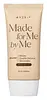 Key Ingredients
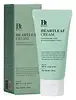
Benefits
Concerns
Ingredients Side-by-side
Water
Skin ConditioningGlycerin
Humectant


Ethylhexyl Salicylate
UV Absorber

Homosalate
Skin Conditioning
Butyloctyl Salicylate
Skin Conditioning
Dibutyl Adipate
EmollientBis-Ethylhexyloxyphenol Methoxyphenyl Triazine
UV Absorber
Niacinamide
Smoothing









Methylene Bis-Benzotriazolyl Tetramethylbutylphenol
UV Filter
Polysilicone-15
UV Filter
Caprylyl Methicone
Skin Conditioning
Diethylamino Hydroxybenzoyl Hexyl Benzoate
UV Filter
Polymethylsilsesquioxane
Propanediol
Solvent
Adenosine
Skin Conditioning
Vaccinium Macrocarpon Fruit Extract
AstringentLactobacillus Ferment
Skin Conditioning
Saccharomyces Ferment Filtrate
Humectant

Galactomyces Ferment Filtrate
Humectant
Saccharomyces/Xylinum/Black Tea Ferment
Skin Conditioning
Caprylyl Glycol
Emollient
Tocopherol
Antioxidant

Bifida Ferment Lysate
Skin Conditioning
Pentylene Glycol
Skin Conditioning
1,2-Hexanediol
Skin Conditioning
Vp/Eicosene Copolymer
Polyglyceryl-3 Methylglucose Distearate
Emulsifying
Silica
Abrasive
Behenyl Alcohol
Emollient
Tromethamine
BufferingDecyl Glucoside
Cleansing
Carbomer
Emulsion StabilisingAcrylates/C10-30 Alkyl Acrylate Crosspolymer
Emulsion StabilisingSodium Stearoyl Glutamate
CleansingPolyacrylate Crosspolymer-6
Emulsion StabilisingEthylhexylglycerin
Skin ConditioningJuniperus Virginiana Oil
Masking


Sodium Polyacrylate
Absorbent
Cedrus Atlantica Bark Oil
Masking

Amyris Balsamifera Bark Oil
Masking
Propylene Glycol
Humectant
Copaifera Officinalis Resin
MaskingPogostemon Cablin Leaf Oil
Masking
Xanthan Gum
EmulsifyingPolyether-1
Water, Glycerin, Ethylhexyl Salicylate, Homosalate, Butyloctyl Salicylate, Dibutyl Adipate, Bis-Ethylhexyloxyphenol Methoxyphenyl Triazine, Niacinamide, Methylene Bis-Benzotriazolyl Tetramethylbutylphenol, Polysilicone-15, Caprylyl Methicone, Diethylamino Hydroxybenzoyl Hexyl Benzoate, Polymethylsilsesquioxane, Propanediol, Adenosine, Vaccinium Macrocarpon Fruit Extract, Lactobacillus Ferment, Saccharomyces Ferment Filtrate, Galactomyces Ferment Filtrate, Saccharomyces/Xylinum/Black Tea Ferment, Caprylyl Glycol, Tocopherol, Bifida Ferment Lysate, Pentylene Glycol, 1,2-Hexanediol, Vp/Eicosene Copolymer, Polyglyceryl-3 Methylglucose Distearate, Silica, Behenyl Alcohol, Tromethamine, Decyl Glucoside, Carbomer, Acrylates/C10-30 Alkyl Acrylate Crosspolymer, Sodium Stearoyl Glutamate, Polyacrylate Crosspolymer-6, Ethylhexylglycerin, Juniperus Virginiana Oil, Sodium Polyacrylate, Cedrus Atlantica Bark Oil, Amyris Balsamifera Bark Oil, Propylene Glycol, Copaifera Officinalis Resin, Pogostemon Cablin Leaf Oil, Xanthan Gum, Polyether-1
Water
Skin ConditioningHouttuynia Cordata Extract
Skin Conditioning
Caprylic/Capric Triglyceride
Masking
Glycerin
Humectant
Methylpropanediol
SolventCetyl Ethylhexanoate
EmollientBehenyl Alcohol
Emollient
Centella Asiatica Extract
Cleansing
Cetearyl Olivate
Sorbitan Olivate
Emulsifying
Butylene Glycol
Humectant
Allantoin
Skin Conditioning
Panthenol
Skin Conditioning
Vitis Vinifera Fruit Extract
Skin ConditioningDiospyros Kaki Leaf Extract
Skin Protecting
Polygonum Cuspidatum Root Extract
Antioxidant
Carthamus Tinctorius Flower Extract
Skin ConditioningCoffea Arabica Seed Extract
Masking
Betaine
Humectant
Trehalose
Humectant
Zanthoxylum Piperitum Fruit Extract
Skin ConditioningCamellia Sinensis Leaf Extract
Antimicrobial
Castanea Crenata Shell Extract
Skin ConditioningSodium Hyaluronate
Humectant
Adansonia Digitata Seed Oil
Emollient
Hydrogenated Lecithin
Emulsifying
Ceramide NP
Skin Conditioning
Cynanchum Atratum Extract
Skin ConditioningLavandula Angustifolia Extract
Skin Conditioning
Origanum Vulgare Flower/Leaf/Stem Extract
Skin ConditioningRosmarinus Officinalis Extract
AntimicrobialThymus Vulgaris Extract
Perfuming
Tocopherol
Antioxidant
Ceramide As
Skin Conditioning
Ceramide Ns
Skin Conditioning
Ceramide AP
Skin Conditioning
Ceramide EOP
Skin Conditioning
Hydroxyacetophenone
Antioxidant
Carbomer
Emulsion StabilisingArginine
Masking
1,2-Hexanediol
Skin Conditioning
Caprylyl Glycol
Emollient
Xanthan Gum
EmulsifyingEthylhexylglycerin
Skin ConditioningSodium Phytate
ChelatingWater, Houttuynia Cordata Extract, Caprylic/Capric Triglyceride, Glycerin, Methylpropanediol, Cetyl Ethylhexanoate, Behenyl Alcohol, Centella Asiatica Extract, Cetearyl Olivate, Sorbitan Olivate, Butylene Glycol, Allantoin, Panthenol, Vitis Vinifera Fruit Extract, Diospyros Kaki Leaf Extract, Polygonum Cuspidatum Root Extract, Carthamus Tinctorius Flower Extract, Coffea Arabica Seed Extract, Betaine, Trehalose, Zanthoxylum Piperitum Fruit Extract, Camellia Sinensis Leaf Extract, Castanea Crenata Shell Extract, Sodium Hyaluronate, Adansonia Digitata Seed Oil, Hydrogenated Lecithin, Ceramide NP, Cynanchum Atratum Extract, Lavandula Angustifolia Extract, Origanum Vulgare Flower/Leaf/Stem Extract, Rosmarinus Officinalis Extract, Thymus Vulgaris Extract, Tocopherol, Ceramide As, Ceramide Ns, Ceramide AP, Ceramide EOP, Hydroxyacetophenone, Carbomer, Arginine, 1,2-Hexanediol, Caprylyl Glycol, Xanthan Gum, Ethylhexylglycerin, Sodium Phytate
Ingredients Explained
These ingredients are found in both products.
Ingredients higher up in an ingredient list are typically present in a larger amount.
1,2-Hexanediol is a synthetic liquid and another multi-functional powerhouse.
It is a:
- Humectant, drawing moisture into the skin
- Emollient, helping to soften skin
- Solvent, dispersing and stabilizing formulas
- Preservative booster, enhancing the antimicrobial activity of other preservatives
Behenyl Alcohol is a type of fatty alcohol (these are different from the drying, solvent alcohols).
Fatty Alcohols have hydrating properties and are most often used as an emollient or to thicken a product. They are usually derived from natural fats and oils; behenyl alcohol is derived from the fats of vegetable oils.
Emollients help keep your skin soft and hydrated by creating a film that traps moisture in.
In 2000, Behenyl Alcohol was approved by the US as medicine to reduce the duration of cold sores.
Learn more about Behenyl AlcoholCaprylyl Glycol is a humectant, skin conditioner, emollient, and preservative booster derived from either caprylic acid or synthetically created.
Typical use levels vary from 0.3-1% as a preservative booster and go up to 2% to condition skin.
Because it is not a free-fatty acid, this ingredient is fungal acne safe (there's nothing for Malassezia to feed on).
Learn more about Caprylyl GlycolCarbomer is a synthetic thickening and gelling agent. It's basically the ingredient that gives a lot of serums, gels, creams, and sunscreens their smooth, non-sticky texture.
Although legally permitted at very high levels, carbomers are normally used at concentrations below 1%.
It also needs to be neutralized to actually thicken, and because it is a large molecule, it doesn't really penetrate the skin barrier.
Allergy-wise, the risk is very low. Clinical studies show carbomers have low potential for skin irritation/sensitization even at concentrations up to 100%.
A 2024 UK study patch-tested 1,302 patients and found true allergy to the parent group of carbomer to be rare with no confirmed relevant reactions.
Learn more about CarbomerEthylhexylglycerin is created from glycerin. It is a multitasker ingredient that:
The CIR Expert Panel found minimal skin absorption or sensitization of any kind in a safety assessment. Though this ingredient is considered well-tolerated, a small number of cases of allergic dermatitis have been published since 2002. Just be sure to patch test if you are unsure.
Industry-reported use ranges from 8% in rinse-off products and 2% in leave-on formulations.
Learn more about EthylhexylglycerinGlycerin (or glycerol) is a compound naturally found in your skin. It's a powerhouse humectant that pulls water into the stratum corneum.
Topically, glycerin does several things at once:
Your skin makes glycerin on its own (mostly from sebaceous oil breakdown) and shuttles it to your outermost layer of skin, or your epidermis, via aquaporin-3.
Aquaporin-3 is a transporter that is essential for normal skin hydration, elasticity, and repair. Interestingly, mice lacking in AQP3 have dry and less elastic skin that can be fully corrected with glycerin.
This ingredient is non-irritating, plays well with almost every ingredient, and works across all skin types. Typical use is anywhere between 3-10% but can go up to 79% in some leave-on products.
Just know very high concentrations (>40%) can feel tacky in low humidity.
Glycerin is the name for this ingredient in American English. British English uses Glycerol/Glycerine.
Learn more about GlycerinTocopherol is a fat-soluble antioxidant known as Vitamin E.
You'll find this ingredient in the vast majority of skincare (for good reason). It works to neutralize free radicals, or unstable molecules generated by UV exposure, pollution, and other environmental stressors, before they can cause oxidative damage to your skin cells.
Topically applied tocopherol has been shown to protect against UV damage by ramping up the skin's own natural defense enzymes.
It also acts as a skin conditioning agent; some studies show that regular topical use can improve the skin's water-binding capacity over 2-4 weeks.
This ingredient is especially loved for being a team player. When combined with Vitamin C, the photoprotective effect of both ingredients roughly doubles and the combo also helps reduce UV-induced DNA damage.
This ingredient has some brightening potential but it's more of a prevention ingredient than spot-fader. Cell studies show it can slow down melanin production but it's worth noting that it's not the most powerful brightener out there.
In formulations, it also serves as a stabilizer that helps protect other oxidation-prone ingredients from degrading.
Concentrations usually range from 0.1-1% in most leave-on products.
Learn more about TocopherolWater. It's the most common cosmetic ingredient of all. You'll usually see it at the top of ingredient lists, meaning that it makes up the largest part of the product.
So why is it so popular? Water most often acts as a solvent - this means that it helps dissolve other ingredients into the formulation.
You'll also recognize water as that liquid we all need to stay alive. If you see this, drink a glass of water. Remember to stay hydrated!
Learn more about WaterXanthan gum is used as a stabilizer and thickener within cosmetic products. It helps give products a sticky, thick feeling - preventing them from being too runny.
On the technical side of things, xanthan gum is a polysaccharide - a combination consisting of multiple sugar molecules bonded together.
Xanthan gum is a pretty common and great ingredient. It is a natural, non-toxic, non-irritating ingredient that is also commonly used in food products.
Learn more about Xanthan Gum

