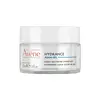
This barrier-repair moisturizer is formulated around Aloe Barbadensis Leaf Juice Powder and Sodium Hyaluronate to strengthen the skin barrier and hydrate skin.
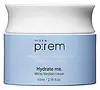
This barrier-repair moisturizer is formulated around Cholesterol and Ceramide NP to strengthen the skin barrier and hydrate skin.


What's inside
What's inside
 Key Ingredients
Benefits
Concerns
Ingredients Side-by-side
Water
Skin ConditioningGlycerin
Humectant


Caprylic/Capric Triglyceride
Masking
Hydroxyethyl Acrylate/Sodium Acryloyldimethyl Taurate Copolymer
Emulsion StabilisingIsocetyl Stearoyl Stearate
Emollient

Triethylhexanoin
MaskingBetaine
Humectant
Polyglyceryl-10 Myristate
Skin Conditioning
1,2-Hexanediol
Skin Conditioning
Aloe Barbadensis Leaf Juice Powder
Skin Conditioning
Behenyl Alcohol
Emollient
Caprylyl Glycol
Emollient
Citric Acid
Buffering

Ethylhexylglycerin
Skin ConditioningParfum
Masking



Helianthus Annuus Seed Oil
Emollient
Lecithin
Emollient
Polysorbate 60
Emulsifying
Propanediol
Solvent
Sodium Hyaluronate
Humectant

Sodium Phytate
Sorbitan Isostearate
Emulsifying
Squalane
Emollient
Tocopherol
Antioxidant


Tocopheryl Glucoside
EmollientXanthan Gum
EmulsifyingWater, Glycerin, Caprylic/Capric Triglyceride, Hydroxyethyl Acrylate/Sodium Acryloyldimethyl Taurate Copolymer, Isocetyl Stearoyl Stearate, Triethylhexanoin, Betaine, Polyglyceryl-10 Myristate, 1,2-Hexanediol, Aloe Barbadensis Leaf Juice Powder, Behenyl Alcohol, Caprylyl Glycol, Citric Acid, Ethylhexylglycerin, Parfum, Helianthus Annuus Seed Oil, Lecithin, Polysorbate 60, Propanediol, Sodium Hyaluronate, Sodium Phytate, Sorbitan Isostearate, Squalane, Tocopherol, Tocopheryl Glucoside, Xanthan Gum
Water
Skin ConditioningGlycerin
Humectant
Cyclopentasiloxane
Emollient
1,2-Hexanediol
Skin Conditioning
Caprylic/Capric Triglyceride
Masking
Cetyl Ethylhexanoate
EmollientCyclomethicone
Emollient
Dimethicone
Emollient
Glycereth-26
Humectant
Macadamia Integrifolia Seed Oil
Skin Conditioning
Brassica Campestris Sterols
EmollientCholesterol
Emollient
PEG-5 Rapeseed Sterol
Cleansing
Cyclohexasiloxane
Emollient
Rubus Arcticus Fruit Extract
Antioxidant
Olea Europaea Fruit Oil
Masking
Aspalathus Linearis Leaf Extract
Skin ConditioningFoeniculum Vulgare Leaf Extract
HumectantThymus Vulgaris Extract
Perfuming
Lavandula Angustifolia Oil
Masking

Rose Flower Oil
Masking
Thermus Thermophillus Ferment
Skin ConditioningRosmarinus Officinalis Leaf Oil
Masking
Theobroma Cacao Extract
Skin ConditioningMelaleuca Alternifolia Leaf Oil
Antioxidant

Pelargonium Graveolens Flower Oil
Masking
Ascophyllum Nodosum Extract
Skin Conditioning
Leuconostoc/Radish Root Ferment Filtrate
Antimicrobial
Hydrogenated Polydecene
EmollientPentylene Glycol
Skin Conditioning
Ceteth-3
EmulsifyingCeteth-5
EmulsifyingPEG-240/Hdi Copolymer Bis-Decyltetradeceth-20 Ether
StabilisingAmmonium Acryloyldimethyltaurate/Vp Copolymer
Hydrogenated Lecithin
Emulsifying
Sodium Hyaluronate
Humectant
Caprylyl Glycol
Emollient
Sorbitan Stearate
Emulsifying
Dimethiconol
Emollient
Glyceryl Stearate
Emollient
PEG-100 Stearate
Surfactant
Panthenol
Skin Conditioning
Polyglutamic Acid
Skin Conditioning
C12-20 Alkyl Glucoside
EmulsifyingCeramide NP
Skin Conditioning
Acrylates/C10-30 Alkyl Acrylate Crosspolymer
Emulsion StabilisingEthylhexylglycerin
Skin ConditioningStearic Acid
Cleansing
Tromethamine
BufferingOleic Acid
Emollient
Tocopheryl Acetate
Antioxidant
Dimethicone Crosspolymer
Emulsion Stabilising
Polyglyceryl-10 Oleate
Skin Conditioning
Propanediol
Solvent
Butylene Glycol
Humectant
Lecithin
Emollient
Sodium Dilauramidoglutamide Lysine
HumectantLysolecithin
EmulsifyingPhytosterols
Skin Conditioning
Dextrin
AbsorbentSodium Ascorbyl Phosphate
Antioxidant


Disodium Phosphate
BufferingSodium Phosphate
BufferingPotassium Laurate
EmulsifyingSaccharide Isomerate
Humectant
Glyceryl Caprylate
EmollientHyaluronic Acid
Humectant
Citric Acid
Buffering
Hydrolyzed Hyaluronic Acid
Humectant
C14-22 Alcohols
Emulsion Stabilising
Cetearyl Alcohol
Emollient
Alcohol
Antimicrobial

Xanthan Gum
EmulsifyingBHT
Antioxidant
Disodium EDTA
Potassium Sorbate
Preservative
Parfum
Masking
Water, Glycerin, Cyclopentasiloxane, 1,2-Hexanediol, Caprylic/Capric Triglyceride, Cetyl Ethylhexanoate, Cyclomethicone, Dimethicone, Glycereth-26, Macadamia Integrifolia Seed Oil, Brassica Campestris Sterols, Cholesterol, PEG-5 Rapeseed Sterol, Cyclohexasiloxane, Rubus Arcticus Fruit Extract, Olea Europaea Fruit Oil, Aspalathus Linearis Leaf Extract, Foeniculum Vulgare Leaf Extract, Thymus Vulgaris Extract, Lavandula Angustifolia Oil, Rose Flower Oil, Thermus Thermophillus Ferment, Rosmarinus Officinalis Leaf Oil, Theobroma Cacao Extract, Melaleuca Alternifolia Leaf Oil, Pelargonium Graveolens Flower Oil, Ascophyllum Nodosum Extract, Leuconostoc/Radish Root Ferment Filtrate, Hydrogenated Polydecene, Pentylene Glycol, Ceteth-3, Ceteth-5, PEG-240/Hdi Copolymer Bis-Decyltetradeceth-20 Ether, Ammonium Acryloyldimethyltaurate/Vp Copolymer, Hydrogenated Lecithin, Sodium Hyaluronate, Caprylyl Glycol, Sorbitan Stearate, Dimethiconol, Glyceryl Stearate, PEG-100 Stearate, Panthenol, Polyglutamic Acid, C12-20 Alkyl Glucoside, Ceramide NP, Acrylates/C10-30 Alkyl Acrylate Crosspolymer, Ethylhexylglycerin, Stearic Acid, Tromethamine, Oleic Acid, Tocopheryl Acetate, Dimethicone Crosspolymer, Polyglyceryl-10 Oleate, Propanediol, Butylene Glycol, Lecithin, Sodium Dilauramidoglutamide Lysine, Lysolecithin, Phytosterols, Dextrin, Sodium Ascorbyl Phosphate, Disodium Phosphate, Sodium Phosphate, Potassium Laurate, Saccharide Isomerate, Glyceryl Caprylate, Hyaluronic Acid, Citric Acid, Hydrolyzed Hyaluronic Acid, C14-22 Alcohols, Cetearyl Alcohol, Alcohol, Xanthan Gum, BHT, Disodium EDTA, Potassium Sorbate, Parfum
Reviews
Ingredients Explained
These ingredients are found in both products.
Ingredients higher up in an ingredient list are typically present in a larger amount.
1,2-Hexanediol is a synthetic liquid and another multi-functional powerhouse.
It is a:
- Humectant, drawing moisture into the skin
- Emollient, helping to soften skin
- Solvent, dispersing and stabilizing formulas
- Preservative booster, enhancing the antimicrobial activity of other preservatives
Caprylic/Capric Triglyceride (aka MCT Oil) is a lightweight emollient, solvent, and texture enhancer. It is considered a skin-softener by helping to prevent moisture loss.
Though it behaves like an oil, it is not technically one due to its chemical composition. One perk of this ingredient is that it is very stable, resistant to oxidation, and unlikely to go rancid.
In practice, that translates to a long shelf life and a consistently elegant skin feel.
While there is an assumption Caprylic Triglyceride can clog pores due to it being derived from coconut oil, there is no research supporting this. Just patch test if you have concerns.
Fractionated coconut oil and MCT Oil are both listed as Caprylic/Capric Triglyceride according to INCI. This is because INCI names are based on the ingredient’s final chemical composition and not its marketing name or source.
This ingredient is treated as the gold standard fungal acne safe oil. Even though it is coconut derived, the problematic lauric acid is stripped out.
This leaves just caprylic (C8) and capric (C10) acid. These chain lengths actually trend antifungal; a 2020 study found caprylic acid was enough to disrupt Malassezia furfur cell membrane, with a caprylic acid derivative damaging membrane structures at concentrations as low as 0.2%.
Learn more about Caprylic/Capric TriglycerideCaprylyl Glycol is a humectant, skin conditioner, emollient, and preservative booster derived from either caprylic acid or synthetically created.
Typical use levels vary from 0.3-1% as a preservative booster and go up to 2% to condition skin.
Because it is not a free-fatty acid, this ingredient is fungal acne safe (there's nothing for Malassezia to feed on).
Learn more about Caprylyl GlycolCitric Acid is an alpha hydroxy acid (AHA) naturally found in citrus fruits like oranges, lemons, and limes.
Like other AHAs, citric acid can exfoliate skin by breaking down the bonds that hold dead skin cells together. This helps reveal smoother and brighter skin underneath.
However, this exfoliating effect only happens at high concentrations (20%) which can be hard to find in cosmetic products.
Due to this, citric acid is usually included in small amounts as a pH adjuster. This helps keep products slightly more acidic and compatible with skin's natural pH.
In skincare formulas, citric acid can:
While it can provide some skin benefits, research shows lactic acid and glycolic acid are generally more effective and less irritating exfoliants.
Most citric acid used in skincare today is made by fermenting sugars (usually from molasses). This synthetic version is identical to the natural citrus form but easier to stabilize and use in formulations.
Rosacea skin has a lower threshold for acids generally, with 62.5% of rosacea subjects in one study reacting to lactic acid in a sting test. This is why we mark citric acid as a potential rosacea trigger.
However, this ingredient shows up as a pH adjuster or chelator at roughly 0.1-1% in many products. These low levels are unlikely to be an issue for rosacea skin and becomes a potential trigger at exfoliating concentrations (20%). Because everybody's skin is unique, we recommend a patch test if you are unsure.
Learn more about Citric AcidEthylhexylglycerin is created from glycerin. It is a multitasker ingredient that:
The CIR Expert Panel found minimal skin absorption or sensitization of any kind in a safety assessment. Though this ingredient is considered well-tolerated, a small number of cases of allergic dermatitis have been published since 2002. Just be sure to patch test if you are unsure.
Industry-reported use ranges from 8% in rinse-off products and 2% in leave-on formulations.
Learn more about EthylhexylglycerinGlycerin (or glycerol) is a compound naturally found in your skin. It's a powerhouse humectant that pulls water into the stratum corneum.
Topically, glycerin does several things at once:
Your skin makes glycerin on its own (mostly from sebaceous oil breakdown) and shuttles it to your outermost layer of skin, or your epidermis, via aquaporin-3.
Aquaporin-3 is a transporter that is essential for normal skin hydration, elasticity, and repair. Interestingly, mice lacking in AQP3 have dry and less elastic skin that can be fully corrected with glycerin.
This ingredient is non-irritating, plays well with almost every ingredient, and works across all skin types. Typical use is anywhere between 3-10% but can go up to 79% in some leave-on products.
Just know very high concentrations (>40%) can feel tacky in low humidity.
Glycerin is the name for this ingredient in American English. British English uses Glycerol/Glycerine.
Learn more about GlycerinLecithin is a term for a group of substances found in the cell membranes of plants, animals, and humans. They are made up of phospholipids.
Thanks to its amphiphilic structure (water-loving head and oil-loving tail), it is a true multitasker:
It plays well with most ingredients and is typically used at 0.1-1%. However, concentrations up to 50% have been reported in moisturizers.
Learn more about LecithinParfum is a catch-all term for an ingredient or more that is used to give a scent to products.
Also called "fragrance", this ingredient can be a blend of hundreds of chemicals or plant oils. This means every product with "fragrance" or "parfum" in the ingredients list is a different mixture.
For instance, Habanolide is a proprietary trade name for a specific aroma chemical. When used as a fragrance ingredient in cosmetics, most aroma chemicals fall under the broad labeling category of “FRAGRANCE” or “PARFUM” according to EU and US regulations.
The term 'parfum' or 'fragrance' is not regulated in many countries. In many cases, it is up to the brand to define this term.
For instance, many brands choose to label themselves as "fragrance-free" because they are not using synthetic fragrances. However, their products may still contain ingredients such as essential oils that are considered a fragrance by INCI standards.
One example is Calendula flower extract. Calendula is an essential oil that still imparts a scent or 'fragrance'.
Depending on the blend, the ingredients in the mixture can cause allergies and sensitivities on the skin. Some ingredients that are known EU allergens include linalool and citronellol.
Parfum can also be used to mask or cover an unpleasant scent.
The bottom line is: not all fragrances/parfum/ingredients are created equally. If you are worried about fragrances, we recommend taking a closer look at an ingredient. And of course, we always recommend speaking with a professional.
Learn more about ParfumPropanediol is an all-star ingredient. It softens, hydrates, and smooths the skin.
It’s often used to:
Propanediol is not likely to cause sensitivity and considered safe to use. It is derived from corn or petroleum with a clear color and no scent.
Learn more about PropanediolSodium Hyaluronate is the salt form of hyaluronic acid. It is a long sugar chain that is naturally found in your skin, joints, and connective tissue that maintains hydration and elasticity.
In skincare, it works as a humectant. It pulls water from the environment and deeper layers of skin and binds it to the surface.
Interestingly, the size of the molecule affects its behavior:
Some clinical evidence links low molecular weight versions to improved wrinkle depth, elasticity, anti-inflammatory effects, and barrier repair.
Many serums use a blend of both weights so you can get surface hydration plus longer-lasting and deeper effects.
You'll typically see concentrations between 0.1-2% for this ingredient.
Learn more about Sodium HyaluronateWater. It's the most common cosmetic ingredient of all. You'll usually see it at the top of ingredient lists, meaning that it makes up the largest part of the product.
So why is it so popular? Water most often acts as a solvent - this means that it helps dissolve other ingredients into the formulation.
You'll also recognize water as that liquid we all need to stay alive. If you see this, drink a glass of water. Remember to stay hydrated!
Learn more about WaterXanthan gum is used as a stabilizer and thickener within cosmetic products. It helps give products a sticky, thick feeling - preventing them from being too runny.
On the technical side of things, xanthan gum is a polysaccharide - a combination consisting of multiple sugar molecules bonded together.
Xanthan gum is a pretty common and great ingredient. It is a natural, non-toxic, non-irritating ingredient that is also commonly used in food products.
Learn more about Xanthan Gum

