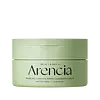
This oil-based makeup remover is made to dissolve makeup, sunscreen, and daily buildup.
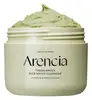
This mild cream cleanser is made to cleanse without leaving your skin tight or dry.

What's inside
What's inside
 Key Ingredients
Benefits
Concerns
Ingredients Side-by-side
Sorbeth-30 Tetraoleate
Emulsifying

Cetyl Ethylhexanoate
EmollientIsopropyl Palmitate
Emollient


Propylene Glycol Dicaprylate/Dicaprate
EmollientTriethylhexanoin
MaskingSynthetic Wax
Abrasive
Ethylhexyl Palmitate
Emollient
Isohexadecane
EmollientEthylhexyl Pelargonate
EmollientZea Mays Germ Oil
Emollient
Silica Dimethyl Silylate
EmollientButyrospermum Parkii Butter
Skin Conditioning

Water
Skin ConditioningCaprylic/Capric Triglyceride
Masking
1,2-Hexanediol
Skin Conditioning
Sorbitan Sesquioleate
Emulsifying
Diisopropyl Sebacate
EmollientDimethyl Isosorbide
SolventArtemisia Princeps Leaf Water
MaskingCamellia Sinensis Leaf Water
Masking
Carthamus Tinctorius Flower Extract
Skin ConditioningPentaerythrityl Tetra-Di-T-Butyl Hydroxyhydrocinnamate
Antioxidant
Benzotriazolyl Dodecyl P-Cresol
UV AbsorberDextrin
AbsorbentGardenia Florida Flower Extract
Skin ConditioningButylene Glycol
Humectant
Malt Extract
Skin ProtectingSodium DNA
Skin Conditioning
Camellia Sinensis Leaf Extract
Antimicrobial




Ethylhexylglycerin
Skin ConditioningCentella Asiatica Extract
Cleansing

Ceramide NP
Skin Conditioning
Houttuynia Cordata Extract
Skin Conditioning
Panthenol
Skin Conditioning
Mannitol
Humectant
Glycerin
Humectant
Disodium EDTA
ChelatingPapain
Skin Conditioning
Bromelain
Skin Conditioning
Sodium Hyaluronate
Humectant
Beta-Glucan
Skin Conditioning
Protease
Exfoliating
Hydrolyzed Hyaluronic Acid
Humectant
Sodium Acetylated Hyaluronate
Humectant
Sorbeth-30 Tetraoleate, Cetyl Ethylhexanoate, Isopropyl Palmitate, Propylene Glycol Dicaprylate/Dicaprate, Triethylhexanoin, Synthetic Wax, Ethylhexyl Palmitate, Isohexadecane, Ethylhexyl Pelargonate, Zea Mays Germ Oil, Silica Dimethyl Silylate, Butyrospermum Parkii Butter, Water, Caprylic/Capric Triglyceride, 1,2-Hexanediol, Sorbitan Sesquioleate, Diisopropyl Sebacate, Dimethyl Isosorbide, Artemisia Princeps Leaf Water, Camellia Sinensis Leaf Water, Carthamus Tinctorius Flower Extract, Pentaerythrityl Tetra-Di-T-Butyl Hydroxyhydrocinnamate, Benzotriazolyl Dodecyl P-Cresol, Dextrin, Gardenia Florida Flower Extract, Butylene Glycol, Malt Extract, Sodium DNA, Camellia Sinensis Leaf Extract, Ethylhexylglycerin, Centella Asiatica Extract, Ceramide NP, Houttuynia Cordata Extract, Panthenol, Mannitol, Glycerin, Disodium EDTA, Papain, Bromelain, Sodium Hyaluronate, Beta-Glucan, Protease, Hydrolyzed Hyaluronic Acid, Sodium Acetylated Hyaluronate
Glycerin
Humectant
Water
Skin ConditioningSodium Cocoyl Isethionate
Cleansing
Sodium Cocoyl Glycinate
Cleansing
Prunus Amygdalus Dulcis Seed Meal
Abrasive
1,2-Hexanediol
Skin Conditioning
Coconut Acid
Cleansing
Sodium Methyl Cocoyl Taurate
Cleansing
Cellulose
Absorbent
Oryza Sativa Powder
Sodium Isethionate
CleansingHamamelis Virginiana Extract
Antiseborrhoeic

Glyceryl Stearate
Emollient
Hydroxypropyl Starch Phosphate
Propanediol
Solvent
Sodium Chloride
MaskingXanthan Gum
EmulsifyingArtemisia Caruifolia Powder
Abrasive
Parfum
Masking
Caprylyl Glycol
Emollient
Dextrin
AbsorbentGardenia Florida Fruit Extract
Skin ConditioningHexyl Cinnamal
Perfuming
Ethylhexylglycerin
Skin ConditioningDipropylene Glycol
HumectantDisodium EDTA
ChelatingHelianthus Annuus Seed Oil
Emollient
Butylene Glycol
Humectant
Camellia Sinensis Leaf Powder
Olea Europaea Fruit Oil
Masking
Simmondsia Chinensis Seed Oil
Emollient
Sodium Hyaluronate
Humectant
Lupinus Albus Seed Extract
Skin ConditioningPortulaca Oleracea Extract
Skin Conditioning
Adansonia Digitata Fruit Extract
EmollientAnthemis Nobilis Flower Extract
Masking
Centella Asiatica Extract
Cleansing
Chamaecyparis Obtusa Leaf Extract
Skin ConditioningMelaleuca Alternifolia Leaf Extract
Perfuming
Origanum Vulgare Leaf Extract
Skin ConditioningSalix Alba Bark Extract
Astringent
Rosa Canina Fruit Extract
Astringent
Camellia Sinensis Leaf Extract
Antimicrobial
Cinnamomum Cassia Bark Extract
Masking
Lactobacillus/Soybean Ferment Extract
Skin ConditioningNelumbo Nucifera Leaf Extract
Skin ConditioningSaururus Chinensis Extract
Skin ConditioningScutellaria Baicalensis Root Extract
Astringent
Oryza Sativa Extract
Absorbent
Ficus Carica Fruit Extract
Humectant
Lycium Chinense Fruit Extract
Antioxidant
Tocopherol
Antioxidant
Vigna Radiata Seed Extract
Skin ConditioningGlycerin, Water, Sodium Cocoyl Isethionate, Sodium Cocoyl Glycinate, Prunus Amygdalus Dulcis Seed Meal, 1,2-Hexanediol, Coconut Acid, Sodium Methyl Cocoyl Taurate, Cellulose, Oryza Sativa Powder, Sodium Isethionate, Hamamelis Virginiana Extract, Glyceryl Stearate, Hydroxypropyl Starch Phosphate, Propanediol, Sodium Chloride, Xanthan Gum, Artemisia Caruifolia Powder, Parfum, Caprylyl Glycol, Dextrin, Gardenia Florida Fruit Extract, Hexyl Cinnamal, Ethylhexylglycerin, Dipropylene Glycol, Disodium EDTA, Helianthus Annuus Seed Oil, Butylene Glycol, Camellia Sinensis Leaf Powder, Olea Europaea Fruit Oil, Simmondsia Chinensis Seed Oil, Sodium Hyaluronate, Lupinus Albus Seed Extract, Portulaca Oleracea Extract, Adansonia Digitata Fruit Extract, Anthemis Nobilis Flower Extract, Centella Asiatica Extract, Chamaecyparis Obtusa Leaf Extract, Melaleuca Alternifolia Leaf Extract, Origanum Vulgare Leaf Extract, Salix Alba Bark Extract, Rosa Canina Fruit Extract, Camellia Sinensis Leaf Extract, Cinnamomum Cassia Bark Extract, Lactobacillus/Soybean Ferment Extract, Nelumbo Nucifera Leaf Extract, Saururus Chinensis Extract, Scutellaria Baicalensis Root Extract, Oryza Sativa Extract, Ficus Carica Fruit Extract, Lycium Chinense Fruit Extract, Tocopherol, Vigna Radiata Seed Extract
Reviews
Ingredients Explained
These ingredients are found in both products.
Ingredients higher up in an ingredient list are typically present in a larger amount.
1,2-Hexanediol is a synthetic liquid and another multi-functional powerhouse.
It is a:
- Humectant, drawing moisture into the skin
- Emollient, helping to soften skin
- Solvent, dispersing and stabilizing formulas
- Preservative booster, enhancing the antimicrobial activity of other preservatives
Butylene Glycol (or BG) is used within cosmetic products for a few different reasons:
Overall, Butylene Glycol is a safe and well-rounded ingredient that works well with other ingredients.
Though this ingredient works well with most skin types, some people with sensitive skin may experience a reaction such as allergic rashes, closed comedones, or itchiness.
Learn more about Butylene GlycolCamellia Sinensis Leaf Extract (tea extract) is one of the most well-researched plant extracts in skincare with an impressive resume.
Black tea, green tea, and oolong tea are all harvested from the Camellia Sinensis plant.
Studies show green tea extract and its catechins (like epigallocatechin gallate (EGCG)) help your skin cells product energy more efficiently and reducing the number of free-radicals that can damage your skin from the inside.
In lab-grown skin models, this translated to younger, healthier, and stronger skin.
There's also good sun protection data; researchers saw less DNA damage and redness on human skin when green tea was applied before UVB exposure. And the more they applied, the better the protection.
Needless to say, this ingredient shouldn't replace your sunscreen. But it is a great supportive ingredient that you can already find in many sunscreens and antioxidant serums.
A 2009 study found a 2% green tea lotion was effective for mild-to-moderate acne thanks to its anti-inflammatory and mild antimicrobial activity.
The quality of the extract matters a lot here:
Good extracts contain 50-90% catechins while lower quality ones are mostly there for marketing. We recommend reaching out to the brand if you have questions about the quality or source of their ingredients.
Human Repeated Insult Patch Testing showed no irritation or sensitization at use concentrations (0.86% in leave-on products and up to 30% as leaf water).
Learn more about Camellia Sinensis Leaf ExtractCentella Asiatica Extract (Centella) is one of the most researched botanical extracts in skincare with decades of studies backing its effects on inflammation, collagen, and the skin barrier.
That research keeps pointing back to the same four triterpenoid saponins: Asiaticoside, Madecassoside, Asiatic Acid, and Madecassic Acid.
These compounds allow centella to dial back inflammation, encourage the skin to build and hold onto collagen, support the barrier and hydration, and bring solid antioxidant activity to protect against signs of aging.
Centella also carries a nice supporting cast of Vitamin A, vitamin C, several B vitamins, and amino acids. Put it all together and you get an ingredient that soothes, hydrates, and protects, all at once.
Most of centella's magic comes from the four big compounds (Asiaticoside, Madecassoside, Asiatic Acid, and Madecassic Acid). These are the actives doing the heavy lifting in almost every centella study.
Here is the short version of what they do in the skin:
So it is not just soothing for the sake of soothing. Centella calms the skin AND helps it rebuild.
Just FYI, not all centella on an ingredient list is the same. What you are getting actually depends on the extract:
Fun fact on the ratios: the leaves tend to be richest in Madecassoside and Asiaticoside, and lower in the two acids. The exact amounts shift with where the plant is grown and how it is processed. This means purity really does vary brand to brand.
Centella is one of the most easygoing actives out there.
It layers well with basically everything: niacinamide, hyaluronic acid, peptides, and vitamin C, and also pairs nicely with stronger actives like retinoids and exfoliating acids where it can help take the edge off irritation.
On the safety side, centella and its triterpenes are classified as weak sensitizers, meaning allergic reactions are possible but uncommon.
Patch tests at 1% and 5% came back negative in test panels, and creams at typical use levels did not cause allergic reactions across large groups of people.
But as with any new active, a patch test is still a smart move for very reactive skin.
Centella is widely used because it is effective at low percentages. For context, human safety testing found no meaningful irritation from creams containing centella extract at everyday use levels (the tested amounts were well under 1%).
The irritancy threshold in animal testing was also above 30% (so real-world formulas sit far below anything concerning).
In collagen lab studies, higher concentrations drove more collagen synthesis, so serums built around centella tend to feature it more prominently.
Bottom line: you will find centella working nicely anywhere from a fraction of a percent up to hero-ingredient levels depending on whether it is a supporting soother or the main event.
Fun fact: Centella has been used as a medicine and in food for many centuries. As a medicine, it is used to treat burns, scratches, and wounds.
Learn more about Centella Asiatica ExtractDextrin is a starch-derived polysaccharide. It's made by partially breaking down corn, potato, or other plant starches.
Think of it as "half-processed" starch; it's less complex than the original but not fully broken down into sugar like maltodextrin.
In cosmetics, it mainly functions as a bulking agent, viscosity controller, binder, and absorbent. It helps thicken products, stabilize powders, and get certain textures a less "wet" feel.
This ingredient has a pretty solid safety profile; it's recognized as a safe food additive and its large molecular size means it doesn't meaningfully penetrate skin.
Human repeat insult patch tests using a rinse-off facial product containing 42.69% dextrin found no skin irritation or sensitization in 54 subjects.
Typical real-world usage is much lower: usually under 1% as a texture modifier and up to 40% in masks (rinse off products use less).
Learn more about DextrinDisodium EDTA is a chelating agent. It grabs onto and deactivates metal ions that sneak into your products from water, packaging, or air.
This ingredient mainly works behind the scenes and helps with:
On top of that, this ingredient can counteract the effects of hard water by binding to the minerals in it.
One thing worth knowing is that Disodium EDTA has been shown to be a mild penetration enhancer. It can help other ingredients absorb into skin more effectively which can be a double-edged sword (great for actives, but can also make the active too strong if you have sensitive skin).
Clinical patch testing showed no significant skin irritation at typical use concentrations and minimal dermal absorption.
You'll most likely see this ingredient near the end of an ingredient list. It's typically found in concentrations less than 1%.
Learn more about Disodium EDTAEthylhexylglycerin is created from glycerin. It is a multitasker ingredient that:
The CIR Expert Panel found minimal skin absorption or sensitization of any kind in a safety assessment. Though this ingredient is considered well-tolerated, a small number of cases of allergic dermatitis have been published since 2002. Just be sure to patch test if you are unsure.
Industry-reported use ranges from 8% in rinse-off products and 2% in leave-on formulations.
Learn more about EthylhexylglycerinGlycerin (or glycerol) is a compound naturally found in your skin. It's a powerhouse humectant that pulls water into the stratum corneum.
Topically, glycerin does several things at once:
Your skin makes glycerin on its own (mostly from sebaceous oil breakdown) and shuttles it to your outermost layer of skin, or your epidermis, via aquaporin-3.
Aquaporin-3 is a transporter that is essential for normal skin hydration, elasticity, and repair. Interestingly, mice lacking in AQP3 have dry and less elastic skin that can be fully corrected with glycerin.
This ingredient is non-irritating, plays well with almost every ingredient, and works across all skin types. Typical use is anywhere between 3-10% but can go up to 79% in some leave-on products.
Just know very high concentrations (>40%) can feel tacky in low humidity.
Glycerin is the name for this ingredient in American English. British English uses Glycerol/Glycerine.
Learn more about GlycerinSodium Hyaluronate is the salt form of hyaluronic acid. It is a long sugar chain that is naturally found in your skin, joints, and connective tissue that maintains hydration and elasticity.
In skincare, it works as a humectant. It pulls water from the environment and deeper layers of skin and binds it to the surface.
Interestingly, the size of the molecule affects its behavior:
Some clinical evidence links low molecular weight versions to improved wrinkle depth, elasticity, anti-inflammatory effects, and barrier repair.
Many serums use a blend of both weights so you can get surface hydration plus longer-lasting and deeper effects.
You'll typically see concentrations between 0.1-2% for this ingredient.
Learn more about Sodium HyaluronateWater. It's the most common cosmetic ingredient of all. You'll usually see it at the top of ingredient lists, meaning that it makes up the largest part of the product.
So why is it so popular? Water most often acts as a solvent - this means that it helps dissolve other ingredients into the formulation.
You'll also recognize water as that liquid we all need to stay alive. If you see this, drink a glass of water. Remember to stay hydrated!
Learn more about Water

