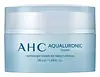
This barrier-repair moisturizer is formulated around Niacinamide and Sodium Hyaluronate to strengthen the skin barrier and hydrate skin.
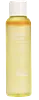
This hydrating toner is formulated around Bambusa Vulgaris Extract and Glycyrrhiza Glabra Root Extract to hydrate skin and calm redness.

What's inside
What's inside
 Key Ingredients
Benefits
Concerns
Ingredients Side-by-side
Water
Skin ConditioningPropanediol
Solvent

Butylene Glycol
Humectant
Glycerin
Humectant
1,2-Hexanediol
Skin Conditioning
Niacinamide
Smoothing









Polymethylsilsesquioxane

Cyclopentasiloxane
Emollient
Dimethicone
Emollient
Cyclohexasiloxane
Emollient
Ethylhexyl Palmitate
Emollient




Codium Tomentosum Extract
Skin ProtectingEnteromorpha Compressa Extract
Skin Protecting
Undaria Pinnatifida Extract
Skin ConditioningAmmonium Acryloyldimethyltaurate/Vp Copolymer
Carbomer
Emulsion StabilisingCetearyl Olivate
Cetyl Ethylhexanoate
EmollientTromethamine
BufferingSorbitan Olivate
Emulsifying
Artemisia Princeps Leaf Extract
Skin ConditioningPolyglyceryl-10 Oleate
Skin Conditioning
Parfum
Masking


Maris Aqua
HumectantEthylhexylglycerin
Skin ConditioningAdenosine
Skin Conditioning
Hydrogenated Lecithin
Emulsifying
Disodium EDTA
ChelatingSodium Hyaluronate
Humectant
Caprylic/Capric Triglyceride
Masking
Camellia Sinensis Leaf Extract
Antimicrobial
Nelumbo Nucifera Flower Extract
Skin ConditioningPropylene Glycol
Humectant
Butyrospermum Parkii Butter
Skin Conditioning
Avena Sativa Kernel Extract
Abrasive
Lilium Candidum Bulb Extract
Skin ConditioningCeramide NP
Skin Conditioning
Myrothamnus Flabellifolia Leaf/Stem Extract
HumectantCeramide AP
Skin Conditioning
Ceramide Ns
Skin Conditioning
Cholesterol
Emollient
Ceramide As
Skin Conditioning
Eucalyptus Globulus Leaf Extract
Perfuming
Madecassic Acid
Skin Conditioning
Asiaticoside
Antioxidant
Asiatic Acid
Skin Conditioning
Ascorbic Acid
Antioxidant
Citric Acid
Buffering
Phytosphingosine
Skin Conditioning
Ceramide EOP
Skin Conditioning
Water, Propanediol, Butylene Glycol, Glycerin, 1,2-Hexanediol, Niacinamide, Polymethylsilsesquioxane, Cyclopentasiloxane, Dimethicone, Cyclohexasiloxane, Ethylhexyl Palmitate, Codium Tomentosum Extract, Enteromorpha Compressa Extract, Undaria Pinnatifida Extract, Ammonium Acryloyldimethyltaurate/Vp Copolymer, Carbomer, Cetearyl Olivate, Cetyl Ethylhexanoate, Tromethamine, Sorbitan Olivate, Artemisia Princeps Leaf Extract, Polyglyceryl-10 Oleate, Parfum, Maris Aqua, Ethylhexylglycerin, Adenosine, Hydrogenated Lecithin, Disodium EDTA, Sodium Hyaluronate, Caprylic/Capric Triglyceride, Camellia Sinensis Leaf Extract, Nelumbo Nucifera Flower Extract, Propylene Glycol, Butyrospermum Parkii Butter, Avena Sativa Kernel Extract, Lilium Candidum Bulb Extract, Ceramide NP, Myrothamnus Flabellifolia Leaf/Stem Extract, Ceramide AP, Ceramide Ns, Cholesterol, Ceramide As, Eucalyptus Globulus Leaf Extract, Madecassic Acid, Asiaticoside, Asiatic Acid, Ascorbic Acid, Citric Acid, Phytosphingosine, Ceramide EOP
Bambusa Vulgaris Extract 86%
Skin Conditioning
Glycerin
Humectant
PEG/PPG-17/6 Copolymer
SolventDipropylene Glycol
HumectantNeopentyl Glycol Diethylhexanoate
Emollient
Betaine
Humectant
Neopentyl Glycol Dicaprate
EmollientWater
Skin Conditioning1,2-Hexanediol
Skin Conditioning
Glycereth-26
Humectant
Phenoxyethanol
Preservative
Octyldodecanol
Emollient
Olea Europaea Fruit Oil
Masking
Simmondsia Chinensis Seed Oil
Emollient
Ethylhexyl Methoxycinnamate
UV Absorber

Helianthus Annuus Seed Oil
Emollient
Glycyrrhiza Glabra Root Extract
Bleaching
Diospyros Kaki Leaf Extract
Skin Protecting
Morus Alba Bark Extract
Skin ConditioningOpuntia Coccinellifera Fruit Extract
Skin ConditioningButylene Glycol
Humectant
Citrus Paradisi Fruit Extract
Skin ConditioningCitrus Junos Fruit Extract
Skin ConditioningEucalyptus Globulus Leaf Extract
Perfuming
Eugenia Caryophyllus Flower Extract
AstringentSophora Angustifolia Root Extract
Skin ConditioningAnthemis Nobilis Flower Water
Masking
Adenosine
Skin Conditioning
Carbomer
Emulsion StabilisingLeontopodium Alpinum Extract
Skin ConditioningDisodium EDTA
ChelatingTromethamine
BufferingSaccharide Isomerate
Humectant
Echium Plantagineum Seed Oil
Skin Conditioning
Citrus Aurantium Bergamia Fruit Oil
Masking
Citrus Aurantium Dulcis Peel Oil
Masking
Citrus Medica Peel Oil
Glycine Soja Oil
Emollient
Helianthus Annuus Seed Oil Unsaponifiables
Emollient
Citrus Aurantifolia Oil
Cleansing
Lavandula Angustifolia Oil
Masking
Pentylene Glycol
Skin Conditioning
Sodium Hyaluronate
Humectant
Cardiospermum Halicacabum Flower/Leaf/Vine Extract
Skin ConditioningPelargonium Graveolens Flower Oil
Masking
Salvia Sclarea Oil
Masking
Santalum Album Oil
Masking
Cananga Odorata Flower Oil
Masking
Bixa Orellana Seed Oil
Emollient
Tocopherol
Antioxidant
Citric Acid
Buffering
Ethylhexylglycerin
Skin ConditioningSodium Citrate
BufferingSodium Benzoate
Masking
Potassium Sorbate
Preservative
Bambusa Vulgaris Extract 86%, Glycerin, PEG/PPG-17/6 Copolymer, Dipropylene Glycol, Neopentyl Glycol Diethylhexanoate, Betaine, Neopentyl Glycol Dicaprate, Water, 1,2-Hexanediol, Glycereth-26, Phenoxyethanol, Octyldodecanol, Olea Europaea Fruit Oil, Simmondsia Chinensis Seed Oil, Ethylhexyl Methoxycinnamate, Helianthus Annuus Seed Oil, Glycyrrhiza Glabra Root Extract, Diospyros Kaki Leaf Extract, Morus Alba Bark Extract, Opuntia Coccinellifera Fruit Extract, Butylene Glycol, Citrus Paradisi Fruit Extract, Citrus Junos Fruit Extract, Eucalyptus Globulus Leaf Extract, Eugenia Caryophyllus Flower Extract, Sophora Angustifolia Root Extract, Anthemis Nobilis Flower Water, Adenosine, Carbomer, Leontopodium Alpinum Extract, Disodium EDTA, Tromethamine, Saccharide Isomerate, Echium Plantagineum Seed Oil, Citrus Aurantium Bergamia Fruit Oil, Citrus Aurantium Dulcis Peel Oil, Citrus Medica Peel Oil, Glycine Soja Oil, Helianthus Annuus Seed Oil Unsaponifiables, Citrus Aurantifolia Oil, Lavandula Angustifolia Oil, Pentylene Glycol, Sodium Hyaluronate, Cardiospermum Halicacabum Flower/Leaf/Vine Extract, Pelargonium Graveolens Flower Oil, Salvia Sclarea Oil, Santalum Album Oil, Cananga Odorata Flower Oil, Bixa Orellana Seed Oil, Tocopherol, Citric Acid, Ethylhexylglycerin, Sodium Citrate, Sodium Benzoate, Potassium Sorbate
Ingredients Explained
These ingredients are found in both products.
Ingredients higher up in an ingredient list are typically present in a larger amount.
1,2-Hexanediol is a synthetic liquid and another multi-functional powerhouse.
It is a:
- Humectant, drawing moisture into the skin
- Emollient, helping to soften skin
- Solvent, dispersing and stabilizing formulas
- Preservative booster, enhancing the antimicrobial activity of other preservatives
Adenosine is a purine nucleoside that your body already makes in every cell. In skincare, it acts mainly as a skin conditioning and anti-aging agent.
The way it works is fairly well mapped out:
Your skin has cells called fibroblasts that build collagen (the stuff that keeps skin firm and smooth). Adenosine basically flips a switch on these cells that tells them to get to work making more collagen and other proteins. These cells slow down on their own as skin ages, so Adenosine helps give them a little nudge to keep going.
The clinical backing is pretty solid too.
A blind, randomized, placebo-controlled trial of 126 women aged 45-65 tested a 0.1% cream twice daily and found real improvements in crow's feet and frown lines using a precise 3D skin-mapping technique; these changes showed up by week 3 and held at 2 months.
A later study using Adenosine-loaded dissolving microneedle patches reported gains in wrinkle depth, dermal density, elasticity, and hydration.
On concentrations, South Korea's Ministry of Food and Drug Safety has set 0.04% as the approved functional anti-wrinkle level. You'll typically see this ingredient used somewhere in the 0.04-0.1% range since it works at low doses.
This ingredient has been found safe for cosmetics with the data showing no irritation or sensitization.
Overall, this is a great ingredient for any anti-aging routine and has no photosensitizing effect, so it suits both AM and PM use.
Learn more about AdenosineButylene Glycol (or BG) is used within cosmetic products for a few different reasons:
Overall, Butylene Glycol is a safe and well-rounded ingredient that works well with other ingredients.
Though this ingredient works well with most skin types, some people with sensitive skin may experience a reaction such as allergic rashes, closed comedones, or itchiness.
Learn more about Butylene GlycolCarbomer is a synthetic thickening and gelling agent. It's basically the ingredient that gives a lot of serums, gels, creams, and sunscreens their smooth, non-sticky texture.
Although legally permitted at very high levels, carbomers are normally used at concentrations below 1%.
It also needs to be neutralized to actually thicken, and because it is a large molecule, it doesn't really penetrate the skin barrier.
Allergy-wise, the risk is very low. Clinical studies show carbomers have low potential for skin irritation/sensitization even at concentrations up to 100%.
A 2024 UK study patch-tested 1,302 patients and found true allergy to the parent group of carbomer to be rare with no confirmed relevant reactions.
Learn more about CarbomerCitric Acid is an alpha hydroxy acid (AHA) naturally found in citrus fruits like oranges, lemons, and limes.
Like other AHAs, citric acid can exfoliate skin by breaking down the bonds that hold dead skin cells together. This helps reveal smoother and brighter skin underneath.
However, this exfoliating effect only happens at high concentrations (20%) which can be hard to find in cosmetic products.
Due to this, citric acid is usually included in small amounts as a pH adjuster. This helps keep products slightly more acidic and compatible with skin's natural pH.
In skincare formulas, citric acid can:
While it can provide some skin benefits, research shows lactic acid and glycolic acid are generally more effective and less irritating exfoliants.
Most citric acid used in skincare today is made by fermenting sugars (usually from molasses). This synthetic version is identical to the natural citrus form but easier to stabilize and use in formulations.
Rosacea skin has a lower threshold for acids generally, with 62.5% of rosacea subjects in one study reacting to lactic acid in a sting test. This is why we mark citric acid as a potential rosacea trigger.
However, this ingredient shows up as a pH adjuster or chelator at roughly 0.1-1% in many products. These low levels are unlikely to be an issue for rosacea skin and becomes a potential trigger at exfoliating concentrations (20%). Because everybody's skin is unique, we recommend a patch test if you are unsure.
Learn more about Citric AcidDisodium EDTA is a chelating agent. It grabs onto and deactivates metal ions that sneak into your products from water, packaging, or air.
This ingredient mainly works behind the scenes and helps with:
On top of that, this ingredient can counteract the effects of hard water by binding to the minerals in it.
One thing worth knowing is that Disodium EDTA has been shown to be a mild penetration enhancer. It can help other ingredients absorb into skin more effectively which can be a double-edged sword (great for actives, but can also make the active too strong if you have sensitive skin).
Clinical patch testing showed no significant skin irritation at typical use concentrations and minimal dermal absorption.
You'll most likely see this ingredient near the end of an ingredient list. It's typically found in concentrations less than 1%.
Learn more about Disodium EDTAEthylhexylglycerin is created from glycerin. It is a multitasker ingredient that:
The CIR Expert Panel found minimal skin absorption or sensitization of any kind in a safety assessment. Though this ingredient is considered well-tolerated, a small number of cases of allergic dermatitis have been published since 2002. Just be sure to patch test if you are unsure.
Industry-reported use ranges from 8% in rinse-off products and 2% in leave-on formulations.
Learn more about EthylhexylglycerinEucalyptus globulus leaf extract comes from the leaves of the blue gum tree. It has perfuming and skin conditioning properties.
According to a manufacturer, this ingredient has antioxidants to help protect skin against free radicals.
This ingredient is water-soluble.
Learn more about Eucalyptus Globulus Leaf ExtractGlycerin (or glycerol) is a compound naturally found in your skin. It's a powerhouse humectant that pulls water into the stratum corneum.
Topically, glycerin does several things at once:
Your skin makes glycerin on its own (mostly from sebaceous oil breakdown) and shuttles it to your outermost layer of skin, or your epidermis, via aquaporin-3.
Aquaporin-3 is a transporter that is essential for normal skin hydration, elasticity, and repair. Interestingly, mice lacking in AQP3 have dry and less elastic skin that can be fully corrected with glycerin.
This ingredient is non-irritating, plays well with almost every ingredient, and works across all skin types. Typical use is anywhere between 3-10% but can go up to 79% in some leave-on products.
Just know very high concentrations (>40%) can feel tacky in low humidity.
Glycerin is the name for this ingredient in American English. British English uses Glycerol/Glycerine.
Learn more about GlycerinSodium Hyaluronate is the salt form of hyaluronic acid. It is a long sugar chain that is naturally found in your skin, joints, and connective tissue that maintains hydration and elasticity.
In skincare, it works as a humectant. It pulls water from the environment and deeper layers of skin and binds it to the surface.
Interestingly, the size of the molecule affects its behavior:
Some clinical evidence links low molecular weight versions to improved wrinkle depth, elasticity, anti-inflammatory effects, and barrier repair.
Many serums use a blend of both weights so you can get surface hydration plus longer-lasting and deeper effects.
You'll typically see concentrations between 0.1-2% for this ingredient.
Learn more about Sodium HyaluronateTromethamine (aka THAM) is a synthetic amino acid that shows up in skincare as a helper ingredient.
It functions as a pH adjuster to help neutralize acidic ingredients and set a formula's pH to the right spot.
This matters a lot because a lot of actives (like vitamin C) needs a specific pH to work well and feel comfortable on skin.
Concentration use ranges from 0.1-1.0% depending on the formula.
Learn more about TromethamineWater. It's the most common cosmetic ingredient of all. You'll usually see it at the top of ingredient lists, meaning that it makes up the largest part of the product.
So why is it so popular? Water most often acts as a solvent - this means that it helps dissolve other ingredients into the formulation.
You'll also recognize water as that liquid we all need to stay alive. If you see this, drink a glass of water. Remember to stay hydrated!
Learn more about Water

