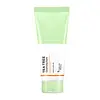
This salicylic acid foaming cleanser is formulated around Salicylic Acid to clear breakouts and unclog pores.

What's inside
What's inside
 Key Ingredients
Benefits
Concerns
Ingredients Side-by-side
Water
Skin ConditioningGlycerin
Humectant


Stearic Acid
Cleansing


Myristic Acid
Cleansing

Palmitic Acid
Emollient
Potassium Hydroxide
BufferingLauric Acid
Cleansing
Propanediol
Solvent
Cocamidopropyl Betaine
Cleansing

Sodium C14-16 Olefin Sulfonate
Cleansing
Salicylic Acid
Masking







Sodium Chloride
MaskingAcrylates/C10-30 Alkyl Acrylate Crosspolymer
Emulsion StabilisingEucalyptus Globulus Leaf Oil
Perfuming



Melaleuca Alternifolia Leaf Oil
Antioxidant
Cetearyl Alcohol
Emollient
Cellulose Gum
Emulsion StabilisingPolyquaternium-7
Hydrogenated Polydecene
EmollientDisodium EDTA
Caprylyl Glycol
Emollient
Ethylhexylglycerin
Skin ConditioningSodium Citrate
BufferingButylene Glycol
Humectant
Cymbopogon Schoenanthus Extract
Skin ConditioningPotassium Benzoate
Preservative
1,2-Hexanediol
Skin Conditioning
Sodium Benzoate
Masking
Citric Acid
Buffering
Melaleuca Alternifolia Leaf Extract
Perfuming
Centella Asiatica Extract
Cleansing


Chamaecyparis Obtusa Water
MaskingHouttuynia Cordata Extract
Skin Conditioning
Melia Azadirachta Flower Extract
Skin ConditioningPortulaca Oleracea Extract
Skin Conditioning
Water, Glycerin, Stearic Acid, Myristic Acid, Palmitic Acid, Potassium Hydroxide, Lauric Acid, Propanediol, Cocamidopropyl Betaine, Sodium C14-16 Olefin Sulfonate, Salicylic Acid, Sodium Chloride, Acrylates/C10-30 Alkyl Acrylate Crosspolymer, Eucalyptus Globulus Leaf Oil, Melaleuca Alternifolia Leaf Oil, Cetearyl Alcohol, Cellulose Gum, Polyquaternium-7, Hydrogenated Polydecene, Disodium EDTA, Caprylyl Glycol, Ethylhexylglycerin, Sodium Citrate, Butylene Glycol, Cymbopogon Schoenanthus Extract, Potassium Benzoate, 1,2-Hexanediol, Sodium Benzoate, Citric Acid, Melaleuca Alternifolia Leaf Extract, Centella Asiatica Extract, Chamaecyparis Obtusa Water, Houttuynia Cordata Extract, Melia Azadirachta Flower Extract, Portulaca Oleracea Extract
Water
Skin ConditioningMyristic Acid
Cleansing
Glycerin
Humectant
Stearic Acid
Cleansing
Potassium Hydroxide
BufferingPropylene Glycol
Humectant
Lauric Acid
Cleansing
Glycol Distearate
Emollient
Glyceryl Stearate Se
Emulsifying
Coco-Glucoside
Cleansing
Butylene Glycol
Humectant
Cetearyl Alcohol
Emollient
Centella Asiatica Extract
Cleansing
Collagen
Moisturising
Soluble Collagen
Humectant
Collagen Amino Acids
Moisturising
Hydrolyzed Collagen
Emollient
Collagen Extract
Skin Conditioning
Origanum Vulgare Leaf Extract
Skin ConditioningChamaecyparis Obtusa Leaf Extract
Skin ConditioningSalix Alba Bark Extract
Astringent
Lactobacillus/Soybean Ferment Extract
Skin ConditioningPortulaca Oleracea Extract
Skin Conditioning
Cinnamomum Cassia Bark Extract
Masking
Scutellaria Baicalensis Root Extract
Astringent
Panicum Miliaceum Seed Extract
Skin ConditioningLavandula Angustifolia Oil
Masking
Citrus Aurantium Bergamia Fruit Oil
Masking
Pelargonium Graveolens Flower Oil
Masking
Salvia Sclarea Oil
Masking
Citrus Limon Peel Oil
Masking
Juniperus Virginiana Oil
Masking
Panthenol
Skin Conditioning
Sodium Hyaluronate
Humectant
Biosaccharide Gum-4
Skin Conditioning
Asiatic Acid
Skin Conditioning
Asiaticoside
Antioxidant
Madecassic Acid
Skin Conditioning
Madecassoside
Antioxidant
Glycine
Buffering
Serine
Masking
Glutamic Acid
Humectant
Aspartic Acid
Masking
Leucine
Skin ConditioningAlanine
Masking
Lysine
Skin ConditioningArginine
Masking
Tyrosine
MaskingPhenylalanine
Masking
Valine
MaskingThreonine
Proline
Skin Conditioning
Isoleucine
Skin ConditioningHistidine
Humectant
Methionine
Skin ConditioningCysteine
Antioxidant
Tannic Acid
AstringentCitric Acid
Buffering
Caprylic/Capric Triglyceride
Masking
Hydrogenated Phosphatidylcholine
Emulsifying
Sucrose Stearate
EmollientDisodium EDTA
Lactose
HumectantCellulose
Absorbent
Ascorbyl Palmitate
Antioxidant
Tocopheryl Acetate
Antioxidant
Hydroxypropyl Methylcellulose
Emulsion StabilisingJojoba Esters
Emollient
1,2-Hexanediol
Skin Conditioning
Potassium Sorbate
Preservative
CI 77289
Cosmetic ColorantLinalool
Perfuming
Limonene
Perfuming
Citronellol
Perfuming
Geraniol
Perfuming
Water, Myristic Acid, Glycerin, Stearic Acid, Potassium Hydroxide, Propylene Glycol, Lauric Acid, Glycol Distearate, Glyceryl Stearate Se, Coco-Glucoside, Butylene Glycol, Cetearyl Alcohol, Centella Asiatica Extract, Collagen, Soluble Collagen, Collagen Amino Acids, Hydrolyzed Collagen, Collagen Extract, Origanum Vulgare Leaf Extract, Chamaecyparis Obtusa Leaf Extract, Salix Alba Bark Extract, Lactobacillus/Soybean Ferment Extract, Portulaca Oleracea Extract, Cinnamomum Cassia Bark Extract, Scutellaria Baicalensis Root Extract, Panicum Miliaceum Seed Extract, Lavandula Angustifolia Oil, Citrus Aurantium Bergamia Fruit Oil, Pelargonium Graveolens Flower Oil, Salvia Sclarea Oil, Citrus Limon Peel Oil, Juniperus Virginiana Oil, Panthenol, Sodium Hyaluronate, Biosaccharide Gum-4, Asiatic Acid, Asiaticoside, Madecassic Acid, Madecassoside, Glycine, Serine, Glutamic Acid, Aspartic Acid, Leucine, Alanine, Lysine, Arginine, Tyrosine, Phenylalanine, Valine, Threonine, Proline, Isoleucine, Histidine, Methionine, Cysteine, Tannic Acid, Citric Acid, Caprylic/Capric Triglyceride, Hydrogenated Phosphatidylcholine, Sucrose Stearate, Disodium EDTA, Lactose, Cellulose, Ascorbyl Palmitate, Tocopheryl Acetate, Hydroxypropyl Methylcellulose, Jojoba Esters, 1,2-Hexanediol, Potassium Sorbate, CI 77289, Linalool, Limonene, Citronellol, Geraniol
Reviews
Ingredients Explained
These ingredients are found in both products.
Ingredients higher up in an ingredient list are typically present in a larger amount.
1,2-Hexanediol is a synthetic liquid and another multi-functional powerhouse.
It is a:
- Humectant, drawing moisture into the skin
- Emollient, helping to soften skin
- Solvent, dispersing and stabilizing formulas
- Preservative booster, enhancing the antimicrobial activity of other preservatives
Butylene Glycol (or BG) is used within cosmetic products for a few different reasons:
Overall, Butylene Glycol is a safe and well-rounded ingredient that works well with other ingredients.
Though this ingredient works well with most skin types, some people with sensitive skin may experience a reaction such as allergic rashes, closed comedones, or itchiness.
Learn more about Butylene GlycolCentella Asiatica Extract (Centella) is one of the most researched botanical extracts in skincare with decades of studies backing its effects on inflammation, collagen, and the skin barrier.
That research keeps pointing back to the same four triterpenoid saponins: Asiaticoside, Madecassoside, Asiatic Acid, and Madecassic Acid.
These compounds allow centella to dial back inflammation, encourage the skin to build and hold onto collagen, support the barrier and hydration, and bring solid antioxidant activity to protect against signs of aging.
Centella also carries a nice supporting cast of Vitamin A, vitamin C, several B vitamins, and amino acids. Put it all together and you get an ingredient that soothes, hydrates, and protects, all at once.
Most of centella's magic comes from the four big compounds (Asiaticoside, Madecassoside, Asiatic Acid, and Madecassic Acid). These are the actives doing the heavy lifting in almost every centella study.
Here is the short version of what they do in the skin:
So it is not just soothing for the sake of soothing. Centella calms the skin AND helps it rebuild.
Just FYI, not all centella on an ingredient list is the same. What you are getting actually depends on the extract:
Fun fact on the ratios: the leaves tend to be richest in Madecassoside and Asiaticoside, and lower in the two acids. The exact amounts shift with where the plant is grown and how it is processed. This means purity really does vary brand to brand.
Centella is one of the most easygoing actives out there.
It layers well with basically everything: niacinamide, hyaluronic acid, peptides, and vitamin C, and also pairs nicely with stronger actives like retinoids and exfoliating acids where it can help take the edge off irritation.
On the safety side, centella and its triterpenes are classified as weak sensitizers, meaning allergic reactions are possible but uncommon.
Patch tests at 1% and 5% came back negative in test panels, and creams at typical use levels did not cause allergic reactions across large groups of people.
But as with any new active, a patch test is still a smart move for very reactive skin.
Centella is widely used because it is effective at low percentages. For context, human safety testing found no meaningful irritation from creams containing centella extract at everyday use levels (the tested amounts were well under 1%).
The irritancy threshold in animal testing was also above 30% (so real-world formulas sit far below anything concerning).
In collagen lab studies, higher concentrations drove more collagen synthesis, so serums built around centella tend to feature it more prominently.
Bottom line: you will find centella working nicely anywhere from a fraction of a percent up to hero-ingredient levels depending on whether it is a supporting soother or the main event.
Fun fact: Centella has been used as a medicine and in food for many centuries. As a medicine, it is used to treat burns, scratches, and wounds.
Learn more about Centella Asiatica ExtractCetearyl alcohol is a waxy mixture of two fatty alcohols: cetyl alcohol and stearyl alcohol. It is an emollient and emulsifier.
Despite having "alcohol" in its name, it has nothing to do with drying solvent alcohols; the FDA also allows "alcohol-free" products to contain fatty alcohols like this ingredient.
It plays several roles in a formula:
Typical use levels for this ingredient sit around 1-10% and the Cosmetic Ingredient Review Expert Panel has affirmed safety at concentrations up to 25% in leave-on products.
Multiple assessments have found it to be non-irritating and non-sensitizing to most people.
However, there have been some cases of allergic contact dermatitis in patients with chronically compromised skin barriers.
Cetearyl alcohol has a comedogenic rating of 2 and irritancy rating of 1. Both of these numbers come from the 1989 study that used rabbit ears; a "2" means mildly comedogenic and a "1" means low irritancy.
Here's the catch: rabbit skin is more sensitive than human skin and throws a lot of false positives. A 1996 reappraisal found that ingredients rated 1-2 in the rabbit ear tests are generally safe for humans.
Remember comedogenic ratings are unable to assess the entire formula of a product or how it will react on your skin. Just be sure to patch test if you are unsure about certain ingredients.
This ingredient is not fungal acne safe. Cetearyl alcohol is a fatty alcohol with chain lengths that fall within the range that Malassezia can metabolize.
A 2019 study has also observed Malassezia growth in the presence of this ingredient, confirming it to be not-fungal acne safe.
Learn more about Cetearyl AlcoholCitric Acid is an alpha hydroxy acid (AHA) naturally found in citrus fruits like oranges, lemons, and limes.
Like other AHAs, citric acid can exfoliate skin by breaking down the bonds that hold dead skin cells together. This helps reveal smoother and brighter skin underneath.
However, this exfoliating effect only happens at high concentrations (20%) which can be hard to find in cosmetic products.
Due to this, citric acid is usually included in small amounts as a pH adjuster. This helps keep products slightly more acidic and compatible with skin's natural pH.
In skincare formulas, citric acid can:
While it can provide some skin benefits, research shows lactic acid and glycolic acid are generally more effective and less irritating exfoliants.
Most citric acid used in skincare today is made by fermenting sugars (usually from molasses). This synthetic version is identical to the natural citrus form but easier to stabilize and use in formulations.
Rosacea skin has a lower threshold for acids generally, with 62.5% of rosacea subjects in one study reacting to lactic acid in a sting test. This is why we mark citric acid as a potential rosacea trigger.
However, this ingredient shows up as a pH adjuster or chelator at roughly 0.1-1% in many products. These low levels are unlikely to be an issue for rosacea skin and becomes a potential trigger at exfoliating concentrations (20%). Because everybody's skin is unique, we recommend a patch test if you are unsure.
Learn more about Citric AcidDisodium EDTA is a chelating agent. It grabs onto and deactivates metal ions that sneak into your products from water, packaging, or air.
This ingredient mainly works behind the scenes and helps with:
On top of that, this ingredient can counteract the effects of hard water by binding to the minerals in it.
One thing worth knowing is that Disodium EDTA has been shown to be a mild penetration enhancer. It can help other ingredients absorb into skin more effectively which can be a double-edged sword (great for actives, but can also make the active too strong if you have sensitive skin).
Clinical patch testing showed no significant skin irritation at typical use concentrations and minimal dermal absorption.
You'll most likely see this ingredient near the end of an ingredient list. It's typically found in concentrations less than 1%.
Learn more about Disodium EDTAGlycerin (or glycerol) is a compound naturally found in your skin. It's a powerhouse humectant that pulls water into the stratum corneum.
Topically, glycerin does several things at once:
Your skin makes glycerin on its own (mostly from sebaceous oil breakdown) and shuttles it to your outermost layer of skin, or your epidermis, via aquaporin-3.
Aquaporin-3 is a transporter that is essential for normal skin hydration, elasticity, and repair. Interestingly, mice lacking in AQP3 have dry and less elastic skin that can be fully corrected with glycerin.
This ingredient is non-irritating, plays well with almost every ingredient, and works across all skin types. Typical use is anywhere between 3-10% but can go up to 79% in some leave-on products.
Just know very high concentrations (>40%) can feel tacky in low humidity.
Glycerin is the name for this ingredient in American English. British English uses Glycerol/Glycerine.
Learn more about GlycerinLauric Acid is a saturated fatty acid naturally found in coconut oil, palm kernel oil, and even breast milk.
In cosmetics, it is an:
Lab studies have found that lauric acid is surprisingly good at killing acne-causing bacteria. However, these tests were done on bacteria in a petri dish and not on real skin, so we can't say for certain it works the same in a formulation on a real face.
The comedogenic rating of 4 comes from the 1972 rabbit ear model using undiluted ingredients. Comedogenicity is highly individual and one comedogenic ingredient cannot predict how a formula will behave on skin.
This ingredient is not fungal acne safe and research has confirmed Malassezia can use it as a food source. Even though "fungal acne" has the word "acne" in it, they are completely different. Regular acne is driven by a bacteria called Cutibacterium acnes, clogged pores, and excess oil. Fungal acne isn't really acne; it's caused by an overgrowth of a yeast called Malassezia that already lives on everyone's skin. Because one is bacterial and the other is fungal, they respond to different ingredients.
Learn more about Lauric AcidMyristic Acid, aka tetradecanoic acid, is a naturally occurring fatty acid found in coconut oil and palm oil.
In skincare, it is an:
Research indicates that this ingredient posts a low risk of irritation and sensitization.
Since myristic acid is a C14 fatty acid, it falls within the range that Malassezia can metabolize, and therefore not fungal acne safe.
Learn more about Myristic AcidThis extract comes from Purslane, a succulent. It has anti-inflammatory, antioxidant, and hydrating properties.
Purslane is very nutritious. It contains omega-3 fatty acids, NMFs, many vitamins, minerals, and antioxidants. The vitamins found in purslane include: Vitamin C, Vitamin A, and Vitamin E.
Fun fact: Purslane is a succulent with an extensive habitat. It is used in traditional Korean medicine to treat irritated skin.
Nowadays, purslane is becoming a superfood due to its highly nutritious content.
Learn more about Portulaca Oleracea ExtractPotassium Hydroxide (also known as potash) is a strong alkaline ingredient that does one job: it nudges a product's pH up so the whole formula lands in a skin-friendly range.
It's also the base that turns oils into liquid soap during the soap making process.
An expert safety panel reviewed it and found it safe when formulations are made to be non-irritating.
As a pH adjuster, it's typically used well under 1% though regulatory caps go much higher: 5% in nail cuticle removers and 2-4.5% in hair straighteners.
Though there is some concern for irritation from raw or high pH material, a well-balanced formula will be a non-issue for the vast majority of people.
Learn more about Potassium HydroxideStearic Acid is a fatty acid that is already found in your skin. It's one of the free fatty acids that works alongside ceramides and cholesterols to maintain your barrier.
In cosmetics, it is a multitasker:
Safety-wise, the CIR Expert Panel has concluded it to be safe in cosmetics when formulated to be non-irritating and non-sensitizing.
Free stearic acid is a C18 fatty acid that the Malassezia yeast can substrate, so this ingredient may not be fungal acne safe.
Learn more about Stearic AcidWater. It's the most common cosmetic ingredient of all. You'll usually see it at the top of ingredient lists, meaning that it makes up the largest part of the product.
So why is it so popular? Water most often acts as a solvent - this means that it helps dissolve other ingredients into the formulation.
You'll also recognize water as that liquid we all need to stay alive. If you see this, drink a glass of water. Remember to stay hydrated!
Learn more about Water

