Nurilab Hy Glow, Bye UV! Sunscreen SPF 50
A sunscreen with 68 ingredients, including vitamin C, niacinamide, and spf.
This hybrid sunscreen covers the full UV range and blocks ~98% of UVB at SPF 50.
We independently verify ingredients, backed by peer-reviewed research. Suggest an update.
What's inside
Ingredients List
Water
Skin ConditioningButyloctyl Salicylate
Skin Conditioning

Glycerin
Humectant


Niacinamide
Smoothing









Centella Asiatica Leaf Water
Skin Conditioning
Dibutyl Adipate
EmollientSilica
Abrasive
Titanium Dioxide
Cosmetic Colorant
Diethylamino Hydroxybenzoyl Hexyl Benzoate
UV Filter
Cyclopentasiloxane
Emollient
Polysilicone-15
UV Filter
Hexyl Laurate
Emollient

Butylene Glycol
Humectant
Dimethicone/Vinyl Dimethicone Crosspolymer
Skin Conditioning
Polyglyceryl-6 Stearate
Emollient
Polymethylsilsesquioxane
1,2-Hexanediol
Skin Conditioning
Panthenol
Skin Conditioning
Lauryl Methicone
Skin Conditioning
Vinyldimethicone
Ethylhexyl Triazone
UV Absorber
Pentylene Glycol
Skin Conditioning
C20-22 Alkyl Phosphate
EmulsifyingC20-22 Alcohols
Emulsion Stabilising
Glyceryl Glucoside
Humectant
C14-22 Alcohols
Emulsion Stabilising
Methylene Bis-Benzotriazolyl Tetramethylbutylphenol
UV Filter
Cetearyl Alcohol
Emollient



Allantoin
Skin Conditioning
Potassium Cetyl Phosphate
EmulsifyingPolyhydroxystearic Acid
Emulsifying
Poly C10-30 Alkyl Acrylate
Emulsion StabilisingHydroxyacetophenone
Antioxidant
Aluminum Hydroxide
EmollientStearic Acid
Cleansing
Hydroxyethyl Acrylate/Sodium Acryloyldimethyl Taurate Copolymer
Emulsion StabilisingSodium Acrylates Crosspolymer-2
AbsorbentC12-20 Alkyl Glucoside
EmulsifyingPolyglyceryl-6 Behenate
Emulsion Stabilising
Polyglyceryl-10 Myristate
Skin Conditioning
Tromethamine
BufferingSodium Acrylate/Sodium Acryloyldimethyl Taurate Copolymer
Emulsion StabilisingNeopentyl Glycol Diethylhexanoate
Emollient
Polyisobutene
Decyl Glucoside
Cleansing
Propanediol
Solvent
Trisodium Ethylenediamine Disuccinate
ChelatingRosa Roxburghii Fruit Extract
TonicSorbitan Oleate
Emulsifying
Caprylyl/Capryl Glucoside
CleansingEthylhexylglycerin
Skin ConditioningXanthan Gum
EmulsifyingCamellia Sinensis Leaf
Perfuming
Tremella Fuciformis Extract
Humectant
Ascorbyl Glucoside
Antioxidant
Arginine
Masking
Carbomer
Emulsion StabilisingMagnesium Chloride
Calcium Gluconate
HumectantPyridoxine Hcl
Skin ConditioningYeast Extract
Skin ConditioningCyanocobalamin
Skin ConditioningBisabolol
Antioxidant
Ectoin
Skin Conditioning
Anthemis Nobilis Flower Oil
Masking


Caprylic/Capric Triglyceride
Masking
Calendula Officinalis Flower Extract
Masking
Vitis Vinifera Fruit Extract
Skin ConditioningWater, Butyloctyl Salicylate, Glycerin, Niacinamide, Centella Asiatica Leaf Water, Dibutyl Adipate, Silica, Titanium Dioxide, Diethylamino Hydroxybenzoyl Hexyl Benzoate, Cyclopentasiloxane, Polysilicone-15, Hexyl Laurate, Butylene Glycol, Dimethicone/Vinyl Dimethicone Crosspolymer, Polyglyceryl-6 Stearate, Polymethylsilsesquioxane, 1,2-Hexanediol, Panthenol, Lauryl Methicone, Vinyldimethicone, Ethylhexyl Triazone, Pentylene Glycol, C20-22 Alkyl Phosphate, C20-22 Alcohols, Glyceryl Glucoside, C14-22 Alcohols, Methylene Bis-Benzotriazolyl Tetramethylbutylphenol, Cetearyl Alcohol, Allantoin, Potassium Cetyl Phosphate, Polyhydroxystearic Acid, Poly C10-30 Alkyl Acrylate, Hydroxyacetophenone, Aluminum Hydroxide, Stearic Acid, Hydroxyethyl Acrylate/Sodium Acryloyldimethyl Taurate Copolymer, Sodium Acrylates Crosspolymer-2, C12-20 Alkyl Glucoside, Polyglyceryl-6 Behenate, Polyglyceryl-10 Myristate, Tromethamine, Sodium Acrylate/Sodium Acryloyldimethyl Taurate Copolymer, Neopentyl Glycol Diethylhexanoate, Polyisobutene, Decyl Glucoside, Propanediol, Trisodium Ethylenediamine Disuccinate, Rosa Roxburghii Fruit Extract, Sorbitan Oleate, Caprylyl/Capryl Glucoside, Ethylhexylglycerin, Xanthan Gum, Camellia Sinensis Leaf, Tremella Fuciformis Extract, Ascorbyl Glucoside, Arginine, Carbomer, Magnesium Chloride, Calcium Gluconate, Pyridoxine Hcl, Yeast Extract, Cyanocobalamin, Bisabolol, Ectoin, Anthemis Nobilis Flower Oil, Caprylic/Capric Triglyceride, Calendula Officinalis Flower Extract, Vitis Vinifera Fruit Extract
Key Ingredients
Benefits
Concerns
Ingredients Explained
Water. It's the most common cosmetic ingredient of all. You'll usually see it at the top of ingredient lists, meaning that it makes up the largest part of the product.
So why is it so popular? Water most often acts as a solvent - this means that it helps dissolve other ingredients into the formulation.
You'll also recognize water as that liquid we all need to stay alive. If you see this, drink a glass of water. Remember to stay hydrated!
Learn more about WaterButyloctyl Salicylate is a chemical UV filter structurally similar to octisalate. It is a photostabilizer, SPF booster, emollient and solvent. This ingredient helps evenly spread out ingredients.
According to a manufacturer, it is suitable for pairing with micro Titanium Dioxide, Zinc Oxide, and pigments.
Photostabilizers help stabilize UV-filters and prevents them from degrading quickly.
Learn more about Butyloctyl SalicylateGlycerin (or glycerol) is a compound naturally found in your skin. It's a powerhouse humectant that pulls water into the stratum corneum.
Topically, glycerin does several things at once:
Your skin makes glycerin on its own (mostly from sebaceous oil breakdown) and shuttles it to your outermost layer of skin, or your epidermis, via aquaporin-3.
Aquaporin-3 is a transporter that is essential for normal skin hydration, elasticity, and repair. Interestingly, mice lacking in AQP3 have dry and less elastic skin that can be fully corrected with glycerin.
This ingredient is non-irritating, plays well with almost every ingredient, and works across all skin types. Typical use is anywhere between 3-10% but can go up to 79% in some leave-on products.
Just know very high concentrations (>40%) can feel tacky in low humidity.
Glycerin is the name for this ingredient in American English. British English uses Glycerol/Glycerine.
Learn more about GlycerinNiacinamide is a multitasking form of vitamin B3 that strengthens the skin barrier, reduces pores and dark spots, regulates oil, and improves signs of aging.
And the best part? It's gentle and well-tolerated by most skin types, including sensitive and reactive skin.
You might have heard of "niacin flush", or the reddening of skin that causes itchiness. Niacinamide has not been found to cause this.
In very rare cases, some individuals may not be able to tolerate niacinamide at all or experience an allergic reaction to it.
If you are experiencing flaking, irritation, and dryness with this ingredient, be sure to double check all your products as this ingredient can be found in all categories of skincare.
When incorporating niacinamide into your routine, look out for concentration amounts. Typically, 5% niacinamide provides benefits such as fading dark spots. However, if you have sensitive skin, it is better to begin with a smaller concentration.
When you apply niacinamide to your skin, your body converts it into nicotinamide adenine dinucleotide (NAD). NAD is an essential coenzyme that is already found in your cells as "fuel" and powers countless biological processes.
In your skin, NAD helps repair cell damage, produce new healthy cells, support collagen production, strengthen the skin barrier, and fight environmental stressors (like UV and pollution).
Our natural NAD levels start to decline with age, leading to slower skin repair, visible aging, and a weaker skin barrier. By providing your skin niacinamide, you're recharging your skin's NAD levels. This leads to stronger, healthier, and younger looking skin.
Another name for vitamin B3 is nicotinamide. This vitamin is water-soluble and our bodies don't store it. We obtain Vitamin B3 from either food or skincare. Meat, fish, wheat, yeast, and leafy greens contain vitamin B3.
The type of niacinamide used in skincare is synthetically created.
Learn more about NiacinamideCentella Asiatica Leaf Water is created by distilling centella asiatica leaves. Centella Asiatica is a herb native to Southeast Asia.
Many active components found in Centella Asiatica Extract, such as Madecassic Acid and Asiaticoside, encourage the skin to naturally produce hyaluronic acid. This helps keep our skin hydrated. Many of these components also show antioxidant activity and may help reduce the signs of aging.
Other components of Centella Asiatic Extract include Vitamin A, vitamin C, several B vitamins, and Asiatic Acid.
Learn more about Centella Asiatica Leaf WaterDibutyl Adipate is a lightweight, oil-soluble ester that acts as an emollient and solvent. It helps products spread more easily and leaves a soft, silky, dry-touch finish without being greasy.
You'll likely see this ingredient in sunscreens because it does a nice job dissolving UV filters and keeping them evenly distributed.
This ingredient has been found to be safe as used in cosmetics, wasn't a skin or eye irritant in clinical patch testing, and wasn't phototoxic.
In a clinical comedogenicity test, this ingredient tested negative so it isn't likely to clog pores.
Typical use levels are about 5-8% for sunscreens + nail products, but can range from 0.005%-8% depending on the product.
Learn more about Dibutyl AdipateSilica, also known as silicon dioxide, is a naturally occurring mineral. It is used as a fine, spherical, and porous powder in cosmetics.
Though it has exfoliant properties, the function of silica varies depending on the product.
The unique structure of silica enhances the spreadability and adds smoothness, making it a great texture enhancer.
It is also used as an active carrier, emulsifier, and mattifier due to its ability to absorb excess oil.
In some products, tiny microneedles called spicules are made from silica or hydrolyzed sponge. When you rub them in, they lightly polish away dead skin layers and enhance the penetration of active ingredients.
Learn more about SilicaTitanium Dioxide (TD) is a mineral UV filter widely used in sunscreens and cosmetics.
It's one of only two UV filters officially classified as "mineral" by regulatory agencies (the other being Zinc Oxide).
A really common myth is that mineral filters work by reflecting UV light off your skin like tiny mirrors.
They don't only do that; modern research shows TD protects mostly by absorbing UV radiation, the same way chemical filters do.
When researchers measured this, reflection accounted for only about 4-5% of the protection (and less than SPF 2 on its own). The other ~95% comes from absorption: the UV photons hit the particle and their energy gets soaked up by its semiconductor band gap rather than bouncing off.
So "reflects vs. absorbs" was never really the right way to split mineral from chemical filters.
TD gives broad-spectrum protection that's strongest in the UVB and UVA-2 range and weaker in the UVA-1 range. Its UVA protection isn't quite as strong as Zinc Oxide's which is why you'll often see the two paired together.
Together, they make a solid broad-spectrum system.
TD is a great pick for sensitive, acne-prone, or redness-prone skin because it's non-irritating and chemically inert. Regulatory reviews classify it as a non-sensitizer and mild-to-non-irritant.
It's also unlikely to cause the "eye sting" some chemical filters are known for.
The main trade-off is cosmetic; TD can leave a white cast and has a thicker texture. This is why mineral sunscreens are often less cosmetically elegant than chemical or hybrid formulas (and harder to shade-match on deeper skin tones).
Formulators often use micronized or nano-sized TD to cut down on white case and improve spreadability. Smaller particles scatter less visible light so the formula looks less chalky while still filtering UV.
TD is almost always bundled with coatings like Alumina, Silica, Stearic Acid, or Dimethicone. These coatings do two important jobs:
TD can be used at up to 25% in a finished sunscreen; this is the regulatory ceiling in both the US and the EU.
In practice, the amount in any given product varies a lot depending on the target SPF and whether it's paired with other UV filters.
TD is one of the most heavily vetted sunscreen ingredients out there. It is approved as a UV filter in all major markets worldwide, including the US, EU, UK, Japan, Korea, China, Australia, and Canada.
The safety evidence is solid. There was an old worry that nano particles might absorb through skin into the body but multiple studies (including on damaged, sunburned, and UV-irradiated skin) have shown that TD stays on the surface and the layer of dead skin cells on top of everything else.
There's also no evidence of carcinogenicity, mutagenicity, or reproductive toxicity from dermal exposure of this ingredient.
For those who have seen the headline about a 2022 EU ban on TD, that was on TD as a food additive (a complete separate use from topical sunscreen).
There are ongoing questions about how nano-TD might affect marine ecosystems. As of now, there has been no conclusive evidence that any form of TD (or any other sunscreen filter) harms coral reefs or marine life.
The science is still developing and it's a space worth watching rather than packing over.
However, several destinations have reef-safety sunscreen rules that restrict certain chemical filters and steer visitors toward mineral, non-nano options. If you're traveling somewhere with these rules, a non-nano mineral sunscreen is the safe bet.
Learn more about Titanium DioxideDiethylamino Hydroxybenzoyl Hexyl Benzoate (DHHB) is a chemical UV-A absorber. It is formulated for high UVA protection (320-400 nm).
DHHB is well-liked for:
DHHB has been approved by the EU, Japan, Taiwan, and South America for use up to 10%. Unfortunately, it has not been approved for use in the US or Canada due to slow regulatory processes.
This ingredient is soluble in oils, fats, and lipids.
Learn more about Diethylamino Hydroxybenzoyl Hexyl BenzoateCyclopentasiloxane (D5) is a lightweight silicone that mostly acts as an emollient and solvent in cosmetics. Its the reason your products feel silky, fast-spreading, and non-greasy.
Since D5 is volatile, it does its thing and then evaporates off the skin quickly.
The safety profile of this ingredient is reassuring; the US CIR Expert Panel concluded D5 is safe as used in cosmetics and Health Canada concluded that D5 is not harmful to human health or the environment as currently used in cosmetics
There's a study that people mention about D5 in a rat study showing tumors. This study is related to long-term inhalation of high D5 levels.
Regulatory bodies have judged this study to be not applicable in topical skincare since skin absorption of D5 is very low and we're not really inhaling huge amounts of D5.
The only restriction for this ingredient is environmental. The European Chemicals Agency (ECHA) restricted D5 in wash-off cosmetics at or above 0.1% due to their persistence in water.
Learn more about CyclopentasiloxanePolysilicone-15 (trade name: Parsol SLX) is a silicone-based UVB filter that soaks up UVB light (~280-320nm) with a peak around 310nm.
It's a fairly modest sunscreen filter so formulators mostly use it as an SPF booster and "light stabilizer". This just means it helps keep other light-sensitive ingredients from breaking down in sunlight.
A 2007 study measured the in-vitro SPF of 18 filters and found Polysilicone-15 contributed an SPF of about 3.64 at its maximum legal concentration (though worth noting its maker points out that in-vitro tests tend to underestimate its real performance because of its large polymeric structure).
Usage levels vary; it's approved up to 10% as a UV filter in the EU, China, Japan, Australia, ASEAN, and Mercosur countries. In the US, it's only permitted up to 1% as a light stabilizer because the FDA hasn't reviewed it as a sunscreen active.
Typical use levels range from 1-3%.
The EU's scientific committee concluded that this ingredient is safe for use as a UV absorber up to 10%, and tests came back negative for irritation, phototoxicity, and photoallergy.
There is one case of allergic lip inflammation from a lip balm with this ingredient, though this is rare.
Learn more about Polysilicone-15Hexyl Laurate isn't fungal acne safe.
Butylene Glycol (or BG) is used within cosmetic products for a few different reasons:
Overall, Butylene Glycol is a safe and well-rounded ingredient that works well with other ingredients.
Though this ingredient works well with most skin types, some people with sensitive skin may experience a reaction such as allergic rashes, closed comedones, or itchiness.
Learn more about Butylene GlycolThis ingredient is a silicone elastomer that works as a texture enhancer, adds a silky slip, and also helps absorb excess oil.
Because it's a large macromolecule that's insoluble in water and chemically inert, it's not expected to penetrate or be absorbed into skin.
Human patch tests with a facial lotion containing 1% of this ingredient found no sensitization.
Learn more about Dimethicone/Vinyl Dimethicone CrosspolymerPolyglyceryl-6 Stearate isn't fungal acne safe.
Polymethylsilsesquioxane is a silicone used as a film forming agent.
When applied to the skin, this ingredient creates an invisible film on the surface. This film still allows oxygen to pass through, but prevents moisture from escaping. This can help condition and hydrate the skin. It also leaves a silky feel when applied.
Polymethylsilsesquioxane has not been shown to clog pores. It has been deemed safe to use up to 55%, but most cosmetics use much less.
If you have concerns about using this ingredient, we recommend speaking with a professional.
Learn more about Polymethylsilsesquioxane1,2-Hexanediol is a synthetic liquid and another multi-functional powerhouse.
It is a:
- Humectant, drawing moisture into the skin
- Emollient, helping to soften skin
- Solvent, dispersing and stabilizing formulas
- Preservative booster, enhancing the antimicrobial activity of other preservatives
Panthenol is a common ingredient that helps hydrate and soothe the skin. It is found naturally in our skin and hair.
There are two forms of panthenol: D and L.
D-panthenol is also known as dexpanthenol. Most cosmetics use dexpanthenol or a mixture of D and L-panthenol.
Panthenol is famous due to its ability to go deeper into the skin's layers. Using this ingredient has numerous pros (and no cons):
Like hyaluronic acid, panthenol is a humectant. Humectants are able to bind and hold large amounts of water to keep skin hydrated.
This ingredient works well for wound healing. It works by increasing tissue in the wound and helps close open wounds.
Once oxidized, panthenol converts to pantothenic acid. Panthothenic acid is found in all living cells.
This ingredient is also referred to as pro-vitamin B5.
Learn more about PanthenolLauryl Methicone is a type of silicone.
Vinyldimethicone is a type of silicone.
Ethylhexyl Triazone (aka Octyl Triazone) is an oil-soluble organic UVB filter. It has peak absorption around 314 nm, right in the middle of the UVB range.
This ingredient is described as one of the most effective UVB filters available and small concentrations are enough to deliver a high SPF thanks to its strong UV absorbing power.
Formulators love it for its stability; its ability to filter UV stays practically unchanged even under intense radiation and it can also help boost the photostability of less stable filters like avobenzone.
It's also a great pick for water resistant products because it's insoluble in water and has a good affinity for keratin.
Because it's a big, heavy molecule, the European Scientific Committee has found to to have very low dermal penetration and negative results for allergenicity.
In vitro testing also showed a low absorption rate and clean results on irritation.
Typical use levels are 1-5% with 5% being the maximum in the EU, Japan, and other markets that allow it. However, this ingredient is not approved yet in the US or Canada.
Learn more about Ethylhexyl TriazonePentylene Glycol (1,2-pentanediol) is a multitasking little diol with three main roles in a formula:
Research on alkanediols (the family pentylene glycol belongs to) show they work by disrupting microbial cell membranes. This disruption helps the primary preservative system in a product work more effectively at lower doses.
On the safety side, the Cosmetic Ingredient Review Expert Panel has concluded this ingredient to be safe as used in current cosmetic practices + concentrations.
Typical use levels in a formula run about 1-5%.
Learn more about Pentylene GlycolWe don't have a description for C20-22 Alkyl Phosphate yet.
C20-22 Alcohols is a fatty alcohol.
Glyceryl Glucoside is made from glycerol and glucose.
It is a humectant. Humectants help hydrate your skin by drawing moisture to it from the air.
Some foods that contain glyceryl glucoside include sake, miso, and wines.
Learn more about Glyceryl GlucosideThis ingredient is a blend of long-chain fatty alcohols (myristyl, cetyl, stearyl, arachidyl, and behenyl). It is an emulsion stabilizer with emollient properties.
Don't let the word "alcohol" scare you: fatty alcohols are nothing like the drying solvents. This ingredient actually helps soften and smooth the skin.
By the way, the FDA allows products to be labeled "alcohol-free" even when they contain fatty alcohols like this one.
In a formula, it prevents the water and oil phases from separating over time while also contributing to a pleasant, non-greasy slip.
Interestingly, this ingredient can organize into the structures that mimic the skin's own lipid architecture to help support barrier function and reduce transepidermal water loss (TEWL).
The CIR Expert Panel has thoroughly assess the individual fatty alcohols that make up this blend and found no significant toxicity or dermal irritation.
Learn more about C14-22 AlcoholsThis ingredient is also known as Tinosorb M or Bisoctrizole and is a bit of an overachiever in the sunscreen world.
It's a hybrid broad-spectrum filter that covers UVA and UVB (~280-400nm) with peak absorption around 305nm for UVB or 360nm for UVA (and a tiny bit in blue-light territory as well).
One of its best party tricks is photostability; it doesn't break down with repeated sun exposure and doesn't generate free radicals in the process either. You'll also see it paired with wobbly filters like avobenzone because it helps stabilize them.
The safety profile is assuring as well. Because it's a large molecule, it doesn't easily absorb into skin and rarely causes irritation.
It's approved in the EU, Asia, and Australia up to 10% and most formulas land somewhere in the 2-10% range.
You won't find it as a sunscreen active in the US, but it can make an appearance as a formula-protecting UV-absorber.
Learn more about Methylene Bis-Benzotriazolyl TetramethylbutylphenolCetearyl alcohol is a waxy mixture of two fatty alcohols: cetyl alcohol and stearyl alcohol. It is an emollient and emulsifier.
Despite having "alcohol" in its name, it has nothing to do with drying solvent alcohols; the FDA also allows "alcohol-free" products to contain fatty alcohols like this ingredient.
It plays several roles in a formula:
Typical use levels for this ingredient sit around 1-10% and the Cosmetic Ingredient Review Expert Panel has affirmed safety at concentrations up to 25% in leave-on products.
Multiple assessments have found it to be non-irritating and non-sensitizing to most people.
However, there have been some cases of allergic contact dermatitis in patients with chronically compromised skin barriers.
Cetearyl alcohol has a comedogenic rating of 2 and irritancy rating of 1. Both of these numbers come from the 1989 study that used rabbit ears; a "2" means mildly comedogenic and a "1" means low irritancy.
Here's the catch: rabbit skin is more sensitive than human skin and throws a lot of false positives. A 1996 reappraisal found that ingredients rated 1-2 in the rabbit ear tests are generally safe for humans.
Remember comedogenic ratings are unable to assess the entire formula of a product or how it will react on your skin. Just be sure to patch test if you are unsure about certain ingredients.
This ingredient is not fungal acne safe. Cetearyl alcohol is a fatty alcohol with chain lengths that fall within the range that Malassezia can metabolize.
A 2019 study has also observed Malassezia growth in the presence of this ingredient, confirming it to be not-fungal acne safe.
Learn more about Cetearyl AlcoholAllantoin is a soothing ingredient known for its protective and moisturizing properties; it's basically a quiet workhorse ingredient you can find in a huge range of cosmetics.
Though it can be derived from the comfrey plant, allantoin is produced synthetically for cosmetic products to ensure purity.
Research shows it can encourage your skin cells to turn over and renew by stimulating keratinocyte and fibroblast proliferation.
It also has mild keratolytic properties to help loosen and shed dead skin cells without being harsh.
Studies also suggest allantoin can help calm inflammation by dialing down some of the chemical signals your skin sends out when it is irritated.
This ingredient is typically used in the 0.1-0.5% range, and the FDA recognizes it as a skin protectant in OTC products up to 2%.
Overall, allantoin is a wonderful addition to most routines; it is stable across a wide pH range (~4-8), works well with other ingredients, and is considered non-sensitizing/non-irritating.
Fun fact: Allantoin is naturally occurring in comfrey root, beets, chamomile, and wheat sprouts. Our bodies even produce it as a byproduct of uric acid metabolism.
Learn more about AllantoinPotassium Cetyl Phosphate is the potassium salt of a mixture. This mixture consists of the esters from phosphoricacid and cetyl alcohol.
Potassium Cetyl Phosphate is an emulsifier and cleansing agent. Emulsifiers help stabilize a product. It does this by preventing certain ingredients from separating.
As a cleansing agent, Potassium Cetyl Phosphate helps gather oils, dirts, and pollutants from your skin. This makes it easier to rinse them away with water.
Learn more about Potassium Cetyl PhosphatePolyhydroxystearic Acid is a vegetable-derived soft wax made from castor oil. It's an emulsion stabilizer, thickener, and film former.
You'll likely see it in sunscreens because it helps disperse pigments and UV-reflecting minerals like titanium dioxide and zinc oxide evenly.
Depending on the concentration, it can drastically change the texture of a product from pasty solid (like lipstick) to sprayable liquid.
The CIR Expert Panel for Cosmetic Ingredient Safety has concluded this ingredient to be safe in cosmetics. The highest reported use concentration is 14.2% in lipsticks.
Learn more about Polyhydroxystearic AcidPoly C10-30 Alkyl Acrylate is a synthetic polymer. It's a long chain built from acrylic acid units and each unit carries a fatty "tail" derived form a C10-30 alcohol.
Those oil-loving tails allow this ingredient to thicken oil phases, hold emulsions together, and cuts the tacky/greasy feel of heavy formulas.
Typical use levels sit around 0.1-3%, with 0.3-3% more common in leave-on emulsions.
This ingredient was reviewed as part of a group of 126 acrylates and concluded to be safe by the Cosmetic Ingredient Review Expert Panel.
Though acrylate contact allergy is real and well-documented, allergy risk is quite low. The cases of documented contact allergy are caused by unreacted monomers (more commonly found in gel nails, dental resins, and adhesives).
Learn more about Poly C10-30 Alkyl AcrylateHydroxyacetophenone is a small phenolic molecule that earns its place in a formulas as an antioxidant and preservative booster.
As a phenol, it is able to neutralize free radicals to protect both the product and the skin from oxidative stress.
Though it can't kill microbes on its own, it works as a good supporting agent when combined with other preservatives like Phenoxyethanol or 1,2-Hexanediol.
This ingredient naturally occurs as piceol in Norwegian spruce needles (~0.4-1.1% dry weight and in cloudberries). Though the cosmetic-grade material is synthesized for purity and consistency.
You'll usually see it used at low levels and suppliers recommend up to 1% added to a water phase.
Safety testing was done at concentrations like 0.05% in SPF products and 0.5% in a Human Repeated Insult Patch Test. The safety evidence is assuring; this ingredient is safe for cosmetics in current use and also holds safety status as a food flavoring as well.
An honest caveat: the "soothing" and "anti-inflammatory" claims come mostly from supplier marketing rather than published clinical trials. The Cosmetic Ingredient Review's own literature search found no useful efficacy studies on this ingredient.
So the antioxidant and preservative-boosting roles are the well supported ones while the calming benefit is plausible but thinly evidenced.
Overall, this is a well-tolerated, low-irritation multitasker that quietly helps a formula stay fresh and stable.
Learn more about HydroxyacetophenoneAluminum Hydroxide is a form of aluminum. It can be naturally found in nature as the mineral gibbsite. In cosmetics, Aluminum Hydroxide is used as a colorant, pH adjuster, and absorbent.
As a colorant, Aluminum Hydroxide may add opacity, or reduce the transparency. Aluminum hydroxide is contains both basic and acidic properties.
According to manufacturers, this ingredient is an emollient and humectant. This means it helps hydrate the skin.
In medicine, this ingredient is used to help relieve heartburn and help heal ulcers.
There is currently no credible scientific evidence linking aluminum hydroxide in cosmetics to increased cancer risk.
Major health organizations allow the use of aluminum hydroxide in personal care products and have not flagged it as a carcinogenic risk at typical usage levels.
Learn more about Aluminum HydroxideStearic Acid is a fatty acid that is already found in your skin. It's one of the free fatty acids that works alongside ceramides and cholesterols to maintain your barrier.
In cosmetics, it is a multitasker:
Safety-wise, the CIR Expert Panel has concluded it to be safe in cosmetics when formulated to be non-irritating and non-sensitizing.
Free stearic acid is a C18 fatty acid that the Malassezia yeast can substrate, so this ingredient may not be fungal acne safe.
Learn more about Stearic AcidThis is a synthetic polymer. It helps improve the texture of products by adding thickness and gel-like feel.
It is also an emulsifer, meaning it prevents ingredients such as oil and water from separating. It also helps evenly disperse other ingredients.
We don't have a description for Sodium Acrylates Crosspolymer-2 yet.
We don't have a description for C12-20 Alkyl Glucoside yet.
Polyglyceryl-6 Behenate isn't fungal acne safe.
Polyglyceryl-10 Myristate is a nonionic emulsifier and skin conditioner made from Polyglycerin-10 and Myristic Acid.
As a skin conditioning agent, this ingredient leaves skin feeling soft without a greasy finish. As an emulsifier, it helps stabilize oil-in-water emulsions.
You'll likely see this ingredient in "clean" formulations because it's considered a natural alternative to PEGs.
Patch testing at concentration 0.1-1% showed no reactions and this ingredient is considered to be well-tolerated across skin types.
Due to its myristic acid base, this ingredient may not be fungal acne safe.
Learn more about Polyglyceryl-10 MyristateTromethamine (aka THAM) is a synthetic amino acid that shows up in skincare as a helper ingredient.
It functions as a pH adjuster to help neutralize acidic ingredients and set a formula's pH to the right spot.
This matters a lot because a lot of actives (like vitamin C) needs a specific pH to work well and feel comfortable on skin.
Concentration use ranges from 0.1-1.0% depending on the formula.
Learn more about TromethamineThis long ingredient is a copolymer of sodium acrylate and sodium acryloyldimethyl taurate monomers.
It is used to help stabilize other ingredients and create a thicker gel-like texture.
Emulsifiers prevent oils and waters from separating.
Learn more about Sodium Acrylate/Sodium Acryloyldimethyl Taurate CopolymerNeopentyl Glycol Diethylhexanoate is an emollient and texture enhancer. Emollients help hydrate the skin by creating a barrier on top. This barrier prevents moisture from escaping, keeping the skin hydrated.
It is the diester of neopentyl glycol and 2-ethylhexanoic acid.
Polyisobutene is a synthetic polymer made from isobutene.
It is a film-forming agent and helps bind ingredients together.
Polyisobutene is not absorbed by the skin.
Learn more about PolyisobuteneDecyl Glucoside is a plant-derived surfactant and emulsion stabilizer. It is created by reacting glucose with the fatty acids from plants.
Like all surfactants, it works by lowering the surface tension between water and oil. This makes it so that dirt, sebum, and makeup can be lifted off your skin and rinsed away. It also produces a dense and creamy foam.
Because it has a neutral charge, it is compatible with a wide range of ingredients and stays stable across a broad pH range/water hardiness conditions.
Patch testing has shown it to have the lowest irritation potential among common cleansing surfactants (like SLS).
Typical use levels range from 5-20% in rinse-off cleansers.
One thing worth knowing: The American Contact Dermatitis Society named the parent family, alkyl glucosides, "Allergen of the Year" in 2017. The prevalence of allergy is pretty low but be sure to patch test if you've reacted to "gentle" or sulfate-free cleansers before.
This ingredient is fungal acne safe because the fatty alcohol portion of this ingredient is not within the C11-24 chain length that Malassezia can metabolize.
Learn more about Decyl GlucosidePropanediol is an all-star ingredient. It softens, hydrates, and smooths the skin.
It’s often used to:
Propanediol is not likely to cause sensitivity and considered safe to use. It is derived from corn or petroleum with a clear color and no scent.
Learn more about PropanediolTrisodium Ethylenediamine Disuccinate is used to help stabilize a product.
It is a chelating agent, meaning it helps prevent metal ions from binding to other ingredients. This prevents unwanted reactions in products. Metal ions can come into a product via the water ingredient. They are found in trace amounts and are not known to be harmful.
We don't have a description for Rosa Roxburghii Fruit Extract yet.
Sorbitan Oleate is a PEG-free emulsifier made by esterifying sorbitol with oleic acid.
You'll likely see it paired with Polysorbate 80 to create the right emulsification balance.
Typical use levels in formulas range from 2-10%.
The CIR Expert Panel has concluded this ingredient to be safe as a cosmetic ingredient.
Since this ingredient is an ester of oleic acid, it may not be fungal acne safe. Oleic acid is a fatty acid that falls into the C11-24 range that Malassezia can metabolize.
Learn more about Sorbitan OleateThis ingredient is a mild surfactant made by sticking glucose onto a blend of fatty acids.
It does two jobs because it has a sugar head that loves water and a fatty tail that loves oil:
Typical use levels range from 10-20% in cleansers and 15-30% in shower products.
Once on your skin, your skin's glucoside hydrolases breaks it down into glucose and the parent fatty alcohols.
This ingredient is considered fungal acne safe because its fatty alcohol portion sits outside the Malassezia yeast's metabolization range.
Learn more about Caprylyl/Capryl GlucosideEthylhexylglycerin is created from glycerin. It is a multitasker ingredient that:
The CIR Expert Panel found minimal skin absorption or sensitization of any kind in a safety assessment. Though this ingredient is considered well-tolerated, a small number of cases of allergic dermatitis have been published since 2002. Just be sure to patch test if you are unsure.
Industry-reported use ranges from 8% in rinse-off products and 2% in leave-on formulations.
Learn more about EthylhexylglycerinXanthan gum is used as a stabilizer and thickener within cosmetic products. It helps give products a sticky, thick feeling - preventing them from being too runny.
On the technical side of things, xanthan gum is a polysaccharide - a combination consisting of multiple sugar molecules bonded together.
Xanthan gum is a pretty common and great ingredient. It is a natural, non-toxic, non-irritating ingredient that is also commonly used in food products.
Learn more about Xanthan GumCamellia Sinensis Leaf is the leaf of the tea plant. These leaves are used to make white, oolong, green, and black tea.
Tea leaves have many benefits. It contains polyphenols, a strong antioxidant. Antioxidants help fight off free-radical molecules that damage skin cells. The antioxidants in green tea neutralize free-radicals from the sun. This gives the skin some extra UV protection, but should not replace sunscreen.
Many components of tea have anti-inflammatory properties. Polyphenols and L-theanine help soothe the skin and reduce irritation. L-theanine is an amino acid that makes up most of the amino acids found in tea leaves. The caffeine in Camellia Sinensis Leaf Extract helps calm inflamed blood vessels.
Research has shown both drinking Camellia Sinensis Leaf Tea (green tea, white tea, oolong, black tea) and applying it to the skin can help boost skin elasticity and hydration. Studies also show using tea extract may reduce sebum, or oil, production.
Learn more about Camellia Sinensis LeafTremella Fuciformis Extract comes from the tremella fuciformis mushroom, also known as snow mushroom or white jelly mushroom.
The snow mushroom has moisturizing and antioxidant properties.
Snow mushroom is rich in polysaccharides, giving it moisturizing benefits. As a humectant, snow mushroom helps draw moisture from the air to the skin. Polysaccharides are able to mimic our skin's natural carbohydrates to help the skin retain water.
Snow mushroom has been shown to help with anti-aging due to its antioxidants. It increases the presence of superoxide dismutase in our brain and liver. Superoxide is a by-product of oxygen metabolism. It left unregulated, superoxide causes cell damage. Thus, superoxide dismutase acts as an antioxidant to protect our living cells.
Another study from 2016 showed snow mushroom extract blocks the skin from creating melanin when exposed to UVB. Thus, it may help protect against the signs of aging from sun exposure. However, more studies are needed to confirm this. Another study from 2021 found snow mushroom to protect against UVA damage as well.
This white mushroom is native to Asian countries such as China, Korea, Japan, and Thailand. It is a common ingredient in traditional Chinese cuisine and medicine.
Learn more about Tremella Fuciformis ExtractAscorbyl Glucoside (AA-2G) is one of the most stable vitamin C derivatives out there.
It's made by attaching a glucose molecule to ascorbic acid; this glucose "cap" shields the vitamin C from air, light, heat, and metal ions that normally cause pure ascorbic acid to oxidize.
Once on your skin, the enzyme alpha-glucosidase snips off the glucose and gradually releases active ascorbic acid right where it's needed. Basically, it behaves like a slow-release pro-vitamin C with less of a stinging that high-strength ascorbic acid can cause.
The research supports the classic vitamin C benefits as well. In lab and human studies, AA-2G slowed down the skin's production of melanin (the pigment behind dark spots) and helped shield skin cells against sun damage better than ascorbyl phosphate.
These studies also showed AA-2G released vitamin C over a longer period.
A frequently cited manufacturer trial found that a 2% AA-2G face cream significantly improved wrinkle depth and skin roughness after 45 days.
And in 2009, a clinical trial showed it meaningfully lightened dark patches on the gums compared to a placebo.
There's also collagen-synthesis support (since vitamin C is a required cofactor for that) and an antioxidant effect too.
Typical usage is usually between 0.5-5% and most studies/products land around 2%.
AA-2G performs best when formulated at a mildly acidic pH (~5-7) which is much gentler than the pH that pure vitamin C demands (~2.5-3.5).
Just one thing worth knowing: the in-skin conversation rate is only about 55-60% by weight. So a 5% AA-2G product delivers roughly 2.75-3% of actual active vitamin C. On top of that, skin absorption is relatively low because the ingredient is water-soluble.
Learn more about Ascorbyl GlucosideArginine is a semi-essential amino acid. This just means our bodies can product a bit on its own, but sometimes needs a little boost from food sources.
It is a part of your skin's natural moisturizing factor (NMF), or the water-loving molecules in your outermost layer of skin (stratum corneum) that keeps everything hydrated and happy.
Here's an interesting thing about Arginine: your skin converts it into urea through the Krebs-Henseleit urea cycle. Urea is one of the most effective humectants your skin naturally produces.
A clinical study showed applying 2.5% arginine hydrochloride to atopic dermatitis skin showed significant urea levels in the stratum corneum and improved moisture in just four weeks.
Arginine is also a precursor to nitric oxide; nitric oxide improves microcirculation and supports wound healing and collagen synthesis.
One study found that an amino acid complex containing Arginine reduced skin irritation, improved hydration, and accelerated skin repair in clinical / in-vivo studies.
Arginine itself is an amino acid and not a fatty acid, oil, or ester. On its own, it's not a direct food source for Malassezia, or the yeast that causes fungal acne.
Learn more about ArginineCarbomer is a synthetic thickening and gelling agent. It's basically the ingredient that gives a lot of serums, gels, creams, and sunscreens their smooth, non-sticky texture.
Although legally permitted at very high levels, carbomers are normally used at concentrations below 1%.
It also needs to be neutralized to actually thicken, and because it is a large molecule, it doesn't really penetrate the skin barrier.
Allergy-wise, the risk is very low. Clinical studies show carbomers have low potential for skin irritation/sensitization even at concentrations up to 100%.
A 2024 UK study patch-tested 1,302 patients and found true allergy to the parent group of carbomer to be rare with no confirmed relevant reactions.
Learn more about CarbomerMagnesium chloride is a mineral salt made from magnesium and chloride. It is mainly used to control product stability and texture in cosmetics.
This ingredient can also play a role in soothing the skin and supporting normal skin function.
Magnesium chloride is water-soluble, generally well tolerated, and does not act as a strong “active” ingredient on its own.
Learn more about Magnesium ChlorideThis ingredient is calcium salt of gluconic acid. It is a humectant, meaning it attracts water to your skin.
Pyridoxine hydrochloride, also known as vitamin B6, has skin conditioning properties. According to a manufacturer, this ingredient is an effective anti-dandruff treatment as it reduces sebum levels and oily spots.
Yeast extract is a silky, clear liquid derived from yeast (usually Saccharomyces cerevisiae or Torula yeast).
This ingredient has plenty of skin benefits:
Bioferments of yeast and soy have been found to reduce hyperpigmentation at low levels.
Yeast extract is fungal acne safe because it's made up of amino acids, peptides, B vitamins, and nucleotides (not the C11-C24 fatty acids that Malassezia needs to thrive).
The "yeast" in the name can be misleading, but FA safety is about chemical composition and not ingredient origin.
Learn more about Yeast ExtractCyanocobalamin is the manufactured version of vitamin B12. It has skin soothing, antioxidant, and barrier protecting properties. Topical cyanocobalamin is used to treat skin irritation and atopic dermatitis.
Bisabolol is a gentle skin conditioner, antioxidant, and soothing ingredient.
It's primary claim to fame is soothing and research shows topically applied bisabolol can quiet the chemical messengers that cause your skin to become inflamed, helping to sooth any irritation.
A clinical study found that applying 0.5% bisabolol daily for 8 weeks produced an average 9% decrease in skin pigmentation. Researchers found it can also suppress the process that leads to excess melanin production in skin.
In vitro studies found that bisabolol combined with propylene glycol significantly increased skin permeability by increasing lipid fluidity in the stratum corneum.
You'll likely see use concentrations quite low, usually 0.1-0.2%.
Overall, this is a well-tolerated ingredient that works well in formulas designed for sensitive, reactive, or post-procedure skin.
Learn more about BisabololEctoin is a compound found naturally in some species of bacteria. It can be synthetically created for skincare use.
This ingredient is an osmolyte; Osmolytes help organisms survive osmotic shock (it protects them from extreme conditions). It does this by influencing the properties of biological fluids within cells.
When applied to the skin, ectoin helps bind water molecules to protect our skin. The water forms a sort of armor for the parts of our skin cells, enzymes, proteins, and more.
Besides this, ectoin has many uses in skincare:
A study from 2004 found ectoin to counteract the damage from UV-A exposure at different cell levels. It has also been shown to protect skin against both UV-A, UV-B rays, infrared light, and visible light.
Studies show ectoin to have dual-action pollution protection: first, it protects our skin from further pollution damage. Second, it helps repair damage from pollution.
In fact, ectoin has been shown to help with:
Fun fact: In the EU, ectoin is used in inhalation medication as an anti-pollution ingredient.
Ectoin is a highly stable ingredient. It has a wide pH range of 1-9. Light, oxygen, and temperature do not affect this ingredient.
The chemical name for this ingredient is Tetrahydromethylpyrimidine Carboxylic Acid.
Learn more about EctoinThis oil is created by distilling the dried flower heads of the Roman Chamomile flower.
Chamomile is rich in antioxidants and has anti-inflammatory properties. Several compounds found in chamomile help with soothing, such as bisbolol.
Caprylic/Capric Triglyceride (aka MCT Oil) is a lightweight emollient, solvent, and texture enhancer. It is considered a skin-softener by helping to prevent moisture loss.
Though it behaves like an oil, it is not technically one due to its chemical composition. One perk of this ingredient is that it is very stable, resistant to oxidation, and unlikely to go rancid.
In practice, that translates to a long shelf life and a consistently elegant skin feel.
While there is an assumption Caprylic Triglyceride can clog pores due to it being derived from coconut oil, there is no research supporting this. Just patch test if you have concerns.
Fractionated coconut oil and MCT Oil are both listed as Caprylic/Capric Triglyceride according to INCI. This is because INCI names are based on the ingredient’s final chemical composition and not its marketing name or source.
This ingredient is treated as the gold standard fungal acne safe oil. Even though it is coconut derived, the problematic lauric acid is stripped out.
This leaves just caprylic (C8) and capric (C10) acid. These chain lengths actually trend antifungal; a 2020 study found caprylic acid was enough to disrupt Malassezia furfur cell membrane, with a caprylic acid derivative damaging membrane structures at concentrations as low as 0.2%.
Learn more about Caprylic/Capric TriglycerideCalendula Officinalis Flower Extract comes from the marigold flower and has been used on skin for centuries for its calming effect.
In the lab, its active compounds appear to calm inflammation and support the early "healing" phase of minor wounds.
This is why Europe's medicines regulator has approved calendula extracts as a traditional remedy for minor skin inflammation and healing small wounds.
The stronger human evidence is around would/ulcer care rather than everyday cosmetic claims; a review that pulled together 14 studies found that calendula helped calm the early, inflamed stage of a wound and helped new skin tissue form faster.
Two studies also showed it shrank leg ulcers (the kind caused by poor circulation). Results were mixed for burns and for the skin irritation people get from radiation treatment, so it's not a sure thing there.
In cosmetics, it's mostly a skin conditioning and soothing agent.
The Cosmetic Ingredient Review panel concluded that calendula-derived ingredients are safe as used and that the ingredients are not irritating, sensitizing, or photosensitizing in clinical tests (though they may be mild eye irritants).
Typical use levels are quite low; industry data reported it used at under 0.5% (one supplier noted a 10-25% extract blend used at 1-10% in the finished product). Historical use goes up to 10%.
The only thing to keep in mind is if you have daisy/ragweed allergies. Calendula is in the same family and one patch-test study found 2% of dermatitis patients reacted to marigold. Be sure to patch test if you have sensitive or allergy-prone skin.
Learn more about Calendula Officinalis Flower ExtractVitis Vinifera Fruit Extract comes from grapes.
Grape extract has many skin benefits. It also contains many potent antioxidants such as Vitamin E , Vitamin C, proanthocyanidins, polyphenols, flavonoids, and anthocyanins. Antioxidants help protect skin. Proanthocyanidin have also been shown to help even out skin tone.
Grape extract also helps soothe and hydrate your skin.
Learn more about Vitis Vinifera Fruit ExtractReviews
No written reviews yet. Be the first to review this product.
Recent searches
Search reviews by skin type, ingredient, or keyword.
Where it's from
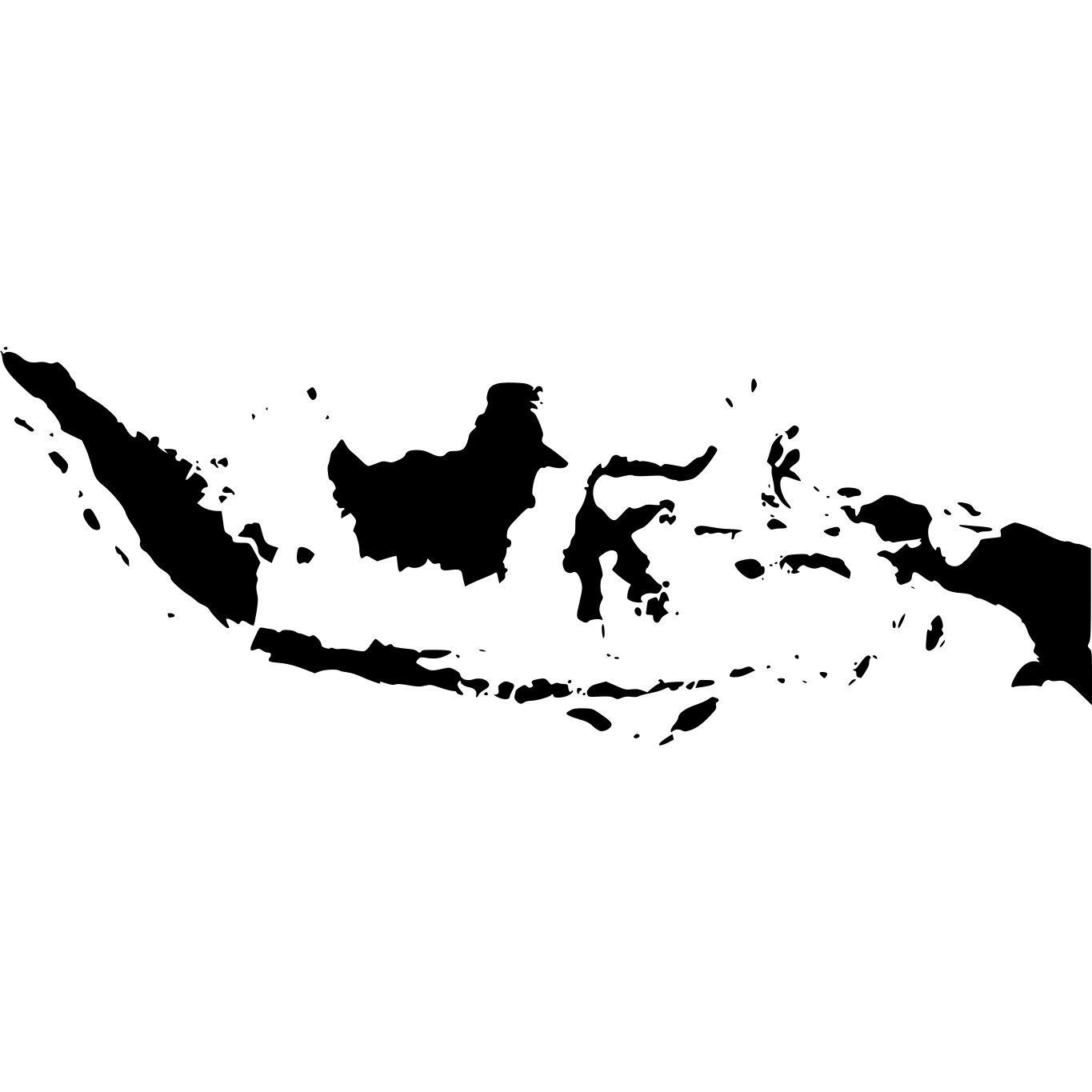
Nurilab is a Indonesian brand
50 SPF Rating
With an SPF rating of 50, this product protects against 98.0% of UVB rays
Often compared with

We're dedicated to providing you with the most up-to-date and science-backed ingredient info out there.
The data we've presented on this page has been verified by a member of the SkinSort Team.
Read more about us· Updated May 18, 2026 • Added by chevist


