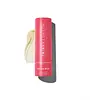
This barrier-repair moisturizer is formulated around Simmondsia Chinensis Seed Oil and Lactococcus Ferment Lysate to strengthen the skin barrier and hydrate skin.
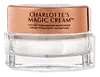
This anti-aging moisturizer is formulated around Butyrospermum Parkii Butter and Sodium Hyaluronate to soften the look of wrinkles and hydrate skin.

What's inside
What's inside
 Key Ingredients
Benefits
Concerns
Ingredients Side-by-side
Water
Skin ConditioningSimmondsia Chinensis Seed Oil
Emollient





Cetearyl Ethylhexanoate
Emollient
Propanediol
Solvent
Glycerin
Humectant
Lactococcus Ferment Lysate
Skin Conditioning
Cetearyl Olivate
Squalane
Emollient
Sorbitan Olivate
Emulsifying
Xylitylglucoside
Humectant
Avena Sativa Kernel Oil
Skin Conditioning
Betaine
Humectant
Sodium Hyaluronate
Humectant
Helianthus Annuus Seed Oil
Emollient
Daucus Carota Sativa Seed Oil
Emollient


Tocopheryl Acetate
Antioxidant


Hydrolyzed Wheat Protein
Skin ConditioningDaucus Carota Sativa Root Extract
Skin Conditioning
Anhydroxylitol
Humectant
Salicyloyl Phytosphingosine
Skin ConditioningTriheptanoin
Skin ConditioningCetearyl Alcohol
Emollient

Xylitol
Humectant
Coco-Caprylate/Caprate
Emollient
Parfum
Masking


Magnesium Carboxymethyl Beta-Glucan
Skin ConditioningGlucose
Humectant
Decapeptide-21
Skin Conditioning
Oligopeptide-78
Skin Conditioning
Palmitoyl Decapeptide-21
Skin Conditioning
Zinc Palmitoyl Nonapeptide-14
Skin Conditioning
Rosmarinyl Glucoside
Antioxidant
Caffeyl Glucoside
Antioxidant
Gallyl Glucoside
Antioxidant
Beta-Carotene
Skin ConditioningCarbomer
Emulsion StabilisingAscorbyl Palmitate
Antioxidant
Lactic Acid
Buffering




Xanthan Gum
EmulsifyingPolyurethane-10
Sodium Chloride
MaskingSodium Hydroxide
BufferingDimethicone
Emollient
Dehydroacetic Acid
Preservative
Sodium Dehydroacetate
Preservative
Sodium Benzoate
Masking
Benzyl Alcohol
Perfuming

Coumarin
Perfuming
Eugenol
Perfuming
Hexyl Cinnamal
Perfuming
Hydroxycitronellal
Perfuming
Linalool
Perfuming
Limonene
Perfuming
Water, Simmondsia Chinensis Seed Oil, Cetearyl Ethylhexanoate, Propanediol, Glycerin, Lactococcus Ferment Lysate, Cetearyl Olivate, Squalane, Sorbitan Olivate, Xylitylglucoside, Avena Sativa Kernel Oil, Betaine, Sodium Hyaluronate, Helianthus Annuus Seed Oil, Daucus Carota Sativa Seed Oil, Tocopheryl Acetate, Hydrolyzed Wheat Protein, Daucus Carota Sativa Root Extract, Anhydroxylitol, Salicyloyl Phytosphingosine, Triheptanoin, Cetearyl Alcohol, Xylitol, Coco-Caprylate/Caprate, Parfum, Magnesium Carboxymethyl Beta-Glucan, Glucose, Decapeptide-21, Oligopeptide-78, Palmitoyl Decapeptide-21, Zinc Palmitoyl Nonapeptide-14, Rosmarinyl Glucoside, Caffeyl Glucoside, Gallyl Glucoside, Beta-Carotene, Carbomer, Ascorbyl Palmitate, Lactic Acid, Xanthan Gum, Polyurethane-10, Sodium Chloride, Sodium Hydroxide, Dimethicone, Dehydroacetic Acid, Sodium Dehydroacetate, Sodium Benzoate, Benzyl Alcohol, Coumarin, Eugenol, Hexyl Cinnamal, Hydroxycitronellal, Linalool, Limonene
Water
Skin ConditioningC12-15 Alkyl Benzoate
AntimicrobialGlyceryl Stearate Se
Emulsifying
Butylene Glycol
Humectant
Glycerin
Humectant
Isononyl Isononanoate
EmollientCaprylic/Capric Triglyceride
Masking
Cetyl Alcohol
Emollient
Ethylhexyl Palmitate
Emollient
Cyclopentasiloxane
Emollient
Dimethicone
Emollient
Polyester-7
Skin ConditioningPhenoxyethanol
Preservative
Neopentyl Glycol Diheptanoate
EmollientHydrogenated Rapeseed Oil
Emollient
Butyrospermum Parkii Butter
Skin Conditioning
Steareth-21
CleansingAvena Sativa Kernel Extract
Abrasive
Carbomer
Emulsion StabilisingDimethiconol
Emollient
Potassium Cetyl Phosphate
EmulsifyingChlorphenesin
Antimicrobial
Caprylyl Glycol
Emollient
Xanthan Gum
EmulsifyingHydrolyzed Viola Tricolor Extract
Skin ProtectingAllantoin
Skin Conditioning
Aloe Barbadensis Leaf Juice Powder
Skin Conditioning
Disodium EDTA
ChelatingTocopheryl Acetate
Antioxidant
Camellia Oleifera Seed Oil
Skin Conditioning
Rosa Canina Fruit Oil
Emollient
Rosa Damascena Extract
MaskingSodium Hydroxide
BufferingHelianthus Annuus Seed Oil
Emollient
Michelia Alba Leaf Oil
Masking
Sodium Lactate
Buffering
PEG-8
HumectantEthylhexylglycerin
Skin ConditioningCoco-Glucoside
Cleansing
Sodium Hyaluronate
Humectant
Tocopherol
Antioxidant
Ascorbyl Palmitate
Antioxidant
Plumeria Rubra Flower Extract
Skin ConditioningAscorbic Acid
Antioxidant
Citric Acid
Buffering
Palmitoyl Tripeptide-1
Skin Conditioning
Palmitoyl Tetrapeptide-7
Skin Conditioning
Hydrolyzed Vegetable Protein
Skin ConditioningCitronellol
Perfuming
Geraniol
Perfuming
Linalool
Perfuming
Water, C12-15 Alkyl Benzoate, Glyceryl Stearate Se, Butylene Glycol, Glycerin, Isononyl Isononanoate, Caprylic/Capric Triglyceride, Cetyl Alcohol, Ethylhexyl Palmitate, Cyclopentasiloxane, Dimethicone, Polyester-7, Phenoxyethanol, Neopentyl Glycol Diheptanoate, Hydrogenated Rapeseed Oil, Butyrospermum Parkii Butter, Steareth-21, Avena Sativa Kernel Extract, Carbomer, Dimethiconol, Potassium Cetyl Phosphate, Chlorphenesin, Caprylyl Glycol, Xanthan Gum, Hydrolyzed Viola Tricolor Extract, Allantoin, Aloe Barbadensis Leaf Juice Powder, Disodium EDTA, Tocopheryl Acetate, Camellia Oleifera Seed Oil, Rosa Canina Fruit Oil, Rosa Damascena Extract, Sodium Hydroxide, Helianthus Annuus Seed Oil, Michelia Alba Leaf Oil, Sodium Lactate, PEG-8, Ethylhexylglycerin, Coco-Glucoside, Sodium Hyaluronate, Tocopherol, Ascorbyl Palmitate, Plumeria Rubra Flower Extract, Ascorbic Acid, Citric Acid, Palmitoyl Tripeptide-1, Palmitoyl Tetrapeptide-7, Hydrolyzed Vegetable Protein, Citronellol, Geraniol, Linalool
Reviews
Ingredients Explained
These ingredients are found in both products.
Ingredients higher up in an ingredient list are typically present in a larger amount.
Ascorbyl Palmitate is a fat-soluble form of vitamin C (Ascorbic Acid) made by combining it with palmitic acid.
It is able to blend easily into creams and oil-based formulas because it dissolves in oils rather than water.
As you may know, regular vitamin C is notorious for breaking down when exposed to sunlight and air. Ascorbyl Palmitate is more stable and degrades at a slower rate.
Research on whether it converts efficiently into active vitamin C once it's applied on your skin is still limited.
Some in-vitro studies suggest it may support collagen production, but it is not considered one of the stronger vitamin C derivatives, like:
Due to the palmitic acid base, this ingredient may not be fungal acne safe. Comedogenic studies have also shown this ingredient to have a rating of 2.
It's also worth keeping in mind that comedogenic and irritancy ratings are tested on individual ingredients, not finished formulas. The final product's formulation, concentration, and other ingredients all play a role in how something actually behaves on your skin.
Learn more about Ascorbyl PalmitateCarbomer is a synthetic thickening and gelling agent. It's basically the ingredient that gives a lot of serums, gels, creams, and sunscreens their smooth, non-sticky texture.
Although legally permitted at very high levels, carbomers are normally used at concentrations below 1%.
It also needs to be neutralized to actually thicken, and because it is a large molecule, it doesn't really penetrate the skin barrier.
Allergy-wise, the risk is very low. Clinical studies show carbomers have low potential for skin irritation/sensitization even at concentrations up to 100%.
A 2024 UK study patch-tested 1,302 patients and found true allergy to the parent group of carbomer to be rare with no confirmed relevant reactions.
Learn more about CarbomerDimethicone is a type of synthetic silicone created from natural materials such as quartz. It is also known as polydimethylsiloxane.
What it does:
Dimethicone comes in different viscosities:
Depending on the viscosity, dimethicone has different properties.
Ingredients lists don't always show which type is used, so we recommend reaching out to the brand if you have questions about the viscosity.
This ingredient is unlikely to cause irritation because it does not get absorbed into skin. However, people with silicone allergies should be careful about using this ingredient.
Note: Dimethicone may contribute to pilling. This is because it is not oil or water soluble, so pilling may occur when layered with products. When mixed with heavy oils in a formula, the outcome is also quite greasy.
Learn more about DimethiconeGlycerin (or glycerol) is a compound naturally found in your skin. It's a powerhouse humectant that pulls water into the stratum corneum.
Topically, glycerin does several things at once:
Your skin makes glycerin on its own (mostly from sebaceous oil breakdown) and shuttles it to your outermost layer of skin, or your epidermis, via aquaporin-3.
Aquaporin-3 is a transporter that is essential for normal skin hydration, elasticity, and repair. Interestingly, mice lacking in AQP3 have dry and less elastic skin that can be fully corrected with glycerin.
This ingredient is non-irritating, plays well with almost every ingredient, and works across all skin types. Typical use is anywhere between 3-10% but can go up to 79% in some leave-on products.
Just know very high concentrations (>40%) can feel tacky in low humidity.
Glycerin is the name for this ingredient in American English. British English uses Glycerol/Glycerine.
Learn more about GlycerinHelianthus Annuus Seed Oil is a plant oil derived from the seeds of a sunflower.
It is rich in fatty acids, primarily linoleic acid and oleic acid. This gives it emollient and skin conditioning properties.
The reason this ingredient is so effective is because it forms a thin film on the skin that reduces transepidermal water loss (TEWL) while supplying linoleic acid to the stratum corneum to improve barrier strength.
The high linoleic acid content is particularly noteworthy for acne-prone skin.
Research suggests that acne-prone skin tends to be deficient in linoleic acid in sebum. Topical application may help replenish this to support a healthier follicular environment and less comedone-promoting sebum.
One randomized study found sunflower seed oil preserved skin barrier integrity in adult volunteers with and without atopic dermatitis (outperforming olive oil).
This ingredient is well-studied, gentle, and an effective emollient suitable for most skin types.
On fungal acne: This ingredient may not be Fungal acne (Malassezia folliculitis) safe. This is because it contains fatty acids with carbon chain lengths in the C11-C24 range.
Learn more about Helianthus Annuus Seed OilLinalool is a small, naturally occurring scent molecule found in plants like lavender, coriander, bergamot, and more.
It is one of the two most-used fragrance ingredients in cosmetics and added purely for smell. Since it's not used for a skin benefit, there's no "effective dose". Concentration depends on the fragrance load of the product.
The EU requires it to be named on the label above 0.001% in leave-on and 0.01% in rinse-off products.
Fresh linalool is a weak sensitizer but air exposure turns some of it into hydroperoxides, which are strong sensitizers. Those oxidation products are the actual allergy concern.
Patch-test clinics see positive reactions to linalool hydroperoxides in about 4% to 12% of dermatitis patients depending on country and test concentration.
Resassuringly, one analytical study found hydroperoxide levels in real fragranced products to be orders of magnitude below what induced sensitization in animal studies with no evidence of oxidation building up during normal storage.
The practical takeaway is that linalool is fine for most people but worth avoiding if you have a confirmed fragrance contact allergy or a badly compromised barrier.
Products stored a long time after opening are also the high-risk scenario since that is when oxidation happens.
The scent of linalool is described as floral, spicy tropical, and citrus-like.
Learn more about LinaloolSodium Hyaluronate is the salt form of hyaluronic acid. It is a long sugar chain that is naturally found in your skin, joints, and connective tissue that maintains hydration and elasticity.
In skincare, it works as a humectant. It pulls water from the environment and deeper layers of skin and binds it to the surface.
Interestingly, the size of the molecule affects its behavior:
Some clinical evidence links low molecular weight versions to improved wrinkle depth, elasticity, anti-inflammatory effects, and barrier repair.
Many serums use a blend of both weights so you can get surface hydration plus longer-lasting and deeper effects.
You'll typically see concentrations between 0.1-2% for this ingredient.
Learn more about Sodium HyaluronateSodium Hydroxide is also known as lye or caustic soda. It is used to adjust the pH of products; many ingredients require a specific pH to be effective.
In small amounts, sodium hydroxide is considered safe to use. However, large amounts may cause chemical burns due to its high alkaline.
Your skin has a natural pH and acid mantle. This acid mantle helps prevent harmful bacteria from breaking through. The acid mantle also helps keep your skin hydrated.
"Alkaline" refers to a high pH level. A low pH level would be considered acidic.
Learn more about Sodium HydroxideTocopheryl Acetate is a stable, shelf-friendly form of vitamin E.
Formulators love it because plain vitamin E oxidizes quickly once it hits air. This acetate version stays stable and resists going off, helping to extend a product's shelf life.
It's actually inactive on its own and works like a slow-release "storage" form; the enzymes in your skin called esterases gradually convert it into active vitamin E over time.
One in vivo study showed 5% of the acetate in the living layer of the epidermis converted to vitamin E after 5 days of application. This study also found the skin gained protection against UV damage even though the conversion was slow and small.
Once converted, vitamin E acts as a skin's main fat-soluble antioxidant that fights free radicals to protect skin from damage.
Topical vitamin E generally boosts the skin's photoprotection, and it reduced UV-damage in animal models.
This ingredient has some brightening potential but it's more of a prevention ingredient than spot-fader. Cell studies show it can slow down melanin production but it's worth noting that it's not the most powerful brightener out there.
Overall, it has a pretty solid safety profile and has been found to be non-irritating and non-comedogenic. Allergic reactions may happen but stay rare due to how widely the ingredient gets used.
The concentration will vary depending on the formula; industry data shows 0.1% in baby lotions, 3% in lipsticks, and 5% in foot powders. You can also find this ingredient at 100% in a pure vitamin E oil.
Most leave-on skincare keeps it at the lower end, often between 0.5-1%.
Learn more about Tocopheryl AcetateWater. It's the most common cosmetic ingredient of all. You'll usually see it at the top of ingredient lists, meaning that it makes up the largest part of the product.
So why is it so popular? Water most often acts as a solvent - this means that it helps dissolve other ingredients into the formulation.
You'll also recognize water as that liquid we all need to stay alive. If you see this, drink a glass of water. Remember to stay hydrated!
Learn more about WaterXanthan gum is used as a stabilizer and thickener within cosmetic products. It helps give products a sticky, thick feeling - preventing them from being too runny.
On the technical side of things, xanthan gum is a polysaccharide - a combination consisting of multiple sugar molecules bonded together.
Xanthan gum is a pretty common and great ingredient. It is a natural, non-toxic, non-irritating ingredient that is also commonly used in food products.
Learn more about Xanthan Gum

