
What's inside
What's inside
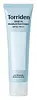 Key Ingredients
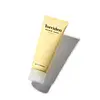
Benefits
Concerns
No concerns
Ingredients Side-by-side
Water
Skin ConditioningPropanediol
Solvent

Dibutyl Adipate
EmollientBis-Ethylhexyloxyphenol Methoxyphenyl Triazine
Skin Conditioning
Diethylamino Hydroxybenzoyl Hexyl Benzoate
UV Filter
Ethylhexyl Triazone
UV Absorber
Polymethylsilsesquioxane

Polysilicone-15
UV Filter
Diisopropyl Adipate
EmollientNiacinamide
Smoothing










Methylene Bis-Benzotriazolyl Tetramethylbutylphenol
UV Filter
Methyl Methacrylate Crosspolymer
Hydroxyethyl Urea
Humectant
1,2-Hexanediol
Skin Conditioning
Pentylene Glycol
Skin Conditioning
Polyglyceryl-3 Methylglucose Distearate
Emulsifying
Behenyl Alcohol
Emollient
Acrylates/C10-30 Alkyl Acrylate Crosspolymer
Emulsion StabilisingPanthenol
Skin Conditioning
Tromethamine
BufferingHydroxyacetophenone
Antioxidant
Poly C10-30 Alkyl Acrylate
Emulsion StabilisingSodium Acrylates Crosspolymer-2
AbsorbentDipotassium Glycyrrhizate
Humectant
Decyl Glucoside
Cleansing
Sodium Stearoyl Glutamate
CleansingEclipta Prostrata Extract
Skin Conditioning
Melia Azadirachta Leaf Extract
Skin ConditioningAllantoin
Skin Conditioning
Polyacrylate Crosspolymer-6
Emulsion StabilisingAdenosine
Skin Conditioning
Melia Azadirachta Flower Extract
Skin ConditioningCoccinia Indica Fruit Extract
Skin ConditioningGlycerin
Humectant
Biosaccharide Gum-1
Humectant
Xanthan Gum
EmulsifyingAloe Barbadensis Flower Extract
EmollientSolanum Melongena Fruit Extract
Skin ConditioningMoringa Oleifera Seed Oil
Emollient
Simmondsia Chinensis Seed Oil
Emollient
Corallina Officinalis Extract
Skin Conditioning
Curcuma Longa Root Extract
Masking
Ocimum Sanctum Leaf Extract
Skin ConditioningButylene Glycol
Humectant
Dimethylsilanol Hyaluronate
Humectant
Hydrolyzed Hyaluronic Acid
Humectant
Hydrolyzed Sodium Hyaluronate
Skin Conditioning
Hyaluronic Acid
Humectant
Potassium Hyaluronate
Skin ConditioningSodium Hyaluronate
Humectant
Hydroxypropyltrimonium Hyaluronate
Sodium Hyaluronate Crosspolymer
Humectant
Sodium Hyaluronate Dimethylsilanol
HumectantSodium Acetylated Hyaluronate
Humectant
Malachite Extract
Antioxidant
Water, Propanediol, Dibutyl Adipate, Bis-Ethylhexyloxyphenol Methoxyphenyl Triazine, Diethylamino Hydroxybenzoyl Hexyl Benzoate, Ethylhexyl Triazone, Polymethylsilsesquioxane, Polysilicone-15, Diisopropyl Adipate, Niacinamide, Methylene Bis-Benzotriazolyl Tetramethylbutylphenol, Methyl Methacrylate Crosspolymer, Hydroxyethyl Urea, 1,2-Hexanediol, Pentylene Glycol, Polyglyceryl-3 Methylglucose Distearate, Behenyl Alcohol, Acrylates/C10-30 Alkyl Acrylate Crosspolymer, Panthenol, Tromethamine, Hydroxyacetophenone, Poly C10-30 Alkyl Acrylate, Sodium Acrylates Crosspolymer-2, Dipotassium Glycyrrhizate, Decyl Glucoside, Sodium Stearoyl Glutamate, Eclipta Prostrata Extract, Melia Azadirachta Leaf Extract, Allantoin, Polyacrylate Crosspolymer-6, Adenosine, Melia Azadirachta Flower Extract, Coccinia Indica Fruit Extract, Glycerin, Biosaccharide Gum-1, Xanthan Gum, Aloe Barbadensis Flower Extract, Solanum Melongena Fruit Extract, Moringa Oleifera Seed Oil, Simmondsia Chinensis Seed Oil, Corallina Officinalis Extract, Curcuma Longa Root Extract, Ocimum Sanctum Leaf Extract, Butylene Glycol, Dimethylsilanol Hyaluronate, Hydrolyzed Hyaluronic Acid, Hydrolyzed Sodium Hyaluronate, Hyaluronic Acid, Potassium Hyaluronate, Sodium Hyaluronate, Hydroxypropyltrimonium Hyaluronate, Sodium Hyaluronate Crosspolymer, Sodium Hyaluronate Dimethylsilanol, Sodium Acetylated Hyaluronate, Malachite Extract
Water
Skin ConditioningPropanediol
Solvent
Glycerin
Humectant
Simmondsia Chinensis Seed Oil
Emollient
Caprylic/Capric Triglyceride
Masking
Ethylhexyl Palmitate
Emollient

Panthenol
Skin Conditioning
1,2-Hexanediol
Skin Conditioning
Glyceryl Stearate
Emollient
Cetearyl Olivate
Sorbitan Olivate
Emulsifying
Hydrogenated Poly(C6-14 Olefin)
EmollientCeramide NP
Skin Conditioning
Ceramide Ns
Skin Conditioning
Ceramide As
Skin Conditioning
Ceramide EOP
Skin Conditioning
Ceramide AP
Skin Conditioning
Cholesterol
Emollient
Allantoin
Skin Conditioning
Glucose
Humectant
Betaine
Humectant
Sodium Hyaluronate
Humectant
Phytosterols
Skin Conditioning
Stearic Acid
Cleansing
Butylene Glycol
Humectant
Sodium Polyacrylate
Absorbent
Myristyl Glucoside
CleansingPolyglycerin-3
Humectant
C13-16 Isoalkane
SolventHeptyl Undecylenate
EmollientVinyldimethicone
Carbomer
Emulsion StabilisingTromethamine
BufferingArachidyl Alcohol
Emollient
Hydrogenated Lecithin
Emulsifying
Polyglyceryl-6 Distearate
Emulsifying
Candelilla/Jojoba/Rice Bran Polyglyceryl-3 Esters
Emulsifying
Ethylhexylglycerin
Skin ConditioningBehenyl Alcohol
Emollient
Lauryl Glucoside
CleansingPolyglyceryl-6 Laurate
Emulsifying
Disodium EDTA
Dipropylene Glycol
HumectantArachidyl Glucoside
EmulsifyingTocopherol
Antioxidant
Adansonia Digitata Seed Oil
Emollient
Hydrogenated Rice Bran Oil
Skin Conditioning
Coptis Japonica Root Extract
Skin ConditioningWater, Propanediol, Glycerin, Simmondsia Chinensis Seed Oil, Caprylic/Capric Triglyceride, Ethylhexyl Palmitate, Panthenol, 1,2-Hexanediol, Glyceryl Stearate, Cetearyl Olivate, Sorbitan Olivate, Hydrogenated Poly(C6-14 Olefin), Ceramide NP, Ceramide Ns, Ceramide As, Ceramide EOP, Ceramide AP, Cholesterol, Allantoin, Glucose, Betaine, Sodium Hyaluronate, Phytosterols, Stearic Acid, Butylene Glycol, Sodium Polyacrylate, Myristyl Glucoside, Polyglycerin-3, C13-16 Isoalkane, Heptyl Undecylenate, Vinyldimethicone, Carbomer, Tromethamine, Arachidyl Alcohol, Hydrogenated Lecithin, Polyglyceryl-6 Distearate, Candelilla/Jojoba/Rice Bran Polyglyceryl-3 Esters, Ethylhexylglycerin, Behenyl Alcohol, Lauryl Glucoside, Polyglyceryl-6 Laurate, Disodium EDTA, Dipropylene Glycol, Arachidyl Glucoside, Tocopherol, Adansonia Digitata Seed Oil, Hydrogenated Rice Bran Oil, Coptis Japonica Root Extract
Reviews
Ingredients Explained
These ingredients are found in both products.
Ingredients higher up in an ingredient list are typically present in a larger amount.
1,2-Hexanediol is a synthetic liquid and another multi-functional powerhouse.
It is a:
- Humectant, drawing moisture into the skin
- Emollient, helping to soften skin
- Solvent, dispersing and stabilizing formulas
- Preservative booster, enhancing the antimicrobial activity of other preservatives
Allantoin is a soothing ingredient known for its protective and moisturizing properties; it's basically a quiet workhorse ingredient you can find in a huge range of cosmetics.
Though it can be derived from the comfrey plant, allantoin is produced synthetically for cosmetic products to ensure purity.
Research shows it can encourage your skin cells to turn over and renew by stimulating keratinocyte and fibroblast proliferation.
It also has mild keratolytic properties to help loosen and shed dead skin cells without being harsh.
Studies also suggest allantoin can help calm inflammation by dialing down some of the chemical signals your skin sends out when it is irritated.
This ingredient is typically used in the 0.1-0.5% range, and the FDA recognizes it as a skin protectant in OTC products up to 2%.
Overall, allantoin is a wonderful addition to most routines; it is stable across a wide pH range (~4-8), works well with other ingredients, and is considered non-sensitizing/non-irritating.
Fun fact: Allantoin is naturally occurring in comfrey root, beets, chamomile, and wheat sprouts. Our bodies even produce it as a byproduct of uric acid metabolism.
Learn more about AllantoinBehenyl Alcohol is a type of fatty alcohol (these are different from the drying, solvent alcohols).
Fatty Alcohols have hydrating properties and are most often used as an emollient or to thicken a product. They are usually derived from natural fats and oils; behenyl alcohol is derived from the fats of vegetable oils.
Emollients help keep your skin soft and hydrated by creating a film that traps moisture in.
In 2000, Behenyl Alcohol was approved by the US as medicine to reduce the duration of cold sores.
Learn more about Behenyl AlcoholButylene Glycol (or BG) is used within cosmetic products for a few different reasons:
Overall, Butylene Glycol is a safe and well-rounded ingredient that works well with other ingredients.
Though this ingredient works well with most skin types, some people with sensitive skin may experience a reaction such as allergic rashes, closed comedones, or itchiness.
Learn more about Butylene GlycolGlycerin (or glycerol) is a compound naturally found in your skin. It's a powerhouse humectant that pulls water into the stratum corneum.
Topically, glycerin does several things at once:
Your skin makes glycerin on its own (mostly from sebaceous oil breakdown) and shuttles it to your outermost layer of skin, or your epidermis, via aquaporin-3.
Aquaporin-3 is a transporter that is essential for normal skin hydration, elasticity, and repair. Interestingly, mice lacking in AQP3 have dry and less elastic skin that can be fully corrected with glycerin.
This ingredient is non-irritating, plays well with almost every ingredient, and works across all skin types. Typical use is anywhere between 3-10% but can go up to 79% in some leave-on products.
Just know very high concentrations (>40%) can feel tacky in low humidity.
Glycerin is the name for this ingredient in American English. British English uses Glycerol/Glycerine.
Learn more about GlycerinPanthenol is a common ingredient that helps hydrate and soothe the skin. It is found naturally in our skin and hair.
There are two forms of panthenol: D and L.
D-panthenol is also known as dexpanthenol. Most cosmetics use dexpanthenol or a mixture of D and L-panthenol.
Panthenol is famous due to its ability to go deeper into the skin's layers. Using this ingredient has numerous pros (and no cons):
Like hyaluronic acid, panthenol is a humectant. Humectants are able to bind and hold large amounts of water to keep skin hydrated.
This ingredient works well for wound healing. It works by increasing tissue in the wound and helps close open wounds.
Once oxidized, panthenol converts to pantothenic acid. Panthothenic acid is found in all living cells.
This ingredient is also referred to as pro-vitamin B5.
Learn more about PanthenolPropanediol is an all-star ingredient. It softens, hydrates, and smooths the skin.
It’s often used to:
Propanediol is not likely to cause sensitivity and considered safe to use. It is derived from corn or petroleum with a clear color and no scent.
Learn more about PropanediolJojoba oil is one of the most well-studied plant-derived ingredients in cosmetics. It is an emollient with a special structure.
Because it is made up of 97-98% wax esters, it closely mirrors the linear monoesters found in human sebum. This makes it skin compatible, non-greasy, and lightweight.
Unlike other plant oils, jojoba wax doesn't easily penetrate skin. It mostly works in the uppermost layers as an emollient. This just means it forms a light barrier on the skin to help retain moisture.
Formulations with jojoba esters up to 90% reduced transepidermal water loss (TEWL) and increased barrier recovery by 81% (outperforming bisabolol at 47%).
Besides barrier support, the science also suggests jojoba to have anti-inflammatory effects and potential applications for skin infections, aging, and wound healing.
Fun fact: Indigenous cultures have used jojoba as a moisturizer and to help treat burns for centuries.
Fungal acne: The Malassezia yeast is known to metabolize fatty acids in the C11-24 range and jojoba's dominant fatty acid components fall into this range. This ingredient may not be fungal acne safe.
Learn more about Simmondsia Chinensis Seed OilSodium Hyaluronate is the salt form of hyaluronic acid. It is a long sugar chain that is naturally found in your skin, joints, and connective tissue that maintains hydration and elasticity.
In skincare, it works as a humectant. It pulls water from the environment and deeper layers of skin and binds it to the surface.
Interestingly, the size of the molecule affects its behavior:
Some clinical evidence links low molecular weight versions to improved wrinkle depth, elasticity, anti-inflammatory effects, and barrier repair.
Many serums use a blend of both weights so you can get surface hydration plus longer-lasting and deeper effects.
You'll typically see concentrations between 0.1-2% for this ingredient.
Learn more about Sodium HyaluronateTromethamine helps balance the pH and improve the texture of a product. It is synthetically created.
As an emulsifier, Tromethamine prevents oil and water ingredients from separating. This helps stabilize the product and elongate a product's shelf life. Tromethamine also makes a product thicker.
Tromethamine helps balance the pH level of a product. Normal pH level of skin is slightly acidic (~4.75-5.5). The acidity of our skin is maintained by our glands and skin biome. Being slightly acidic allows our skin to create an "acid mantle". This acid mantle is a thin barrier that protects our skin from bacteria and contaminants.
Oral Tromethanmine is an anti-inflammatory drug but plays the role of masking, adding fragrance, and/or balancing pH in skincare.
1,3-Propanediol, 2-amino-2-(hydroxymethyl)-
Learn more about TromethamineWater. It's the most common cosmetic ingredient of all. You'll usually see it at the top of ingredient lists, meaning that it makes up the largest part of the product.
So why is it so popular? Water most often acts as a solvent - this means that it helps dissolve other ingredients into the formulation.
You'll also recognize water as that liquid we all need to stay alive. If you see this, drink a glass of water. Remember to stay hydrated!
Learn more about Water
