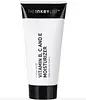
This brightening moisturizer is formulated around Niacinamide and Sodium Ascorbyl Phosphate to brighten dull-looking skin.
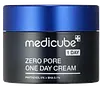
This pore-care moisturizer is formulated around Panthenol and Niacinamide to refine the look of pores and refine skin texture.


What's inside
What's inside
 Key Ingredients
Benefits
Concerns
Ingredients Side-by-side
Water
Skin ConditioningGlycerin
Humectant


Glyceryl Stearate Se
Emulsifying




Cetearyl Alcohol
Emollient

Caprylic/Capric Triglyceride
Masking
Cocos Nucifera Oil
Masking

Stearic Acid
Cleansing
Phenoxyethanol
Preservative
Benzyl Alcohol
Perfuming



Carbomer
Emulsion StabilisingSodium Hydroxide
BufferingNiacinamide
Smoothing









Panthenol
Skin Conditioning
Sodium Ascorbyl Phosphate
Antioxidant

Sodium Hyaluronate
Humectant
Tocopheryl Acetate
Antioxidant
Ethylhexylglycerin
Skin ConditioningDehydroacetic Acid
Preservative
Lecithin
Emollient
Trisodium Ethylenediamine Disuccinate
ChelatingAscorbyl Palmitate
Antioxidant
Tocopherol
Antioxidant
Helianthus Annuus Seed Oil
Emollient
Water, Glycerin, Glyceryl Stearate Se, Cetearyl Alcohol, Caprylic/Capric Triglyceride, Cocos Nucifera Oil, Stearic Acid, Phenoxyethanol, Benzyl Alcohol, Carbomer, Sodium Hydroxide, Niacinamide, Panthenol, Sodium Ascorbyl Phosphate, Sodium Hyaluronate, Tocopheryl Acetate, Ethylhexylglycerin, Dehydroacetic Acid, Lecithin, Trisodium Ethylenediamine Disuccinate, Ascorbyl Palmitate, Tocopherol, Helianthus Annuus Seed Oil
Water
Skin ConditioningPanthenol
Skin Conditioning
Butylene Glycol
Humectant
Propanediol
Solvent
Cetyl Ethylhexanoate
EmollientOctyldodecanol
Emollient
Niacinamide
Smoothing
Isohexadecane
EmollientIsododecane
EmollientGlyceryl Stearate
Emollient
Polyglyceryl-3 Distearate
Emulsifying
1,2-Hexanediol
Skin Conditioning
Hydrogenated Poly(C6-14 Olefin)
EmollientDimethicone
Emollient
Cyclopentasiloxane
Emollient
Cetearyl Olivate
Sorbitan Olivate
Emulsifying
Stearyl Alcohol
Emollient
Dimethyl Sulfone
SolventCetyl Alcohol
Emollient
Polyacrylate-13
Sodium Polyacryloyldimethyl Taurate
Emulsion StabilisingSodium Stearoyl Glutamate
CleansingHydrogenated Polyisobutene
EmollientGlyceryl Stearate Citrate
Emollient
Salicylic Acid
Masking

Ethylhexylglycerin
Skin ConditioningAllantoin
Skin Conditioning
Polyglyceryl-10 Laurate
Skin Conditioning
Ethylhexyl Palmitate
Emollient
Adenosine
Skin Conditioning
Dextrin
AbsorbentSorbitan Isostearate
Emulsifying
Tromethamine
BufferingBeta-Glucan
Skin Conditioning
Sodium Hyaluronate
Humectant
Glycerin
Humectant
Sodium Citrate
BufferingGardenia Florida Fruit Extract
Skin ConditioningMyristyl Alcohol
Emollient
Trisodium Phosphate
BufferingHyaluronic Acid
Humectant
Pullulan
Lauryl Alcohol
Emollient
Vitis Vinifera Fruit Extract
Skin ConditioningUlmus Davidiana Root Extract
Skin Conditioning
Pueraria Lobata Root Extract
HumectantPinus Palustris Leaf Extract
TonicOenothera Biennis Flower Extract
AstringentDiospyros Kaki Fruit Extract
Skin ConditioningCastanea Crenata Shell Extract
Skin ConditioningCamellia Sinensis Leaf Extract
Antimicrobial
Sodium Hyaluronate Crosspolymer
Humectant
Hydrolyzed Sodium Hyaluronate
Skin Conditioning
Hydrolyzed Hyaluronic Acid
Humectant
Palmitoyl Tripeptide-5
Skin Conditioning
Sodium Acetylated Hyaluronate
Humectant
Hydroxypropyltrimonium Hyaluronate
Hydroxycinnamic Acid
Skin ConditioningRutin
Antioxidant
Parfum
Masking
Water, Panthenol, Butylene Glycol, Propanediol, Cetyl Ethylhexanoate, Octyldodecanol, Niacinamide, Isohexadecane, Isododecane, Glyceryl Stearate, Polyglyceryl-3 Distearate, 1,2-Hexanediol, Hydrogenated Poly(C6-14 Olefin), Dimethicone, Cyclopentasiloxane, Cetearyl Olivate, Sorbitan Olivate, Stearyl Alcohol, Dimethyl Sulfone, Cetyl Alcohol, Polyacrylate-13, Sodium Polyacryloyldimethyl Taurate, Sodium Stearoyl Glutamate, Hydrogenated Polyisobutene, Glyceryl Stearate Citrate, Salicylic Acid, Ethylhexylglycerin, Allantoin, Polyglyceryl-10 Laurate, Ethylhexyl Palmitate, Adenosine, Dextrin, Sorbitan Isostearate, Tromethamine, Beta-Glucan, Sodium Hyaluronate, Glycerin, Sodium Citrate, Gardenia Florida Fruit Extract, Myristyl Alcohol, Trisodium Phosphate, Hyaluronic Acid, Pullulan, Lauryl Alcohol, Vitis Vinifera Fruit Extract, Ulmus Davidiana Root Extract, Pueraria Lobata Root Extract, Pinus Palustris Leaf Extract, Oenothera Biennis Flower Extract, Diospyros Kaki Fruit Extract, Castanea Crenata Shell Extract, Camellia Sinensis Leaf Extract, Sodium Hyaluronate Crosspolymer, Hydrolyzed Sodium Hyaluronate, Hydrolyzed Hyaluronic Acid, Palmitoyl Tripeptide-5, Sodium Acetylated Hyaluronate, Hydroxypropyltrimonium Hyaluronate, Hydroxycinnamic Acid, Rutin, Parfum
Reviews
Ingredients Explained
These ingredients are found in both products.
Ingredients higher up in an ingredient list are typically present in a larger amount.
Ethylhexylglycerin is created from glycerin. It is a multitasker ingredient that:
The CIR Expert Panel found minimal skin absorption or sensitization of any kind in a safety assessment. Though this ingredient is considered well-tolerated, a small number of cases of allergic dermatitis have been published since 2002. Just be sure to patch test if you are unsure.
Industry-reported use ranges from 8% in rinse-off products and 2% in leave-on formulations.
Learn more about EthylhexylglycerinGlycerin (or glycerol) is a compound naturally found in your skin. It's a powerhouse humectant that pulls water into the stratum corneum.
Topically, glycerin does several things at once:
Your skin makes glycerin on its own (mostly from sebaceous oil breakdown) and shuttles it to your outermost layer of skin, or your epidermis, via aquaporin-3.
Aquaporin-3 is a transporter that is essential for normal skin hydration, elasticity, and repair. Interestingly, mice lacking in AQP3 have dry and less elastic skin that can be fully corrected with glycerin.
This ingredient is non-irritating, plays well with almost every ingredient, and works across all skin types. Typical use is anywhere between 3-10% but can go up to 79% in some leave-on products.
Just know very high concentrations (>40%) can feel tacky in low humidity.
Glycerin is the name for this ingredient in American English. British English uses Glycerol/Glycerine.
Learn more about GlycerinNiacinamide is a multitasking form of vitamin B3 that strengthens the skin barrier, reduces pores and dark spots, regulates oil, and improves signs of aging.
And the best part? It's gentle and well-tolerated by most skin types, including sensitive and reactive skin.
You might have heard of "niacin flush", or the reddening of skin that causes itchiness. Niacinamide has not been found to cause this.
In very rare cases, some individuals may not be able to tolerate niacinamide at all or experience an allergic reaction to it.
If you are experiencing flaking, irritation, and dryness with this ingredient, be sure to double check all your products as this ingredient can be found in all categories of skincare.
When incorporating niacinamide into your routine, look out for concentration amounts. Typically, 5% niacinamide provides benefits such as fading dark spots. However, if you have sensitive skin, it is better to begin with a smaller concentration.
When you apply niacinamide to your skin, your body converts it into nicotinamide adenine dinucleotide (NAD). NAD is an essential coenzyme that is already found in your cells as "fuel" and powers countless biological processes.
In your skin, NAD helps repair cell damage, produce new healthy cells, support collagen production, strengthen the skin barrier, and fight environmental stressors (like UV and pollution).
Our natural NAD levels start to decline with age, leading to slower skin repair, visible aging, and a weaker skin barrier. By providing your skin niacinamide, you're recharging your skin's NAD levels. This leads to stronger, healthier, and younger looking skin.
Another name for vitamin B3 is nicotinamide. This vitamin is water-soluble and our bodies don't store it. We obtain Vitamin B3 from either food or skincare. Meat, fish, wheat, yeast, and leafy greens contain vitamin B3.
The type of niacinamide used in skincare is synthetically created.
Learn more about NiacinamidePanthenol is a common ingredient that helps hydrate and soothe the skin. It is found naturally in our skin and hair.
There are two forms of panthenol: D and L.
D-panthenol is also known as dexpanthenol. Most cosmetics use dexpanthenol or a mixture of D and L-panthenol.
Panthenol is famous due to its ability to go deeper into the skin's layers. Using this ingredient has numerous pros (and no cons):
Like hyaluronic acid, panthenol is a humectant. Humectants are able to bind and hold large amounts of water to keep skin hydrated.
This ingredient works well for wound healing. It works by increasing tissue in the wound and helps close open wounds.
Once oxidized, panthenol converts to pantothenic acid. Panthothenic acid is found in all living cells.
This ingredient is also referred to as pro-vitamin B5.
Learn more about PanthenolSodium Hyaluronate is the salt form of hyaluronic acid. It is a long sugar chain that is naturally found in your skin, joints, and connective tissue that maintains hydration and elasticity.
In skincare, it works as a humectant. It pulls water from the environment and deeper layers of skin and binds it to the surface.
Interestingly, the size of the molecule affects its behavior:
Some clinical evidence links low molecular weight versions to improved wrinkle depth, elasticity, anti-inflammatory effects, and barrier repair.
Many serums use a blend of both weights so you can get surface hydration plus longer-lasting and deeper effects.
You'll typically see concentrations between 0.1-2% for this ingredient.
Learn more about Sodium HyaluronateWater. It's the most common cosmetic ingredient of all. You'll usually see it at the top of ingredient lists, meaning that it makes up the largest part of the product.
So why is it so popular? Water most often acts as a solvent - this means that it helps dissolve other ingredients into the formulation.
You'll also recognize water as that liquid we all need to stay alive. If you see this, drink a glass of water. Remember to stay hydrated!
Learn more about Water

