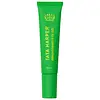
This eye moisturizer is formulated around Caffeine to calm irritation and soften signs of aging.
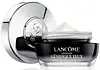
This barrier-repair eye moisturizer is formulated around Bifida Ferment Lysate and Ascorbyl Glucoside to strengthen the skin barrier and soften the look of wrinkles.


What's inside
What's inside
 Key Ingredients
Benefits
Concerns
Ingredients Side-by-side
Hordeum Vulgare Leaf Juice
EmollientPropanediol
Solvent

Glycerin
Humectant
Water
Skin ConditioningCarthamus Tinctorius Seed Oil
Masking


C10-18 Triglycerides
Emollient
Mica
Cosmetic ColorantCI 77891
Cosmetic ColorantC9-12 Alkane
SolventGlyceryl Stearate Citrate
Emollient
Lauryl Laurate
Skin Conditioning
Squalane
Emollient
Caffeine
Skin Conditioning
Terminalia Arjuna Extract
Skin ConditioningOleic Acid
Emollient


Olea Europaea Fruit Oil
Masking
Avena Sativa Kernel Oil
Skin Conditioning
Camellia Sinensis Seed Oil
Humectant
Cucumis Sativus Seed Oil
Emollient
Saccharide Isomerate
Humectant
Vitis Vinifera Leaf Extract
Skin ConditioningCoffea Arabica Seed Extract
Masking
Aesculus Hippocastanum Seed Extract
Skin ConditioningTerminalia Ferdinandiana Fruit Extract
Antioxidant
Persea Gratissima Fruit Extract
EmollientGinkgo Biloba Leaf Extract
Skin Conditioning
Hydrolyzed Rhodophyceae Extract
Sodium Hyaluronate
Humectant
Lysolecithin
EmulsifyingSclerotium Gum
Emulsion StabilisingCaprylyl Glycol
Emollient
Xanthan Gum
EmulsifyingArnica Montana Extract
Skin ConditioningBorago Officinalis Leaf Extract
Skin ConditioningCalendula Officinalis Flower Extract
Masking
Medicago Sativa Extract
TonicSpiraea Ulmaria Extract
AstringentPolyglyceryl-6 Stearate
Emollient
Pullulan
Glyceryl Caprylate
EmollientMagnolia Officinalis Bark Extract
Antimicrobial
Cymbopogon Flexuosus Oil
Masking
Sodium Phytate
ChelatingCI 77491
Cosmetic ColorantLecithin
Emollient
Helianthus Annuus Seed Oil
Emollient
Pelargonium Graveolens Oil
Masking

Rosmarinus Officinalis Leaf Extract
AntimicrobialCitric Acid
Buffering

Sodium Citrate
BufferingSambucus Nigra Fruit Extract
AstringentBiosaccharide Gum-1
Humectant
Sodium Levulinate
Skin ConditioningAlcohol
Antimicrobial

Sodium Anisate
AntimicrobialCitral
Perfuming
Geraniol
Perfuming
Citronellol
Perfuming
Geranyl Acetate
Perfuming
Beta-Caryophyllene
Masking
Linalool
Perfuming
Limonene
Perfuming
Hordeum Vulgare Leaf Juice, Propanediol, Glycerin, Water, Carthamus Tinctorius Seed Oil, C10-18 Triglycerides, Mica, CI 77891, C9-12 Alkane, Glyceryl Stearate Citrate, Lauryl Laurate, Squalane, Caffeine, Terminalia Arjuna Extract, Oleic Acid, Olea Europaea Fruit Oil, Avena Sativa Kernel Oil, Camellia Sinensis Seed Oil, Cucumis Sativus Seed Oil, Saccharide Isomerate, Vitis Vinifera Leaf Extract, Coffea Arabica Seed Extract, Aesculus Hippocastanum Seed Extract, Terminalia Ferdinandiana Fruit Extract, Persea Gratissima Fruit Extract, Ginkgo Biloba Leaf Extract, Hydrolyzed Rhodophyceae Extract, Sodium Hyaluronate, Lysolecithin, Sclerotium Gum, Caprylyl Glycol, Xanthan Gum, Arnica Montana Extract, Borago Officinalis Leaf Extract, Calendula Officinalis Flower Extract, Medicago Sativa Extract, Spiraea Ulmaria Extract, Polyglyceryl-6 Stearate, Pullulan, Glyceryl Caprylate, Magnolia Officinalis Bark Extract, Cymbopogon Flexuosus Oil, Sodium Phytate, CI 77491, Lecithin, Helianthus Annuus Seed Oil, Pelargonium Graveolens Oil, Rosmarinus Officinalis Leaf Extract, Citric Acid, Sodium Citrate, Sambucus Nigra Fruit Extract, Biosaccharide Gum-1, Sodium Levulinate, Alcohol, Sodium Anisate, Citral, Geraniol, Citronellol, Geranyl Acetate, Beta-Caryophyllene, Linalool, Limonene
Water
Skin ConditioningDimethicone
Emollient
Bifida Ferment Lysate
Skin Conditioning
Glycerin
Humectant
Propanediol
Solvent
Alcohol Denat.
Antimicrobial
Polysilicone-11

Silica
Abrasive

Dimethicone/PEG-10/15 Crosspolymer
PEG-10 Dimethicone
Skin Conditioning
Di-C12-13 Alkyl Malate
EmollientAmmonium Polyacryloyldimethyl Taurate
Emulsion StabilisingCI 77891
Cosmetic ColorantAscorbyl Glucoside
Antioxidant
Lactic Acid
Buffering

Lactobacillus
Skin ConditioningTocopherol
Antioxidant
Hydrogenated Vegetable Oil
Emollient
Sodium Hydroxide
BufferingSodium Benzoate
Masking
Sodium Hyaluronate
Humectant
Sodium Citrate
BufferingAdenosine
Skin Conditioning
Yeast Extract
Skin ConditioningAcetic Acid
BufferingTrisodium Ethylenediamine Disuccinate
ChelatingChlorphenesin
Antimicrobial
Polymnia Sonchifolia Root Juice
Skin ConditioningChlorhexidine Digluconate
Antimicrobial
Polygonum Fagopyrum Seed Extract
Skin ConditioningMaltodextrin
Absorbent
Salicyloyl Phytosphingosine
Skin ConditioningChlorella Vulgaris Extract
Skin ConditioningDimethiconol
Emollient
Limonene
Perfuming
Mannose
HumectantPentylene Glycol
Skin Conditioning
Synthetic Fluorphlogopite
Linalool
Perfuming
Pentaerythrityl Tetra-Di-T-Butyl Hydroxyhydrocinnamate
Antioxidant
Biosaccharide Gum-1
Humectant
Caprylic/Capric Triglyceride
Masking
Alpha-Glucan Oligosaccharide
Cleansing
Caprylyl Glycol
Emollient
Dipropylene Glycol
HumectantCarbomer
Emulsion StabilisingBoron Nitride
Absorbent
Acrylates/C10-30 Alkyl Acrylate Crosspolymer
Emulsion StabilisingGeraniol
Perfuming
Bis-PEG/PPG-16/16 PEG/PPG-16/16 Dimethicone
Emollient
Ceteareth-20
Cleansing
Potassium Cetyl Phosphate
EmulsifyingCitronellol
Perfuming
Alumina
Abrasive
Parfum
Masking
Water, Dimethicone, Bifida Ferment Lysate, Glycerin, Propanediol, Alcohol Denat., Polysilicone-11, Silica, Dimethicone/PEG-10/15 Crosspolymer, PEG-10 Dimethicone, Di-C12-13 Alkyl Malate, Ammonium Polyacryloyldimethyl Taurate, CI 77891, Ascorbyl Glucoside, Lactic Acid, Lactobacillus, Tocopherol, Hydrogenated Vegetable Oil, Sodium Hydroxide, Sodium Benzoate, Sodium Hyaluronate, Sodium Citrate, Adenosine, Yeast Extract, Acetic Acid, Trisodium Ethylenediamine Disuccinate, Chlorphenesin, Polymnia Sonchifolia Root Juice, Chlorhexidine Digluconate, Polygonum Fagopyrum Seed Extract, Maltodextrin, Salicyloyl Phytosphingosine, Chlorella Vulgaris Extract, Dimethiconol, Limonene, Mannose, Pentylene Glycol, Synthetic Fluorphlogopite, Linalool, Pentaerythrityl Tetra-Di-T-Butyl Hydroxyhydrocinnamate, Biosaccharide Gum-1, Caprylic/Capric Triglyceride, Alpha-Glucan Oligosaccharide, Caprylyl Glycol, Dipropylene Glycol, Carbomer, Boron Nitride, Acrylates/C10-30 Alkyl Acrylate Crosspolymer, Geraniol, Bis-PEG/PPG-16/16 PEG/PPG-16/16 Dimethicone, Ceteareth-20, Potassium Cetyl Phosphate, Citronellol, Alumina, Parfum
Reviews
Alternatives
Ingredients Explained
These ingredients are found in both products.
Ingredients higher up in an ingredient list are typically present in a larger amount.
Biosaccharide Gum-1 is a sugar created by fermenting sorbitol (which usually comes from potato starch!). It is known for its soothing and moisturizing properties.
Manufacturer tests show this ingredient helped reduce irritation from lactic acid by almost half and kept skin hydrated long-term as a humectant
Beyond hydration, Biosaccharide Gum-1 gives formulas a silky, non-sticky feel.
This ingredient is gentle, versatile, and suitable for all skin types.
Fun fact: Similar sugars can be found naturally in fruits like apples and pears.
Learn more about Biosaccharide Gum-1Caprylyl Glycol is a humectant, skin conditioner, emollient, and preservative booster derived from either caprylic acid or synthetically created.
Typical use levels vary from 0.3-1% as a preservative booster and go up to 2% to condition skin.
Because it is not a free-fatty acid, this ingredient is fungal acne safe (there's nothing for Malassezia to feed on).
Learn more about Caprylyl GlycolCi 77891 is a white pigment from Titanium dioxide. It is naturally found in minerals such as rutile and ilmenite.
It's main function is to add a white color to cosmetics. It can also be mixed with other colors to create different shades.
Ci 77891 is commonly found in sunscreens due to its ability to block UV rays.
Learn more about CI 77891Citronellol is used to add fragrance/parfum to a product. It is often derived from plants such as roses. In fact, it can be found in many essential oils including geranium, lavender, neroli, and more. The scent of Citronellol is often described as "fresh, grassy, and citrus-like".
Since the Citronellol molecule is already unstable, Citronellol becomes irritating on the skin when exposed to air.
Citronellol is a modified terpene. Terpenes are unsaturated hydrocarbons found in plants. They make up the primary part of essential oils.
Citronellol is not able to be absorbed into deeper layers of the skin. It has low permeability,
Citronellol is also a natural insect repellent.
Learn more about CitronellolGeraniol is used to add fragrance/parfum to a product. It is the main component of citronellol. It is a monoterpenoid and an alcohol.
Monoterpenes are naturally found in many parts of different plants.
Geraniol can be found in many essential oils including Rose Oil and Citronella Oil. The scent of Geraniol is often described as "rose-like". Many foods also contain Geraniol for fruit flavoring.
Geraniol can irritate the skin when exposed to air. However, irritation depends on the ability of geraniol to penetrate into the skin. In general, geraniol is not able to penetrate skin easily.
Geraniol is colorless and has low water-solubility. However, it is soluble in common organic solvents.
Like citronellol, it is a natural insect repellent.
2,6-Octadien-1-ol, 3,7-dimethyl-, (2E)-
Learn more about GeraniolGlycerin (or glycerol) is a compound naturally found in your skin. It's a powerhouse humectant that pulls water into the stratum corneum.
Topically, glycerin does several things at once:
Your skin makes glycerin on its own (mostly from sebaceous oil breakdown) and shuttles it to your outermost layer of skin, or your epidermis, via aquaporin-3.
Aquaporin-3 is a transporter that is essential for normal skin hydration, elasticity, and repair. Interestingly, mice lacking in AQP3 have dry and less elastic skin that can be fully corrected with glycerin.
This ingredient is non-irritating, plays well with almost every ingredient, and works across all skin types. Typical use is anywhere between 3-10% but can go up to 79% in some leave-on products.
Just know very high concentrations (>40%) can feel tacky in low humidity.
Glycerin is the name for this ingredient in American English. British English uses Glycerol/Glycerine.
Learn more about GlycerinLimonene is the compound that gives citrus peel its smell.
In skincare, it shows up as a standalone fragrance ingredient or as a natural compound of citrus and other essential oils.
You'll typically see this ingredient used in very small amounts; anything above 0.001% in a leave-on product or 0.01% in a rinse-off has to be named on the label in the EU. The citrus oils that carry it sit around 0.5-1% in a finished formula.
Fresh limonene is a weak allergen; the real issue is that it slowly reacts with air and then breaks down from oxidation to create hydroperoxides (which are strong sensitizers). This is why suppliers are required to keep the peroxide value below 20 mmol.
Positive reactions in people being investigated for eczema vary:
It's worth skipping if you have a known fragrance allergy or a compromised barrier, but the risk is low for most people.
Older or long-opened products are also more likely to bother you than fresh ones due to oxidation.
Learn more about LimoneneLinalool is a small, naturally occurring scent molecule found in plants like lavender, coriander, bergamot, and more.
It is one of the two most-used fragrance ingredients in cosmetics and added purely for smell. Since it's not used for a skin benefit, there's no "effective dose". Concentration depends on the fragrance load of the product.
The EU requires it to be named on the label above 0.001% in leave-on and 0.01% in rinse-off products.
Fresh linalool is a weak sensitizer but air exposure turns some of it into hydroperoxides, which are strong sensitizers. Those oxidation products are the actual allergy concern.
Patch-test clinics see positive reactions to linalool hydroperoxides in about 4% to 12% of dermatitis patients depending on country and test concentration.
Resassuringly, one analytical study found hydroperoxide levels in real fragranced products to be orders of magnitude below what induced sensitization in animal studies with no evidence of oxidation building up during normal storage.
The practical takeaway is that linalool is fine for most people but worth avoiding if you have a confirmed fragrance contact allergy or a badly compromised barrier.
Products stored a long time after opening are also the high-risk scenario since that is when oxidation happens.
The scent of linalool is described as floral, spicy tropical, and citrus-like.
Learn more about LinaloolPropanediol is an all-star ingredient. It softens, hydrates, and smooths the skin.
It’s often used to:
Propanediol is not likely to cause sensitivity and considered safe to use. It is derived from corn or petroleum with a clear color and no scent.
Learn more about PropanediolSodium Citrate is the sodium salts of citric acid. In skincare, it is used to alter pH levels and acts as a preservative.
Its main functions are to maintain the pH of a product and neutralize metal ions.
The acidity of our skin is maintained by our glands and skin biome; normal pH level of skin is slightly acidic (~4.75-5.5).
Being slightly acidic allows our skin to create an "acid mantle". This acid mantle is a thin barrier that protects our skin from bacteria and contaminants.
Learn more about Sodium CitrateSodium Hyaluronate is the salt form of hyaluronic acid. It is a long sugar chain that is naturally found in your skin, joints, and connective tissue that maintains hydration and elasticity.
In skincare, it works as a humectant. It pulls water from the environment and deeper layers of skin and binds it to the surface.
Interestingly, the size of the molecule affects its behavior:
Some clinical evidence links low molecular weight versions to improved wrinkle depth, elasticity, anti-inflammatory effects, and barrier repair.
Many serums use a blend of both weights so you can get surface hydration plus longer-lasting and deeper effects.
You'll typically see concentrations between 0.1-2% for this ingredient.
Learn more about Sodium HyaluronateWater. It's the most common cosmetic ingredient of all. You'll usually see it at the top of ingredient lists, meaning that it makes up the largest part of the product.
So why is it so popular? Water most often acts as a solvent - this means that it helps dissolve other ingredients into the formulation.
You'll also recognize water as that liquid we all need to stay alive. If you see this, drink a glass of water. Remember to stay hydrated!
Learn more about Water

