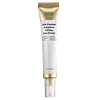
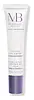
Sungboon Editor Silk Peptide Intensive Lifting Eye Cream Versus Meaningful Beauty Lifting Eye Creme - Advanced Formula
This anti-aging eye moisturizer is formulated around Niacinamide and Acetyl Hexapeptide-8 to soften the look of wrinkles.
This barrier-repair eye moisturizer is formulated around Sodium Hyaluronate to strengthen the skin barrier and hydrate skin.


What's inside
What's inside
 Key Ingredients
Benefits
Concerns
Ingredients Side-by-side
Water
Skin ConditioningGlycerin
Humectant


Cetyl Ethylhexanoate
EmollientCaprylic/Capric Triglyceride
Masking
Cetearyl Alcohol
Emollient





Niacinamide
Smoothing









Caprylyl Methicone
Skin Conditioning
Polyglyceryl-3 Methylglucose Distearate
Emulsifying
Cetearyl Glucoside
Emulsifying
Sorbitan Olivate
Emulsifying
Pentaerythrityl Tetraethylhexanoate
Emollient
Myrothamnus Flabellifolia Callus Culture Extract
Antioxidant
Silk Extract
Skin ConditioningAcetyl Hexapeptide-8
Humectant
Retinol
Skin Conditioning

Panthenol
Skin Conditioning
Gold
Cosmetic ColorantBenzyl Glycol
SolventButylene Glycol
Humectant
Behenyl Alcohol
Emollient
Palmitic Acid
Emollient
Stearic Acid
Cleansing
Sodium Acrylate/Sodium Acryloyldimethyl Taurate Copolymer
Emulsion StabilisingPolyisobutene
Butyrospermum Parkii Butter
Skin Conditioning
Stearyl Alcohol
Emollient
Arachidyl Alcohol
Emollient
Macadamia Ternifolia Seed Oil
Emollient
Xanthan Gum
Emulsifying1,2-Hexanediol
Skin Conditioning
Coptis Chinensis Root Extract
Antioxidant
Ethylhexylglycerin
Skin ConditioningAdenosine
Skin Conditioning
Sorbitan Oleate
Emulsifying
Agar
MaskingCaprylyl/Capryl Glucoside
CleansingMalt Extract
Skin ProtectingCalcium Alginate
MaskingAllantoin
Skin Conditioning
Hydrolyzed Elastin
EmollientHydrolyzed Silk
Humectant
Hydrogenated Polyisobutene
EmollientMoringa Oleifera Seed Extract
Skin Conditioning
Ethyl Hexanediol
SolventDioscorea Villosa Root Extract
Skin Conditioning
Polysorbate 20
Emulsifying
Hydrolyzed Collagen
Emollient
Hydrogenated Lecithin
Emulsifying
Mica
Cosmetic ColorantMacrocystis Pyrifera Extract
Skin Conditioning
Abelmoschus Esculentus Fruit Extract
Skin ConditioningHydrolyzed Soy Protein
Humectant
Titanium Dioxide
Cosmetic Colorant

Synthetic Fluorphlogopite
Acrylates/C10-30 Alkyl Acrylate Crosspolymer
Emulsion StabilisingTromethamine
BufferingCI 77491
Cosmetic ColorantCorchorus Olitorius Leaf Extract
Skin ConditioningNelumbo Nucifera Root Extract
Skin ConditioningHydrolyzed Collagen Extract
Skin Protecting
Silk Amino Acids
HumectantHydrolyzed Hyaluronic Acid
Humectant
Hydrolyzed Sodium Hyaluronate
Skin Conditioning
Dimethylsilanol Hyaluronate
Humectant
Sodium Hyaluronate
Humectant
Polyglutamic Acid
Skin Conditioning
Hyaluronic Acid
Humectant
Potassium Hyaluronate
Skin ConditioningSodium Hyaluronate Crosspolymer
Humectant
Hydroxypropyltrimonium Hyaluronate
Ceramide NP
Skin Conditioning
Sodium Hyaluronate Dimethylsilanol
HumectantSodium Acetylated Hyaluronate
Humectant
Tin Oxide
Abrasive
Copper Tripeptide-1
Skin Conditioning
Cholesterol
Emollient
Phytosphingosine
Skin Conditioning
Caffeoyl Hexapeptide-65
Antimicrobial
Ceramide Ng
Skin Conditioning
Ceramide Ns
Skin Conditioning
Palmitoyl Tetrapeptide-7
Skin Conditioning
Ceramide As
Skin Conditioning
Ceramide AP
Skin Conditioning
Ophiopogon Japonicus Root Extract
Skin ConditioningPalmitoyl Tripeptide-1
Skin Conditioning
Glycine
Buffering
Glutamic Acid
Humectant
Leucine
Skin ConditioningMethionine
Skin ConditioningValine
MaskingSerine
Masking
Aspartic Acid
Masking
Alanine
Masking
Arginine
Masking
Isoleucine
Skin ConditioningPhenylalanine
Masking
Proline
Skin Conditioning
Histidine
Humectant
Taurine
BufferingOrnithine
Skin ConditioningCollagen Extract
Skin Conditioning
Palmitoyl Pentapeptide-4
Skin Conditioning
Sh-Oligopeptide-1
Skin Conditioning
Sh-Oligopeptide-2
Skin Conditioning
Sh-Polypeptide-11
Ceramide EOP
Skin Conditioning
Water, Glycerin, Cetyl Ethylhexanoate, Caprylic/Capric Triglyceride, Cetearyl Alcohol, Niacinamide, Caprylyl Methicone, Polyglyceryl-3 Methylglucose Distearate, Cetearyl Glucoside, Sorbitan Olivate, Pentaerythrityl Tetraethylhexanoate, Myrothamnus Flabellifolia Callus Culture Extract, Silk Extract, Acetyl Hexapeptide-8, Retinol, Panthenol, Gold, Benzyl Glycol, Butylene Glycol, Behenyl Alcohol, Palmitic Acid, Stearic Acid, Sodium Acrylate/Sodium Acryloyldimethyl Taurate Copolymer, Polyisobutene, Butyrospermum Parkii Butter, Stearyl Alcohol, Arachidyl Alcohol, Macadamia Ternifolia Seed Oil, Xanthan Gum, 1,2-Hexanediol, Coptis Chinensis Root Extract, Ethylhexylglycerin, Adenosine, Sorbitan Oleate, Agar, Caprylyl/Capryl Glucoside, Malt Extract, Calcium Alginate, Allantoin, Hydrolyzed Elastin, Hydrolyzed Silk, Hydrogenated Polyisobutene, Moringa Oleifera Seed Extract, Ethyl Hexanediol, Dioscorea Villosa Root Extract, Polysorbate 20, Hydrolyzed Collagen, Hydrogenated Lecithin, Mica, Macrocystis Pyrifera Extract, Abelmoschus Esculentus Fruit Extract, Hydrolyzed Soy Protein, Titanium Dioxide, Synthetic Fluorphlogopite, Acrylates/C10-30 Alkyl Acrylate Crosspolymer, Tromethamine, CI 77491, Corchorus Olitorius Leaf Extract, Nelumbo Nucifera Root Extract, Hydrolyzed Collagen Extract, Silk Amino Acids, Hydrolyzed Hyaluronic Acid, Hydrolyzed Sodium Hyaluronate, Dimethylsilanol Hyaluronate, Sodium Hyaluronate, Polyglutamic Acid, Hyaluronic Acid, Potassium Hyaluronate, Sodium Hyaluronate Crosspolymer, Hydroxypropyltrimonium Hyaluronate, Ceramide NP, Sodium Hyaluronate Dimethylsilanol, Sodium Acetylated Hyaluronate, Tin Oxide, Copper Tripeptide-1, Cholesterol, Phytosphingosine, Caffeoyl Hexapeptide-65, Ceramide Ng, Ceramide Ns, Palmitoyl Tetrapeptide-7, Ceramide As, Ceramide AP, Ophiopogon Japonicus Root Extract, Palmitoyl Tripeptide-1, Glycine, Glutamic Acid, Leucine, Methionine, Valine, Serine, Aspartic Acid, Alanine, Arginine, Isoleucine, Phenylalanine, Proline, Histidine, Taurine, Ornithine, Collagen Extract, Palmitoyl Pentapeptide-4, Sh-Oligopeptide-1, Sh-Oligopeptide-2, Sh-Polypeptide-11, Ceramide EOP
Water
Skin ConditioningOleyl Erucate
Emollient
Glycerin
Humectant
Dimethicone
Emollient
Hydrolyzed Hazelnut Protein
Skin ConditioningCetearyl Alcohol
Emollient
Ceteth-20 Phosphate
CleansingSteareth-10
Emulsifying
Sorbitan Stearate
Emulsifying
Palmitoyl Grape Seed Extract
Skin ConditioningCucumis Melo Fruit Extract
Skin ConditioningSafflower Oil/Palm Oil Aminopropanediol Esters
Skin Conditioning
Aloe Barbadensis Leaf Juice
Skin Conditioning
Hydrogenated Phosphatidylcholine
Emulsifying
Cholesterol
Emollient
Bisabolol
Antioxidant
Sodium Hyaluronate
Humectant
Alcohol
Antimicrobial

Caprylyl Glycol
Emollient
Ethylhexylglycerin
Skin ConditioningBiosaccharide Gum-4
Skin Conditioning
Hydrogenated Vegetable Oil
Emollient
Magnesium Ascorbyl Phosphate
Antioxidant
Dicetyl Phosphate
EmulsifyingAcrylates/C10-30 Alkyl Acrylate Crosspolymer
Emulsion StabilisingMicrocrystalline Cellulose
AbsorbentCellulose Gum
Emulsion StabilisingDisodium EDTA
ChelatingSodium Hydroxide
BufferingBenzoic Acid
Masking
Chlorphenesin
Antimicrobial
Phenoxyethanol
Preservative
Mica
Cosmetic ColorantWater, Oleyl Erucate, Glycerin, Dimethicone, Hydrolyzed Hazelnut Protein, Cetearyl Alcohol, Ceteth-20 Phosphate, Steareth-10, Sorbitan Stearate, Palmitoyl Grape Seed Extract, Cucumis Melo Fruit Extract, Safflower Oil/Palm Oil Aminopropanediol Esters, Aloe Barbadensis Leaf Juice, Hydrogenated Phosphatidylcholine, Cholesterol, Bisabolol, Sodium Hyaluronate, Alcohol, Caprylyl Glycol, Ethylhexylglycerin, Biosaccharide Gum-4, Hydrogenated Vegetable Oil, Magnesium Ascorbyl Phosphate, Dicetyl Phosphate, Acrylates/C10-30 Alkyl Acrylate Crosspolymer, Microcrystalline Cellulose, Cellulose Gum, Disodium EDTA, Sodium Hydroxide, Benzoic Acid, Chlorphenesin, Phenoxyethanol, Mica
Alternatives
Ingredients Explained
These ingredients are found in both products.
Ingredients higher up in an ingredient list are typically present in a larger amount.
Acrylates/C10-30 Alkyl Acrylate Crosspolymer is a synthetic polymer. It is used to thicken, emulsify, and improve the texture of products.
As an emulsifier, it helps stabilize oil-in-water emulsions to give products an elegant feel when applied.
It can also form a thin protective film on skin. One study found that a formula using this polymer helped slow down how quickly other ingredients (like DEET) were absorbed through skin.
A 2024 study of over 1,300 patients confirmed that sensitization to this ingredient is rare. It is also non-mutagenic and has a clean track record.
Learn more about Acrylates/C10-30 Alkyl Acrylate CrosspolymerCetearyl alcohol is a waxy mixture of two fatty alcohols: cetyl alcohol and stearyl alcohol. It is an emollient and emulsifier.
Despite having "alcohol" in its name, it has nothing to do with drying solvent alcohols; the FDA also allows "alcohol-free" products to contain fatty alcohols like this ingredient.
It plays several roles in a formula:
Typical use levels for this ingredient sit around 1-10% and the Cosmetic Ingredient Review Expert Panel has affirmed safety at concentrations up to 25% in leave-on products.
Multiple assessments have found it to be non-irritating and non-sensitizing to most people.
However, there have been some cases of allergic contact dermatitis in patients with chronically compromised skin barriers.
Cetearyl alcohol has a comedogenic rating of 2 and irritancy rating of 1. Both of these numbers come from the 1989 study that used rabbit ears; a "2" means mildly comedogenic and a "1" means low irritancy.
Here's the catch: rabbit skin is more sensitive than human skin and throws a lot of false positives. A 1996 reappraisal found that ingredients rated 1-2 in the rabbit ear tests are generally safe for humans.
Remember comedogenic ratings are unable to assess the entire formula of a product or how it will react on your skin. Just be sure to patch test if you are unsure about certain ingredients.
This ingredient is not fungal acne safe. Cetearyl alcohol is a fatty alcohol with chain lengths that fall within the range that Malassezia can metabolize.
A 2019 study has also observed Malassezia growth in the presence of this ingredient, confirming it to be not-fungal acne safe.
Learn more about Cetearyl AlcoholCholesterol is a lipid that is naturally found in human skin and is one of the three key components of your skin barrier. In skincare, it is an emollient and barrier-repairing ingredient.
It works by fitting directly into the lipid layers of skin to help restore structure and reduce transepidermal water loss (TEWL).
This is a great ingredient for dry, compromised, or aging skin; our skin starts to produce less cholesterol with age.
Research shows cholesterol works best in combination with ceramides and fatty acids, the other two major components in your skin barrier.
Cholesterol is also a well-establish penetration enhancer and can help other actives absorb more effectively.
Cosmetic-grade cholesterol is usually derived from lanolin but plant and synthetic options also exist. We recommend reaching out to the brand if you have questions about their source of cholesterol.
Learn more about CholesterolEthylhexylglycerin is created from glycerin. It is a multitasker ingredient that:
The CIR Expert Panel found minimal skin absorption or sensitization of any kind in a safety assessment. Though this ingredient is considered well-tolerated, a small number of cases of allergic dermatitis have been published since 2002. Just be sure to patch test if you are unsure.
Industry-reported use ranges from 8% in rinse-off products and 2% in leave-on formulations.
Learn more about EthylhexylglycerinGlycerin (or glycerol) is a compound naturally found in your skin. It's a powerhouse humectant that pulls water into the stratum corneum.
Topically, glycerin does several things at once:
Your skin makes glycerin on its own (mostly from sebaceous oil breakdown) and shuttles it to your outermost layer of skin, or your epidermis, via aquaporin-3.
Aquaporin-3 is a transporter that is essential for normal skin hydration, elasticity, and repair. Interestingly, mice lacking in AQP3 have dry and less elastic skin that can be fully corrected with glycerin.
This ingredient is non-irritating, plays well with almost every ingredient, and works across all skin types. Typical use is anywhere between 3-10% but can go up to 79% in some leave-on products.
Just know very high concentrations (>40%) can feel tacky in low humidity.
Glycerin is the name for this ingredient in American English. British English uses Glycerol/Glycerine.
Learn more about GlycerinMica is a naturally occurring mineral used to add shimmer and color in cosmetics. It can also help improve the texture of a product or give it an opaque, white/silver color.
Serecite is the name for very fine but ragged grains of mica.
This ingredient is often coated with metal oxides like titanium dioxide. Trace amounts of heavy metals may be found in mica, but these metals are not harmful in our personal products.
Mica has been used since prehistoric times throughout the world. Ancient Egyptian, Indian, Greek, Roman, Aztec, and Chinese civilizations have used mica.
Learn more about MicaSodium Hyaluronate is the salt form of hyaluronic acid. It is a long sugar chain that is naturally found in your skin, joints, and connective tissue that maintains hydration and elasticity.
In skincare, it works as a humectant. It pulls water from the environment and deeper layers of skin and binds it to the surface.
Interestingly, the size of the molecule affects its behavior:
Some clinical evidence links low molecular weight versions to improved wrinkle depth, elasticity, anti-inflammatory effects, and barrier repair.
Many serums use a blend of both weights so you can get surface hydration plus longer-lasting and deeper effects.
You'll typically see concentrations between 0.1-2% for this ingredient.
Learn more about Sodium HyaluronateWater. It's the most common cosmetic ingredient of all. You'll usually see it at the top of ingredient lists, meaning that it makes up the largest part of the product.
So why is it so popular? Water most often acts as a solvent - this means that it helps dissolve other ingredients into the formulation.
You'll also recognize water as that liquid we all need to stay alive. If you see this, drink a glass of water. Remember to stay hydrated!
Learn more about Water

