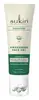
This calming day moisturizer is formulated around Aloe Barbadensis Leaf Juice and Coffea Arabica Seed Extract to calm redness and hydrate skin.
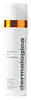
This brightening day moisturizer is formulated around Squalane and Aminopropyl Ascorbyl Phosphate to brighten dull-looking skin and hydrate skin.


What's inside
What's inside
 Key Ingredients
Benefits
Concerns
Ingredients Side-by-side
Water
Skin ConditioningAloe Barbadensis Leaf Juice
Skin Conditioning


Pentylene Glycol
Skin Conditioning
Propanediol
Solvent
Glycerin
Humectant
Xanthan Gum
EmulsifyingPanthenol
Skin Conditioning
Coffea Arabica Seed Extract
Masking
Caffeine
Skin Conditioning
Panax Ginseng Root Extract
Emollient
Paullinia Cupana Seed Extract
Skin ConditioningCucumis Sativus Fruit Extract
Emollient
Camellia Sinensis Leaf Extract
Antimicrobial



Hydrolyzed Sodium Hyaluronate
Skin Conditioning
Helianthus Annuus Seed Oil
Emollient


Squalane
Emollient
Tocopherol
Antioxidant

Lecithin
Emollient
Sclerotium Gum
Emulsion StabilisingPullulan
Sodium Gluconate
ChelatingSodium Metabisulfite
Antioxidant
Silica
Abrasive
Citric Acid
Buffering
Phenoxyethanol
Preservative
Benzyl Alcohol
Perfuming





Parfum
Masking
Limonene
Perfuming
Linalool
Perfuming
Water, Aloe Barbadensis Leaf Juice, Pentylene Glycol, Propanediol, Glycerin, Xanthan Gum, Panthenol, Coffea Arabica Seed Extract, Caffeine, Panax Ginseng Root Extract, Paullinia Cupana Seed Extract, Cucumis Sativus Fruit Extract, Camellia Sinensis Leaf Extract, Hydrolyzed Sodium Hyaluronate, Helianthus Annuus Seed Oil, Squalane, Tocopherol, Lecithin, Sclerotium Gum, Pullulan, Sodium Gluconate, Sodium Metabisulfite, Silica, Citric Acid, Phenoxyethanol, Benzyl Alcohol, Parfum, Limonene, Linalool
Water
Skin ConditioningGlycerin
Humectant
Squalane
Emollient
Propanediol
Solvent
Butylene Glycol
Humectant
PPG-24-Glycereth-24
EmulsifyingJojoba Wax PEG-120 Esters
Surfactant
Hydroxyethyl Urea
Humectant
Trehalose
Humectant
Aminopropyl Ascorbyl Phosphate
Antioxidant

Allantoin
Skin Conditioning
Hyaluronic Acid
Humectant
Hydrolyzed Hyaluronic Acid
Humectant
Hydrolyzed Jojoba Esters
Skin Conditioning
Biosaccharide Gum-1
Humectant
Ethylhexylglycerin
Skin ConditioningSodium PCA
Humectant
Sodium Levulinate
Skin ConditioningErgothioneine
Antioxidant
Beta-Carotene
Skin ConditioningLactobacillus Ferment
Skin Conditioning
Aloe Barbadensis Leaf Juice
Skin Conditioning
Camellia Sinensis Leaf Extract
Antimicrobial
Centella Asiatica Extract
Cleansing
Chamomilla Recutita Flower Extract
Masking
Glycyrrhiza Glabra Root Extract
Bleaching
Verbascum Thapsus Extract
Skin ConditioningLactobacillus/Pumpkin Ferment Extract
Skin ConditioningGlycine Soja Oil
Emollient

Citrus Aurantium Dulcis Peel Extract
Emulsion Stabilising
Citrus Paradisi Peel Oil
Masking

Helianthus Annuus Seed Oil
Emollient
Citrus Aurantium Bergamia Fruit Oil
Masking
Raspberry Ketone
Masking
Jasminum Sambac Flower Extract
Masking
Santalum Album Oil
Masking
Daucus Carota Sativa Root Extract
Skin Conditioning
Bisabolol
Antioxidant
Cystine
MaskingGlycine
Buffering
Dipotassium Glycyrrhizate
Humectant
Hydrolyzed Glycosaminoglycans
HumectantSodium Hyaluronate Crosspolymer
Humectant
Sodium Hyaluronate
Humectant
Pentylene Glycol
Skin Conditioning
Caprylyl Glycol
Emollient
Tocopherol
Antioxidant
Mannitol
Humectant
Tetrasodium Glutamate Diacetate
ChelatingSodium Hydroxide
BufferingPhytic Acid
Chelating
Citric Acid
Buffering
PEG-40 Hydrogenated Castor Oil
Emulsifying
C12-13 Pareth-3
EmulsifyingXanthan Gum
EmulsifyingSclerotium Gum
Emulsion StabilisingPolyacrylate Crosspolymer-6
Emulsion StabilisingAscorbyl Methylsilanol Pectinate
Antioxidant
Glyceryl Caprylate
EmollientP-Anisic Acid
MaskingBenzyl Glycol
SolventMethylpropanediol
SolventSodium Benzoate
Masking
Potassium Sorbate
Preservative
Limonene
Perfuming
Water, Glycerin, Squalane, Propanediol, Butylene Glycol, PPG-24-Glycereth-24, Jojoba Wax PEG-120 Esters, Hydroxyethyl Urea, Trehalose, Aminopropyl Ascorbyl Phosphate, Allantoin, Hyaluronic Acid, Hydrolyzed Hyaluronic Acid, Hydrolyzed Jojoba Esters, Biosaccharide Gum-1, Ethylhexylglycerin, Sodium PCA, Sodium Levulinate, Ergothioneine, Beta-Carotene, Lactobacillus Ferment, Aloe Barbadensis Leaf Juice, Camellia Sinensis Leaf Extract, Centella Asiatica Extract, Chamomilla Recutita Flower Extract, Glycyrrhiza Glabra Root Extract, Verbascum Thapsus Extract, Lactobacillus/Pumpkin Ferment Extract, Glycine Soja Oil, Citrus Aurantium Dulcis Peel Extract, Citrus Paradisi Peel Oil, Helianthus Annuus Seed Oil, Citrus Aurantium Bergamia Fruit Oil, Raspberry Ketone, Jasminum Sambac Flower Extract, Santalum Album Oil, Daucus Carota Sativa Root Extract, Bisabolol, Cystine, Glycine, Dipotassium Glycyrrhizate, Hydrolyzed Glycosaminoglycans, Sodium Hyaluronate Crosspolymer, Sodium Hyaluronate, Pentylene Glycol, Caprylyl Glycol, Tocopherol, Mannitol, Tetrasodium Glutamate Diacetate, Sodium Hydroxide, Phytic Acid, Citric Acid, PEG-40 Hydrogenated Castor Oil, C12-13 Pareth-3, Xanthan Gum, Sclerotium Gum, Polyacrylate Crosspolymer-6, Ascorbyl Methylsilanol Pectinate, Glyceryl Caprylate, P-Anisic Acid, Benzyl Glycol, Methylpropanediol, Sodium Benzoate, Potassium Sorbate, Limonene
Reviews
Ingredients Explained
These ingredients are found in both products.
Ingredients higher up in an ingredient list are typically present in a larger amount.
Aloe Barbadensis Leaf Juice is the filtered, stabilized liquid pressed from the inner gel of the aloe vera leaf.
In cosmetics, it shows up as either soothing active or a water-replacement base. It is roughly 98-99% water and the last 1-2% is an interesting mix of polysaccharides, amino acids, vitamins, minerals, and enzymes.
The polysaccharides do most of the work: they bind water at the skin surface for a light, non-greasy hydration boost. And one of the polysaccharides, glycomannan, is linked to fibroblast stimulation + collagen synthesis. This is also why aloe has such a long track record in wound and burn healing.
This ingredient is also calming with anti-inflammatory and mild antimicrobial activity, making it a great pick for sensitive, irritated, or post-sun skin.
Realistic expectations matter though; the solid evidence is mostly limited to hydration, soothing, and wound support. Deeper claims about anti-aging or sun protection are not well backed, and science reviews note it does not prevent radiation-induced skin injury.
Because it plays well with almost everything, it's commonly used as a base alongside other actives like niacinamide or vitamin C.
Typical usage concentrations range from 0.5% (where hydration benefits already show up) all the way to 90%+ (where it replaces water as the main base).
The safety for this ingredient is well-establish as well. Overall, this is a great supporting ingredient for those who want a boost in hydration.
Learn more about Aloe Barbadensis Leaf JuiceCamellia Sinensis Leaf Extract (tea extract) is one of the most well-researched plant extracts in skincare with an impressive resume.
Black tea, green tea, and oolong tea are all harvested from the Camellia Sinensis plant.
Studies show green tea extract and its catechins (like epigallocatechin gallate (EGCG)) help your skin cells product energy more efficiently and reducing the number of free-radicals that can damage your skin from the inside.
In lab-grown skin models, this translated to younger, healthier, and stronger skin.
There's also good sun protection data; researchers saw less DNA damage and redness on human skin when green tea was applied before UVB exposure. And the more they applied, the better the protection.
Needless to say, this ingredient shouldn't replace your sunscreen. But it is a great supportive ingredient that you can already find in many sunscreens and antioxidant serums.
A 2009 study found a 2% green tea lotion was effective for mild-to-moderate acne thanks to its anti-inflammatory and mild antimicrobial activity.
The quality of the extract matters a lot here:
Good extracts contain 50-90% catechins while lower quality ones are mostly there for marketing. We recommend reaching out to the brand if you have questions about the quality or source of their ingredients.
Human Repeated Insult Patch Testing showed no irritation or sensitization at use concentrations (0.86% in leave-on products and up to 30% as leaf water).
Learn more about Camellia Sinensis Leaf ExtractCitric Acid is an alpha hydroxy acid (AHA) naturally found in citrus fruits like oranges, lemons, and limes.
Like other AHAs, citric acid can exfoliate skin by breaking down the bonds that hold dead skin cells together. This helps reveal smoother and brighter skin underneath.
However, this exfoliating effect only happens at high concentrations (20%) which can be hard to find in cosmetic products.
Due to this, citric acid is usually included in small amounts as a pH adjuster. This helps keep products slightly more acidic and compatible with skin's natural pH.
In skincare formulas, citric acid can:
While it can provide some skin benefits, research shows lactic acid and glycolic acid are generally more effective and less irritating exfoliants.
Most citric acid used in skincare today is made by fermenting sugars (usually from molasses). This synthetic version is identical to the natural citrus form but easier to stabilize and use in formulations.
Rosacea skin has a lower threshold for acids generally, with 62.5% of rosacea subjects in one study reacting to lactic acid in a sting test. This is why we mark citric acid as a potential rosacea trigger.
However, this ingredient shows up as a pH adjuster or chelator at roughly 0.1-1% in many products. These low levels are unlikely to be an issue for rosacea skin and becomes a potential trigger at exfoliating concentrations (20%). Because everybody's skin is unique, we recommend a patch test if you are unsure.
Learn more about Citric AcidGlycerin (or glycerol) is a compound naturally found in your skin. It's a powerhouse humectant that pulls water into the stratum corneum.
Topically, glycerin does several things at once:
Your skin makes glycerin on its own (mostly from sebaceous oil breakdown) and shuttles it to your outermost layer of skin, or your epidermis, via aquaporin-3.
Aquaporin-3 is a transporter that is essential for normal skin hydration, elasticity, and repair. Interestingly, mice lacking in AQP3 have dry and less elastic skin that can be fully corrected with glycerin.
This ingredient is non-irritating, plays well with almost every ingredient, and works across all skin types. Typical use is anywhere between 3-10% but can go up to 79% in some leave-on products.
Just know very high concentrations (>40%) can feel tacky in low humidity.
Glycerin is the name for this ingredient in American English. British English uses Glycerol/Glycerine.
Learn more about GlycerinHelianthus Annuus Seed Oil is a plant oil derived from the seeds of a sunflower.
It is rich in fatty acids, primarily linoleic acid and oleic acid. This gives it emollient and skin conditioning properties.
The reason this ingredient is so effective is because it forms a thin film on the skin that reduces transepidermal water loss (TEWL) while supplying linoleic acid to the stratum corneum to improve barrier strength.
The high linoleic acid content is particularly noteworthy for acne-prone skin.
Research suggests that acne-prone skin tends to be deficient in linoleic acid in sebum. Topical application may help replenish this to support a healthier follicular environment and less comedone-promoting sebum.
One randomized study found sunflower seed oil preserved skin barrier integrity in adult volunteers with and without atopic dermatitis (outperforming olive oil).
This ingredient is well-studied, gentle, and an effective emollient suitable for most skin types.
On fungal acne: This ingredient may not be Fungal acne (Malassezia folliculitis) safe. This is because it contains fatty acids with carbon chain lengths in the C11-C24 range.
Learn more about Helianthus Annuus Seed OilLimonene is the compound that gives citrus peel its smell.
In skincare, it shows up as a standalone fragrance ingredient or as a natural compound of citrus and other essential oils.
You'll typically see this ingredient used in very small amounts; anything above 0.001% in a leave-on product or 0.01% in a rinse-off has to be named on the label in the EU. The citrus oils that carry it sit around 0.5-1% in a finished formula.
Fresh limonene is a weak allergen; the real issue is that it slowly reacts with air and then breaks down from oxidation to create hydroperoxides (which are strong sensitizers). This is why suppliers are required to keep the peroxide value below 20 mmol.
Positive reactions in people being investigated for eczema vary:
It's worth skipping if you have a known fragrance allergy or a compromised barrier, but the risk is low for most people.
Older or long-opened products are also more likely to bother you than fresh ones due to oxidation.
Learn more about LimonenePentylene Glycol (1,2-pentanediol) is a multitasking little diol with three main roles in a formula:
Research on alkanediols (the family pentylene glycol belongs to) show they work by disrupting microbial cell membranes. This disruption helps the primary preservative system in a product work more effectively at lower doses.
On the safety side, the Cosmetic Ingredient Review Expert Panel has concluded this ingredient to be safe as used in current cosmetic practices + concentrations.
Typical use levels in a formula run about 1-5%.
Learn more about Pentylene GlycolPropanediol is an all-star ingredient. It softens, hydrates, and smooths the skin.
It’s often used to:
Propanediol is not likely to cause sensitivity and considered safe to use. It is derived from corn or petroleum with a clear color and no scent.
Learn more about PropanediolSclerotium Gum is a natural sugar-based fiber made by fermenting a fungus called Sclerotium rolfsii. It's often used as the plant-friendly alternative for synthetic thickeners like carbomer.
In skincare, it works as a thickener, gel former, and stabilizer that keeps heavy ingredients suspended so a product does not separate.
It is non-ionic and forms a triple helix in solution. This is just a fancy way of saying it builds a smooth, cushiony, and non-sticky gel that feels silkier than many other gums.
Another perk of this ingredient is that it is very sturdy and holds up across a wide pH range (~2-11). It's also good at resisting heat and hydrolysis.
Since it holds water at the skin surface, it can provide some light hydration as well.
Typical use levels are around 0.25-2%; formulators usually use 0.2-0.5% to thicken lotions and up to 2% for a firmer gel base.
This ingredient has been found safe in cosmetics with no meaningful evidence of skin sensitization.
Learn more about Sclerotium GumSqualane is the hydrogenated and shelf-stable form of squalene (a lipid that naturally occurs in human sebum).
It is an emollient and skin conditioning agent that is able to integrate seamlessly into the skin's lipid barrier without clogging pores.
This is due to how structurally similar it is to what your skin already produces.
Though it is mostly an emollient that helps soften and hydrate skin, it also has some humectant and occlusive action. Humectants help the skin retain moisture while occlusives seal it in, making squalane a triple-threat moisturizer.
Research shows it has antioxidant capabilities that help protect against stressors like UV exposure, specifically UVA induced oxidative stress. This study also found that it supports collagen biosynthesis in human dermal fibroblasts.
No clinical study has reported significant adverse effects and irritation reactions are very rare from this ingredient (even at 100% concentration).
Overall, it's a fantastic ingredient for hydration and is suitable for all skin types.
This depends on the source. Squalane can be derived from both plants and animals. Most squalane used in skincare comes from plants.
Please note: the source of squalane is only known if disclosed by the brand. We recommend reaching out to the brand if you have any questions about their squalane.
Read more about squalene with an "e".
Though squalane is often called an oil, it’s technically not one. It is a hydrocarbon, meaning it is only made of carbon and hydrogen. True oils are triglycerides and made of fatty acids and glycerol.
The term “oil-free” isn’t regulated so companies can define it however they want. Some exclude all oils, while others just avoid mineral oil or comedogenic oils.
Squalane has a comedogenic rating of 1 from the original 1972 study that tested raw ingredients under occlusion on rabbit ears. This system is not standardized or peer-reviewed, and using the raw ingredients is very different from how diluted cosmetic formulations are used on human skin.
A comedogenic rating of 1 means it is "unlikely to clog pores" according to the original rating system.
The overall formula of a product matters more than the individual ingredients on whether or not it will cause clogged pores.
Learn more about SqualaneTocopherol is a fat-soluble antioxidant known as Vitamin E.
You'll find this ingredient in the vast majority of skincare (for good reason). It works to neutralize free radicals, or unstable molecules generated by UV exposure, pollution, and other environmental stressors, before they can cause oxidative damage to your skin cells.
Topically applied tocopherol has been shown to protect against UV damage by ramping up the skin's own natural defense enzymes.
It also acts as a skin conditioning agent; some studies show that regular topical use can improve the skin's water-binding capacity over 2-4 weeks.
This ingredient is especially loved for being a team player. When combined with Vitamin C, the photoprotective effect of both ingredients roughly doubles and the combo also helps reduce UV-induced DNA damage.
This ingredient has some brightening potential but it's more of a prevention ingredient than spot-fader. Cell studies show it can slow down melanin production but it's worth noting that it's not the most powerful brightener out there.
In formulations, it also serves as a stabilizer that helps protect other oxidation-prone ingredients from degrading.
Concentrations usually range from 0.1-1% in most leave-on products.
Learn more about TocopherolWater. It's the most common cosmetic ingredient of all. You'll usually see it at the top of ingredient lists, meaning that it makes up the largest part of the product.
So why is it so popular? Water most often acts as a solvent - this means that it helps dissolve other ingredients into the formulation.
You'll also recognize water as that liquid we all need to stay alive. If you see this, drink a glass of water. Remember to stay hydrated!
Learn more about WaterXanthan gum is used as a stabilizer and thickener within cosmetic products. It helps give products a sticky, thick feeling - preventing them from being too runny.
On the technical side of things, xanthan gum is a polysaccharide - a combination consisting of multiple sugar molecules bonded together.
Xanthan gum is a pretty common and great ingredient. It is a natural, non-toxic, non-irritating ingredient that is also commonly used in food products.
Learn more about Xanthan Gum

