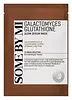
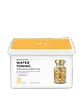
Some By Mi Galactomyces Glutathione Glow Serum Mask Sheet Versus Wonjin Effect Concentrated Essence Mask
This brightening sheet mask is formulated around Galactomyces Ferment Filtrate and Niacinamide to brighten dull-looking skin and fade the look of dark spots.
This hydrating sheet mask is formulated around Niacinamide and Panthenol to hydrate skin and brighten dull-looking skin.

What's inside
What's inside
 Key Ingredients
Benefits
Concerns
Ingredients Side-by-side
Water
Skin ConditioningDipropylene Glycol
HumectantGalactomyces Ferment Filtrate
Humectant







Glycerin
Humectant
Methylpropanediol
SolventGlycereth-26
Humectant
Niacinamide
Smoothing





Glyceryl Glucoside
Humectant
Glyceryl Polymethacrylate
Erythritol
Humectant
Polyglyceryl-10 Laurate
Skin Conditioning
Hydroxyacetophenone
Antioxidant
1,2-Hexanediol
Skin Conditioning
Carbomer
Emulsion StabilisingCaprylyl Glycol
Emollient
Arginine
Masking
Hydrolyzed Jojoba Esters
Skin Conditioning
Xanthan Gum
EmulsifyingAdenosine
Skin Conditioning
Glucose
Humectant
Ethylhexylglycerin
Skin ConditioningButylene Glycol
Humectant
Citric Acid
Buffering
Ascorbic Acid
Antioxidant
Polyquaternium-51
Skin Conditioning
Panthenol
Skin Conditioning
Citrus Aurantium Bergamia Fruit Oil
Masking



Diethylhexyl Sodium Sulfosuccinate
CleansingSodium Citrate
BufferingLavandula Angustifolia Oil
Masking
Glutathione
Sodium Hyaluronate
Humectant
Dipotassium Glycyrrhizate
Humectant
Oryza Sativa Extract
Absorbent
Malus Domestica Fruit Extract
Antioxidant
Saccharide Isomerate
Humectant
Hydrogenated Lecithin
Emulsifying
Pantolactone
Humectant
Maltodextrin
Absorbent
Brassica Oleracea Italica Extract
AstringentHydrolyzed Vegetable Protein
Skin ConditioningPrunus Serrulata Flower Extract
Skin ConditioningNelumbium Speciosum Flower Extract
Skin ConditioningLilium Tigrinum Extract
Skin ConditioningCopper Tripeptide-1
Skin Conditioning
Hydrolyzed Hyaluronic Acid
Humectant
Hyaluronic Acid
Humectant
Sodium Hyaluronate Crosspolymer
Humectant
Hydroxypropyltrimonium Hyaluronate
Potassium Hyaluronate
Skin ConditioningHydrolyzed Sodium Hyaluronate
Skin Conditioning
Pentylene Glycol
Skin Conditioning
Sodium Acetylated Hyaluronate
Humectant
Disodium EDTA
ChelatingLimonene
Perfuming
Linalool
Perfuming
Water, Dipropylene Glycol, Galactomyces Ferment Filtrate, Glycerin, Methylpropanediol, Glycereth-26, Niacinamide, Glyceryl Glucoside, Glyceryl Polymethacrylate, Erythritol, Polyglyceryl-10 Laurate, Hydroxyacetophenone, 1,2-Hexanediol, Carbomer, Caprylyl Glycol, Arginine, Hydrolyzed Jojoba Esters, Xanthan Gum, Adenosine, Glucose, Ethylhexylglycerin, Butylene Glycol, Citric Acid, Ascorbic Acid, Polyquaternium-51, Panthenol, Citrus Aurantium Bergamia Fruit Oil, Diethylhexyl Sodium Sulfosuccinate, Sodium Citrate, Lavandula Angustifolia Oil, Glutathione, Sodium Hyaluronate, Dipotassium Glycyrrhizate, Oryza Sativa Extract, Malus Domestica Fruit Extract, Saccharide Isomerate, Hydrogenated Lecithin, Pantolactone, Maltodextrin, Brassica Oleracea Italica Extract, Hydrolyzed Vegetable Protein, Prunus Serrulata Flower Extract, Nelumbium Speciosum Flower Extract, Lilium Tigrinum Extract, Copper Tripeptide-1, Hydrolyzed Hyaluronic Acid, Hyaluronic Acid, Sodium Hyaluronate Crosspolymer, Hydroxypropyltrimonium Hyaluronate, Potassium Hyaluronate, Hydrolyzed Sodium Hyaluronate, Pentylene Glycol, Sodium Acetylated Hyaluronate, Disodium EDTA, Limonene, Linalool
Water
Skin ConditioningGlycerin
Humectant
Butylene Glycol
Humectant
Niacinamide
Smoothing
1,2-Hexanediol
Skin Conditioning
Cyclopentasiloxane
Emollient
Alcohol
Antimicrobial

Carbomer
Emulsion StabilisingArginine
Masking
PEG-10 Dimethicone/Vinyl Dimethicone Crosspolymer
Stabilising
Polyglyceryl-10 Laurate
Skin Conditioning
Caprylyl Glycol
Emollient
Hydroxyethyl Acrylate/Sodium Acryloyldimethyl Taurate Copolymer
Emulsion StabilisingPolyglyceryl-4 Laurate
Emulsifying
Cyclohexasiloxane
Emollient
Caprylyl/Capryl Glucoside
CleansingAllantoin
Skin Conditioning
Betaine
Humectant
Xanthan Gum
EmulsifyingDipotassium Glycyrrhizate
Humectant
Disodium EDTA
ChelatingHydroxyethylcellulose
Emulsion StabilisingParfum
Masking
Panthenol
Skin Conditioning
Arbutin
Antioxidant
Ascorbic Acid
Antioxidant
Brassica Napus Seed Oil
Emollient
Polysorbate 60
Emulsifying
Sorbitan Isostearate
Emulsifying
Xylitylglucoside
Humectant
Illicium Verum Fruit Extract
Perfuming
Anhydroxylitol
Humectant
Calcium Pantothenate
Sodium Starch Octenylsuccinate
AbsorbentPolyglyceryl-3 Diisostearate
Emulsifying

Glycyrrhiza Glabra Root Extract
Bleaching
Maltodextrin
Absorbent
Xylitol
Humectant
Paeonia Lactiflora Root Extract
Skin ConditioningSodium Ascorbyl Phosphate
Antioxidant
Pentylene Glycol
Skin Conditioning
Pyridoxine Hcl
Skin ConditioningTocopheryl Acetate
Antioxidant
Oryza Sativa Extract
Absorbent
Althaea Officinalis Root Extract
Skin Conditioning
Ethylhexylglycerin
Skin ConditioningSalix Alba Bark Extract
Astringent
Chamaecyparis Obtusa Leaf Extract
Skin ConditioningOriganum Vulgare Leaf Extract
Skin ConditioningDisodium Phosphate
BufferingSodium Hyaluronate
Humectant
Scutellaria Baicalensis Extract
AntimicrobialCinnamomum Zeylanicum Bark Extract
Antimicrobial
Portulaca Oleracea Extract
Skin Conditioning
Lactobacillus/Soybean Ferment Extract
Skin ConditioningHippophae Rhamnoides Fruit Extract
Skin Conditioning
Sodium Hyaluronate Crosspolymer
Humectant
Sodium Phosphate
BufferingHydrolyzed Hyaluronic Acid
Humectant
Silica
Abrasive
Gold
Cosmetic ColorantHyaluronic Acid
Humectant
Hydrolyzed Sodium Hyaluronate
Skin Conditioning
Water, Glycerin, Butylene Glycol, Niacinamide, 1,2-Hexanediol, Cyclopentasiloxane, Alcohol, Carbomer, Arginine, PEG-10 Dimethicone/Vinyl Dimethicone Crosspolymer, Polyglyceryl-10 Laurate, Caprylyl Glycol, Hydroxyethyl Acrylate/Sodium Acryloyldimethyl Taurate Copolymer, Polyglyceryl-4 Laurate, Cyclohexasiloxane, Caprylyl/Capryl Glucoside, Allantoin, Betaine, Xanthan Gum, Dipotassium Glycyrrhizate, Disodium EDTA, Hydroxyethylcellulose, Parfum, Panthenol, Arbutin, Ascorbic Acid, Brassica Napus Seed Oil, Polysorbate 60, Sorbitan Isostearate, Xylitylglucoside, Illicium Verum Fruit Extract, Anhydroxylitol, Calcium Pantothenate, Sodium Starch Octenylsuccinate, Polyglyceryl-3 Diisostearate, Glycyrrhiza Glabra Root Extract, Maltodextrin, Xylitol, Paeonia Lactiflora Root Extract, Sodium Ascorbyl Phosphate, Pentylene Glycol, Pyridoxine Hcl, Tocopheryl Acetate, Oryza Sativa Extract, Althaea Officinalis Root Extract, Ethylhexylglycerin, Salix Alba Bark Extract, Chamaecyparis Obtusa Leaf Extract, Origanum Vulgare Leaf Extract, Disodium Phosphate, Sodium Hyaluronate, Scutellaria Baicalensis Extract, Cinnamomum Zeylanicum Bark Extract, Portulaca Oleracea Extract, Lactobacillus/Soybean Ferment Extract, Hippophae Rhamnoides Fruit Extract, Sodium Hyaluronate Crosspolymer, Sodium Phosphate, Hydrolyzed Hyaluronic Acid, Silica, Gold, Hyaluronic Acid, Hydrolyzed Sodium Hyaluronate
Reviews
Ingredients Explained
These ingredients are found in both products.
Ingredients higher up in an ingredient list are typically present in a larger amount.
1,2-Hexanediol is a synthetic liquid and another multi-functional powerhouse.
It is a:
- Humectant, drawing moisture into the skin
- Emollient, helping to soften skin
- Solvent, dispersing and stabilizing formulas
- Preservative booster, enhancing the antimicrobial activity of other preservatives
Arginine is a semi-essential amino acid. This just means our bodies can product a bit on its own, but sometimes needs a little boost from food sources.
It is a part of your skin's natural moisturizing factor (NMF), or the water-loving molecules in your outermost layer of skin (stratum corneum) that keeps everything hydrated and happy.
Here's an interesting thing about Arginine: your skin converts it into urea through the Krebs-Henseleit urea cycle. Urea is one of the most effective humectants your skin naturally produces.
A clinical study showed applying 2.5% arginine hydrochloride to atopic dermatitis skin showed significant urea levels in the stratum corneum and improved moisture in just four weeks.
Arginine is also a precursor to nitric oxide; nitric oxide improves microcirculation and supports wound healing and collagen synthesis.
One study found that an amino acid complex containing Arginine reduced skin irritation, improved hydration, and accelerated skin repair in clinical / in-vivo studies.
Arginine itself is an amino acid and not a fatty acid, oil, or ester. On its own, it's not a direct food source for Malassezia, or the yeast that causes fungal acne.
Learn more about ArginineAscorbic Acid is is pure Vitamin C and is the biologically active form used directly by skin.
Not only is vitamin C great for your overall health and immune system, but it also has plenty of benefits for your skin. It is best supported by academic literature for:
Topical vitamin C has been shown to help neutralize oxidative stress from UV and pollution, helping to improve photoaging and hyperpigmentation when used consistently.
One clinical study found that using 5% topical vitamin C for six months improved signs of photodamaged skin, both on the surface and in the deeper structural layers of the skin.
While vitamin C doesn’t replace sunscreen, studies show it can boost photoprotection when combined with Vitamin E and ferulic acid. These two ingredients help improve stability and protective effects.
The big downside of this ingredient is formulation difficulty. Vitamin C is prone to oxidation and doesn't penetrate the skin unless formulated correctly. Research found that vitamin C absorbs into the skin best at a low pH (< 3.5) with about 20% being the upper limit for effective absorption.
Skin levels can saturate after repeated application; this means your skin won’t keep absorbing more once it’s full of vitamin C. This is why more isn’t always better with vitamin C and why very high concentrations don’t necessarily give extra benefits.
Ascorbic acid generally works well with many skincare ingredients but can be irritating when combined with other active ingredients. Strong oxidizing acne treatments like benzoyl peroxide can reduce the effectiveness of vitamin C if they are used at the same time; they are often recommended for use at different times of day.
Read more about other types of Vitamin C:
Foods rich with vitamin C include oranges, strawberries, broccoli, bell peppers, and more. When consuming Vitamin C, your skin receives a portion of the nutrients.
Learn more about Ascorbic AcidButylene Glycol (or BG) is used within cosmetic products for a few different reasons:
Overall, Butylene Glycol is a safe and well-rounded ingredient that works well with other ingredients.
Though this ingredient works well with most skin types, some people with sensitive skin may experience a reaction such as allergic rashes, closed comedones, or itchiness.
Learn more about Butylene GlycolCaprylyl Glycol is a humectant, skin conditioner, emollient, and preservative booster derived from either caprylic acid or synthetically created.
Typical use levels vary from 0.3-1% as a preservative booster and go up to 2% to condition skin.
Because it is not a free-fatty acid, this ingredient is fungal acne safe (there's nothing for Malassezia to feed on).
Learn more about Caprylyl GlycolCarbomer is a synthetic thickening and gelling agent. It's basically the ingredient that gives a lot of serums, gels, creams, and sunscreens their smooth, non-sticky texture.
Although legally permitted at very high levels, carbomers are normally used at concentrations below 1%.
It also needs to be neutralized to actually thicken, and because it is a large molecule, it doesn't really penetrate the skin barrier.
Allergy-wise, the risk is very low. Clinical studies show carbomers have low potential for skin irritation/sensitization even at concentrations up to 100%.
A 2024 UK study patch-tested 1,302 patients and found true allergy to the parent group of carbomer to be rare with no confirmed relevant reactions.
Learn more about CarbomerDipotassium Glycyrrhizate comes from licorice root.
Extracts of licorice have demonstrated to have antibacterial, anti‐inflammatory, antiviral, antioxidant properties.
One component, glabridin, has extra potent antioxidant and soothing properties. It has also been found to block pigmentation from UVB rays in guinea pigs.
Licorice Root also contains a flavonoid. Flavonoids are a natural substance from in plants. Flavonoids also have antioxidant properties.
Another component, glycyrrhizin, has been found to have anti-inflammatory and antimicrobial benefits. This may make licorice root extract effective at treating acne. However, more research is needed to support this.
Liquiritin is one of the flavone compounds found in licorice. It has been found to help lighten skin by preventing tyrosinase from reacting with tyrosine. When the two react, protein is converted to melanin. Melanin is the substance in your body that gives your features pigmentation.
Licorice root is native to Southern Europe and Asia. It has been used in traditional Chinese medicine to help with respiratory issues.
Learn more about Dipotassium GlycyrrhizateDisodium EDTA is a chelating agent. It grabs onto and deactivates metal ions that sneak into your products from water, packaging, or air.
This ingredient mainly works behind the scenes and helps with:
On top of that, this ingredient can counteract the effects of hard water by binding to the minerals in it.
One thing worth knowing is that Disodium EDTA has been shown to be a mild penetration enhancer. It can help other ingredients absorb into skin more effectively which can be a double-edged sword (great for actives, but can also make the active too strong if you have sensitive skin).
Clinical patch testing showed no significant skin irritation at typical use concentrations and minimal dermal absorption.
You'll most likely see this ingredient near the end of an ingredient list. It's typically found in concentrations less than 1%.
Learn more about Disodium EDTAEthylhexylglycerin is created from glycerin. It is a multitasker ingredient that:
The CIR Expert Panel found minimal skin absorption or sensitization of any kind in a safety assessment. Though this ingredient is considered well-tolerated, a small number of cases of allergic dermatitis have been published since 2002. Just be sure to patch test if you are unsure.
Industry-reported use ranges from 8% in rinse-off products and 2% in leave-on formulations.
Learn more about EthylhexylglycerinGlycerin (or glycerol) is a compound naturally found in your skin. It's a powerhouse humectant that pulls water into the stratum corneum.
Topically, glycerin does several things at once:
Your skin makes glycerin on its own (mostly from sebaceous oil breakdown) and shuttles it to your outermost layer of skin, or your epidermis, via aquaporin-3.
Aquaporin-3 is a transporter that is essential for normal skin hydration, elasticity, and repair. Interestingly, mice lacking in AQP3 have dry and less elastic skin that can be fully corrected with glycerin.
This ingredient is non-irritating, plays well with almost every ingredient, and works across all skin types. Typical use is anywhere between 3-10% but can go up to 79% in some leave-on products.
Just know very high concentrations (>40%) can feel tacky in low humidity.
Glycerin is the name for this ingredient in American English. British English uses Glycerol/Glycerine.
Learn more about GlycerinHyaluronic acid (HA) is a glycosaminoglycan (basically a long sugar chain) that your skin already makes on its own. In your skin, HA lives in the extracellular matrix and acts as the body's moisture reservoir.
Topically, HA is a humectant that binds water and helps skin look more plump, smooth, and hydrated.
The only catch is that HA isn't a single thing; it actually comes in a wide range of molecular weights (~50 - 2,000+ kDA) and size matters.
Some clinical evidence links low molecular weight versions to improved wrinkle depth, elasticity, anti-inflammatory effects, and barrier repair.
This is why the best HA serums blend the two sizes together so you get the best of both worlds.
The majority of cosmetic HA is produced by bacterial fermentation, typically using Streptococcus or Bacillus strains. Typical use levels in skincare sit around 0.1-2%.
A clinical study using a 0.2% low-molecular weight HA gel showed improvement in facial seborrheic dermatitis with excellent tolerance.
These are some other common types of Hyaluronic Acid:
Learn more about Hyaluronic AcidHydrolyzed Hyaluronic Acid is hyaluronic acid (HA) that is broken down into lower molecular weight fragments.
It's a humectant that pulls and holds water in the skin to help with hydration, plumpness, and reduce transepidermal water loss.
Because hydrolyzed hyaluronic acid is smaller in size, it can slip past your outermost layer of skin more easily than full-sized HA.
Most formulations will combine all sizes to get the best of both worlds.
Typical usage levels range from 0.01-1%. Any percentage higher than 2% might become goopy and tacky.
Learn more about Hydrolyzed Hyaluronic AcidThis ingredient is created by putting sodium hyaluronate through hydrolysis.
You might know this as 'mini' or 'ultra low-molecular weight' hyaluronic acid. The small molecule size means it is able to travel deeper in the skin.
According to studies, low molecular-weight hyaluronic acid can:
One study from 2011 found ultra-low weight HA to show pro-inflammatory properties. Another study from 2022 found it to downregulate UV-B induced inflammation.
Hydrolysis is a process of changing a molecule using water or enzymes.
This ingredient is water-soluble.
Learn more about Hydrolyzed Sodium HyaluronateMaltodextrin is a plant-derived carbohydrate made by breaking down starch (usually from corn, potato, or rice). In cosmetic formulas, it's a multitasking absorbent, emulsion stabilizer, and skin conditioner.
This ingredient is mostly used to stabilize emulsions and improve the powdery, non-greasy feel of products (like dry shampoos).
Safety-wise, this ingredient is pretty solid; it's even recognized as a food additive. Both animal and clinical studies found no adverse effects at the levels used in cosmetics.
Industry data shows this ingredient is used up to 45.7% in spray products and up to 33% in powder products.
Learn more about MaltodextrinNiacinamide is a multitasking form of vitamin B3 that strengthens the skin barrier, reduces pores and dark spots, regulates oil, and improves signs of aging.
And the best part? It's gentle and well-tolerated by most skin types, including sensitive and reactive skin.
You might have heard of "niacin flush", or the reddening of skin that causes itchiness. Niacinamide has not been found to cause this.
In very rare cases, some individuals may not be able to tolerate niacinamide at all or experience an allergic reaction to it.
If you are experiencing flaking, irritation, and dryness with this ingredient, be sure to double check all your products as this ingredient can be found in all categories of skincare.
When incorporating niacinamide into your routine, look out for concentration amounts. Typically, 5% niacinamide provides benefits such as fading dark spots. However, if you have sensitive skin, it is better to begin with a smaller concentration.
When you apply niacinamide to your skin, your body converts it into nicotinamide adenine dinucleotide (NAD). NAD is an essential coenzyme that is already found in your cells as "fuel" and powers countless biological processes.
In your skin, NAD helps repair cell damage, produce new healthy cells, support collagen production, strengthen the skin barrier, and fight environmental stressors (like UV and pollution).
Our natural NAD levels start to decline with age, leading to slower skin repair, visible aging, and a weaker skin barrier. By providing your skin niacinamide, you're recharging your skin's NAD levels. This leads to stronger, healthier, and younger looking skin.
Another name for vitamin B3 is nicotinamide. This vitamin is water-soluble and our bodies don't store it. We obtain Vitamin B3 from either food or skincare. Meat, fish, wheat, yeast, and leafy greens contain vitamin B3.
The type of niacinamide used in skincare is synthetically created.
Learn more about NiacinamideOryza Sativa Extract comes from the rice grain, Oryza sativa. Rice extract has wound healing, antioxidant, anti-inflammatory, and hydrating properties.
Rice grains contain numerous antioxidants which may help with anti-aging, such as vitamin E. Antioxidants help stabilize free-radical molecules. Unstable free-radical molecules may damage your skin cells and accelerate signs of aging.
A study from 2002 found rice to help increase the rate of wound healing. The same study found an improvement of skin barrier function in the patients after taking rice baths.
Numerous in-vitro studies have found rice water to help decrease sun damage by increasing collagen production and inhibiting the process of tyrosinase.
Long story short- tyrosinase is an enzyme that controls melanin production. Our bodies start producing melanin (AKA tanning) when exposed to UV radiation to protect against damage. Rice water is found to partially block this process.
Though more research is needed on rice's ability to help with UV protection, recent studies seem promising.
Wondering why rice is hydrating? The protein in rice have emollient properties. Emollients create a barrier on the skin to trap moisture in, keeping your skin moisturized.
Some rice extract may have mildly-exfoliating properties. These are mainly limited to Oryza Sativa (Rice) Bran and Oryza Sativa (Rice) Germ Powder.
This rice was first cultivated in China over 10,000 years ago. Many cultures throughout Asia have used rice water on skin and hair for centuries.
Learn more about Oryza Sativa ExtractPanthenol is a common ingredient that helps hydrate and soothe the skin. It is found naturally in our skin and hair.
There are two forms of panthenol: D and L.
D-panthenol is also known as dexpanthenol. Most cosmetics use dexpanthenol or a mixture of D and L-panthenol.
Panthenol is famous due to its ability to go deeper into the skin's layers. Using this ingredient has numerous pros (and no cons):
Like hyaluronic acid, panthenol is a humectant. Humectants are able to bind and hold large amounts of water to keep skin hydrated.
This ingredient works well for wound healing. It works by increasing tissue in the wound and helps close open wounds.
Once oxidized, panthenol converts to pantothenic acid. Panthothenic acid is found in all living cells.
This ingredient is also referred to as pro-vitamin B5.
Learn more about PanthenolPentylene Glycol (1,2-pentanediol) is a multitasking little diol with three main roles in a formula:
Research on alkanediols (the family pentylene glycol belongs to) show they work by disrupting microbial cell membranes. This disruption helps the primary preservative system in a product work more effectively at lower doses.
On the safety side, the Cosmetic Ingredient Review Expert Panel has concluded this ingredient to be safe as used in current cosmetic practices + concentrations.
Typical use levels in a formula run about 1-5%.
Learn more about Pentylene GlycolPolyglyceryl-10 Laurate is a cleansing agent and emulsifier.
It rounds up dirt, oil, and grime, so they can be rinsed off easily as a cleanser.
On the emulsifier side, it keeps your formula smooth and well-mixed by playing peacekeeper for ingredients that don't naturally get along (like oil and water).
Because it has a C12 (lauric acid) fatty acid chain, this ingredient can potentially feed the Malassezia yeast that causes fungal acne. The Malassezia yeast prefers esters with C11-C24 fatty acids.
This ingredient is an ester of lauric acid and Polyglycerin-10.
Learn more about Polyglyceryl-10 LaurateSodium Hyaluronate is the salt form of hyaluronic acid. It is a long sugar chain that is naturally found in your skin, joints, and connective tissue that maintains hydration and elasticity.
In skincare, it works as a humectant. It pulls water from the environment and deeper layers of skin and binds it to the surface.
Interestingly, the size of the molecule affects its behavior:
Some clinical evidence links low molecular weight versions to improved wrinkle depth, elasticity, anti-inflammatory effects, and barrier repair.
Many serums use a blend of both weights so you can get surface hydration plus longer-lasting and deeper effects.
You'll typically see concentrations between 0.1-2% for this ingredient.
Learn more about Sodium HyaluronateSodium Hyaluronate Crosspolymer is a crosslinked version of sodium hyaluronate. This just means it's linked into a 3D mesh network that lets it be more stable and sit on skin as a cohesive, gel-like film rather than sinking into skin.
A 2016 human skin study found crosslinked HA increased epidermal water content by 7.6% over the control group and reduced transepidermal water loss by 27.8%.
A follow-up clinical trial found that a topical crosslinked HA serum applied after fillers, microneedling, or chemical peels was well-tolerated and enhanced skin quality at 14 / 28 days.
More recent research suggests that concentrations as low as 0.03% can act as a penetration enhancer for other skincare actives.
Learn more about Sodium Hyaluronate CrosspolymerWater. It's the most common cosmetic ingredient of all. You'll usually see it at the top of ingredient lists, meaning that it makes up the largest part of the product.
So why is it so popular? Water most often acts as a solvent - this means that it helps dissolve other ingredients into the formulation.
You'll also recognize water as that liquid we all need to stay alive. If you see this, drink a glass of water. Remember to stay hydrated!
Learn more about WaterXanthan gum is used as a stabilizer and thickener within cosmetic products. It helps give products a sticky, thick feeling - preventing them from being too runny.
On the technical side of things, xanthan gum is a polysaccharide - a combination consisting of multiple sugar molecules bonded together.
Xanthan gum is a pretty common and great ingredient. It is a natural, non-toxic, non-irritating ingredient that is also commonly used in food products.
Learn more about Xanthan Gum

