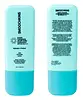
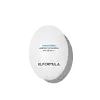
Smoochkins Ectoin Ceramide Airyfit Daily Sunscreen SPF 50 Versus ELFORMULA Cerahydro Barrier Sunscreen SPF 50
This chemical sunscreen covers most of the UV range, lighter on the deep UVA that drives aging.
This hybrid sunscreen covers the full UV range and blocks ~98% of UVB at SPF 50.


What's inside
What's inside
 Key Ingredients
Benefits
Concerns
Ingredients Side-by-side
Water
Skin ConditioningButyl Methoxydibenzoylmethane
UV Absorber
Ethylhexyl Methoxycinnamate
UV Absorber

Silica
Abrasive


Glyceryl Stearate
Emollient

PEG-100 Stearate
Surfactant
Cyclopentasiloxane
Emollient
Caprylic/Capric Triglyceride
Masking


Isopropyl Myristate
Emollient


Propanediol
Solvent
Phenoxyethanol
Preservative
Octocrylene
UV Absorber
Niacinamide
Smoothing








Cetyl Alcohol
Emollient
Trimethylsiloxysilicate
Emollient
Dimethicone Crosspolymer
Emulsion Stabilising
Centella Asiatica Leaf Extract
Skin Conditioning
Aloe Barbadensis Leaf Extract
Emollient
Ectoin
Skin Conditioning
Hydrogenated Phosphatidylcholine
Emulsifying
Glycerin
Humectant
Butyrospermum Parkii Butter
Skin Conditioning
Squalane
Emollient
Ceramide NP
Skin Conditioning
Pentylene Glycol
Skin Conditioning
Butylene Glycol
Humectant
Ethylhexylglycerin
Skin Conditioning1,2-Hexanediol
Skin Conditioning
Lecithin
Emollient
Acrylates/C10-30 Alkyl Acrylate Crosspolymer
Emulsion StabilisingTriethanolamine
BufferingXanthan Gum
EmulsifyingTetrasodium EDTA
ChelatingWater, Butyl Methoxydibenzoylmethane, Ethylhexyl Methoxycinnamate, Silica, Glyceryl Stearate, PEG-100 Stearate, Cyclopentasiloxane, Caprylic/Capric Triglyceride, Isopropyl Myristate, Propanediol, Phenoxyethanol, Octocrylene, Niacinamide, Cetyl Alcohol, Trimethylsiloxysilicate, Dimethicone Crosspolymer, Centella Asiatica Leaf Extract, Aloe Barbadensis Leaf Extract, Ectoin, Hydrogenated Phosphatidylcholine, Glycerin, Butyrospermum Parkii Butter, Squalane, Ceramide NP, Pentylene Glycol, Butylene Glycol, Ethylhexylglycerin, 1,2-Hexanediol, Lecithin, Acrylates/C10-30 Alkyl Acrylate Crosspolymer, Triethanolamine, Xanthan Gum, Tetrasodium EDTA
Water
Skin ConditioningOctocrylene
UV Absorber
Ethylhexyl Methoxycinnamate
UV Absorber
Butylene Glycol
Humectant
Glycerin
Humectant
Ethylhexyl Salicylate
UV Absorber
C12-15 Alkyl Benzoate
AntimicrobialGlycereth-26
Humectant
Methylene Bis-Benzotriazolyl Tetramethylbutylphenol
UV Filter
Saccharomyces Ferment
Skin Conditioning
Titanium Dioxide
Cosmetic Colorant
Polyglyceryl-6 Distearate
Emulsifying
1,2-Hexanediol
Skin Conditioning
Hydroxyacetophenone
Antioxidant
PEG-100 Stearate
Surfactant
Glyceryl Stearate
Emollient
Diglycerin
Humectant
Aluminum Stearates
EmollientJojoba Esters
Emollient
Decyl Glucoside
Cleansing
Methylpropanediol
SolventAllantoin
Skin Conditioning
Potassium Cetyl Phosphate
EmulsifyingLauroyl Lysine
Skin Conditioning
Glucose
Humectant
Alumina
Abrasive
Polyhydroxystearic Acid
Emulsifying
Alpha-Glucan Oligosaccharide
Cleansing
Polyglyceryl-3 Beeswax
Emulsifying
Cetyl Alcohol
Emollient
Xanthan Gum
EmulsifyingCarbomer
Emulsion StabilisingSodium Hyaluronate
Humectant
Disodium EDTA
ChelatingTriethanolamine
BufferingPropylene Glycol
Humectant
Polymnia Sonchifolia Root Juice
Skin ConditioningStephania Tetrandra Root Extract
Skin ConditioningMaltodextrin
Absorbent
Ectoin
Skin Conditioning
Caprylic/Capric Triglyceride
Masking
Propanediol
Solvent
Hydrogenated Lecithin
Emulsifying
Hexylene Glycol
EmulsifyingStearic Acid
Cleansing
Cholesterol
Emollient
Beta-Glucan
Skin Conditioning
Ceramide NP
Skin Conditioning
Trifolium Pratense Extract
Skin ConditioningLactobacillus
Skin ConditioningCentella Asiatica Extract
Cleansing
Polygonum Cuspidatum Root Extract
Antioxidant
Scutellaria Baicalensis Root Extract
Astringent
Lespedeza Capitata Leaf/Stem Extract
Skin ConditioningCamellia Sinensis Leaf Extract
Antimicrobial
Glycyrrhiza Glabra Root Extract
Bleaching
Chamomilla Recutita Flower Extract
Masking
Rosmarinus Officinalis Leaf Extract
AntimicrobialWater, Octocrylene, Ethylhexyl Methoxycinnamate, Butylene Glycol, Glycerin, Ethylhexyl Salicylate, C12-15 Alkyl Benzoate, Glycereth-26, Methylene Bis-Benzotriazolyl Tetramethylbutylphenol, Saccharomyces Ferment, Titanium Dioxide, Polyglyceryl-6 Distearate, 1,2-Hexanediol, Hydroxyacetophenone, PEG-100 Stearate, Glyceryl Stearate, Diglycerin, Aluminum Stearates, Jojoba Esters, Decyl Glucoside, Methylpropanediol, Allantoin, Potassium Cetyl Phosphate, Lauroyl Lysine, Glucose, Alumina, Polyhydroxystearic Acid, Alpha-Glucan Oligosaccharide, Polyglyceryl-3 Beeswax, Cetyl Alcohol, Xanthan Gum, Carbomer, Sodium Hyaluronate, Disodium EDTA, Triethanolamine, Propylene Glycol, Polymnia Sonchifolia Root Juice, Stephania Tetrandra Root Extract, Maltodextrin, Ectoin, Caprylic/Capric Triglyceride, Propanediol, Hydrogenated Lecithin, Hexylene Glycol, Stearic Acid, Cholesterol, Beta-Glucan, Ceramide NP, Trifolium Pratense Extract, Lactobacillus, Centella Asiatica Extract, Polygonum Cuspidatum Root Extract, Scutellaria Baicalensis Root Extract, Lespedeza Capitata Leaf/Stem Extract, Camellia Sinensis Leaf Extract, Glycyrrhiza Glabra Root Extract, Chamomilla Recutita Flower Extract, Rosmarinus Officinalis Leaf Extract
Reviews
Ingredients Explained
These ingredients are found in both products.
Ingredients higher up in an ingredient list are typically present in a larger amount.
1,2-Hexanediol is a synthetic liquid and another multi-functional powerhouse.
It is a:
- Humectant, drawing moisture into the skin
- Emollient, helping to soften skin
- Solvent, dispersing and stabilizing formulas
- Preservative booster, enhancing the antimicrobial activity of other preservatives
Butylene Glycol (or BG) is used within cosmetic products for a few different reasons:
Overall, Butylene Glycol is a safe and well-rounded ingredient that works well with other ingredients.
Though this ingredient works well with most skin types, some people with sensitive skin may experience a reaction such as allergic rashes, closed comedones, or itchiness.
Learn more about Butylene GlycolCaprylic/Capric Triglyceride (aka MCT Oil) is a lightweight emollient, solvent, and texture enhancer. It is considered a skin-softener by helping to prevent moisture loss.
Though it behaves like an oil, it is not technically one due to its chemical composition. One perk of this ingredient is that it is very stable, resistant to oxidation, and unlikely to go rancid.
In practice, that translates to a long shelf life and a consistently elegant skin feel.
While there is an assumption Caprylic Triglyceride can clog pores due to it being derived from coconut oil, there is no research supporting this. Just patch test if you have concerns.
Fractionated coconut oil and MCT Oil are both listed as Caprylic/Capric Triglyceride according to INCI. This is because INCI names are based on the ingredient’s final chemical composition and not its marketing name or source.
This ingredient is treated as the gold standard fungal acne safe oil. Even though it is coconut derived, the problematic lauric acid is stripped out.
This leaves just caprylic (C8) and capric (C10) acid. These chain lengths actually trend antifungal; a 2020 study found caprylic acid was enough to disrupt Malassezia furfur cell membrane, with a caprylic acid derivative damaging membrane structures at concentrations as low as 0.2%.
Learn more about Caprylic/Capric TriglycerideCeramide NP (formerly known as Ceramide 3) is one of the skin's naturally occurring lipids.
Since ceramides are the major lipid components of the skin, they are crucial for maintaining skin barrier and hydration. Ceramide NP most closely mirrors the dominant kind in human skin amongst ceramide subtypes.
This ceramide works by slotting into gaps within the stratum corneum's lipid matrix to limit trans-epidermal water loss (TEWL) and shield the skin against external irritants.
A study with 312 patients found that using a ceramide-containing routine for 4 weeks reduced the severity of atopic dermatitis by over 61%.
Another clinical study in subjects aged 60 and older found that a ceramide body wash and moisturizer improved skin dryness and itchy skin in 15 days.
Overall, ceramides are considered non-irritating and safety tests have found little to no observable adverse effects from using this ingredient.
Ceramide NP is usually sourced from plants (like soybean or rice bran), or produced synthetically.
Learn more about Ceramide NPCetyl Alcohol is a fatty alcohol. Fatty Alcohols are most often used as an emollient or to thicken a product.
Its main roles are:
Though it has "alcohol" in the name, it is not related to denatured alcohol or ethyl alcohol.
The FDA allows products labeled "alcohol-free" to have fatty alcohols.
This ingredient may not be fungal acne safe. It is a primary fatty alcohol with a chain length above 12 carbons. A study from 2019 show Malassezia can feed on fatty alcohols in this range, so it may trigger fungal acne in those prone to it.
Learn more about Cetyl AlcoholEctoin is a compound found naturally in some species of bacteria. It can be synthetically created for skincare use.
This ingredient is an osmolyte; Osmolytes help organisms survive osmotic shock (it protects them from extreme conditions). It does this by influencing the properties of biological fluids within cells.
When applied to the skin, ectoin helps bind water molecules to protect our skin. The water forms a sort of armor for the parts of our skin cells, enzymes, proteins, and more.
Besides this, ectoin has many uses in skincare:
A study from 2004 found ectoin to counteract the damage from UV-A exposure at different cell levels. It has also been shown to protect skin against both UV-A, UV-B rays, infrared light, and visible light.
Studies show ectoin to have dual-action pollution protection: first, it protects our skin from further pollution damage. Second, it helps repair damage from pollution.
In fact, ectoin has been shown to help with:
Fun fact: In the EU, ectoin is used in inhalation medication as an anti-pollution ingredient.
Ectoin is a highly stable ingredient. It has a wide pH range of 1-9. Light, oxygen, and temperature do not affect this ingredient.
The chemical name for this ingredient is Tetrahydromethylpyrimidine Carboxylic Acid.
Learn more about EctoinThis ingredient is also known as Octinoxate and is one of the oldest and most widely used chemical UV filters in skincare.
It has a simple job: soap up UVB radiation (290-320 nm), the wavelengths responsible for sunburn and a big chunk of long-term sun damage.
In formulas, it's always paired with a separate UVA filter because octinoxate solely protects skin from UVB.
Because it's an oil-soluble liquid, it's easy to blend into the oil phase of lotions/creams and gives a cosmetically elegant feel.
The one quirk about formulating this ingredient is photostability; the molecule slowly changes shape into a less effective version when sunlight hits it. So the longer you're in the sun, the weaker its protection gets. The drop can be more than 30% in some formulas.
It also doesn't play nice with Avobenzone (the common UVA filter) since avobenzone destabilizes octinoxate and the two degrade each other. But don't worry: brands have solved this issue by adding photostabilizers like Tinosorb S to prevent degradation and keep SPF stable under heavy UV exposure.
The maximum allowed level is 10% in the EU and Australia, 7.5% in the US and Canada, and 20% in Japan.
The Cosmetic Ingredient Review Panel has concluded this ingredient to be safe in cosmetics up to 10%.
One last thing worth knowing for context:
Octinoxate has been the subject of ongoing review in Europe where the Scientific Committee on Consumer Safety's (SCCS) 2025 final opinion is that this ingredient is an endocrine-active substance.
Lab and animal studies suggest it can act a bit like a hormone in the body (mildly mimicking estrogen and slightly blocking male hormones). It's important to know this hasn't really been shown to happen in everyday human use.
This ingredient is also banned in Hawaii over coral reef concerns.
Learn more about Ethylhexyl MethoxycinnamateGlycerin (or glycerol) is a compound naturally found in your skin. It's a powerhouse humectant that pulls water into the stratum corneum.
Topically, glycerin does several things at once:
Your skin makes glycerin on its own (mostly from sebaceous oil breakdown) and shuttles it to your outermost layer of skin, or your epidermis, via aquaporin-3.
Aquaporin-3 is a transporter that is essential for normal skin hydration, elasticity, and repair. Interestingly, mice lacking in AQP3 have dry and less elastic skin that can be fully corrected with glycerin.
This ingredient is non-irritating, plays well with almost every ingredient, and works across all skin types. Typical use is anywhere between 3-10% but can go up to 79% in some leave-on products.
Just know very high concentrations (>40%) can feel tacky in low humidity.
Glycerin is the name for this ingredient in American English. British English uses Glycerol/Glycerine.
Learn more about GlycerinGlyceryl Stearate is made by reacting glycerin with stearic acid (typically sourced from plant oils like palm or coconut). It's an emulsifier, emollient, and mild occlusive.
Emulsifiers help ingredients like oil and water stay mixed so your formula stays nicely blended and uniform in texture.
This ingredient is typically used in concentrations between 1-10%. Studies have found it to be non-sensitizing, non-phototoxic, and non-photoallergenic.
A close cousin of this ingredient is Glyceryl Stearate SE ("self-emulsifying"). This just has a small amount of sodium or potassium stearate added so it can emulsify without a co-emulsifier.
Since this ingredient is an ester of a C18 fatty acid, it may not be fungal acne safe. The Malassezia yeast can potentially metabolize within the C11-C24 range.
Fun fact: The human body also creates Glyceryl Stearate naturally.
Learn more about Glyceryl StearateOctocrylene is an oil-soluble organic UV filter that mainly absorbs UVB and short wave UVA II light.
Its real superpower is teamwork: octocrylene is remarkably photostable and is most famous for stabilizing avobenzone (the workhorse UVA filter).
This ingredient is commonly used to enhance both UVB and UVA protection due to its unique property in stabilizing avobenzone. It also pulls double duty by boosting water resistance and giving formulas a smooth, spreadable feel.
The EU's Scientific Committee on Consumer Safety (SCCS) has deemed octocrylene to be safe as a UV-filter at concentrations up to 10% (capped at 9% in propellant sprays). The US also permits it up to 10%.
Two things worth knowing:
You'll usually see this ingredient used in concentrations between 2-10% (higher amounts when used as a stabilizer for avobenzone).
Learn more about OctocrylenePeg-100 Stearate is an emollient and emulsifier. As an emollient, it helps keep skin soft by trapping moisture in. On the other hand, emulsifiers help prevent oil and water from separating in a product.
PEGS are a hydrophilic polyether compound . There are 100 ethylene oxide monomers in Peg-100 Stearate. Peg-100 Stearate is polyethylene glycol ester of stearic acid.
Propanediol is an all-star ingredient. It softens, hydrates, and smooths the skin.
It’s often used to:
Propanediol is not likely to cause sensitivity and considered safe to use. It is derived from corn or petroleum with a clear color and no scent.
Learn more about PropanediolTriethanolamine (TEA) is an emulsifier and pH adjuster. It is created using ethylene oxide and ammonia. This gives Triethanolamine a nitrogen core and a similar scent to ammonia.
As an emulsifier, it prevents ingredients from separating and enhances texture by adding volume to a product.
PH adjusters are common in cosmetic products. The pH of a product can affect the effectiveness of other ingredients. A product with a high pH may also irritate the skin.
If you are looking for the tea leaf ingredient, click here.
Learn more about TriethanolamineWater. It's the most common cosmetic ingredient of all. You'll usually see it at the top of ingredient lists, meaning that it makes up the largest part of the product.
So why is it so popular? Water most often acts as a solvent - this means that it helps dissolve other ingredients into the formulation.
You'll also recognize water as that liquid we all need to stay alive. If you see this, drink a glass of water. Remember to stay hydrated!
Learn more about WaterXanthan gum is used as a stabilizer and thickener within cosmetic products. It helps give products a sticky, thick feeling - preventing them from being too runny.
On the technical side of things, xanthan gum is a polysaccharide - a combination consisting of multiple sugar molecules bonded together.
Xanthan gum is a pretty common and great ingredient. It is a natural, non-toxic, non-irritating ingredient that is also commonly used in food products.
Learn more about Xanthan Gum

