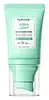
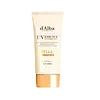
Skintific Aqua Light Daily Sunscreen SPF 35 PA +++ Versus D'Alba Watefull UV Essence Vitamin C & Collagen
This hybrid sunscreen covers the full UV range and blocks ~97% of UVB at SPF 35.
This chemical sunscreen covers most of the UV range, lighter on the deep UVA that drives aging, though its SPF isn't confirmed on file yet.


What's inside
What's inside
 Key Ingredients
Benefits
Concerns
Ingredients Side-by-side
Water
Skin ConditioningEthylhexyl Methoxycinnamate
UV Absorber


Dimethicone
Emollient

Bis-Ethylhexyloxyphenol Methoxyphenyl Triazine
UV Absorber
Phenylbenzimidazole Sulfonic Acid
UV Absorber
Diethylamino Hydroxybenzoyl Hexyl Benzoate
UV Filter
Cetearyl Olivate


Potassium Cetyl Phosphate
EmulsifyingTitanium Dioxide
Cosmetic Colorant
Coco-Caprylate/Caprate
Emollient
Allantoin
Skin Conditioning



Aluminum Starch Octenylsuccinate
Absorbent
Tremella Fuciformis Sporocarp Extract
Antioxidant
Triacontanyl Pvp
HumectantSqualane
Emollient
Hydroxyacetophenone
Antioxidant
Sorbitan Olivate
Emulsifying
Ceramide AP
Skin Conditioning
1,2-Hexanediol
Skin Conditioning
Urea
Buffering

Ectoin
Skin Conditioning
Butylene Glycol
Humectant
Dimethicone/Vinyl Dimethicone Crosspolymer
Skin Conditioning
Bisabolol
Antioxidant
Theobroma Cacao Seed Extract
Antioxidant
Lactobacillus/Soymilk Ferment Filtrate
Skin ConditioningAdansonia Digitata Seed Extract
Skin ConditioningSodium Carbomer
Emulsion StabilisingPolyhydroxystearic Acid
Emulsifying
Carbomer
Emulsion StabilisingSodium Hydroxide
BufferingAminomethyl Propanol
BufferingHydrated Silica
Abrasive
BHT
Antioxidant
Hydrogen Dimethicone
Aluminum Hydroxide
EmollientPentylene Glycol
Skin Conditioning
Water, Ethylhexyl Methoxycinnamate, Dimethicone, Bis-Ethylhexyloxyphenol Methoxyphenyl Triazine, Phenylbenzimidazole Sulfonic Acid, Diethylamino Hydroxybenzoyl Hexyl Benzoate, Cetearyl Olivate, Potassium Cetyl Phosphate, Titanium Dioxide, Coco-Caprylate/Caprate, Allantoin, Aluminum Starch Octenylsuccinate, Tremella Fuciformis Sporocarp Extract, Triacontanyl Pvp, Squalane, Hydroxyacetophenone, Sorbitan Olivate, Ceramide AP, 1,2-Hexanediol, Urea, Ectoin, Butylene Glycol, Dimethicone/Vinyl Dimethicone Crosspolymer, Bisabolol, Theobroma Cacao Seed Extract, Lactobacillus/Soymilk Ferment Filtrate, Adansonia Digitata Seed Extract, Sodium Carbomer, Polyhydroxystearic Acid, Carbomer, Sodium Hydroxide, Aminomethyl Propanol, Hydrated Silica, BHT, Hydrogen Dimethicone, Aluminum Hydroxide, Pentylene Glycol
Collagen Water
Humectant
Ethylhexyl Methoxycinnamate
UV Absorber
Homosalate
Skin Conditioning
Butylene Glycol
Humectant
Ethylhexyl Salicylate
UV Absorber
Diethylamino Hydroxybenzoyl Hexyl Benzoate
UV Filter
Silica
Abrasive
Panthenol
Skin Conditioning
Ethylhexyl Triazone
UV Absorber
Niacinamide
Smoothing



Benzotriazolyl Dodecyl P-Cresol
UV AbsorberWater
Skin Conditioning1,2-Hexanediol
Skin Conditioning
Caprylyl Methicone
Skin Conditioning
Pentylene Glycol
Skin Conditioning
Diphenylsiloxy Phenyl Trimethicone
Skin Conditioning
Caprylic/Capric Triglyceride
Masking
Polymethylsilsesquioxane
Isononyl Isononanoate
EmollientCaprylic/Capric/Succinic Triglyceride
EmollientAmmonium Acryloyldimethyltaurate/Vp Copolymer
Citrus Aurantium Dulcis Oil
Masking
Castor Oil/Ipdi Copolymer
Daucus Carota Sativa Root Extract
Skin Conditioning
Acrylates/C10-30 Alkyl Acrylate Crosspolymer
Emulsion StabilisingCanola Oil
Emollient


Tromethamine
BufferingHydroxypropyl Methylcellulose Stearoxy Ether
Ethylhexylglycerin
Skin ConditioningAdenosine
Skin Conditioning
Citrus Nobilis Peel Oil
Masking
Litsea Cubeba Fruit Oil
Masking

Daucus Carota Sativa Seed Oil
Emollient
Glucose
Humectant
Mannose
HumectantArginine
Masking
Carbomer
Emulsion StabilisingAmodimethicone
Tocopheryl Acetate
Antioxidant
Helianthus Annuus Seed Oil
Emollient
Beta-Carotene
Skin ConditioningHydrolyzed Hyaluronic Acid
Humectant
Limnanthes Alba Seed Oil
Skin Conditioning
Ceramide NP
Skin Conditioning
Tocopherol
Antioxidant
Tuber Magnatum Extract
Skin ConditioningCentella Asiatica Extract
Cleansing
Dimethylsilanol Hyaluronate
Humectant
Hydrolyzed Sodium Hyaluronate
Skin Conditioning
Sodium Hyaluronate
Humectant
Hyaluronic Acid
Humectant
Potassium Hyaluronate
Skin ConditioningSodium Hyaluronate Crosspolymer
Humectant
Hydroxypropyltrimonium Hyaluronate
Sodium Hyaluronate Dimethylsilanol
HumectantSodium Acetylated Hyaluronate
Humectant
Madecassoside
Antioxidant
Asiaticoside
Antioxidant
Asiatic Acid
Skin Conditioning
Sodium DNA
Skin Conditioning
Glutathione
Ascorbic Acid
Antioxidant
Limonene
Perfuming
Citral
Perfuming
Collagen Water, Ethylhexyl Methoxycinnamate, Homosalate, Butylene Glycol, Ethylhexyl Salicylate, Diethylamino Hydroxybenzoyl Hexyl Benzoate, Silica, Panthenol, Ethylhexyl Triazone, Niacinamide, Benzotriazolyl Dodecyl P-Cresol, Water, 1,2-Hexanediol, Caprylyl Methicone, Pentylene Glycol, Diphenylsiloxy Phenyl Trimethicone, Caprylic/Capric Triglyceride, Polymethylsilsesquioxane, Isononyl Isononanoate, Caprylic/Capric/Succinic Triglyceride, Ammonium Acryloyldimethyltaurate/Vp Copolymer, Citrus Aurantium Dulcis Oil, Castor Oil/Ipdi Copolymer, Daucus Carota Sativa Root Extract, Acrylates/C10-30 Alkyl Acrylate Crosspolymer, Canola Oil, Tromethamine, Hydroxypropyl Methylcellulose Stearoxy Ether, Ethylhexylglycerin, Adenosine, Citrus Nobilis Peel Oil, Litsea Cubeba Fruit Oil, Daucus Carota Sativa Seed Oil, Glucose, Mannose, Arginine, Carbomer, Amodimethicone, Tocopheryl Acetate, Helianthus Annuus Seed Oil, Beta-Carotene, Hydrolyzed Hyaluronic Acid, Limnanthes Alba Seed Oil, Ceramide NP, Tocopherol, Tuber Magnatum Extract, Centella Asiatica Extract, Dimethylsilanol Hyaluronate, Hydrolyzed Sodium Hyaluronate, Sodium Hyaluronate, Hyaluronic Acid, Potassium Hyaluronate, Sodium Hyaluronate Crosspolymer, Hydroxypropyltrimonium Hyaluronate, Sodium Hyaluronate Dimethylsilanol, Sodium Acetylated Hyaluronate, Madecassoside, Asiaticoside, Asiatic Acid, Sodium DNA, Glutathione, Ascorbic Acid, Limonene, Citral
Reviews
Ingredients Explained
These ingredients are found in both products.
Ingredients higher up in an ingredient list are typically present in a larger amount.
1,2-Hexanediol is a synthetic liquid and another multi-functional powerhouse.
It is a:
- Humectant, drawing moisture into the skin
- Emollient, helping to soften skin
- Solvent, dispersing and stabilizing formulas
- Preservative booster, enhancing the antimicrobial activity of other preservatives
Butylene Glycol (or BG) is used within cosmetic products for a few different reasons:
Overall, Butylene Glycol is a safe and well-rounded ingredient that works well with other ingredients.
Though this ingredient works well with most skin types, some people with sensitive skin may experience a reaction such as allergic rashes, closed comedones, or itchiness.
Learn more about Butylene GlycolCarbomer is a synthetic thickening and gelling agent. It's basically the ingredient that gives a lot of serums, gels, creams, and sunscreens their smooth, non-sticky texture.
Although legally permitted at very high levels, carbomers are normally used at concentrations below 1%.
It also needs to be neutralized to actually thicken, and because it is a large molecule, it doesn't really penetrate the skin barrier.
Allergy-wise, the risk is very low. Clinical studies show carbomers have low potential for skin irritation/sensitization even at concentrations up to 100%.
A 2024 UK study patch-tested 1,302 patients and found true allergy to the parent group of carbomer to be rare with no confirmed relevant reactions.
Learn more about CarbomerDiethylamino Hydroxybenzoyl Hexyl Benzoate (DHHB) is a chemical UV-A absorber. It is formulated for high UVA protection (320-400 nm).
DHHB is well-liked for:
DHHB has been approved by the EU, Japan, Taiwan, and South America for use up to 10%. Unfortunately, it has not been approved for use in the US or Canada due to slow regulatory processes.
This ingredient is soluble in oils, fats, and lipids.
Learn more about Diethylamino Hydroxybenzoyl Hexyl BenzoateThis ingredient is also known as Octinoxate and is one of the oldest and most widely used chemical UV filters in skincare.
It has a simple job: soap up UVB radiation (290-320 nm), the wavelengths responsible for sunburn and a big chunk of long-term sun damage.
In formulas, it's always paired with a separate UVA filter because octinoxate solely protects skin from UVB.
Because it's an oil-soluble liquid, it's easy to blend into the oil phase of lotions/creams and gives a cosmetically elegant feel.
The one quirk about formulating this ingredient is photostability; the molecule slowly changes shape into a less effective version when sunlight hits it. So the longer you're in the sun, the weaker its protection gets. The drop can be more than 30% in some formulas.
It also doesn't play nice with Avobenzone (the common UVA filter) since avobenzone destabilizes octinoxate and the two degrade each other. But don't worry: brands have solved this issue by adding photostabilizers like Tinosorb S to prevent degradation and keep SPF stable under heavy UV exposure.
The maximum allowed level is 10% in the EU and Australia, 7.5% in the US and Canada, and 20% in Japan.
The Cosmetic Ingredient Review Panel has concluded this ingredient to be safe in cosmetics up to 10%.
One last thing worth knowing for context:
Octinoxate has been the subject of ongoing review in Europe where the Scientific Committee on Consumer Safety's (SCCS) 2025 final opinion is that this ingredient is an endocrine-active substance.
Lab and animal studies suggest it can act a bit like a hormone in the body (mildly mimicking estrogen and slightly blocking male hormones). It's important to know this hasn't really been shown to happen in everyday human use.
This ingredient is also banned in Hawaii over coral reef concerns.
Learn more about Ethylhexyl MethoxycinnamatePentylene Glycol (1,2-pentanediol) is a multitasking little diol with three main roles in a formula:
Research on alkanediols (the family pentylene glycol belongs to) show they work by disrupting microbial cell membranes. This disruption helps the primary preservative system in a product work more effectively at lower doses.
On the safety side, the Cosmetic Ingredient Review Expert Panel has concluded this ingredient to be safe as used in current cosmetic practices + concentrations.
Typical use levels in a formula run about 1-5%.
Learn more about Pentylene GlycolWater. It's the most common cosmetic ingredient of all. You'll usually see it at the top of ingredient lists, meaning that it makes up the largest part of the product.
So why is it so popular? Water most often acts as a solvent - this means that it helps dissolve other ingredients into the formulation.
You'll also recognize water as that liquid we all need to stay alive. If you see this, drink a glass of water. Remember to stay hydrated!
Learn more about Water

