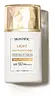
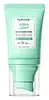
Skintific Ultra Light Serum Sunscreen SPF 50 PA++++ Versus Skintific Aqua Light Daily Sunscreen SPF 35 PA +++
This chemical sunscreen covers the full UV range and blocks ~98% of UVB at SPF 50.
This hybrid sunscreen covers the full UV range and blocks ~97% of UVB at SPF 35.

What's inside
What's inside
 Key Ingredients
Benefits
Concerns
Ingredients Side-by-side
Water
Skin ConditioningCyclopentasiloxane
Emollient
Homosalate
Skin Conditioning

Butylene Glycol
Humectant

Caprylyl Methicone
Skin Conditioning
Ethylhexyl Salicylate
UV Absorber
Dibutyl Adipate
EmollientDisiloxane
Skin Conditioning
Methyl Methacrylate Crosspolymer

Ferulic Acid
Antimicrobial



Ascorbic Acid
Antioxidant


Bis-Ethylhexyloxyphenol Methoxyphenyl Triazine
UV Absorber
Ceramide AP
Skin Conditioning


Ceramide As
Skin Conditioning
Ceramide Ns
Skin Conditioning
Ceramide Ng
Skin Conditioning
Ceramide EOP
Skin Conditioning
Sodium Hyaluronate
Humectant
Sodium Hyaluronate Crosspolymer
Humectant
Hydrolyzed Sodium Hyaluronate
Skin Conditioning
Diethylamino Hydroxybenzoyl Hexyl Benzoate
UV Filter
1,2-Hexanediol
Skin Conditioning
Polymethylsilsesquioxane
Dimethicone
Emollient
Lauryl PEG-10 Tris(Trimethylsiloxy)Silylethyl Dimethicone
Emulsifying
Magnesium Sulfate
Stearic Acid
Cleansing


Aluminum Hydroxide
EmollientSorbitan Caprylate
EmulsifyingSilica Dimethyl Silylate
EmollientGlyceryl Caprylate
EmollientCetearyl Dimethicone Crosspolymer
Ethylhexylglycerin
Skin ConditioningTocopheryl Acetate
Antioxidant
Glycerin
Humectant
Hydrogenated Lecithin
Emulsifying
Ceramide NP
Skin Conditioning
Tocopherol
Antioxidant
Dipropylene Glycol
HumectantPentylene Glycol
Skin Conditioning
Glyceryl Stearate
Emollient
Sucrose Distearate
Emollient
Ficus Carica Fruit Extract
Humectant
Centella Asiatica Extract
Cleansing
Sodium Acetylated Hyaluronate
Humectant
Cholesterol
Emollient
Water, Cyclopentasiloxane, Homosalate, Butylene Glycol, Caprylyl Methicone, Ethylhexyl Salicylate, Dibutyl Adipate, Disiloxane, Methyl Methacrylate Crosspolymer, Ferulic Acid, Ascorbic Acid, Bis-Ethylhexyloxyphenol Methoxyphenyl Triazine, Ceramide AP, Ceramide As, Ceramide Ns, Ceramide Ng, Ceramide EOP, Sodium Hyaluronate, Sodium Hyaluronate Crosspolymer, Hydrolyzed Sodium Hyaluronate, Diethylamino Hydroxybenzoyl Hexyl Benzoate, 1,2-Hexanediol, Polymethylsilsesquioxane, Dimethicone, Lauryl PEG-10 Tris(Trimethylsiloxy)Silylethyl Dimethicone, Magnesium Sulfate, Stearic Acid, Aluminum Hydroxide, Sorbitan Caprylate, Silica Dimethyl Silylate, Glyceryl Caprylate, Cetearyl Dimethicone Crosspolymer, Ethylhexylglycerin, Tocopheryl Acetate, Glycerin, Hydrogenated Lecithin, Ceramide NP, Tocopherol, Dipropylene Glycol, Pentylene Glycol, Glyceryl Stearate, Sucrose Distearate, Ficus Carica Fruit Extract, Centella Asiatica Extract, Sodium Acetylated Hyaluronate, Cholesterol
Water
Skin ConditioningEthylhexyl Methoxycinnamate
UV Absorber
Dimethicone
Emollient
Bis-Ethylhexyloxyphenol Methoxyphenyl Triazine
UV Absorber
Phenylbenzimidazole Sulfonic Acid
UV Absorber
Diethylamino Hydroxybenzoyl Hexyl Benzoate
UV Filter
Cetearyl Olivate
Potassium Cetyl Phosphate
EmulsifyingTitanium Dioxide
Cosmetic Colorant
Coco-Caprylate/Caprate
Emollient
Allantoin
Skin Conditioning
Aluminum Starch Octenylsuccinate
Absorbent
Tremella Fuciformis Sporocarp Extract
Antioxidant
Triacontanyl Pvp
HumectantSqualane
Emollient
Hydroxyacetophenone
Antioxidant
Sorbitan Olivate
Emulsifying
Ceramide AP
Skin Conditioning
1,2-Hexanediol
Skin Conditioning
Urea
Buffering
Ectoin
Skin Conditioning
Butylene Glycol
Humectant
Dimethicone/Vinyl Dimethicone Crosspolymer
Skin Conditioning
Bisabolol
Antioxidant
Theobroma Cacao Seed Extract
Antioxidant
Lactobacillus/Soymilk Ferment Filtrate
Skin ConditioningAdansonia Digitata Seed Extract
Skin ConditioningSodium Carbomer
Emulsion StabilisingPolyhydroxystearic Acid
Emulsifying
Carbomer
Emulsion StabilisingSodium Hydroxide
BufferingAminomethyl Propanol
BufferingHydrated Silica
Abrasive
BHT
Antioxidant
Hydrogen Dimethicone
Aluminum Hydroxide
EmollientPentylene Glycol
Skin Conditioning
Water, Ethylhexyl Methoxycinnamate, Dimethicone, Bis-Ethylhexyloxyphenol Methoxyphenyl Triazine, Phenylbenzimidazole Sulfonic Acid, Diethylamino Hydroxybenzoyl Hexyl Benzoate, Cetearyl Olivate, Potassium Cetyl Phosphate, Titanium Dioxide, Coco-Caprylate/Caprate, Allantoin, Aluminum Starch Octenylsuccinate, Tremella Fuciformis Sporocarp Extract, Triacontanyl Pvp, Squalane, Hydroxyacetophenone, Sorbitan Olivate, Ceramide AP, 1,2-Hexanediol, Urea, Ectoin, Butylene Glycol, Dimethicone/Vinyl Dimethicone Crosspolymer, Bisabolol, Theobroma Cacao Seed Extract, Lactobacillus/Soymilk Ferment Filtrate, Adansonia Digitata Seed Extract, Sodium Carbomer, Polyhydroxystearic Acid, Carbomer, Sodium Hydroxide, Aminomethyl Propanol, Hydrated Silica, BHT, Hydrogen Dimethicone, Aluminum Hydroxide, Pentylene Glycol
Reviews
Ingredients Explained
These ingredients are found in both products.
Ingredients higher up in an ingredient list are typically present in a larger amount.
1,2-Hexanediol is a synthetic liquid and another multi-functional powerhouse.
It is a:
- Humectant, drawing moisture into the skin
- Emollient, helping to soften skin
- Solvent, dispersing and stabilizing formulas
- Preservative booster, enhancing the antimicrobial activity of other preservatives
Aluminum Hydroxide is a form of aluminum. It can be naturally found in nature as the mineral gibbsite. In cosmetics, Aluminum Hydroxide is used as a colorant, pH adjuster, and absorbent.
As a colorant, Aluminum Hydroxide may add opacity, or reduce the transparency. Aluminum hydroxide is contains both basic and acidic properties.
According to manufacturers, this ingredient is an emollient and humectant. This means it helps hydrate the skin.
In medicine, this ingredient is used to help relieve heartburn and help heal ulcers.
There is currently no credible scientific evidence linking aluminum hydroxide in cosmetics to increased cancer risk.
Major health organizations allow the use of aluminum hydroxide in personal care products and have not flagged it as a carcinogenic risk at typical usage levels.
Learn more about Aluminum HydroxideThis ingredient is better known as bemotrizinol or Tinosorb S and is one of the best broad-spectrum UV filters in modern sunscreen.
It works by absorbing UV light across a whole range (280-400 nm) with peaks around 310 nm (UVB) and 340-345 nm (UVA). This means it covers UVB plus the deeper UVA wavelengths that drive photoaging and pigmentation.
Another pro?
It's exceptionally photostable, barely degrades in sunlight, and acts as a "bodyguard" for less stable filters.
That's why you'll see it paired with avobenzone or octinoxate; this team up ensures they keep working through sun exposure.
Safety reviews have been reassuring across the board. This ingredient shows low absorption through the skin, rarely irritates, and lab studies found it doesn't act like a hormone in the body (a concern that's been raised about some older sunscreen filters).
On maximum concentrations:
In 2026, the US F.D.A finally added it as an OTC sunscreen ingredient at concentrations up to 6% for adults / children 6 months and older
Learn more about Bis-Ethylhexyloxyphenol Methoxyphenyl TriazineButylene Glycol (or BG) is used within cosmetic products for a few different reasons:
Overall, Butylene Glycol is a safe and well-rounded ingredient that works well with other ingredients.
Though this ingredient works well with most skin types, some people with sensitive skin may experience a reaction such as allergic rashes, closed comedones, or itchiness.
Learn more about Butylene GlycolCeramide AP is is a skin-identical lipid that mimics what your skin already makes naturally. Ceramides help maintain epidermal integrity and barrier function.
You'll often see this ingredient paired with other ceramides (like ceramide NP), cholesterol, or fatty acids because this combination best mimics the natural lipid mix your skin already has.
The skin's ability to produce ceramides gets disrupted in skin conditions like eczema. This in turn weakens the skin barrier and applying ceramides topically has been shown to replenish what's been lost to restore barrier function.
Most of the studies with Ceramide AP test it as part of a multi-ceramide complex; studies reinforce ceramide AP's role in rebalancing ceramides in skin and improving skin hydration.
Learn more about Ceramide APDiethylamino Hydroxybenzoyl Hexyl Benzoate (DHHB) is a chemical UV-A absorber. It is formulated for high UVA protection (320-400 nm).
DHHB is well-liked for:
DHHB has been approved by the EU, Japan, Taiwan, and South America for use up to 10%. Unfortunately, it has not been approved for use in the US or Canada due to slow regulatory processes.
This ingredient is soluble in oils, fats, and lipids.
Learn more about Diethylamino Hydroxybenzoyl Hexyl BenzoateDimethicone is a type of synthetic silicone created from natural materials such as quartz. It is also known as polydimethylsiloxane.
What it does:
Dimethicone comes in different viscosities:
Depending on the viscosity, dimethicone has different properties.
Ingredients lists don't always show which type is used, so we recommend reaching out to the brand if you have questions about the viscosity.
This ingredient is unlikely to cause irritation because it does not get absorbed into skin. However, people with silicone allergies should be careful about using this ingredient.
Note: Dimethicone may contribute to pilling. This is because it is not oil or water soluble, so pilling may occur when layered with products. When mixed with heavy oils in a formula, the outcome is also quite greasy.
Learn more about DimethiconePentylene Glycol (1,2-pentanediol) is a multitasking little diol with three main roles in a formula:
Research on alkanediols (the family pentylene glycol belongs to) show they work by disrupting microbial cell membranes. This disruption helps the primary preservative system in a product work more effectively at lower doses.
On the safety side, the Cosmetic Ingredient Review Expert Panel has concluded this ingredient to be safe as used in current cosmetic practices + concentrations.
Typical use levels in a formula run about 1-5%.
Learn more about Pentylene GlycolWater. It's the most common cosmetic ingredient of all. You'll usually see it at the top of ingredient lists, meaning that it makes up the largest part of the product.
So why is it so popular? Water most often acts as a solvent - this means that it helps dissolve other ingredients into the formulation.
You'll also recognize water as that liquid we all need to stay alive. If you see this, drink a glass of water. Remember to stay hydrated!
Learn more about Water

