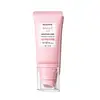
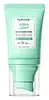
Skintific Bright Fit Serum Sunscreen SPF 50+ Versus Skintific Aqua Light Daily Sunscreen SPF 35 PA +++
This chemical sunscreen covers the full UV range and blocks ~98% of UVB at SPF 50.
This hybrid sunscreen covers the full UV range and blocks ~97% of UVB at SPF 35.

What's inside
What's inside
 Key Ingredients
Benefits
Concerns
Ingredients Side-by-side
Water
Skin ConditioningButylene Glycol
Humectant

Homosalate
Skin Conditioning

Isoamyl P-Methoxycinnamate
UV Absorber
Methylene Bis-Benzotriazolyl Tetramethylbutylphenol
UV Filter
Silica
Abrasive


Bis-Ethylhexyloxyphenol Methoxyphenyl Triazine
UV Absorber
Diethylhexyl Butamido Triazone
UV Absorber
Dibutyl Adipate
EmollientCaprylyl Methicone
Skin Conditioning
Niacinamide
Smoothing








Butyloctyl Salicylate
Skin Conditioning
Diethylamino Hydroxybenzoyl Hexyl Benzoate
UV Filter
Ethylhexyl Triazone
UV Absorber
CI 77891
Cosmetic ColorantAlpha-Arbutin
Antioxidant

Tranexamic Acid
Astringent
Tocopherol
Antioxidant
Decyl Glucoside
Cleansing
Phenoxyethanol
Preservative
Acrylates/C10-30 Alkyl Acrylate Crosspolymer
Emulsion StabilisingPotassium Cetyl Phosphate
EmulsifyingTromethamine
BufferingChlorphenesin
Antimicrobial
PEG-240/Hdi Copolymer Bis-Decyltetradeceth-20 Ether
StabilisingDisodium EDTA
ChelatingEthylhexylglycerin
Skin ConditioningPropylene Glycol
Humectant

Phytic Acid
Chelating
Xanthan Gum
EmulsifyingSodium Hydroxide
BufferingPotassium Laurate
EmulsifyingWater, Butylene Glycol, Homosalate, Isoamyl P-Methoxycinnamate, Methylene Bis-Benzotriazolyl Tetramethylbutylphenol, Silica, Bis-Ethylhexyloxyphenol Methoxyphenyl Triazine, Diethylhexyl Butamido Triazone, Dibutyl Adipate, Caprylyl Methicone, Niacinamide, Butyloctyl Salicylate, Diethylamino Hydroxybenzoyl Hexyl Benzoate, Ethylhexyl Triazone, CI 77891, Alpha-Arbutin, Tranexamic Acid, Tocopherol, Decyl Glucoside, Phenoxyethanol, Acrylates/C10-30 Alkyl Acrylate Crosspolymer, Potassium Cetyl Phosphate, Tromethamine, Chlorphenesin, PEG-240/Hdi Copolymer Bis-Decyltetradeceth-20 Ether, Disodium EDTA, Ethylhexylglycerin, Propylene Glycol, Phytic Acid, Xanthan Gum, Sodium Hydroxide, Potassium Laurate
Water
Skin ConditioningEthylhexyl Methoxycinnamate
UV Absorber
Dimethicone
Emollient
Bis-Ethylhexyloxyphenol Methoxyphenyl Triazine
UV Absorber
Phenylbenzimidazole Sulfonic Acid
UV Absorber
Diethylamino Hydroxybenzoyl Hexyl Benzoate
UV Filter
Cetearyl Olivate

Potassium Cetyl Phosphate
EmulsifyingTitanium Dioxide
Cosmetic Colorant
Coco-Caprylate/Caprate
Emollient
Allantoin
Skin Conditioning
Aluminum Starch Octenylsuccinate
Absorbent
Tremella Fuciformis Sporocarp Extract
Antioxidant
Triacontanyl Pvp
HumectantSqualane
Emollient
Hydroxyacetophenone
Antioxidant
Sorbitan Olivate
Emulsifying
Ceramide AP
Skin Conditioning
1,2-Hexanediol
Skin Conditioning
Urea
Buffering
Ectoin
Skin Conditioning
Butylene Glycol
Humectant
Dimethicone/Vinyl Dimethicone Crosspolymer
Skin Conditioning
Bisabolol
Antioxidant
Theobroma Cacao Seed Extract
Antioxidant
Lactobacillus/Soymilk Ferment Filtrate
Skin ConditioningAdansonia Digitata Seed Extract
Skin ConditioningSodium Carbomer
Emulsion StabilisingPolyhydroxystearic Acid
Emulsifying
Carbomer
Emulsion StabilisingSodium Hydroxide
BufferingAminomethyl Propanol
BufferingHydrated Silica
Abrasive
BHT
Antioxidant
Hydrogen Dimethicone
Aluminum Hydroxide
EmollientPentylene Glycol
Skin Conditioning
Water, Ethylhexyl Methoxycinnamate, Dimethicone, Bis-Ethylhexyloxyphenol Methoxyphenyl Triazine, Phenylbenzimidazole Sulfonic Acid, Diethylamino Hydroxybenzoyl Hexyl Benzoate, Cetearyl Olivate, Potassium Cetyl Phosphate, Titanium Dioxide, Coco-Caprylate/Caprate, Allantoin, Aluminum Starch Octenylsuccinate, Tremella Fuciformis Sporocarp Extract, Triacontanyl Pvp, Squalane, Hydroxyacetophenone, Sorbitan Olivate, Ceramide AP, 1,2-Hexanediol, Urea, Ectoin, Butylene Glycol, Dimethicone/Vinyl Dimethicone Crosspolymer, Bisabolol, Theobroma Cacao Seed Extract, Lactobacillus/Soymilk Ferment Filtrate, Adansonia Digitata Seed Extract, Sodium Carbomer, Polyhydroxystearic Acid, Carbomer, Sodium Hydroxide, Aminomethyl Propanol, Hydrated Silica, BHT, Hydrogen Dimethicone, Aluminum Hydroxide, Pentylene Glycol
Reviews
Ingredients Explained
These ingredients are found in both products.
Ingredients higher up in an ingredient list are typically present in a larger amount.
This ingredient is better known as bemotrizinol or Tinosorb S and is one of the best broad-spectrum UV filters in modern sunscreen.
It works by absorbing UV light across a whole range (280-400 nm) with peaks around 310 nm (UVB) and 340-345 nm (UVA). This means it covers UVB plus the deeper UVA wavelengths that drive photoaging and pigmentation.
Another pro?
It's exceptionally photostable, barely degrades in sunlight, and acts as a "bodyguard" for less stable filters.
That's why you'll see it paired with avobenzone or octinoxate; this team up ensures they keep working through sun exposure.
Safety reviews have been reassuring across the board. This ingredient shows low absorption through the skin, rarely irritates, and lab studies found it doesn't act like a hormone in the body (a concern that's been raised about some older sunscreen filters).
On maximum concentrations:
In 2026, the US F.D.A finally added it as an OTC sunscreen ingredient at concentrations up to 6% for adults / children 6 months and older
Learn more about Bis-Ethylhexyloxyphenol Methoxyphenyl TriazineButylene Glycol (or BG) is used within cosmetic products for a few different reasons:
Overall, Butylene Glycol is a safe and well-rounded ingredient that works well with other ingredients.
Though this ingredient works well with most skin types, some people with sensitive skin may experience a reaction such as allergic rashes, closed comedones, or itchiness.
Learn more about Butylene GlycolDiethylamino Hydroxybenzoyl Hexyl Benzoate (DHHB) is a chemical UV-A absorber. It is formulated for high UVA protection (320-400 nm).
DHHB is well-liked for:
DHHB has been approved by the EU, Japan, Taiwan, and South America for use up to 10%. Unfortunately, it has not been approved for use in the US or Canada due to slow regulatory processes.
This ingredient is soluble in oils, fats, and lipids.
Learn more about Diethylamino Hydroxybenzoyl Hexyl BenzoatePotassium Cetyl Phosphate is the potassium salt of a mixture. This mixture consists of the esters from phosphoricacid and cetyl alcohol.
Potassium Cetyl Phosphate is an emulsifier and cleansing agent. Emulsifiers help stabilize a product. It does this by preventing certain ingredients from separating.
As a cleansing agent, Potassium Cetyl Phosphate helps gather oils, dirts, and pollutants from your skin. This makes it easier to rinse them away with water.
Learn more about Potassium Cetyl PhosphateSodium Hydroxide is also known as lye or caustic soda. It is used to adjust the pH of products; many ingredients require a specific pH to be effective.
In small amounts, sodium hydroxide is considered safe to use. However, large amounts may cause chemical burns due to its high alkaline.
Your skin has a natural pH and acid mantle. This acid mantle helps prevent harmful bacteria from breaking through. The acid mantle also helps keep your skin hydrated.
"Alkaline" refers to a high pH level. A low pH level would be considered acidic.
Learn more about Sodium HydroxideWater. It's the most common cosmetic ingredient of all. You'll usually see it at the top of ingredient lists, meaning that it makes up the largest part of the product.
So why is it so popular? Water most often acts as a solvent - this means that it helps dissolve other ingredients into the formulation.
You'll also recognize water as that liquid we all need to stay alive. If you see this, drink a glass of water. Remember to stay hydrated!
Learn more about Water

