

What's inside
What's inside
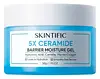 Key Ingredients
Benefits
Concerns
Ingredients Side-by-side
Water
Skin ConditioningButylene Glycol
Humectant

Hydrogenated Polyisobutene
EmollientDimethicone
Emollient

Glycerin
Humectant
Propylene Glycol
Humectant

1,2-Hexanediol
Skin Conditioning
Hydroxyacetophenone
Antioxidant


PEG-400
Emulsion StabilisingAmmonium Acryloyldimethyltaurate/Vp Copolymer
Hydrogenated Lecithin
Emulsifying
Panthenol
Skin Conditioning
Phytosteryl/Octyldodecyl Lauroyl Glutamate
Skin ConditioningCarbomer
Emulsion StabilisingAllantoin
Skin Conditioning
PCA
Humectant
Hydroxyethyl Acrylate/Sodium Acryloyldimethyl Taurate Copolymer
Emulsion StabilisingSqualane
Emollient
Ceramide NP
Skin Conditioning
Ceramide Ns
Skin Conditioning
Ceramide Ng
Skin Conditioning
Ceramide As
Skin Conditioning
Ceramide EOP
Skin Conditioning
Ceramide AP
Skin Conditioning
Sodium Hyaluronate
Humectant
Hydrolyzed Collagen
Emollient
Centella Asiatica Extract
Cleansing
Sodium Hydroxide
BufferingHamamelis Virginiana Extract
Antiseborrhoeic
Trehalose
Humectant
Ectoin
Skin Conditioning
Sophora Flavescens Root Extract
Antioxidant
Opuntia Ficus-Indica Stem Extract
Skin Conditioning
Ophiopogon Japonicus Root Extract
Skin ConditioningYeast Polysaccharides
Skin ConditioningPentylene Glycol
Skin Conditioning
Disodium EDTA
Polysorbate 60
Emulsifying
T-Butyl Alcohol
Perfuming

Citrus Aurantium Amara Flower Oil
Masking
Sorbitan Isostearate
Emulsifying
Citrus Aurantium Bergamia Fruit Oil
Masking
Citrus Limon Peel Oil
Masking

Water, Butylene Glycol, Hydrogenated Polyisobutene, Dimethicone, Glycerin, Propylene Glycol, 1,2-Hexanediol, Hydroxyacetophenone, PEG-400, Ammonium Acryloyldimethyltaurate/Vp Copolymer, Hydrogenated Lecithin, Panthenol, Phytosteryl/Octyldodecyl Lauroyl Glutamate, Carbomer, Allantoin, PCA, Hydroxyethyl Acrylate/Sodium Acryloyldimethyl Taurate Copolymer, Squalane, Ceramide NP, Ceramide Ns, Ceramide Ng, Ceramide As, Ceramide EOP, Ceramide AP, Sodium Hyaluronate, Hydrolyzed Collagen, Centella Asiatica Extract, Sodium Hydroxide, Hamamelis Virginiana Extract, Trehalose, Ectoin, Sophora Flavescens Root Extract, Opuntia Ficus-Indica Stem Extract, Ophiopogon Japonicus Root Extract, Yeast Polysaccharides, Pentylene Glycol, Disodium EDTA, Polysorbate 60, T-Butyl Alcohol, Citrus Aurantium Amara Flower Oil, Sorbitan Isostearate, Citrus Aurantium Bergamia Fruit Oil, Citrus Limon Peel Oil
Water
Skin ConditioningGlycerin
Humectant
1,2-Hexanediol
Skin Conditioning
Pentaerythrityl Tetraisostearate
Emollient
Caprylic/Capric Triglyceride
Masking
Niacinamide
Smoothing





Cetearyl Alcohol
Emollient


Glyceryl Stearate
Emollient
Polyglyceryl-2 Stearate
Emulsifying
Butylene Glycol
Humectant
Centella Asiatica Extract
Cleansing
Stearyl Alcohol
Emollient
Propanediol
Solvent
Carbomer
Emulsion StabilisingPolyglyceryl-3 Methylglucose Distearate
Emulsifying
Sorbitol
Humectant
Tromethamine
BufferingPolyglyceryl-3 Distearate
Emulsifying
Sedum Sarmentosum Extract
HumectantEthylhexylglycerin
Skin ConditioningCitric Acid
Buffering
Glyceryl Stearate Citrate
Emollient
Adenosine
Skin Conditioning
Musa Sapientum Flower Extract
Skin ConditioningRosa Damascena Flower Water
Masking
Disodium EDTA
Pyrus Communis Fruit Extract
Skin ConditioningPrunus Domestica Fruit Extract
MoisturisingMelia Azadirachta Leaf Extract
Skin ConditioningMelia Azadirachta Flower Extract
Skin ConditioningBiosaccharide Gum-1
Humectant
Cucumis Melo Fruit Extract
Skin ConditioningSodium Hyaluronate
Humectant
Hyaluronic Acid
Humectant
Hydrolyzed Hyaluronic Acid
Humectant
Coccinia Indica Fruit Extract
Skin ConditioningHedera Helix Leaf/Stem Extract
AntimicrobialHydrolyzed Collagen
Emollient
Solanum Melongena Fruit Extract
Skin ConditioningAdansonia Digitata Seed Extract
Skin ConditioningEquisetum Arvense Extract
AstringentOlea Europaea Leaf Extract
Perfuming
Vaccinium Macrocarpon Fruit Extract
AstringentFructan
Skin ConditioningSophora Japonica Flower Extract
Skin ProtectingOcimum Sanctum Leaf Extract
Skin ConditioningCurcuma Longa Root Extract
Masking
Corallina Officinalis Extract
Skin Conditioning
Water, Glycerin, 1,2-Hexanediol, Pentaerythrityl Tetraisostearate, Caprylic/Capric Triglyceride, Niacinamide, Cetearyl Alcohol, Glyceryl Stearate, Polyglyceryl-2 Stearate, Butylene Glycol, Centella Asiatica Extract, Stearyl Alcohol, Propanediol, Carbomer, Polyglyceryl-3 Methylglucose Distearate, Sorbitol, Tromethamine, Polyglyceryl-3 Distearate, Sedum Sarmentosum Extract, Ethylhexylglycerin, Citric Acid, Glyceryl Stearate Citrate, Adenosine, Musa Sapientum Flower Extract, Rosa Damascena Flower Water, Disodium EDTA, Pyrus Communis Fruit Extract, Prunus Domestica Fruit Extract, Melia Azadirachta Leaf Extract, Melia Azadirachta Flower Extract, Biosaccharide Gum-1, Cucumis Melo Fruit Extract, Sodium Hyaluronate, Hyaluronic Acid, Hydrolyzed Hyaluronic Acid, Coccinia Indica Fruit Extract, Hedera Helix Leaf/Stem Extract, Hydrolyzed Collagen, Solanum Melongena Fruit Extract, Adansonia Digitata Seed Extract, Equisetum Arvense Extract, Olea Europaea Leaf Extract, Vaccinium Macrocarpon Fruit Extract, Fructan, Sophora Japonica Flower Extract, Ocimum Sanctum Leaf Extract, Curcuma Longa Root Extract, Corallina Officinalis Extract
Reviews
Ingredients Explained
These ingredients are found in both products.
Ingredients higher up in an ingredient list are typically present in a larger amount.
1,2-Hexanediol is a synthetic liquid and another multi-functional powerhouse.
It is a:
- Humectant, drawing moisture into the skin
- Emollient, helping to soften skin
- Solvent, dispersing and stabilizing formulas
- Preservative booster, enhancing the antimicrobial activity of other preservatives
Butylene Glycol (or BG) is used within cosmetic products for a few different reasons:
Overall, Butylene Glycol is a safe and well-rounded ingredient that works well with other ingredients.
Though this ingredient works well with most skin types, some people with sensitive skin may experience a reaction such as allergic rashes, closed comedones, or itchiness.
Learn more about Butylene GlycolCarbomer is a high-molecular weight polymer of acrylic acid. It is used to form gels and thicken formulas.
Due to its large molecular size, carbomer has minimal skin penetration and is considered an inert ingredient.
A high amount of carbomer can cause pilling or balling up of products. Don't worry, most products contain 1% or less of carbomer.
Learn more about CarbomerCentella Asiatica Extract (Centella) is derived from an herb native to Southeast Asia. It is famous for its anti-inflammatory and soothing properties.
Centella is rich in antioxidants and amino acids, such as Madecassic Acid and Asiaticoside.
Studies show the compounds in centella help with:
The combination of all these properties makes centella effective at soothing, hydrating, and protecting the skin.
Other great components of centella include Vitamin A, vitamin C, several B vitamins, and Asiatic Acid.
Fun fact: Centella has been used as a medicine and in food for many centuries. As a medicine, it is used to treat burns, scratches, and wounds.
Learn more about Centella Asiatica ExtractDisodium EDTA is a chelating agent. It grabs onto and deactivates metal ions that sneak into your products from water, packaging, or air.
This ingredient mainly works behind the scenes and helps with:
On top of that, this ingredient can counteract the effects of hard water by binding to the minerals in it.
One thing worth knowing is that Disodium EDTA has been shown to be a mild penetration enhancer. It can help other ingredients absorb into skin more effectively which can be a double-edged sword (great for actives, but can also make the active too strong if you have sensitive skin).
Clinical patch testing showed no significant skin irritation at typical use concentrations and minimal dermal absorption.
You'll most likely see this ingredient near the end of an ingredient list. It's typically found in concentrations less than 1%.
Learn more about Disodium EDTAGlycerin (or glycerol) is a compound naturally found in your skin. It's a powerhouse humectant that pulls water into the stratum corneum.
Topically, glycerin does several things at once:
Your skin makes glycerin on its own (mostly from sebaceous oil breakdown) and shuttles it to your outermost layer of skin, or your epidermis, via aquaporin-3.
Aquaporin-3 is a transporter that is essential for normal skin hydration, elasticity, and repair. Interestingly, mice lacking in AQP3 have dry and less elastic skin that can be fully corrected with glycerin.
This ingredient is non-irritating, plays well with almost every ingredient, and works across all skin types. Typical use is anywhere between 3-10% but can go up to 79% in some leave-on products.
Just know very high concentrations (>40%) can feel tacky in low humidity.
Glycerin is the name for this ingredient in American English. British English uses Glycerol/Glycerine.
Learn more about GlycerinHydrolyzed Collagen is Collagen (usually sourced from fish, bovine, or porcine byproducts) that's been broken down into smaller peptides. This makes it water-soluble and easy to blend into formulations.
In a formula, it works mainly as a skin-conditioning and moisturizing agent.
The small peptides and amino acids (including Natural Moisturizing Factor components like Hydroxyproline, Serine, and Aspartic Acid) help the surface of the skin hold onto water, feel softer, and look temporarily plumper.
This ingredient also has mild film-forming and antioxidant properties with research showing the antioxidant effect is stronger the lower the molecular weight of the peptides.
It's worth being realistic here:
Topically applied Hydrolyzed Collagen conditions the upper layers of skin rather than rebuilding the structural collagen deep in your dermis (the wrinkle-and-firmness benefits people associate with Collagen mostly come from oral supplements in studies, not topicals).
However, recent lab and skin-model work on Hydrolyzed Fish Collagen has shown promising effects on cell viability and wound healing when used as an active.
Typical concentrations range from 0.2-2%, but the percentage can go much higher in rinse-off or hair products (sometimes even above 50%).
Clinical studies on this ingredient showed no irritation, sensitization, or phototoxicity.
If you are looking for vegan collagen, it usually goes by a different INCI name like hydrolyzed soy protein. Vegan collagen is derived from yeast, bacteria, or plant sources.
The results are varied.
A study from 2021 found hydrolyzed collagen increased elasticity and improved wrinkles in 1,125 participants between age 20 and 70. Another study found increased skin thickness in participants between the ages of 45 to 59.
However, It is difficult to prove that oral collagen will end up working on your skin. Many of the studies using hydrolyzed collagen also add several vitamins and nutrients into the test mixture as well.
Further studies are needed at this time.
Learn more about Hydrolyzed CollagenSodium Hyaluronate is the salt form of hyaluronic acid. It is a long sugar chain that is naturally found in your skin, joints, and connective tissue that maintains hydration and elasticity.
In skincare, it works as a humectant. It pulls water from the environment and deeper layers of skin and binds it to the surface.
Interestingly, the size of the molecule affects its behavior:
Some clinical evidence links low molecular weight versions to improved wrinkle depth, elasticity, anti-inflammatory effects, and barrier repair.
Many serums use a blend of both weights so you can get surface hydration plus longer-lasting and deeper effects.
You'll typically see concentrations between 0.1-2% for this ingredient.
Learn more about Sodium HyaluronateWater. It's the most common cosmetic ingredient of all. You'll usually see it at the top of ingredient lists, meaning that it makes up the largest part of the product.
So why is it so popular? Water most often acts as a solvent - this means that it helps dissolve other ingredients into the formulation.
You'll also recognize water as that liquid we all need to stay alive. If you see this, drink a glass of water. Remember to stay hydrated!
Learn more about Water

