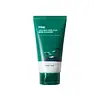
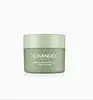
Round Lab Pine Cica Deep Pore Clay Mask Cleanser Versus Chando Himalaya Green Tea Clay Purifying Mask
This salicylic acid clay cleanser is formulated around Salicylic Acid to clear breakouts and unclog pores.
This wash off mask is made with Kaolin and Camellia Sinensis Leaf Extract for a rinse-off oil-control boost.


What's inside
What's inside
 Key Ingredients
Benefits
Concerns
Ingredients Side-by-side
Water
Skin ConditioningGlycerin
Humectant


Bentonite
Absorbent


Methylpropanediol
SolventKaolin
Abrasive

Hectorite
AbsorbentMyristic Acid
Cleansing



Coco-Glucoside
Cleansing
Potassium Cocoyl Glycinate
Surfactant
Palmitic Acid
Emollient
1,2-Hexanediol
Skin Conditioning
Butylene Glycol
Humectant
Cellulose
Absorbent
Titanium Dioxide
Cosmetic Colorant

Stearic Acid
Cleansing
Potassium Hydroxide
BufferingCharcoal Powder
Abrasive
Salicylic Acid
Masking





Sodium Cocoyl Glycinate
Cleansing
Dimethyl Isosorbide
SolventMagnesium Aluminum Silicate
Absorbent
Xanthan Gum
EmulsifyingEthylhexylglycerin
Skin ConditioningHydroxyacetophenone
Antioxidant
Centella Asiatica Leaf/Stem Powder
Pinus Densiflora Leaf Powder
AntimicrobialCitrus Aurantium Bergamia Fruit Oil
Masking


Pinus Sylvestris Leaf Oil
Masking
Sodium Phytate
ChelatingAgar
MaskingDecyl Glucoside
Cleansing
Pelargonium Graveolens Flower Oil
Masking
Helianthus Annuus Seed Oil
Emollient
Rosmarinus Officinalis Leaf Oil
Masking
Chondrus Crispus Extract
Skin Conditioning
Camellia Sinensis Leaf Extract
Antimicrobial
Salix Alba Bark Extract
Astringent
Cladosiphon Okamuranus Extract
Skin Conditioning
Centella Asiatica Leaf Extract
Skin Conditioning
Cymbopogon Citratus Leaf Oil
Masking
Coffea Arabica Seed Extract
Masking
Citrus Aurantium Bergamia Leaf Extract
AstringentPinus Densiflora Leaf Extract
Antimicrobial
Illite
Abrasive
Montmorillonite
AbsorbentCentella Asiatica Extract
Cleansing
Glycoproteins
Skin Conditioning
Asiaticoside
Antioxidant
Madecassic Acid
Skin Conditioning
Asiatic Acid
Skin Conditioning
Limonene
Perfuming
Linalool
Perfuming
Water, Glycerin, Bentonite, Methylpropanediol, Kaolin, Hectorite, Myristic Acid, Coco-Glucoside, Potassium Cocoyl Glycinate, Palmitic Acid, 1,2-Hexanediol, Butylene Glycol, Cellulose, Titanium Dioxide, Stearic Acid, Potassium Hydroxide, Charcoal Powder, Salicylic Acid, Sodium Cocoyl Glycinate, Dimethyl Isosorbide, Magnesium Aluminum Silicate, Xanthan Gum, Ethylhexylglycerin, Hydroxyacetophenone, Centella Asiatica Leaf/Stem Powder, Pinus Densiflora Leaf Powder, Citrus Aurantium Bergamia Fruit Oil, Pinus Sylvestris Leaf Oil, Sodium Phytate, Agar, Decyl Glucoside, Pelargonium Graveolens Flower Oil, Helianthus Annuus Seed Oil, Rosmarinus Officinalis Leaf Oil, Chondrus Crispus Extract, Camellia Sinensis Leaf Extract, Salix Alba Bark Extract, Cladosiphon Okamuranus Extract, Centella Asiatica Leaf Extract, Cymbopogon Citratus Leaf Oil, Coffea Arabica Seed Extract, Citrus Aurantium Bergamia Leaf Extract, Pinus Densiflora Leaf Extract, Illite, Montmorillonite, Centella Asiatica Extract, Glycoproteins, Asiaticoside, Madecassic Acid, Asiatic Acid, Limonene, Linalool
Water
Skin ConditioningKaolin
Abrasive
Solum Diatomeae
Abrasive
Montmorillonite
AbsorbentPropanediol
Solvent
Hydrogenated Polyisobutene
EmollientPentaerythrityl Distearate
Emulsifying
Stearyl Alcohol
Emollient
PEG-100 Stearate
Surfactant
Glyceryl Stearate
Emollient
Glycerin
Humectant
Olive Oil PEG-7 Esters
Emollient
Potassium Cetyl Phosphate
EmulsifyingHydroxyethyl Urea
Humectant
Titanium Dioxide
Cosmetic Colorant
Hydrogenated Starch Hydrolysate
HumectantCetyl Alcohol
Emollient
Camellia Sinensis Leaf Powder
Hydroxyacetophenone
Antioxidant
Polyacrylate-13
1,2-Hexanediol
Skin Conditioning
Caprylyl Glycol
Emollient
CI 77492
Cosmetic ColorantZinc PCA
Humectant
Tocopheryl Acetate
Antioxidant
Allantoin
Skin Conditioning
Polyisobutene
Camellia Sinensis Leaf Extract
Antimicrobial
Hyaluronic Acid
Humectant
Tocopherol
Antioxidant
Glycosyl Trehalose
Emulsion StabilisingUrea
Buffering
Disodium EDTA
ChelatingMenthoxypropanediol
Masking
Charcoal Powder
Abrasive
Polysorbate 20
Emulsifying
Aluminum Hydroxide
EmollientSorbitan Isostearate
Emulsifying
Citric Acid
Buffering
Arachidyl Alcohol
Emollient
Myristyl Alcohol
Emollient
Water, Kaolin, Solum Diatomeae, Montmorillonite, Propanediol, Hydrogenated Polyisobutene, Pentaerythrityl Distearate, Stearyl Alcohol, PEG-100 Stearate, Glyceryl Stearate, Glycerin, Olive Oil PEG-7 Esters, Potassium Cetyl Phosphate, Hydroxyethyl Urea, Titanium Dioxide, Hydrogenated Starch Hydrolysate, Cetyl Alcohol, Camellia Sinensis Leaf Powder, Hydroxyacetophenone, Polyacrylate-13, 1,2-Hexanediol, Caprylyl Glycol, CI 77492, Zinc PCA, Tocopheryl Acetate, Allantoin, Polyisobutene, Camellia Sinensis Leaf Extract, Hyaluronic Acid, Tocopherol, Glycosyl Trehalose, Urea, Disodium EDTA, Menthoxypropanediol, Charcoal Powder, Polysorbate 20, Aluminum Hydroxide, Sorbitan Isostearate, Citric Acid, Arachidyl Alcohol, Myristyl Alcohol
Reviews
Ingredients Explained
These ingredients are found in both products.
Ingredients higher up in an ingredient list are typically present in a larger amount.
1,2-Hexanediol is a synthetic liquid and another multi-functional powerhouse.
It is a:
- Humectant, drawing moisture into the skin
- Emollient, helping to soften skin
- Solvent, dispersing and stabilizing formulas
- Preservative booster, enhancing the antimicrobial activity of other preservatives
Camellia Sinensis Leaf Extract (tea extract) is one of the most well-researched plant extracts in skincare with an impressive resume.
Black tea, green tea, and oolong tea are all harvested from the Camellia Sinensis plant.
Studies show green tea extract and its catechins (like epigallocatechin gallate (EGCG)) help your skin cells product energy more efficiently and reducing the number of free-radicals that can damage your skin from the inside.
In lab-grown skin models, this translated to younger, healthier, and stronger skin.
There's also good sun protection data; researchers saw less DNA damage and redness on human skin when green tea was applied before UVB exposure. And the more they applied, the better the protection.
Needless to say, this ingredient shouldn't replace your sunscreen. But it is a great supportive ingredient that you can already find in many sunscreens and antioxidant serums.
A 2009 study found a 2% green tea lotion was effective for mild-to-moderate acne thanks to its anti-inflammatory and mild antimicrobial activity.
The quality of the extract matters a lot here:
Good extracts contain 50-90% catechins while lower quality ones are mostly there for marketing. We recommend reaching out to the brand if you have questions about the quality or source of their ingredients.
Human Repeated Insult Patch Testing showed no irritation or sensitization at use concentrations (0.86% in leave-on products and up to 30% as leaf water).
Learn more about Camellia Sinensis Leaf ExtractCharcoal powder comes from grounded charcoal. Charcoal can originate from peat, bamboo, coal, wood, coconut shell, or petroleum.
This ingredient has absorbent properties, making it great at absorbing oil.
Glycerin (or glycerol) is a compound naturally found in your skin. It's a powerhouse humectant that pulls water into the stratum corneum.
Topically, glycerin does several things at once:
Your skin makes glycerin on its own (mostly from sebaceous oil breakdown) and shuttles it to your outermost layer of skin, or your epidermis, via aquaporin-3.
Aquaporin-3 is a transporter that is essential for normal skin hydration, elasticity, and repair. Interestingly, mice lacking in AQP3 have dry and less elastic skin that can be fully corrected with glycerin.
This ingredient is non-irritating, plays well with almost every ingredient, and works across all skin types. Typical use is anywhere between 3-10% but can go up to 79% in some leave-on products.
Just know very high concentrations (>40%) can feel tacky in low humidity.
Glycerin is the name for this ingredient in American English. British English uses Glycerol/Glycerine.
Learn more about GlycerinHydroxyacetophenone is a small phenolic molecule that earns its place in a formulas as an antioxidant and preservative booster.
As a phenol, it is able to neutralize free radicals to protect both the product and the skin from oxidative stress.
Though it can't kill microbes on its own, it works as a good supporting agent when combined with other preservatives like Phenoxyethanol or 1,2-Hexanediol.
This ingredient naturally occurs as piceol in Norwegian spruce needles (~0.4-1.1% dry weight and in cloudberries). Though the cosmetic-grade material is synthesized for purity and consistency.
You'll usually see it used at low levels and suppliers recommend up to 1% added to a water phase.
Safety testing was done at concentrations like 0.05% in SPF products and 0.5% in a Human Repeated Insult Patch Test. The safety evidence is assuring; this ingredient is safe for cosmetics in current use and also holds safety status as a food flavoring as well.
An honest caveat: the "soothing" and "anti-inflammatory" claims come mostly from supplier marketing rather than published clinical trials. The Cosmetic Ingredient Review's own literature search found no useful efficacy studies on this ingredient.
So the antioxidant and preservative-boosting roles are the well supported ones while the calming benefit is plausible but thinly evidenced.
Overall, this is a well-tolerated, low-irritation multitasker that quietly helps a formula stay fresh and stable.
Learn more about HydroxyacetophenoneKaolin is a clay. It is used for oil control and to help minimize pores. Like other clays, kaolin has the ability to absorb excess sebum or oil. This can help clean out pores and mattify the skin.
Some types of kaolin may have exfoliating properties. When water is added to kaolin, it becomes a paste with small abrasive particles.
Most kaolin is a white color, but may be pink/orange/red depending on where it comes from.
The name 'kaolin' comes from a Chinese village named 'Gaoling'. Kaolin clay comes from rocks rich in kaolinite. Kaolinite, the mineral, has a silicate layered structure. Kaolinite is formed from chemical weathering of aluminum siilicate minerals.
Besides skincare, kaolin is commonly used to make glossy paper, in ceramics, toothpaste, and as medicine to soothe stomach issues.
Learn more about KaolinMontmorillonite is a clay (aluminomagnesium silicate) with strong absorption properties. It has a similar pH to skin.
This clay is named after Montmorillon in France.
Learn about other types of clay, such as Kaolin, Bentonite, or Fuller's Earth.
Learn more about MontmorilloniteTitanium Dioxide (TD) is a mineral UV filter widely used in sunscreens and cosmetics.
It's one of only two UV filters officially classified as "mineral" by regulatory agencies (the other being Zinc Oxide).
A really common myth is that mineral filters work by reflecting UV light off your skin like tiny mirrors.
They don't only do that; modern research shows TD protects mostly by absorbing UV radiation, the same way chemical filters do.
When researchers measured this, reflection accounted for only about 4-5% of the protection (and less than SPF 2 on its own). The other ~95% comes from absorption: the UV photons hit the particle and their energy gets soaked up by its semiconductor band gap rather than bouncing off.
So "reflects vs. absorbs" was never really the right way to split mineral from chemical filters.
TD gives broad-spectrum protection that's strongest in the UVB and UVA-2 range and weaker in the UVA-1 range. Its UVA protection isn't quite as strong as Zinc Oxide's which is why you'll often see the two paired together.
Together, they make a solid broad-spectrum system.
TD is a great pick for sensitive, acne-prone, or redness-prone skin because it's non-irritating and chemically inert. Regulatory reviews classify it as a non-sensitizer and mild-to-non-irritant.
It's also unlikely to cause the "eye sting" some chemical filters are known for.
The main trade-off is cosmetic; TD can leave a white cast and has a thicker texture. This is why mineral sunscreens are often less cosmetically elegant than chemical or hybrid formulas (and harder to shade-match on deeper skin tones).
Formulators often use micronized or nano-sized TD to cut down on white case and improve spreadability. Smaller particles scatter less visible light so the formula looks less chalky while still filtering UV.
TD is almost always bundled with coatings like Alumina, Silica, Stearic Acid, or Dimethicone. These coatings do two important jobs:
TD can be used at up to 25% in a finished sunscreen; this is the regulatory ceiling in both the US and the EU.
In practice, the amount in any given product varies a lot depending on the target SPF and whether it's paired with other UV filters.
TD is one of the most heavily vetted sunscreen ingredients out there. It is approved as a UV filter in all major markets worldwide, including the US, EU, UK, Japan, Korea, China, Australia, and Canada.
The safety evidence is solid. There was an old worry that nano particles might absorb through skin into the body but multiple studies (including on damaged, sunburned, and UV-irradiated skin) have shown that TD stays on the surface and the layer of dead skin cells on top of everything else.
There's also no evidence of carcinogenicity, mutagenicity, or reproductive toxicity from dermal exposure of this ingredient.
For those who have seen the headline about a 2022 EU ban on TD, that was on TD as a food additive (a complete separate use from topical sunscreen).
There are ongoing questions about how nano-TD might affect marine ecosystems. As of now, there has been no conclusive evidence that any form of TD (or any other sunscreen filter) harms coral reefs or marine life.
The science is still developing and it's a space worth watching rather than packing over.
However, several destinations have reef-safety sunscreen rules that restrict certain chemical filters and steer visitors toward mineral, non-nano options. If you're traveling somewhere with these rules, a non-nano mineral sunscreen is the safe bet.
Learn more about Titanium DioxideWater. It's the most common cosmetic ingredient of all. You'll usually see it at the top of ingredient lists, meaning that it makes up the largest part of the product.
So why is it so popular? Water most often acts as a solvent - this means that it helps dissolve other ingredients into the formulation.
You'll also recognize water as that liquid we all need to stay alive. If you see this, drink a glass of water. Remember to stay hydrated!
Learn more about Water

