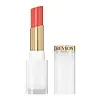
This barrier-repair lip moisturizer is formulated around Bis-Diglyceryl Polyacyladipate-2 and Aloe Barbadensis Leaf Extract to strengthen the lip barrier and hydrate lips.
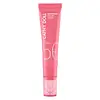
This barrier-repair lip moisturizer is formulated around Ascorbyl Tetraisopalmitate and Bakuchiol to strengthen the lip barrier and hydrate lips.


What's inside
What's inside
 Key Ingredients
Benefits
Concerns
Ingredients Side-by-side
Polybutene
Diisostearyl Malate
EmollientHydrogenated Polyisobutene
EmollientDiphenylsiloxy Phenyl Trimethicone
Skin Conditioning
Bis-Diglyceryl Polyacyladipate-2
Emollient


Octyldodecyl Neopentanoate
EmollientHydrogenated Polydecene
EmollientDiisopropyl Dimer Dilinoleate
Emollient
C10-30 Cholesterol/Lanosterol Esters
Emulsifying
Ozokerite
Emulsion StabilisingPolyethylene
Abrasive

Synthetic Wax
Abrasive
Silica Silylate
Emollient
Aloe Barbadensis Leaf Extract
Emollient

BHT
Antioxidant
Butylene Glycol
Humectant
Ethylhexyl Palmitate
Emollient
Mica
Cosmetic ColorantPentaerythrityl Tetraethylhexanoate
Emollient
Quartz
Abrasive
Silica Dimethyl Silylate
EmollientSodium Hyaluronate
Humectant

Parfum
Masking


Vanillin
Masking
Caprylyl Glycol
Emollient
Phenoxyethanol
Preservative
Tocopherol
Antioxidant


Blue 1 Lake
Cosmetic ColorantCI 75470
Cosmetic ColorantCI 77491
Cosmetic ColorantCI 77499
Cosmetic ColorantCI 45410
Cosmetic ColorantCI 17200
Cosmetic ColorantCI 15850
Cosmetic ColorantCI 77891
Cosmetic ColorantCI 19140
Cosmetic ColorantCI 15985
Cosmetic ColorantPolybutene, Diisostearyl Malate, Hydrogenated Polyisobutene, Diphenylsiloxy Phenyl Trimethicone, Bis-Diglyceryl Polyacyladipate-2, Octyldodecyl Neopentanoate, Hydrogenated Polydecene, Diisopropyl Dimer Dilinoleate, C10-30 Cholesterol/Lanosterol Esters, Ozokerite, Polyethylene, Synthetic Wax, Silica Silylate, Aloe Barbadensis Leaf Extract, BHT, Butylene Glycol, Ethylhexyl Palmitate, Mica, Pentaerythrityl Tetraethylhexanoate, Quartz, Silica Dimethyl Silylate, Sodium Hyaluronate, Parfum, Vanillin, Caprylyl Glycol, Phenoxyethanol, Tocopherol, Blue 1 Lake, CI 75470, CI 77491, CI 77499, CI 45410, CI 17200, CI 15850, CI 77891, CI 19140, CI 15985
Hydrogenated Polyisobutene
EmollientBis-Diglyceryl Polyacyladipate-2
Emollient
Polybutene
Dextrin Palmitate
Emulsifying
Diethylamino Hydroxybenzoyl Hexyl Benzoate
UV Filter
Diisostearyl Malate
EmollientGlyceryl Behenate/Eicosadioate
Emollient
Bis-Ethylhexyloxyphenol Methoxyphenyl Triazine
UV Absorber
Ethylhexyl Triazone
UV Absorber
Phenoxyethanol
Preservative
Water
Skin ConditioningPPG-26-Buteth-26
Skin ConditioningPEG-40 Hydrogenated Castor Oil
Emulsifying
Menthyl Lactate
Masking
Brassica Campestris Seed Oil
Skin Conditioning
Ascorbyl Tetraisopalmitate
Antioxidant
Bisabolol
Antioxidant
Butyrospermum Parkii Butter
Skin Conditioning
Theobroma Cacao Seed Butter
Emollient
Simmondsia Chinensis Seed Oil
Emollient
Ricinus Communis Seed Oil
Masking
Glyceryl Linoleate
Emollient
Glyceryl Linolenate
Emollient
Bakuchiol
Antimicrobial

Sodium Hyaluronate
Humectant
Polyglyceryl-3 Diisostearate
Emulsifying
Punica Granatum Flower Extract
Skin Conditioning
Glycyrrhiza Glabra Root Extract
Bleaching
Ceteareth-25
CleansingHydrogenated Castor Oil
Emollient
Oryza Sativa Germ Oil
Emollient
Prunus Amygdalus Dulcis Oil
Skin Conditioning
Vitis Vinifera Seed Oil
Emollient
Glycerin
Humectant
Althaea Officinalis Root Extract
Skin Conditioning
Cetyl Alcohol
Emollient
Oryza Sativa Bran Extract
Skin Conditioning
Behenic Acid
Cleansing
Butyrospermum Parkii Oil
Emollient
Camellia Japonica Seed Oil
Emollient
Ceramide NP
Skin Conditioning
Cholesterol
Emollient
Corylus Avellana Seed Oil
Emollient
Limnanthes Alba Seed Oil
Skin Conditioning
Macadamia Ternifolia Seed Oil
Emollient
Oenothera Biennis Oil
Emollient
Persea Gratissima Oil
Skin Conditioning
Rosa Canina Fruit Oil
Emollient
Ceramide Ns
Skin Conditioning
Ethylhexylglycerin
Skin ConditioningCeramide AP
Skin Conditioning
Ceramide EOP
Skin Conditioning
Ceramide Eos
Skin Conditioning
Caprooyl Phytosphingosine
Skin Conditioning
Caprooyl Sphingosine
Skin ConditioningAscorbyl Palmitate
Antioxidant
Citric Acid
Buffering
Glyceryl Oleate
Emollient
Glyceryl Stearate
Emollient
Lecithin
Emollient
Tocopherol
Antioxidant
CI 19140
Cosmetic ColorantCI 15850
Cosmetic ColorantHydrogenated Polyisobutene, Bis-Diglyceryl Polyacyladipate-2, Polybutene, Dextrin Palmitate, Diethylamino Hydroxybenzoyl Hexyl Benzoate, Diisostearyl Malate, Glyceryl Behenate/Eicosadioate, Bis-Ethylhexyloxyphenol Methoxyphenyl Triazine, Ethylhexyl Triazone, Phenoxyethanol, Water, PPG-26-Buteth-26, PEG-40 Hydrogenated Castor Oil, Menthyl Lactate, Brassica Campestris Seed Oil, Ascorbyl Tetraisopalmitate, Bisabolol, Butyrospermum Parkii Butter, Theobroma Cacao Seed Butter, Simmondsia Chinensis Seed Oil, Ricinus Communis Seed Oil, Glyceryl Linoleate, Glyceryl Linolenate, Bakuchiol, Sodium Hyaluronate, Polyglyceryl-3 Diisostearate, Punica Granatum Flower Extract, Glycyrrhiza Glabra Root Extract, Ceteareth-25, Hydrogenated Castor Oil, Oryza Sativa Germ Oil, Prunus Amygdalus Dulcis Oil, Vitis Vinifera Seed Oil, Glycerin, Althaea Officinalis Root Extract, Cetyl Alcohol, Oryza Sativa Bran Extract, Behenic Acid, Butyrospermum Parkii Oil, Camellia Japonica Seed Oil, Ceramide NP, Cholesterol, Corylus Avellana Seed Oil, Limnanthes Alba Seed Oil, Macadamia Ternifolia Seed Oil, Oenothera Biennis Oil, Persea Gratissima Oil, Rosa Canina Fruit Oil, Ceramide Ns, Ethylhexylglycerin, Ceramide AP, Ceramide EOP, Ceramide Eos, Caprooyl Phytosphingosine, Caprooyl Sphingosine, Ascorbyl Palmitate, Citric Acid, Glyceryl Oleate, Glyceryl Stearate, Lecithin, Tocopherol, CI 19140, CI 15850
Reviews
Ingredients Explained
These ingredients are found in both products.
Ingredients higher up in an ingredient list are typically present in a larger amount.
Bis-Diglyceryl Polyacyladipate-2 is a synthetic emollient that works as a lanolin substitute.
This ingredient is a great vegan option for those avoiding animal-derived ingredients.
It mostly stays on the surface of skin where it helps hydrate due to its large molecular size and low water solubility.
Due to it being derived from fatty acids, this ingredient may not be Malassezia or fungal acne safe.
Learn more about Bis-Diglyceryl Polyacyladipate-2Ci 15850 is the pigment color red. It is an azo dye and created synthetically.
Azo dyes need to be thoroughly purified before use. This allows them to be more stable and longer-lasting.
This ingredient is common in foundations, lipsticks, and blushes. This color is described as brown/orangey red.
It has many secondary names such as Red 6 and Red 7. According to a manufacturer, Red 6 usually contains aluminum.
Learn more about CI 15850CI 19140 is also known as Tartrazine. Tartrazine is a synthetic dye used in cosmetics, foods, and medicine to add a yellow color.
Tartrazine is created from petroleum and is water-soluble.
Some people may experience allergies from this dye, especially asthmatics and those with an aspirin intolerance.
Learn more about CI 19140Diisostearyl Malate is an emollient and most often used in lip products. It comes from isostearyl alcohol, a fatty acid, and malic acid, an AHA.
As an emollient, Diisostearyl Malate helps create a thin film on your skin to trap moisture in. This helps keep your skin soft and smooth.
Hydrogenated Polyisobutene is a synthetic polymer. Polymers are compounds with high molecular weight. Hydrogenated Polyisobutene is an emollient and texture enhancer.
In one study, Hydrogenated Polyisobutene showed better skin hydration levels than Caprylic/Capric Triglyceride. As an emollient, it helps keep your skin soft and hydrated by trapping moisture in.
Hydrogenated Polyisobutene is often used as a mineral oil replacement.
Learn more about Hydrogenated PolyisobutenePhenoxyethanol is one of the most widely used preservatives in skincare (and for good reason!).
It has a large spectrum of antimicrobial activity and especially effective bacteria, yeast, and mold while only having a weak effect on your skin's natural microbiome.
On a cellular level, it disrupts the cell membranes of microbes by poking holes that make the cell leak. This shuts down the chemical reactions the microbe needs to make energy so it can no longer survive.
Another perk of this ingredient is that it stays functional across a wide pH range (3-10).
You'll often see it paired with boosters like Ethylhexylglycerin; one study showed that a 1:9 ratio of Ethylhexylglycerin to Phenoxyethanol damages bacterial membranes as effectively as doubling the Phenoxyethanol concentration on its own.
Typical use concentrations range from 0.3-1% depending on the formula, and this ingredient is capped at 1% int the EU.
Safety-wise, the fear mongering does not hold up to the evidence. The EU's Scientific Committee on Consumer Safety and FDA consider it safe as a preservative at up to 1%, including for children of all ages.
Adverse systemic effects only showed up in animal studies at exposures roughly 200x higher than what people get from cosmetics. And despite its very widespread use, this ingredient is a rare sensitizer and allergic reactions are uncommon.
Learn more about PhenoxyethanolPolybutene is used to help control the viscosity of a product. This just means it helps adjusts the texture.
It is a polymer and does not get absorbed into the skin due to its large size.
Studies found this ingredient did not irritate skin in concentrations below 15%.
Learn more about PolybuteneSodium Hyaluronate is the salt form of hyaluronic acid. It is a long sugar chain that is naturally found in your skin, joints, and connective tissue that maintains hydration and elasticity.
In skincare, it works as a humectant. It pulls water from the environment and deeper layers of skin and binds it to the surface.
Interestingly, the size of the molecule affects its behavior:
Some clinical evidence links low molecular weight versions to improved wrinkle depth, elasticity, anti-inflammatory effects, and barrier repair.
Many serums use a blend of both weights so you can get surface hydration plus longer-lasting and deeper effects.
You'll typically see concentrations between 0.1-2% for this ingredient.
Learn more about Sodium HyaluronateTocopherol is a fat-soluble antioxidant known as Vitamin E.
You'll find this ingredient in the vast majority of skincare (for good reason). It works to neutralize free radicals, or unstable molecules generated by UV exposure, pollution, and other environmental stressors, before they can cause oxidative damage to your skin cells.
Topically applied tocopherol has been shown to protect against UV damage by ramping up the skin's own natural defense enzymes.
It also acts as a skin conditioning agent; some studies show that regular topical use can improve the skin's water-binding capacity over 2-4 weeks.
This ingredient is especially loved for being a team player. When combined with Vitamin C, the photoprotective effect of both ingredients roughly doubles and the combo also helps reduce UV-induced DNA damage.
This ingredient has some brightening potential but it's more of a prevention ingredient than spot-fader. Cell studies show it can slow down melanin production but it's worth noting that it's not the most powerful brightener out there.
In formulations, it also serves as a stabilizer that helps protect other oxidation-prone ingredients from degrading.
Concentrations usually range from 0.1-1% in most leave-on products.
Learn more about Tocopherol

