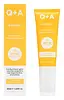
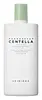
Q + A Peptide SPF 50 Anti-Ageing Daily Sunscreen Versus SKIN1004 Madagascar Centella Tea-Trica Soothing Sun Milk SPF 50+
This hybrid sunscreen covers the full UV range and blocks ~98% of UVB at SPF 50.
This hybrid sunscreen covers the full UV range and blocks ~98% of UVB at SPF 50.


What's inside
What's inside
 Key Ingredients
Benefits
Concerns
Ingredients Side-by-side
Water
Skin ConditioningPropanediol
Solvent

Caprylic/Capric Triglyceride
Masking
C12-15 Alkyl Benzoate
AntimicrobialTitanium Dioxide
Cosmetic Colorant

Stearic Acid
Cleansing


Diethylamino Hydroxybenzoyl Hexyl Benzoate
UV Filter
Cetyl Alcohol
Emollient
Limnanthes Alba Seed Oil
Skin Conditioning
Sesamum Indicum Seed Oil
Emollient

Tripeptide-29
Skin Conditioning

Betaine
Humectant
Allantoin
Skin Conditioning

Arginine
Masking
Phaseolus Angularis Seed Extract
Antioxidant
Sesamum Indicum Seed Extract
Skin Conditioning
Camellia Sinensis Leaf Extract
Antimicrobial

Tocopherol
Antioxidant

Lonicera Caprifolium Flower Extract
Perfuming
Lonicera Japonica Flower Extract
Skin ConditioningHelianthus Annuus Seed Oil
Emollient
Ethylhexyl Triazone
UV Absorber
Bis-Ethylhexyloxyphenol Methoxyphenyl Triazine
UV Absorber
Levulinic Acid
Perfuming
Sodium Levulinate
Skin ConditioningGlycerin
Humectant
Lecithin
Emollient
Carbomer
Emulsion StabilisingHydrogenated Ethylhexyl Olivate
EmollientJojoba Esters
Emollient
Hydrogenated Olive Oil Unsaponifiables
Emollient
Caprylyl Glycol
Emollient
Polyhydroxystearic Acid
Emulsifying
Leuconostoc/Radish Root Ferment Filtrate
Antimicrobial
Hydroxyacetophenone
Antioxidant
Phenoxyethanol
Preservative
Citric Acid
Buffering
Water, Propanediol, Caprylic/Capric Triglyceride, C12-15 Alkyl Benzoate, Titanium Dioxide, Stearic Acid, Diethylamino Hydroxybenzoyl Hexyl Benzoate, Cetyl Alcohol, Limnanthes Alba Seed Oil, Sesamum Indicum Seed Oil, Tripeptide-29, Betaine, Allantoin, Arginine, Phaseolus Angularis Seed Extract, Sesamum Indicum Seed Extract, Camellia Sinensis Leaf Extract, Tocopherol, Lonicera Caprifolium Flower Extract, Lonicera Japonica Flower Extract, Helianthus Annuus Seed Oil, Ethylhexyl Triazone, Bis-Ethylhexyloxyphenol Methoxyphenyl Triazine, Levulinic Acid, Sodium Levulinate, Glycerin, Lecithin, Carbomer, Hydrogenated Ethylhexyl Olivate, Jojoba Esters, Hydrogenated Olive Oil Unsaponifiables, Caprylyl Glycol, Polyhydroxystearic Acid, Leuconostoc/Radish Root Ferment Filtrate, Hydroxyacetophenone, Phenoxyethanol, Citric Acid
Water
Skin ConditioningButyloctyl Salicylate
Skin Conditioning
Dibutyl Adipate
EmollientPropanediol
Solvent
Ethylhexyl Triazone
UV Absorber
Terephthalylidene Dicamphor Sulfonic Acid
UV Absorber
Bis-Ethylhexyloxyphenol Methoxyphenyl Triazine
UV Absorber
Polyglyceryl-3 Distearate
Emulsifying
Niacinamide
Smoothing


Tromethamine
Buffering1,2-Hexanediol
Skin Conditioning
Diethylamino Hydroxybenzoyl Hexyl Benzoate
UV Filter
Caprylyl Methicone
Skin Conditioning
Pentylene Glycol
Skin Conditioning
Polymethylsilsesquioxane
Polysilicone-15
UV Filter
Centella Asiatica Extract
Cleansing
Ficus Carica Fruit Extract
Humectant
Oenothera Biennis Flower Extract
AstringentUlmus Davidiana Root Extract
Skin Conditioning
Pinus Palustris Leaf Extract
TonicPueraria Lobata Root Extract
HumectantChamaecyparis Obtusa Water
MaskingMelaleuca Alternifolia Leaf Water
Antimicrobial
Hydrogenated Lecithin
Emulsifying
Glyceryl Stearate
Emollient
Cetearyl Alcohol
Emollient
Sorbitan Laurate
Emulsifying
Sodium Stearoyl Glutamate
CleansingCarbomer
Emulsion StabilisingAmmonium Acryloyldimethyltaurate/Vp Copolymer
Glyceryl Stearate Citrate
Emollient
Acrylates/C10-30 Alkyl Acrylate Crosspolymer
Emulsion StabilisingEthylhexylglycerin
Skin ConditioningPolyglyceryl-4 Laurate
Emulsifying
Adenosine
Skin Conditioning
Butylene Glycol
Humectant
Tocopherol
Antioxidant
Glycerin
Humectant
Zinc Oxide
Cosmetic Colorant
Ethoxydiglycol
HumectantCaprylic/Capric Triglyceride
Masking
Octyldodecanol
Emollient
Asiaticoside
Antioxidant
Glycolipids
Skin ConditioningMadecassic Acid
Skin Conditioning
Asiatic Acid
Skin Conditioning
Polyhydroxystearic Acid
Emulsifying
C12-13 Alketh-9
EmulsifyingTriethoxycaprylylsilane
Ceramide NP
Skin Conditioning
Dilauryl Citrate
EmollientWater, Butyloctyl Salicylate, Dibutyl Adipate, Propanediol, Ethylhexyl Triazone, Terephthalylidene Dicamphor Sulfonic Acid, Bis-Ethylhexyloxyphenol Methoxyphenyl Triazine, Polyglyceryl-3 Distearate, Niacinamide, Tromethamine, 1,2-Hexanediol, Diethylamino Hydroxybenzoyl Hexyl Benzoate, Caprylyl Methicone, Pentylene Glycol, Polymethylsilsesquioxane, Polysilicone-15, Centella Asiatica Extract, Ficus Carica Fruit Extract, Oenothera Biennis Flower Extract, Ulmus Davidiana Root Extract, Pinus Palustris Leaf Extract, Pueraria Lobata Root Extract, Chamaecyparis Obtusa Water, Melaleuca Alternifolia Leaf Water, Hydrogenated Lecithin, Glyceryl Stearate, Cetearyl Alcohol, Sorbitan Laurate, Sodium Stearoyl Glutamate, Carbomer, Ammonium Acryloyldimethyltaurate/Vp Copolymer, Glyceryl Stearate Citrate, Acrylates/C10-30 Alkyl Acrylate Crosspolymer, Ethylhexylglycerin, Polyglyceryl-4 Laurate, Adenosine, Butylene Glycol, Tocopherol, Glycerin, Zinc Oxide, Ethoxydiglycol, Caprylic/Capric Triglyceride, Octyldodecanol, Asiaticoside, Glycolipids, Madecassic Acid, Asiatic Acid, Polyhydroxystearic Acid, C12-13 Alketh-9, Triethoxycaprylylsilane, Ceramide NP, Dilauryl Citrate
Reviews
Ingredients Explained
These ingredients are found in both products.
Ingredients higher up in an ingredient list are typically present in a larger amount.
This ingredient is better known as bemotrizinol or Tinosorb S and is one of the best broad-spectrum UV filters in modern sunscreen.
It works by absorbing UV light across a whole range (280-400 nm) with peaks around 310 nm (UVB) and 340-345 nm (UVA). This means it covers UVB plus the deeper UVA wavelengths that drive photoaging and pigmentation.
Another pro?
It's exceptionally photostable, barely degrades in sunlight, and acts as a "bodyguard" for less stable filters.
That's why you'll see it paired with avobenzone or octinoxate; this team up ensures they keep working through sun exposure.
Safety reviews have been reassuring across the board. This ingredient shows low absorption through the skin, rarely irritates, and lab studies found it doesn't act like a hormone in the body (a concern that's been raised about some older sunscreen filters).
On maximum concentrations:
In 2026, the US F.D.A finally added it as an OTC sunscreen ingredient at concentrations up to 6% for adults / children 6 months and older
Learn more about Bis-Ethylhexyloxyphenol Methoxyphenyl TriazineCaprylic/Capric Triglyceride (aka MCT Oil) is a lightweight emollient, solvent, and texture enhancer. It is considered a skin-softener by helping to prevent moisture loss.
Though it behaves like an oil, it is not technically one due to its chemical composition. One perk of this ingredient is that it is very stable, resistant to oxidation, and unlikely to go rancid.
In practice, that translates to a long shelf life and a consistently elegant skin feel.
While there is an assumption Caprylic Triglyceride can clog pores due to it being derived from coconut oil, there is no research supporting this. Just patch test if you have concerns.
Fractionated coconut oil and MCT Oil are both listed as Caprylic/Capric Triglyceride according to INCI. This is because INCI names are based on the ingredient’s final chemical composition and not its marketing name or source.
This ingredient is treated as the gold standard fungal acne safe oil. Even though it is coconut derived, the problematic lauric acid is stripped out.
This leaves just caprylic (C8) and capric (C10) acid. These chain lengths actually trend antifungal; a 2020 study found caprylic acid was enough to disrupt Malassezia furfur cell membrane, with a caprylic acid derivative damaging membrane structures at concentrations as low as 0.2%.
Learn more about Caprylic/Capric TriglycerideCarbomer is a synthetic thickening and gelling agent. It's basically the ingredient that gives a lot of serums, gels, creams, and sunscreens their smooth, non-sticky texture.
Although legally permitted at very high levels, carbomers are normally used at concentrations below 1%.
It also needs to be neutralized to actually thicken, and because it is a large molecule, it doesn't really penetrate the skin barrier.
Allergy-wise, the risk is very low. Clinical studies show carbomers have low potential for skin irritation/sensitization even at concentrations up to 100%.
A 2024 UK study patch-tested 1,302 patients and found true allergy to the parent group of carbomer to be rare with no confirmed relevant reactions.
Learn more about CarbomerDiethylamino Hydroxybenzoyl Hexyl Benzoate (DHHB) is a chemical UV-A absorber. It is formulated for high UVA protection (320-400 nm).
DHHB is well-liked for:
DHHB has been approved by the EU, Japan, Taiwan, and South America for use up to 10%. Unfortunately, it has not been approved for use in the US or Canada due to slow regulatory processes.
This ingredient is soluble in oils, fats, and lipids.
Learn more about Diethylamino Hydroxybenzoyl Hexyl BenzoateEthylhexyl Triazone (aka Octyl Triazone) is an oil-soluble organic UVB filter. It has peak absorption around 314 nm, right in the middle of the UVB range.
This ingredient is described as one of the most effective UVB filters available and small concentrations are enough to deliver a high SPF thanks to its strong UV absorbing power.
Formulators love it for its stability; its ability to filter UV stays practically unchanged even under intense radiation and it can also help boost the photostability of less stable filters like avobenzone.
It's also a great pick for water resistant products because it's insoluble in water and has a good affinity for keratin.
Because it's a big, heavy molecule, the European Scientific Committee has found to to have very low dermal penetration and negative results for allergenicity.
In vitro testing also showed a low absorption rate and clean results on irritation.
Typical use levels are 1-5% with 5% being the maximum in the EU, Japan, and other markets that allow it. However, this ingredient is not approved yet in the US or Canada.
Learn more about Ethylhexyl TriazoneGlycerin (or glycerol) is a compound naturally found in your skin. It's a powerhouse humectant that pulls water into the stratum corneum.
Topically, glycerin does several things at once:
Your skin makes glycerin on its own (mostly from sebaceous oil breakdown) and shuttles it to your outermost layer of skin, or your epidermis, via aquaporin-3.
Aquaporin-3 is a transporter that is essential for normal skin hydration, elasticity, and repair. Interestingly, mice lacking in AQP3 have dry and less elastic skin that can be fully corrected with glycerin.
This ingredient is non-irritating, plays well with almost every ingredient, and works across all skin types. Typical use is anywhere between 3-10% but can go up to 79% in some leave-on products.
Just know very high concentrations (>40%) can feel tacky in low humidity.
Glycerin is the name for this ingredient in American English. British English uses Glycerol/Glycerine.
Learn more about GlycerinPolyhydroxystearic Acid is a vegetable-derived soft wax made from castor oil. It's an emulsion stabilizer, thickener, and film former.
You'll likely see it in sunscreens because it helps disperse pigments and UV-reflecting minerals like titanium dioxide and zinc oxide evenly.
Depending on the concentration, it can drastically change the texture of a product from pasty solid (like lipstick) to sprayable liquid.
The CIR Expert Panel for Cosmetic Ingredient Safety has concluded this ingredient to be safe in cosmetics. The highest reported use concentration is 14.2% in lipsticks.
Learn more about Polyhydroxystearic AcidPropanediol is an all-star ingredient. It softens, hydrates, and smooths the skin.
It’s often used to:
Propanediol is not likely to cause sensitivity and considered safe to use. It is derived from corn or petroleum with a clear color and no scent.
Learn more about PropanediolTocopherol is a fat-soluble antioxidant known as Vitamin E.
You'll find this ingredient in the vast majority of skincare (for good reason). It works to neutralize free radicals, or unstable molecules generated by UV exposure, pollution, and other environmental stressors, before they can cause oxidative damage to your skin cells.
Topically applied tocopherol has been shown to protect against UV damage by ramping up the skin's own natural defense enzymes.
It also acts as a skin conditioning agent; some studies show that regular topical use can improve the skin's water-binding capacity over 2-4 weeks.
This ingredient is especially loved for being a team player. When combined with Vitamin C, the photoprotective effect of both ingredients roughly doubles and the combo also helps reduce UV-induced DNA damage.
This ingredient has some brightening potential but it's more of a prevention ingredient than spot-fader. Cell studies show it can slow down melanin production but it's worth noting that it's not the most powerful brightener out there.
In formulations, it also serves as a stabilizer that helps protect other oxidation-prone ingredients from degrading.
Concentrations usually range from 0.1-1% in most leave-on products.
Learn more about TocopherolWater. It's the most common cosmetic ingredient of all. You'll usually see it at the top of ingredient lists, meaning that it makes up the largest part of the product.
So why is it so popular? Water most often acts as a solvent - this means that it helps dissolve other ingredients into the formulation.
You'll also recognize water as that liquid we all need to stay alive. If you see this, drink a glass of water. Remember to stay hydrated!
Learn more about Water

