

What's inside
What's inside
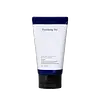 Key Ingredients
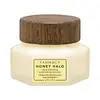
Benefits
Concerns
Ingredients Side-by-side
Water
Skin ConditioningCetyl Ethylhexanoate
EmollientButyrospermum Parkii Butter
Skin Conditioning



Polyglyceryl-3 Diisostearate
Emulsifying
Cetearyl Alcohol
Emollient
Niacinamide
Smoothing










Glyceryl Stearates
Emollient
Caprylyl Methicone
Skin Conditioning
Trimethylpentanediol/Adipic Acid/Glycerin Crosspolymer
Skin ConditioningVinyldimethicone
Glyceryl Caprylate
EmollientSorbitan Sesquioleate
Emulsifying
Glyceryl Stearate Citrate
Emollient
Dimethiconol
Emollient
Sodium Acrylate/Sodium Acryloyldimethyl Taurate Copolymer
Emulsion StabilisingCarbomer
Emulsion StabilisingPolyisobutene
Caprylyl Glycol
Emollient
Caprylic/Capric Triglyceride
Masking
Ethylhexyl Palmitate
Emollient
Xanthan Gum
EmulsifyingAdenosine
Skin Conditioning
Disodium EDTA
Caprylyl/Capryl Glucoside
CleansingSorbitan Oleate
Emulsifying
Butylene Glycol
Humectant
1,2-Hexanediol
Skin Conditioning
Pentylene Glycol
Skin ConditioningHydroxyacetophenone
Antioxidant
Macadamia Ternifolia Seed Oil
Emollient
Sodium Hyaluronate
Humectant
Phytosteryl/Behenyl/Octyldodecyl Lauroyl Glutamate
Skin ConditioningCholesterol
Emollient
Brassica Campestris Sterols
Emollient
Broussonetia Kazinoki Root Extract
Skin ConditioningChrysanthemum Morifolium Flower Extract
Skin ConditioningHydrolyzed Hyaluronic Acid
Humectant
Hydroxypropyltrimonium Hyaluronate
Lonicera Japonica Flower Extract
Skin ConditioningPolyglyceryl-10 Oleate
Skin Conditioning
Potassium Cetyl Phosphate
EmulsifyingCeramide NP
Skin Conditioning
Sodium Hyaluronate Crosspolymer
Humectant
Sodium Acetylated Hyaluronate
Humectant
Ceramide Ns
Skin Conditioning
Ceramide EOP
Skin Conditioning
Sh-Oligopeptide-1
Skin Conditioning
Glycerin
Humectant
Dipropylene Glycol
HumectantHydrogenated Polydecene
EmollientTromethamine
BufferingEthylhexylglycerin
Skin ConditioningHydrogenated Lecithin
Emulsifying
Water, Cetyl Ethylhexanoate, Butyrospermum Parkii Butter, Polyglyceryl-3 Diisostearate, Cetearyl Alcohol, Niacinamide, Glyceryl Stearates, Caprylyl Methicone, Trimethylpentanediol/Adipic Acid/Glycerin Crosspolymer, Vinyldimethicone, Glyceryl Caprylate, Sorbitan Sesquioleate, Glyceryl Stearate Citrate, Dimethiconol, Sodium Acrylate/Sodium Acryloyldimethyl Taurate Copolymer, Carbomer, Polyisobutene, Caprylyl Glycol, Caprylic/Capric Triglyceride, Ethylhexyl Palmitate, Xanthan Gum, Adenosine, Disodium EDTA, Caprylyl/Capryl Glucoside, Sorbitan Oleate, Butylene Glycol, 1,2-Hexanediol, Pentylene Glycol, Hydroxyacetophenone, Macadamia Ternifolia Seed Oil, Sodium Hyaluronate, Phytosteryl/Behenyl/Octyldodecyl Lauroyl Glutamate, Cholesterol, Brassica Campestris Sterols, Broussonetia Kazinoki Root Extract, Chrysanthemum Morifolium Flower Extract, Hydrolyzed Hyaluronic Acid, Hydroxypropyltrimonium Hyaluronate, Lonicera Japonica Flower Extract, Polyglyceryl-10 Oleate, Potassium Cetyl Phosphate, Ceramide NP, Sodium Hyaluronate Crosspolymer, Sodium Acetylated Hyaluronate, Ceramide Ns, Ceramide EOP, Sh-Oligopeptide-1, Glycerin, Dipropylene Glycol, Hydrogenated Polydecene, Tromethamine, Ethylhexylglycerin, Hydrogenated Lecithin
Water
Skin ConditioningGlycerin
Humectant
Butyrospermum Parkii Butter
Skin Conditioning
Caprylic/Capric Triglyceride
Masking
C13-15 Alkane
SolventCetearyl Alcohol
Emollient
Pentaerythrityl Tetraisostearate
Emollient
1,2-Hexanediol
Skin Conditioning
Bis-Diglyceryl Polyacyladipate-1
Emollient
Diisostearyl Malate
EmollientXylitylglucoside
Humectant
Honey Extract
Humectant
Betaine
Humectant
Panthenol
Skin Conditioning
Hydrogenated Rapeseed Oil
Emollient
Helianthus Annuus Seed Oil Unsaponifiables
Emollient
Ceramide NP
Skin Conditioning
Propolis Extract
Skin Conditioning
Royal Jelly Extract
Skin Conditioning
Tocopherol
Antioxidant
Ficus Carica Fruit Extract
Humectant
Hippophae Rhamnoides Oil
Emollient
Glucose
Humectant
Bisabolol
Masking
Xylitol
Humectant
Anhydroxylitol
Humectant
Cetearyl Glucoside
EmulsifyingTriolein
Skin Conditioning
Acrylates/C10-30 Alkyl Acrylate Crosspolymer
Emulsion StabilisingHydroxyethyl Acrylate/Sodium Acryloyldimethyl Taurate Copolymer
Emulsion StabilisingArginine
Masking
Aroma
Hydroxyacetophenone
Antioxidant
Xanthan Gum
EmulsifyingGlyceryl Dioleate
Emollient
Sodium Dilauramidoglutamide Lysine
HumectantSodium Phytate
Sorbitan Isostearate
Emulsifying
Citric Acid
Buffering


Potassium Sorbate
Preservative
Sodium Benzoate
Masking
Water, Glycerin, Butyrospermum Parkii Butter, Caprylic/Capric Triglyceride, C13-15 Alkane, Cetearyl Alcohol, Pentaerythrityl Tetraisostearate, 1,2-Hexanediol, Bis-Diglyceryl Polyacyladipate-1, Diisostearyl Malate, Xylitylglucoside, Honey Extract, Betaine, Panthenol, Hydrogenated Rapeseed Oil, Helianthus Annuus Seed Oil Unsaponifiables, Ceramide NP, Propolis Extract, Royal Jelly Extract, Tocopherol, Ficus Carica Fruit Extract, Hippophae Rhamnoides Oil, Glucose, Bisabolol, Xylitol, Anhydroxylitol, Cetearyl Glucoside, Triolein, Acrylates/C10-30 Alkyl Acrylate Crosspolymer, Hydroxyethyl Acrylate/Sodium Acryloyldimethyl Taurate Copolymer, Arginine, Aroma, Hydroxyacetophenone, Xanthan Gum, Glyceryl Dioleate, Sodium Dilauramidoglutamide Lysine, Sodium Phytate, Sorbitan Isostearate, Citric Acid, Potassium Sorbate, Sodium Benzoate
Reviews
Ingredients Explained
These ingredients are found in both products.
Ingredients higher up in an ingredient list are typically present in a larger amount.
1,2-Hexanediol is a synthetic liquid and another multi-functional powerhouse.
It is a:
- Humectant, drawing moisture into the skin
- Emollient, helping to soften skin
- Solvent, dispersing and stabilizing formulas
- Preservative booster, enhancing the antimicrobial activity of other preservatives
This ingredient is also known as shea butter. It is an effective skin hydrator and emollient.
Emollients help soothe and soften your skin. It does this by creating a protective film on your skin. This barrier helps trap moisture and keeps your skin hydrated. Emollients may be effective at treating dry or itchy skin.
Shea butter is rich in antioxidants. Antioxidants help fight free-radicals, or molecules that may harm the body. It is also full of fatty acids including stearic acid and linoleic acid. These acids help replenish the skin and keep skin moisturized.
While Shea Butter has an SPF rating of about 3-4, it is not a sunscreen replacement.
Shea butter may not be fungal acne safe. We recommend speaking with a professional if you have any concerns.
Learn more about Butyrospermum Parkii ButterThis ingredient is an emollient, solvent, and texture enhancer. It is considered a skin-softener by helping the skin prevent moisture loss.
It helps thicken a product's formula and makes it easier to spread by dissolving clumping compounds.
Caprylic Triglyceride is made by combining glycerin with coconut oil, forming a clear liquid.
While there is an assumption Caprylic Triglyceride can clog pores due to it being derived from coconut oil, there is no research supporting this.
Learn more about Caprylic/Capric TriglycerideCeramide NP is a type of ceramide and formally known as ceramide 3.
Ceramides are intercellular lipids naturally found in our skin that bonds dead skin cells together to create a barrier. They are known for their ability to hold water and thus are a great ingredient for dry skin.
Ceramides are an important building block for our skin barrier. A stronger barrier helps the skin look more firm and hydrated. By bolstering the skin ceramides act as a barrier against irritating ingredients. This can help with inflammation as well.
If you would like to eat ceramides, sweet potatoes contain a small amount.
Read more about other common types of ceramides here:
Ceramide AP
Ceramide EOP
Cetearyl alcohol is a mixture of two fatty alcohols: cetyl alcohol and stearyl alcohol. It is mainly used as an emulsifier. Emulsifiers help prevent the separation of oils and products. Due to its composition, it can also be used to thicken a product or help create foam.
Cetearyl alcohol is an emollient. Emollients help soothe and hydrate the skin by trapping moisture.
Studies show Cetearyl alcohol is non-toxic and non-irritating. The FDA allows products labeled "alcohol-free" to have fatty alcohols.
This ingredient is usually derived from plant oils such as palm, vegetable, or coconut oils. There is debate on whether this ingredient will cause acne.
Due to the fatty acid base, this ingredient may not be Malassezia folliculitis safe.
Learn more about Cetearyl AlcoholGlycerin is already naturally found in your skin. It helps moisturize and protect your skin.
A study from 2016 found glycerin to be more effective as a humectant than AHAs and hyaluronic acid.
As a humectant, it helps the skin stay hydrated by pulling moisture to your skin. The low molecular weight of glycerin allows it to pull moisture into the deeper layers of your skin.
Hydrated skin improves your skin barrier; Your skin barrier helps protect against irritants and bacteria.
Glycerin has also been found to have antimicrobial and antiviral properties. Due to these properties, glycerin is often used in wound and burn treatments.
In cosmetics, glycerin is usually derived from plants such as soybean or palm. However, it can also be sourced from animals, such as tallow or animal fat.
This ingredient is organic, colorless, odorless, and non-toxic.
Glycerin is the name for this ingredient in American English. British English uses Glycerol/Glycerine.
Learn more about GlycerinHydroxyacetophenone is antioxidant with skin conditioning and soothing properties. It also boosts the efficiency of preservatives.
This ingredient is not irritating or sensitizing.
Water. It's the most common cosmetic ingredient of all. You'll usually see it at the top of ingredient lists, meaning that it makes up the largest part of the product.
So why is it so popular? Water most often acts as a solvent - this means that it helps dissolve other ingredients into the formulation.
You'll also recognize water as that liquid we all need to stay alive. If you see this, drink a glass of water. Stay hydrated!
Learn more about WaterXanthan gum is used as a stabilizer and thickener within cosmetic products. It helps give products a sticky, thick feeling - preventing them from being too runny.
On the technical side of things, xanthan gum is a polysaccharide - a combination consisting of multiple sugar molecules bonded together.
Xanthan gum is a pretty common and great ingredient. It is a natural, non-toxic, non-irritating ingredient that is also commonly used in food products.
Learn more about Xanthan Gum
