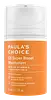
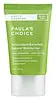
Paula's Choice C5 Super Boost Moisturizer Versus Paula's Choice Earth Sourced Antioxidant Enriched Natural Moisturizer
This brightening moisturizer is formulated around 3-O-Ethyl Ascorbic Acid and Ascorbyl Glucoside to brighten dull-looking skin.
This barrier-repair moisturizer is formulated around Borago Officinalis Seed Oil and Sodium Hyaluronate to strengthen the skin barrier and hydrate skin.

What's inside
What's inside
 Key Ingredients
Benefits
Concerns
Ingredients Side-by-side
Water
Skin ConditioningDicaprylyl Carbonate
Emollient3-O-Ethyl Ascorbic Acid
Skin Conditioning





Dimethicone
Emollient
Butylene Glycol
Humectant

Polyglyceryl-6 Distearate
Emulsifying

Ascorbyl Glucoside
Antioxidant

Squalane
Emollient
Hydroxyethyl Acrylate/Sodium Acryloyldimethyl Taurate Copolymer
Emulsion StabilisingAcetyl Sh-Hexapeptide-5 Amide Acetate
Skin Conditioning
Citrullus Lanatus Seed Oil
Emollient

Hydrogenated Lecithin
Emulsifying
Theobroma Cacao Seed Butter
Emollient


Hydrogenated Phosphatidylcholine
Emulsifying
Pentaerythrityl Tetra-Di-T-Butyl Hydroxyhydrocinnamate
Antioxidant
Sodium Hyaluronate
Humectant
Oryza Sativa Bran Extract
Skin Conditioning
Propanediol
Solvent
Jojoba Esters
Emollient
Tocopherol
Antioxidant

Acetyl Zingerone
Antioxidant
Cetyl Palmitate
Emollient
Caprylyl Glycol
Emollient
Cetyl Alcohol
Emollient
Polyglyceryl-3 Beeswax
Emulsifying
Sodium Hydroxide
BufferingSorbitan Olivate
Emulsifying
Sorbitan Palmitate
Emulsifying
Helianthus Annuus Extract
Emollient
Ethylhexylglycerin
Skin ConditioningHexylene Glycol
EmulsifyingSodium Phytate
ChelatingPolysorbate 60
Emulsifying
Sorbitan Isostearate
Emulsifying
Lecithin
Emollient
Rosmarinus Officinalis Leaf Extract
AntimicrobialGlycine Soja Oil
Emollient
Lysolecithin
EmulsifyingBacillus Ferment
Skin Conditioning
Citric Acid
Buffering
Polyglutamic Acid
Skin Conditioning
Beta-Sitosterol
Emulsion Stabilising
Phytic Acid
Chelating
Squalene
Emollient
Phenoxyethanol
Preservative
Sodium Benzoate
Masking
Potassium Sorbate
Preservative
Water, Dicaprylyl Carbonate, 3-O-Ethyl Ascorbic Acid, Dimethicone, Butylene Glycol, Polyglyceryl-6 Distearate, Ascorbyl Glucoside, Squalane, Hydroxyethyl Acrylate/Sodium Acryloyldimethyl Taurate Copolymer, Acetyl Sh-Hexapeptide-5 Amide Acetate, Citrullus Lanatus Seed Oil, Hydrogenated Lecithin, Theobroma Cacao Seed Butter, Hydrogenated Phosphatidylcholine, Pentaerythrityl Tetra-Di-T-Butyl Hydroxyhydrocinnamate, Sodium Hyaluronate, Oryza Sativa Bran Extract, Propanediol, Jojoba Esters, Tocopherol, Acetyl Zingerone, Cetyl Palmitate, Caprylyl Glycol, Cetyl Alcohol, Polyglyceryl-3 Beeswax, Sodium Hydroxide, Sorbitan Olivate, Sorbitan Palmitate, Helianthus Annuus Extract, Ethylhexylglycerin, Hexylene Glycol, Sodium Phytate, Polysorbate 60, Sorbitan Isostearate, Lecithin, Rosmarinus Officinalis Leaf Extract, Glycine Soja Oil, Lysolecithin, Bacillus Ferment, Citric Acid, Polyglutamic Acid, Beta-Sitosterol, Phytic Acid, Squalene, Phenoxyethanol, Sodium Benzoate, Potassium Sorbate
Water
Skin ConditioningTheobroma Cacao Seed Butter
Emollient
Glycerin
Humectant
Vitis Vinifera
MaskingCanola Oil
Emollient
Olea Europaea Fruit Oil
Masking
Butyrospermum Parkii Butter Unsaponifiables
Skin Conditioning
Benzyl Alcohol
Perfuming



Propanediol
Solvent
Borago Officinalis Seed Oil
Emollient
Oenothera Biennis Oil
Emollient
Sodium Hyaluronate
Humectant
Rubus Idaeus Fruit Extract
AstringentVaccinium Macrocarpon Fruit Extract
AstringentVaccinium Myrtillus Fruit Extract
Skin ConditioningMalpighia Emarginata Fruit Extract
Skin ConditioningLycium Barbarum Fruit Extract
Astringent
Aloe Barbadensis Leaf Juice
Skin Conditioning
Tocopherol
Antioxidant
Hydrogenated Lecithin
Emulsifying
Thermus Thermophillus Ferment
Skin ConditioningLinum Usitatissimum Seed Oil
Perfuming
Caprylic/Capric Triglyceride
Masking
Arginine
Masking
Glycine
Buffering
Alanine
Masking
Serine
Masking
Valine
MaskingProline
Skin Conditioning
Threonine
Isoleucine
Skin ConditioningHistidine
Humectant
Phenylalanine
Masking
Aspartic Acid
Masking
Helianthus Annuus Seed Oil
Emollient
Carrageenan
Sodium Lactate
Buffering
Sodium PCA
Humectant
Silica
Abrasive

Xanthan Gum
EmulsifyingLeuconostoc/Radish Root Ferment Filtrate
Antimicrobial
Caprylyl Glycol
Emollient
Glyceryl Stearate
Emollient
PCA
Humectant
Phenoxyethanol
Preservative
Potassium Sorbate
Preservative
Sodium Benzoate
Masking
Water, Theobroma Cacao Seed Butter, Glycerin, Vitis Vinifera, Canola Oil, Olea Europaea Fruit Oil, Butyrospermum Parkii Butter Unsaponifiables, Benzyl Alcohol, Propanediol, Borago Officinalis Seed Oil, Oenothera Biennis Oil, Sodium Hyaluronate, Rubus Idaeus Fruit Extract, Vaccinium Macrocarpon Fruit Extract, Vaccinium Myrtillus Fruit Extract, Malpighia Emarginata Fruit Extract, Lycium Barbarum Fruit Extract, Aloe Barbadensis Leaf Juice, Tocopherol, Hydrogenated Lecithin, Thermus Thermophillus Ferment, Linum Usitatissimum Seed Oil, Caprylic/Capric Triglyceride, Arginine, Glycine, Alanine, Serine, Valine, Proline, Threonine, Isoleucine, Histidine, Phenylalanine, Aspartic Acid, Helianthus Annuus Seed Oil, Carrageenan, Sodium Lactate, Sodium PCA, Silica, Xanthan Gum, Leuconostoc/Radish Root Ferment Filtrate, Caprylyl Glycol, Glyceryl Stearate, PCA, Phenoxyethanol, Potassium Sorbate, Sodium Benzoate
Reviews
Ingredients Explained
These ingredients are found in both products.
Ingredients higher up in an ingredient list are typically present in a larger amount.
Caprylyl Glycol is a humectant, skin conditioner, emollient, and preservative booster derived from either caprylic acid or synthetically created.
Typical use levels vary from 0.3-1% as a preservative booster and go up to 2% to condition skin.
Because it is not a free-fatty acid, this ingredient is fungal acne safe (there's nothing for Malassezia to feed on).
Learn more about Caprylyl GlycolHydrogenated Lecithin is a more stable version of lecithin.
It's made by taking lecithin (a phospholipid commonly found in soybeans and egg yolks) and hydrogenating it. This just means the unsaturated fatty acids are turned into saturated ones so they don't go bad as easily.
This ingredient is an emollient, emulsifier, and penetration enhancer. As an emollient, it helps soften and hydrate skin by trapping moisture within. As an emulsifier, it prevents oil and water ingredients from separating.
Hydrogenated Lecithin can form tiny spherical structures made of phospholipid bilayers called liposomes. These liposomes are able to capture compounds inside their structure and deliver them through the skin barrier.
Because phospholipids are a natural component of our cell membranes, this ingredient is inherently compatible with skin.
A 2021 study found lecithin-based surfactants were less harsh and more tolerable comared to Sodium Lauryl Sulfate (SLS).
Learn more about Hydrogenated LecithinPhenoxyethanol is one of the most widely used preservatives in skincare (and for good reason!).
It has a large spectrum of antimicrobial activity and especially effective bacteria, yeast, and mold while only having a weak effect on your skin's natural microbiome.
On a cellular level, it disrupts the cell membranes of microbes by poking holes that make the cell leak. This shuts down the chemical reactions the microbe needs to make energy so it can no longer survive.
Another perk of this ingredient is that it stays functional across a wide pH range (3-10).
You'll often see it paired with boosters like Ethylhexylglycerin; one study showed that a 1:9 ratio of Ethylhexylglycerin to Phenoxyethanol damages bacterial membranes as effectively as doubling the Phenoxyethanol concentration on its own.
Typical use concentrations range from 0.3-1% depending on the formula, and this ingredient is capped at 1% int the EU.
Safety-wise, the fear mongering does not hold up to the evidence. The EU's Scientific Committee on Consumer Safety and FDA consider it safe as a preservative at up to 1%, including for children of all ages.
Adverse systemic effects only showed up in animal studies at exposures roughly 200x higher than what people get from cosmetics. And despite its very widespread use, this ingredient is a rare sensitizer and allergic reactions are uncommon.
Learn more about PhenoxyethanolPotassium Sorbate is a preservative used to prevent yeast and mold in products. It is commonly found in both cosmetic and food products.
This ingredient comes from potassium salt derived from sorbic acid. Sorbic acid is a natural antibiotic and effective against fungus.
Both potassium sorbate and sorbic acid can be found in baked goods, cheeses, dried meats, dried fruit, ice cream, pickles, wine, yogurt, and more.
You'll often find this ingredient used with other preservatives.
Learn more about Potassium SorbatePropanediol is an all-star ingredient. It softens, hydrates, and smooths the skin.
It’s often used to:
Propanediol is not likely to cause sensitivity and considered safe to use. It is derived from corn or petroleum with a clear color and no scent.
Learn more about PropanediolSodium Benzoate is a preservative. It's used in both cosmetic and food products to inhibit the growth of mold and bacteria. It is typically produced synthetically.
Both the US FDA and EU Health Committee have approved the use of sodium benzoate. In the US, levels of 0.1% (of the total product) are allowed.
Sodium benzoate works as a preservative by inhibiting the growth of bacteria inside of cells. It prevents the cell from fermenting a type of sugar using an enzyme called phosphofructokinase.
It is the salt of benzoic acid. Foods containing sodium benzoate include soda, salad dressings, condiments, fruit juices, wines, and snack foods.
Studies for using ascorbic acid and sodium benzoate in cosmetics are lacking, especially in skincare routines with multiple steps.
We always recommend speaking with a professional, such as a dermatologist, if you have any concerns.
Learn more about Sodium BenzoateSodium Hyaluronate is the salt form of hyaluronic acid. It is a long sugar chain that is naturally found in your skin, joints, and connective tissue that maintains hydration and elasticity.
In skincare, it works as a humectant. It pulls water from the environment and deeper layers of skin and binds it to the surface.
Interestingly, the size of the molecule affects its behavior:
Some clinical evidence links low molecular weight versions to improved wrinkle depth, elasticity, anti-inflammatory effects, and barrier repair.
Many serums use a blend of both weights so you can get surface hydration plus longer-lasting and deeper effects.
You'll typically see concentrations between 0.1-2% for this ingredient.
Learn more about Sodium HyaluronateThis ingredient is also known as Cocoa butter; it's the fat pressed out of roasted cocoa beans.
Cocoa butter is solid at room temperature and melts right around body temperature, which is why it feels waxy in the jar and slippery on skin.
It has a very saturated profile (stearic acid ~34 to 36%, oleic acid ~30 to 40%, and palmitic acid ~24 to 29%) that makes it a strong occlusive: it sits on top and slows water escaping from skin.
Concentration data shows that it can show up anywhere from a few percent in lotions up to 100% in balms, and the FDA lists cocoa butter as an OTC skin protectant active at 50-100%.
The CIR has reviewed it and concluded it to be safe as used in cosmetics.
This is one of the ingredients with a comedogenic score of 4/5 from the rabbit ear test. Just know that a later human study did find that finished products containing high-comedogenic ingredients like cocoa butter did not increase microcomedone formation.
The fair call here is that this ingredient is most likely fine on body or low-percentage formulas, but can potentially be riskier as a heavy leave-on facial product if you break out easily.
Cocoa butter may not be fungal acne safe; it is a triglyceride of C16-18 fatty acids that the Malassezia yeast can metabolize.
Allergies to cocoa butter are rare and uncommon, but a few cases have been documented (mostly in cases where the person ate chocolate). So if you have a tree nut allergy, be sure to patch test or avoid.
Learn more about Theobroma Cacao Seed ButterTocopherol is a fat-soluble antioxidant known as Vitamin E.
You'll find this ingredient in the vast majority of skincare (for good reason). It works to neutralize free radicals, or unstable molecules generated by UV exposure, pollution, and other environmental stressors, before they can cause oxidative damage to your skin cells.
Topically applied tocopherol has been shown to protect against UV damage by ramping up the skin's own natural defense enzymes.
It also acts as a skin conditioning agent; some studies show that regular topical use can improve the skin's water-binding capacity over 2-4 weeks.
This ingredient is especially loved for being a team player. When combined with Vitamin C, the photoprotective effect of both ingredients roughly doubles and the combo also helps reduce UV-induced DNA damage.
This ingredient has some brightening potential but it's more of a prevention ingredient than spot-fader. Cell studies show it can slow down melanin production but it's worth noting that it's not the most powerful brightener out there.
In formulations, it also serves as a stabilizer that helps protect other oxidation-prone ingredients from degrading.
Concentrations usually range from 0.1-1% in most leave-on products.
Learn more about TocopherolWater. It's the most common cosmetic ingredient of all. You'll usually see it at the top of ingredient lists, meaning that it makes up the largest part of the product.
So why is it so popular? Water most often acts as a solvent - this means that it helps dissolve other ingredients into the formulation.
You'll also recognize water as that liquid we all need to stay alive. If you see this, drink a glass of water. Remember to stay hydrated!
Learn more about Water

