
What's inside
What's inside
 Key Ingredients
Benefits
Concerns
Ingredients Side-by-side
Butyl Methoxydibenzoylmethane 3%
UV Absorber
Homosalate 5%
Skin Conditioning
Ethylhexyl Salicylate 4.5%
UV Absorber
Octocrylene 2.8%
UV Absorber

Water
Skin ConditioningButyloctyl Salicylate
Skin Conditioning
Nylon-12

Octyldodecyl Neopentanoate
EmollientBehenyl Alcohol
Emollient
Myristyl Myristate
Emollient


Dimethicone
Emollient

Cetyl Esters
Emollient
Polyethylene
Abrasive
Butylene Glycol
Humectant

Ammonium Acryloyldimethyltaurate/Vp Copolymer
Glycerin
Humectant
Rosa Damascena Flower Oil
Masking



Lavandula Angustifolia Oil
Masking
Pelargonium Graveolens Flower Oil
Masking
Illicium Verum Fruit/Seed Oil
Masking
Citrus Aurantium Bergamia Fruit Oil
Masking
Carthamus Tinctorius Seed Oil
Masking
Myristica Fragrans Kernel Oil
Masking
Citrus Aurantium Dulcis Peel Oil
Masking
Citrus Nobilis Peel Oil
Masking
Citrus Limon Peel Oil
Masking
Litsea Cubeba Fruit Oil
Masking
Hibiscus Abelmoschus Extract
MaskingGeraniol
Perfuming
Linalool
Perfuming
Citronellol
Perfuming
Limonene
Perfuming
Citral
Perfuming
Coffea Arabica Seed Extract
Masking

Sigesbeckia Orientalis Extract
Skin ConditioningPeucedanum Graveolens Extract
TonicHordeum Vulgare Extract
EmollientPisum Sativum Extract
Skin ConditioningCholesterol
Emollient
Micrococcus Lysate
Skin ConditioningBambusa Vulgaris Extract
Skin Conditioning
Glyceryl Stearate
Emollient
Triticum Vulgare Germ Extract
Skin ConditioningCrithmum Maritimum Extract
Skin ConditioningAnogeissus Leiocarpus Bark Extract
Skin ProtectingRosmarinus Officinalis Leaf Extract
AntimicrobialCaffeine
Skin Conditioning
Centaurium Erythraea Extract
Skin ConditioningRubus Idaeus Leaf Extract
Skin ConditioningCassia Alata Leaf Extract
AstringentPhytosphingosine
Skin Conditioning
Trisiloxane
Skin Conditioning
Laminaria Digitata Extract
Skin Protecting
Acetyl Hexapeptide-8
Humectant
Hydrolyzed Algin
Glucosamine Hcl
PEG-100 Stearate
Sodium Hyaluronate
Humectant
PEG-6
HumectantDi-PPG-2 Myreth-10 Adipate
Emollient
Steareth-21
CleansingTocopheryl Acetate
Antioxidant


Caprylyl Glycol
Emollient
Ethylhexylglycerin
Skin ConditioningSqualane
Emollient
Linoleic Acid
Cleansing
Trehalose
Humectant
Tetrahexyldecyl Ascorbate
Antioxidant


Citric Acid
Buffering
Sodium PCA
Humectant
Lecithin
Emollient
Maltodextrin
Absorbent
Hexylene Glycol
EmulsifyingSodium Dehydroacetate
Preservative
Disodium EDTA
Phenoxyethanol
Preservative
Mica
Cosmetic ColorantEssential Oils
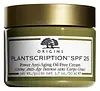
Butyl Methoxydibenzoylmethane 3%, Homosalate 5%, Ethylhexyl Salicylate 4.5%, Octocrylene 2.8%, Water, Butyloctyl Salicylate, Nylon-12, Octyldodecyl Neopentanoate, Behenyl Alcohol, Myristyl Myristate, Dimethicone, Cetyl Esters, Polyethylene, Butylene Glycol, Ammonium Acryloyldimethyltaurate/Vp Copolymer, Glycerin, Rosa Damascena Flower Oil, Lavandula Angustifolia Oil, Pelargonium Graveolens Flower Oil, Illicium Verum Fruit/Seed Oil, Citrus Aurantium Bergamia Fruit Oil, Carthamus Tinctorius Seed Oil, Myristica Fragrans Kernel Oil, Citrus Aurantium Dulcis Peel Oil, Citrus Nobilis Peel Oil, Citrus Limon Peel Oil, Litsea Cubeba Fruit Oil, Hibiscus Abelmoschus Extract, Geraniol, Linalool, Citronellol, Limonene, Citral, Coffea Arabica Seed Extract, Sigesbeckia Orientalis Extract, Peucedanum Graveolens Extract, Hordeum Vulgare Extract, Pisum Sativum Extract, Cholesterol, Micrococcus Lysate, Bambusa Vulgaris Extract, Glyceryl Stearate, Triticum Vulgare Germ Extract, Crithmum Maritimum Extract, Anogeissus Leiocarpus Bark Extract, Rosmarinus Officinalis Leaf Extract, Caffeine, Centaurium Erythraea Extract, Rubus Idaeus Leaf Extract, Cassia Alata Leaf Extract, Phytosphingosine, Trisiloxane, Laminaria Digitata Extract, Acetyl Hexapeptide-8, Hydrolyzed Algin, Glucosamine Hcl, PEG-100 Stearate, Sodium Hyaluronate, PEG-6, Di-PPG-2 Myreth-10 Adipate, Steareth-21, Tocopheryl Acetate, Caprylyl Glycol, Ethylhexylglycerin, Squalane, Linoleic Acid, Trehalose, Tetrahexyldecyl Ascorbate, Citric Acid, Sodium PCA, Lecithin, Maltodextrin, Hexylene Glycol, Sodium Dehydroacetate, Disodium EDTA, Phenoxyethanol, Mica, Essential Oils
Water
Skin ConditioningButylene Glycol
Humectant
Coco-Caprylate/Caprate
Emollient
Niacinamide
Smoothing

Glycerin
Humectant
Panax Ginseng Root Extract
Emollient
Lactobacillus/Panax Ginseng Root Extract Ferment Filtrate
Skin ConditioningCaffeine
Skin Conditioning
3-O-Ethyl Ascorbic Acid
Skin Conditioning
Yeast Extract
Skin ConditioningSodium Hyaluronate
Humectant
Laminaria Saccharina Extract
Skin ProtectingSodium PCA
Humectant
Punica Granatum Sterols
Skin Conditioning
Ceramide NP
Skin Conditioning
Glucosamine Hcl
Oryzanol
Skin ConditioningSucrose
Humectant
Zingiber Officinale Root Extract
Masking
Polygonum Cuspidatum Root Extract
Antioxidant
Glycine Soja Seed Extract
Skin Conditioning
Hydrolyzed Algin
Sorbitol
Humectant
Tocopherol
Antioxidant
Hydroxyethyl Urea
Humectant
Tocopheryl Acetate
Antioxidant
Xanthan Gum
EmulsifyingEthylhexylglycerin
Skin ConditioningDimer Dilinoleyl Dimer Dilinoleate
EmollientCarbomer
Emulsion StabilisingCaprylyl Glycol
Emollient
1,2-Hexanediol
Skin Conditioning
Ammonium Acryloyldimethyltaurate/Vp Copolymer
Sodium Phytate
Sodium Hydroxide
BufferingPhenoxyethanol
Preservative
Citrus Grandis Peel Oil
Masking
Citrus Limon Peel Oil
Masking
Citrus Aurantium Dulcis Peel Oil
Masking
Mentha Viridis Leaf Oil
Astringent
Limonene
Perfuming
Linalool
Perfuming
Citral
Perfuming
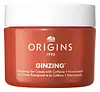
Water, Butylene Glycol, Coco-Caprylate/Caprate, Niacinamide, Glycerin, Panax Ginseng Root Extract, Lactobacillus/Panax Ginseng Root Extract Ferment Filtrate, Caffeine, 3-O-Ethyl Ascorbic Acid, Yeast Extract, Sodium Hyaluronate, Laminaria Saccharina Extract, Sodium PCA, Punica Granatum Sterols, Ceramide NP, Glucosamine Hcl, Oryzanol, Sucrose, Zingiber Officinale Root Extract, Polygonum Cuspidatum Root Extract, Glycine Soja Seed Extract, Hydrolyzed Algin, Sorbitol, Tocopherol, Hydroxyethyl Urea, Tocopheryl Acetate, Xanthan Gum, Ethylhexylglycerin, Dimer Dilinoleyl Dimer Dilinoleate, Carbomer, Caprylyl Glycol, 1,2-Hexanediol, Ammonium Acryloyldimethyltaurate/Vp Copolymer, Sodium Phytate, Sodium Hydroxide, Phenoxyethanol, Citrus Grandis Peel Oil, Citrus Limon Peel Oil, Citrus Aurantium Dulcis Peel Oil, Mentha Viridis Leaf Oil, Limonene, Linalool, Citral
Reviews
Ingredients Explained
These ingredients are found in both products.
Ingredients higher up in an ingredient list are typically present in a larger amount.
Ammonium Acryloyldimethyltaurate/Vp Copolymer is a synthetically created polymer. It's used as a film-forming agent and used to thicken the consistency of products.
Think of it as a supportive ingredient that helps your gel-creams feel silky, "cloud cream-like", and spread evenly without being greasy.
The Cosmetic Ingredient Review (CIR) Expert Panel evaluated it (along with 22 other acryloyldimethyltaurate polymers) and concluded it's:
Due to its large molecular size, it sits on the surface of skin rather than penetrating it.
Learn more about Ammonium Acryloyldimethyltaurate/Vp CopolymerButylene Glycol (or BG) is used within cosmetic products for a few different reasons:
Overall, Butylene Glycol is a safe and well-rounded ingredient that works well with other ingredients.
Though this ingredient works well with most skin types, some people with sensitive skin may experience a reaction such as allergic rashes, closed comedones, or itchiness.
Learn more about Butylene GlycolCaffeine is a naturally occurring plant compound found in coffee beans, tea leaves, cocoa pods, and guarana.
As an antioxidant, caffeine protects your skin from free radical damage caused by UV exposure and envionrmnetal stressors.
Early research also shows that caffeine can help calm redness, soothe irritated skin, and support hair growth by stimulating microcirculation in the scalp.
You might have seen eye creams marketing caffeine as a depuffing ingredient. This is because it is a vasoconstrictor meaning it can temporarily constrict blood vessels, though clinical evidence for this specific use is still limited.
Most skincare products contain this ingredient at concentrations between 1-6%. It is able to penetrate skin easily regardless of skin type or thickness.
Just so you know, a very small number of case reports describe caffeine-induced allergy. This ingredient is generally well-tolerated, non-irritating, and non-sensitizing for the majority of people.
Learn more about CaffeineCaprylyl Glycol is a humectant, skin conditioner, emollient, and preservative booster derived from either caprylic acid or synthetically created.
Typical use levels vary from 0.3-1% as a preservative booster and go up to 2% to condition skin.
Because it is not a free-fatty acid or alcohol, this ingredient is fungal acne safe (there's nothing for Malassezia to feed on).
Learn more about Caprylyl GlycolCitral is the molecule responsible for the fresh lemon scent in lemon, lime, and lemongrass. It is a fragrance ingredient that can be created from plant essential oils or synthetically.
Though Citral has documented antimicrobial activity against acne bacteria (which is where the marketing claims about it being good for acne-prone skin originate), real formulas use it at fragrance-level concentrations under 1% so there's likely no skin benefit.
You should know this ingredient is a known EU fragrance allergen.
Animal studies classifies this ingredient as a weak-to-moderate skin sensitizer and clinical patch testing on eczema patients confirmed it to be both a contact allergen and irritant.
The term 'citral' is a collective term for two geometric isomers: geranial/Citral A and neral/Citral B.
The term 'fragrance' is not regulated in many countries. In many cases, it is up to the brand to define this term. For instance, many brands choose to label themselves as "fragrance-free" because they are not using synthetic fragrances. However, their products may still contain ingredients such as essential oils that are considered a fragrance.
Learn more about CitralCitrus Aurantium Dulcis Peel Oil is oil from the peel of an orange fruit.
Limonene and linalool make up the majority of oils from citrus peels. Limonene has a "citrus" fragrance. Citrus peels also contain flavonoids, which have anti-inflammatory properties.
Citrus peel is also a rich source of flavonoids. Flavonoids are natural antioxidants and help protect your skin against damage. Flavonoids are a group of compounds naturally found in vegetables and fruits.
The term 'fragrance' is not regulated in many countries. In many cases, it is up to the brand to define this term. For instance, many brands choose to label themselves as "fragrance-free" because they are not using synthetic fragrances. However, their products may still contain ingredients such as essential oils that are considered a fragrance.
Learn more about Citrus Aurantium Dulcis Peel OilCitrus Limon Peel Oil is created from the peels of the lemon. It is used to add a lemon-scent to products. Lemon peel oil also has antibacterial, antifungal, and antioxidant properties. However, it may also cause phototoxicity and sensitize skin.
Lemon peel oil contains limonene, a skin sensitizing ingredient. Another component is furanocoumarin, which induces phototoxicity in skin.
Furanocoumarins bind and destabilize your DNA to increase the rate of sunburn.
Most reputable companies will remove furanocoumarins from their formulations.
Learn more about Citrus Limon Peel OilEthylhexylglycerin is created from glycerin. It is a multitasker ingredient that:
The CIR Expert Panel found minimal skin absorption or sensitization of any kind in a safety assessment. Though this ingredient is considered well-tolerated, a small number of cases of allergic dermatitis have been published since 2002. Just be sure to patch test if you are unsure.
Industry-reported use ranges from 8% in rinse-off products and 2% in leave-on formulations.
Learn more about EthylhexylglycerinWe don't have a description for Glucosamine Hcl yet.
Glycerin (or glycerol) is a compound naturally found in your skin. It's a powerhouse humectant that pulls water into the stratum corneum.
Topically, glycerin does several things at once:
Your skin makes glycerin on its own (mostly from sebaceous oil breakdown) and shuttles it to your outermost layer of skin, or your epidermis, via aquaporin-3.
Aquaporin-3 is a transporter that is essential for normal skin hydration, elasticity, and repair. Interestingly, mice lacking in AQP3 have dry and less elastic skin that can be fully corrected with glycerin.
This ingredient is non-irritating, plays well with almost every ingredient, and works across all skin types. Typical use is anywhere between 3-10% but can go up to 79% in some leave-on products.
Just know very high concentrations (>40%) can feel tacky in low humidity.
Glycerin is the name for this ingredient in American English. British English uses Glycerol/Glycerine.
Learn more about GlycerinThis ingredient is made from brown seaweed and is often used to improve the texture of products.
According to a manufacturer, this is a lightweight ingredient and a smaller form of algin. This allows it to be easily mixed with water and improve the spreadability of products.
It also has conditioning properties that mostly sits on the surface of skin as an emollient. Some lab research has explored it in anti-aging formulas, but the results were modest.
Learn more about Hydrolyzed AlginLimonene is a fragrance that adds scent and taste to a formulation.
It's found in the peel oil of citrus fruits and other plants such as lavender and eucalyptus. The scent of limonene is generally described as "sweet citrus".
Limonene acts as an antioxidant, meaning it helps neutralize free radicals.
When exposed to air, oxidized limonene may sensitize the skin. Because of this, limonene is often avoided by people with sensitive skin.
The term 'fragrance' is not regulated in many countries. In many cases, it is up to the brand to define this term. For instance, many brands choose to label themselves as "fragrance-free" because they are not using synthetic fragrances. However, their products may still contain ingredients such as essential oils that are considered a fragrance.
Learn more about LimoneneLinalool is a fragrance and helps add scent to products. It's derived from common plants such as cinnamon, mint, citrus, and lavender.
Like Limonene, this ingredient oxidizes when exposed to air. Oxidized linalool can cause allergies and skin sensitivity.
This ingredient has a scent that is floral, spicy tropical, and citrus-like.
Learn more about LinaloolPhenoxyethanol is a preservative that has germicide, antimicrobial, and aromatic properties. Studies show that phenoxyethanol can prevent microbial growth. By itself, it has a scent that is similar to that of a rose.
It's often used in formulations along with Caprylyl Glycol to preserve the shelf life of products.
Sodium Hyaluronate is the salt form of hyaluronic acid. It is a long sugar chain that is naturally found in your skin, joints, and connective tissue that maintains hydration and elasticity.
In skincare, it works as a humectant. It pulls water from the environment and deeper layers of skin and binds it to the surface.
Interestingly, the size of the molecule affects its behavior:
Some clinical evidence links low molecular weight versions to improved wrinkle depth, elasticity, anti-inflammatory effects, and barrier repair.
Many serums use a blend of both weights so you can get surface hydration plus longer-lasting and deeper effects.
You'll typically see concentrations between 0.1-2% for this ingredient.
Learn more about Sodium HyaluronateSodium PCA is the sodium salt of pyroglutamic acid. It is naturally occurring in our skin's natural moisturizing factors where it works to maintain hydration.
The PCA stands for pyrrolidone carboxylic acid, a natural amino acid derivative.
This ingredient has skin conditioning, anti-inflammatory, and humectant properties. Humectants help hydrate your skin by drawing moisture from the air. This helps keep your skin moisturized.
Learn more about Sodium PCATocopheryl Acetate is AKA Vitamin E. It is an antioxidant and protects your skin from free radicals. Free radicals damage the skin by breaking down collagen.
One study found using Tocopheryl Acetate with Vitamin C decreased the number of sunburned cells.
Tocopheryl Acetate is commonly found in both skincare and dietary supplements.
Learn more about Tocopheryl AcetateWater. It's the most common cosmetic ingredient of all. You'll usually see it at the top of ingredient lists, meaning that it makes up the largest part of the product.
So why is it so popular? Water most often acts as a solvent - this means that it helps dissolve other ingredients into the formulation.
You'll also recognize water as that liquid we all need to stay alive. If you see this, drink a glass of water. Remember to stay hydrated!
Learn more about Water
