Olehenriksen Strength Trainer Peptide Boost Moisturizer Versus Olehenriksen HydraBarrier Nourishing Face Oil
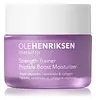
This barrier-repair moisturizer is formulated around Niacinamide and Acetyl Hexapeptide-8 to strengthen the skin barrier and soften the look of wrinkles.
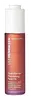
This barrier-repair oil is formulated around Rosa Canina Seed Oil and Squalane to strengthen the skin barrier and hydrate skin.

What's inside
What's inside
 Key Ingredients
Benefits
Concerns
Ingredients Side-by-side
Water
Skin ConditioningPropanediol
Solvent

Dicaprylyl Carbonate
EmollientGlycerin
Humectant
Methylpropanediol
SolventCetearyl Alcohol
Emollient






Stearyl Alcohol
Emollient
Mangifera Indica Seed Butter
Skin Conditioning
Niacinamide
Smoothing









Acetyl Hexapeptide-1
Skin Conditioning
Acetyl Hexapeptide-8
Humectant
Acetyl Octapeptide-3
Humectant
Acetyl Tetrapeptide-2
Skin Conditioning
Acetyl Dipeptide-1 Cetyl Ester
Skin Conditioning
Palmitoyl Tripeptide-1
Skin Conditioning
Palmitoyl Tetrapeptide-7
Skin Conditioning
Carnosine
Skin Conditioning
Ceramide NP
Skin Conditioning
Ceramide AP
Skin Conditioning
Ceramide EOP
Skin Conditioning
Collagen
Moisturising
Serine
Masking
Alanine
Masking
Glycine
Buffering
Glutamic Acid
Humectant
Lysine Hcl
Skin Conditioning
Threonine
Arginine
Masking
Proline
Skin Conditioning
Hyaluronic Acid
Humectant
Sodium Hyaluronate
Humectant
Linoleic Acid
Cleansing
Linolenic Acid
Cleansing

Sodium PCA
Humectant
Sodium Lactate
Buffering
Panthenol
Skin Conditioning
Tocopherol
Antioxidant

Tocopheryl Acetate
Antioxidant
Betaine
Humectant
PCA
Humectant
Cyanocobalamin
Skin ConditioningXylitol
Humectant
Anhydroxylitol
Humectant
Xylitylglucoside
Humectant
Sorbitan Olivate
Emulsifying
Carbomer
Emulsion StabilisingHydroxyethylcellulose
Emulsion StabilisingXanthan Gum
EmulsifyingCetearyl Olivate
Sorbitan Laurate
Emulsifying
Phytosphingosine
Skin Conditioning
Cholesterol
Emollient
Polysorbate 60
Emulsifying
Butylene Glycol
Humectant
Hydroxyacetophenone
Antioxidant
Glycine Soja Oil
Emollient
Acrylates/C10-30 Alkyl Acrylate Crosspolymer
Emulsion StabilisingPolysorbate 20
Emulsifying
Ammonium Acryloyldimethyltaurate/Beheneth-25 Methacrylate Crosspolymer
Emulsion StabilisingDimethicone
Emollient
Sodium Phytate
ChelatingSodium Lauroyl Lactylate
EmulsifyingPentaerythrityl Tetra-Di-T-Butyl Hydroxyhydrocinnamate
Antioxidant
Leuconostoc/Radish Root Ferment Filtrate
Antimicrobial
Citric Acid
Buffering
Caprylyl Glycol
Emollient
Ethylhexylglycerin
Skin ConditioningPhenoxyethanol
Preservative
Parfum
Masking
Citral
Perfuming
Limonene
Perfuming
Linalool
Perfuming
Water, Propanediol, Dicaprylyl Carbonate, Glycerin, Methylpropanediol, Cetearyl Alcohol, Stearyl Alcohol, Mangifera Indica Seed Butter, Niacinamide, Acetyl Hexapeptide-1, Acetyl Hexapeptide-8, Acetyl Octapeptide-3, Acetyl Tetrapeptide-2, Acetyl Dipeptide-1 Cetyl Ester, Palmitoyl Tripeptide-1, Palmitoyl Tetrapeptide-7, Carnosine, Ceramide NP, Ceramide AP, Ceramide EOP, Collagen, Serine, Alanine, Glycine, Glutamic Acid, Lysine Hcl, Threonine, Arginine, Proline, Hyaluronic Acid, Sodium Hyaluronate, Linoleic Acid, Linolenic Acid, Sodium PCA, Sodium Lactate, Panthenol, Tocopherol, Tocopheryl Acetate, Betaine, PCA, Cyanocobalamin, Xylitol, Anhydroxylitol, Xylitylglucoside, Sorbitan Olivate, Carbomer, Hydroxyethylcellulose, Xanthan Gum, Cetearyl Olivate, Sorbitan Laurate, Phytosphingosine, Cholesterol, Polysorbate 60, Butylene Glycol, Hydroxyacetophenone, Glycine Soja Oil, Acrylates/C10-30 Alkyl Acrylate Crosspolymer, Polysorbate 20, Ammonium Acryloyldimethyltaurate/Beheneth-25 Methacrylate Crosspolymer, Dimethicone, Sodium Phytate, Sodium Lauroyl Lactylate, Pentaerythrityl Tetra-Di-T-Butyl Hydroxyhydrocinnamate, Leuconostoc/Radish Root Ferment Filtrate, Citric Acid, Caprylyl Glycol, Ethylhexylglycerin, Phenoxyethanol, Parfum, Citral, Limonene, Linalool
Sambucus Nigra Seed Oil
Rosa Canina Seed Oil
Emollient
Crambe Abyssinica Seed Oil
Skin Conditioning
Squalane
Emollient
Tocopheryl Acetate
Antioxidant
Salvia Hispanica Seed Oil
Emollient
Ribes Nigrum Seed Oil
Emollient
Rubus Chamaemorus Seed Oil
Skin Conditioning
Vaccinium Vitis-Idaea Seed Oil
Antioxidant
Palmitoyl Hexapeptide-12
Skin Conditioning
Palmitoyl Tetrapeptide-7
Skin Conditioning
Palmitoyl Tripeptide-1
Skin Conditioning
Linoleic Acid
Cleansing
Linolenic Acid
Cleansing
Tocopherol
Antioxidant
Lithospermum Erythrorhizon Root Extract
Skin ConditioningRosmarinus Officinalis Leaf Extract
AntimicrobialHelianthus Annuus Seed Oil
Emollient
Caprylic/Capric Triglyceride
Masking
Pentaerythrityl Tetraisostearate
Emollient
Propylene Carbonate
SolventStearalkonium Hectorite
Gel FormingParfum
Masking
Citral
Perfuming
Limonene
Perfuming
Linalool
Perfuming
Sambucus Nigra Seed Oil, Rosa Canina Seed Oil, Crambe Abyssinica Seed Oil, Squalane, Tocopheryl Acetate, Salvia Hispanica Seed Oil, Ribes Nigrum Seed Oil, Rubus Chamaemorus Seed Oil, Vaccinium Vitis-Idaea Seed Oil, Palmitoyl Hexapeptide-12, Palmitoyl Tetrapeptide-7, Palmitoyl Tripeptide-1, Linoleic Acid, Linolenic Acid, Tocopherol, Lithospermum Erythrorhizon Root Extract, Rosmarinus Officinalis Leaf Extract, Helianthus Annuus Seed Oil, Caprylic/Capric Triglyceride, Pentaerythrityl Tetraisostearate, Propylene Carbonate, Stearalkonium Hectorite, Parfum, Citral, Limonene, Linalool
Reviews
Ingredients Explained
These ingredients are found in both products.
Ingredients higher up in an ingredient list are typically present in a larger amount.
Citral is the molecule responsible for the fresh lemon scent in lemon, lime, and lemongrass. It is a fragrance ingredient that can be created from plant essential oils or synthetically.
Though Citral has documented antimicrobial activity against acne bacteria (which is where the marketing claims about it being good for acne-prone skin originate), real formulas use it at fragrance-level concentrations under 1% so there's likely no skin benefit.
You should know this ingredient is a known EU fragrance allergen.
Animal studies classifies this ingredient as a weak-to-moderate skin sensitizer and clinical patch testing on eczema patients confirmed it to be both a contact allergen and irritant.
The term 'citral' is a collective term for two geometric isomers: geranial/Citral A and neral/Citral B.
The term 'fragrance' is not regulated in many countries. In many cases, it is up to the brand to define this term. For instance, many brands choose to label themselves as "fragrance-free" because they are not using synthetic fragrances. However, their products may still contain ingredients such as essential oils that are considered a fragrance.
Learn more about CitralLimonene is the compound that gives citrus peel its smell.
In skincare, it shows up as a standalone fragrance ingredient or as a natural compound of citrus and other essential oils.
You'll typically see this ingredient used in very small amounts; anything above 0.001% in a leave-on product or 0.01% in a rinse-off has to be named on the label in the EU. The citrus oils that carry it sit around 0.5-1% in a finished formula.
Fresh limonene is a weak allergen; the real issue is that it slowly reacts with air and then breaks down from oxidation to create hydroperoxides (which are strong sensitizers). This is why suppliers are required to keep the peroxide value below 20 mmol.
Positive reactions in people being investigated for eczema vary:
It's worth skipping if you have a known fragrance allergy or a compromised barrier, but the risk is low for most people.
Older or long-opened products are also more likely to bother you than fresh ones due to oxidation.
Learn more about LimoneneLinalool is a small, naturally occurring scent molecule found in plants like lavender, coriander, bergamot, and more.
It is one of the two most-used fragrance ingredients in cosmetics and added purely for smell. Since it's not used for a skin benefit, there's no "effective dose". Concentration depends on the fragrance load of the product.
The EU requires it to be named on the label above 0.001% in leave-on and 0.01% in rinse-off products.
Fresh linalool is a weak sensitizer but air exposure turns some of it into hydroperoxides, which are strong sensitizers. Those oxidation products are the actual allergy concern.
Patch-test clinics see positive reactions to linalool hydroperoxides in about 4% to 12% of dermatitis patients depending on country and test concentration.
Resassuringly, one analytical study found hydroperoxide levels in real fragranced products to be orders of magnitude below what induced sensitization in animal studies with no evidence of oxidation building up during normal storage.
The practical takeaway is that linalool is fine for most people but worth avoiding if you have a confirmed fragrance contact allergy or a badly compromised barrier.
Products stored a long time after opening are also the high-risk scenario since that is when oxidation happens.
The scent of linalool is described as floral, spicy tropical, and citrus-like.
Learn more about LinaloolLinoleic Acid is also known as Vitamin F. It is a fatty acid with emollient and skin conditioning properties.
Our top layer of skin, or epidermis, naturally contains high amounts of linoleic acid.
Your body uses linoleic acid to build ceramides and prostaglandins. Ceramides keep your skin's barrier hydrated and strong while prosaglandins help control inflammation and healing.
Needless to say, linoleic acid is crucial for having a strong skin barrier.
One study found applying linoleic acid rich sunflower oil to be more effective at repairing the skin barrier than olive oil.
This ingredient can also help treat acne by softening sebum to prevent clogged pores. Another study found using 2.5% linoleic acid gel for 4 weeks showed a 25% reduction in small comedones.
Studies show it can also help lighten hyperpigmentation or sun spots by disrupting the melanin production process. It also helps your skin shed melanin pigment from your skin caused by UV exposure.
Due to its role in the production of the fatty acid prostaglandin, linoleic acid can also help reduce inflammation and support wound healing.
Fun fact: Linoleic acid is an essential fatty acid. This means our bodies cannot create it on its own and we need to get it through foods such as nuts and vegetable oils.
Just know this ingredient is not always fungal-acne safe because it is a long-chain fatty acid (with 18 carbon atoms) that directly feeds the Malassezia yeast responsible for fungal acne.
Learn more about Linoleic AcidLinolenic Acid is also known as "ALA" or alpha-linolenic acid. It is a key fatty acid.
Our skin uses this ingredient for maintaining a healthy skin barrier, regulating inflammation, and supporting keratinocyte function.
ALA is a great skin hydrator because it has the ability to restore lipids in our stratum corneum, or outermost layer of our skin; it also helps prevent transepidermal water loss.
This ingredient also helps soothe irritated skin by downregulating inflammation.
Chia seed oil is one of the highest natural sources of ALA. Research shows topical chia seed oil significantly improves skin hydration, reduces itch, and strengthens the barrier in both healthy and extremely dry skin.
Additionally, in-vivo and in-vitro studies show ALA exhibits antioxidant properties, reduces UV-induced inflammation, and supports wound healing.
Early research showed a fatty-acid deficiency in animals leads to abnormal skin barrier function. It is believed a deficiency in linolenic acid may be linked to skin disorders like eczema.
Fun fact: This ingredient is considered an essential fatty acid for humans. This means our bodies cannot naturally produce it and we must get it from food. Some foods rich in linolenic acid include walnuts, fish oils, soy, and canola.
Learn more about Linolenic AcidPalmitoyl Tetrapeptide-7 (formerly Palmitoyl Tetrapeptide-3) is a synthetic peptide. Its main job is to fight what researchers call "inflammaging".
"Inflammaging" is the slow, low-grade chronic inflammation that quietly breaks down collagen as we age.
This ingredient calms down a specific inflammation signal in your skin cells (called IL-6). When left unchecked, this signal triggers enzymes that break down collagen and elastin.
Clinical testing showed statistically significant improvements in:
Studies also found the more of this ingredient used, the more your skin produces Collagen I, fibronectin, and hyaluronic acid.
You'll likely see this ingredient paired with Palmitoyl Tripeptide-1 in the well-known Matrixyl 3000 complex for enhanced anti-aging effects.
A 3% concentration applied twice daily for two months showed meaningful skin rejuvenation results in clinical panels.
Fungal acne note:
Usually a palmitic acid component can feed Malassezia in unbound form, but here is is covalently bonded to the peptide. This means it is very difficult for Malassezia to access, and therefore very unlikely to cause fungal acne.
Palmitoyl Tripeptide-1 (aka Pal-GHK) is a synthetic signal peptide made of three amino acids attached to palmitic acid.
That fatty acid attachment is the key: it boosts the peptide's ability to penetrate the skin barrier. This puts it closer to the dermal cells where it can actually make a difference.
Once there, it acts as a matrikine, a signaling peptide that prompts fibroblasts to produce more collagen, fibronectin, and hyaluronic acid.
In vitro studies show it can boost collagen production in skin cells even when UV-damaged skin samples were treated with it at a tiny concentration (it almost fully restored dermal collagen at 5ppm). It achieved this at 100x lower concentration than retinoic acid, which needed 500 ppm to do the same thing.
Human clinical data is promising, but modest:
A study of 23 female volunteers found a small but statistically significant increase (~4%) in skin thickness after treatment at 4 ppm.
A separate small trial of 15 women showed statistically significant reductions in wrinkle length, depth, and skin roughness after applying it twice daily for four weeks.
You'll likely see Pal-GHK paired with Palmitoyl Tetrapeptide-7 as part of the Matrixyl 3000 complex.
Fungal acne note:
Usually a palmitic acid component can feed Malassezia in unbound form, but here is is covalently bonded to the peptide. This means it is very difficult for Malassezia to access, and therefore very unlikely to cause fungal acne.
Parfum is a catch-all term for an ingredient or more that is used to give a scent to products.
Also called "fragrance", this ingredient can be a blend of hundreds of chemicals or plant oils. This means every product with "fragrance" or "parfum" in the ingredients list is a different mixture.
For instance, Habanolide is a proprietary trade name for a specific aroma chemical. When used as a fragrance ingredient in cosmetics, most aroma chemicals fall under the broad labeling category of “FRAGRANCE” or “PARFUM” according to EU and US regulations.
The term 'parfum' or 'fragrance' is not regulated in many countries. In many cases, it is up to the brand to define this term.
For instance, many brands choose to label themselves as "fragrance-free" because they are not using synthetic fragrances. However, their products may still contain ingredients such as essential oils that are considered a fragrance by INCI standards.
One example is Calendula flower extract. Calendula is an essential oil that still imparts a scent or 'fragrance'.
Depending on the blend, the ingredients in the mixture can cause allergies and sensitivities on the skin. Some ingredients that are known EU allergens include linalool and citronellol.
Parfum can also be used to mask or cover an unpleasant scent.
The bottom line is: not all fragrances/parfum/ingredients are created equally. If you are worried about fragrances, we recommend taking a closer look at an ingredient. And of course, we always recommend speaking with a professional.
Learn more about ParfumTocopherol is a fat-soluble antioxidant known as Vitamin E.
You'll find this ingredient in the vast majority of skincare (for good reason). It works to neutralize free radicals, or unstable molecules generated by UV exposure, pollution, and other environmental stressors, before they can cause oxidative damage to your skin cells.
Topically applied tocopherol has been shown to protect against UV damage by ramping up the skin's own natural defense enzymes.
It also acts as a skin conditioning agent; some studies show that regular topical use can improve the skin's water-binding capacity over 2-4 weeks.
This ingredient is especially loved for being a team player. When combined with Vitamin C, the photoprotective effect of both ingredients roughly doubles and the combo also helps reduce UV-induced DNA damage.
This ingredient has some brightening potential but it's more of a prevention ingredient than spot-fader. Cell studies show it can slow down melanin production but it's worth noting that it's not the most powerful brightener out there.
In formulations, it also serves as a stabilizer that helps protect other oxidation-prone ingredients from degrading.
Concentrations usually range from 0.1-1% in most leave-on products.
Learn more about TocopherolTocopheryl Acetate is a stable, shelf-friendly form of vitamin E.
Formulators love it because plain vitamin E oxidizes quickly once it hits air. This acetate version stays stable and resists going off, helping to extend a product's shelf life.
It's actually inactive on its own and works like a slow-release "storage" form; the enzymes in your skin called esterases gradually convert it into active vitamin E over time.
One in vivo study showed 5% of the acetate in the living layer of the epidermis converted to vitamin E after 5 days of application. This study also found the skin gained protection against UV damage even though the conversion was slow and small.
Once converted, vitamin E acts as a skin's main fat-soluble antioxidant that fights free radicals to protect skin from damage.
Topical vitamin E generally boosts the skin's photoprotection, and it reduced UV-damage in animal models.
This ingredient has some brightening potential but it's more of a prevention ingredient than spot-fader. Cell studies show it can slow down melanin production but it's worth noting that it's not the most powerful brightener out there.
Overall, it has a pretty solid safety profile and has been found to be non-irritating and non-comedogenic. Allergic reactions may happen but stay rare due to how widely the ingredient gets used.
The concentration will vary depending on the formula; industry data shows 0.1% in baby lotions, 3% in lipsticks, and 5% in foot powders. You can also find this ingredient at 100% in a pure vitamin E oil.
Most leave-on skincare keeps it at the lower end, often between 0.5-1%.
Learn more about Tocopheryl Acetate

