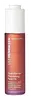
This barrier-repair oil is formulated around Rosa Canina Seed Oil and Squalane to strengthen the skin barrier and hydrate skin.
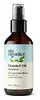
This hydrating oil is formulated around Tocopheryl Acetate and Rosa Canina Seed Oil to hydrate skin and brighten dull-looking skin.


What's inside
What's inside
 Key Ingredients
Benefits
Concerns
Ingredients Side-by-side
Sambucus Nigra Seed Oil

Rosa Canina Seed Oil
Emollient


Crambe Abyssinica Seed Oil
Skin Conditioning
Squalane
Emollient

Tocopheryl Acetate
Antioxidant


Salvia Hispanica Seed Oil
Emollient
Ribes Nigrum Seed Oil
Emollient
Rubus Chamaemorus Seed Oil
Skin Conditioning
Vaccinium Vitis-Idaea Seed Oil
Antioxidant
Palmitoyl Hexapeptide-12
Skin Conditioning
Palmitoyl Tetrapeptide-7
Skin Conditioning

Palmitoyl Tripeptide-1
Skin Conditioning
Linoleic Acid
Cleansing

Linolenic Acid
Cleansing

Tocopherol
Antioxidant
Lithospermum Erythrorhizon Root Extract
Skin ConditioningRosmarinus Officinalis Leaf Extract
AntimicrobialHelianthus Annuus Seed Oil
Emollient
Caprylic/Capric Triglyceride
Masking
Pentaerythrityl Tetraisostearate
Emollient
Propylene Carbonate
SolventStearalkonium Hectorite
Gel FormingParfum
Masking

Citral
Perfuming
Limonene
Perfuming
Linalool
Perfuming
Sambucus Nigra Seed Oil, Rosa Canina Seed Oil, Crambe Abyssinica Seed Oil, Squalane, Tocopheryl Acetate, Salvia Hispanica Seed Oil, Ribes Nigrum Seed Oil, Rubus Chamaemorus Seed Oil, Vaccinium Vitis-Idaea Seed Oil, Palmitoyl Hexapeptide-12, Palmitoyl Tetrapeptide-7, Palmitoyl Tripeptide-1, Linoleic Acid, Linolenic Acid, Tocopherol, Lithospermum Erythrorhizon Root Extract, Rosmarinus Officinalis Leaf Extract, Helianthus Annuus Seed Oil, Caprylic/Capric Triglyceride, Pentaerythrityl Tetraisostearate, Propylene Carbonate, Stearalkonium Hectorite, Parfum, Citral, Limonene, Linalool


Reviews
Ingredients Explained
These ingredients are found in both products.
Ingredients higher up in an ingredient list are typically present in a larger amount.
Rosa Canina Seed Oil is a plant oil that is one of the two main oils sold as "rosehip oil".
It's a lightweight emollient that's especially high in fatty acids like linoleic acid (~54%), linoleic acid (~19%), plus some oleic. The exact percentages vary quite a bit by species, region, and growing conditions.
These fatty acids make it a solid choice for supporting the skin barrier and softening skin.
On the evidence front, a 2024 review on postsurgical scarring found this ingredient to be safe with benefits for scar redness, texture, and pigmentation. It's worth noting the human data is still limited and more trials are needed so it's reasonable to be optimistic but not expect miracles.
This ingredient has been found safe in current practices of use and concentration, with the only caveat that it could contain fragrance allergens (linalool and eugenol).
Fungal acne: The fatty acids of this oil fall into the C11-24 range that Malassezia yeast can metabolize, so this ingredient may not be fungal acne safe.
Learn more about Rosa Canina Seed OilTocopheryl Acetate is a stable, shelf-friendly form of vitamin E.
Formulators love it because plain vitamin E oxidizes quickly once it hits air. This acetate version stays stable and resists going off, helping to extend a product's shelf life.
It's actually inactive on its own and works like a slow-release "storage" form; the enzymes in your skin called esterases gradually convert it into active vitamin E over time.
One in vivo study showed 5% of the acetate in the living layer of the epidermis converted to vitamin E after 5 days of application. This study also found the skin gained protection against UV damage even though the conversion was slow and small.
Once converted, vitamin E acts as a skin's main fat-soluble antioxidant that fights free radicals to protect skin from damage.
Topical vitamin E generally boosts the skin's photoprotection, and it reduced UV-damage in animal models.
This ingredient has some brightening potential but it's more of a prevention ingredient than spot-fader. Cell studies show it can slow down melanin production but it's worth noting that it's not the most powerful brightener out there.
Overall, it has a pretty solid safety profile and has been found to be non-irritating and non-comedogenic. Allergic reactions may happen but stay rare due to how widely the ingredient gets used.
The concentration will vary depending on the formula; industry data shows 0.1% in baby lotions, 3% in lipsticks, and 5% in foot powders. You can also find this ingredient at 100% in a pure vitamin E oil.
Most leave-on skincare keeps it at the lower end, often between 0.5-1%.
Learn more about Tocopheryl Acetate

