
What's inside
What's inside
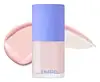 Key Ingredients
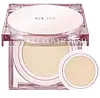
Benefits
Concerns
Ingredients Side-by-side
Water
Skin ConditioningDibutyl Adipate
EmollientCI 77891
Cosmetic ColorantDipropylene Glycol
HumectantC12-15 Alkyl Benzoate
AntimicrobialCoco-Caprylate/Caprate
Emollient
Isononyl Isononanoate
EmollientDiethylamino Hydroxybenzoyl Hexyl Benzoate
UV Filter
Phenethyl Benzoate
Emollient

Glycerin
Humectant


Sodium Hyaluronate
Humectant


Opuntia Coccinellifera Fruit Extract
Skin ConditioningChitosan
Hydrolyzed Hyaluronic Acid
Humectant
Hyaluronic Acid
Humectant
Bis-Ethylhexyloxyphenol Methoxyphenyl Triazine
UV Absorber
Ethylhexyl Triazone
UV Absorber
Polysilicone-15
UV Filter
Terephthalylidene Dicamphor Sulfonic Acid
UV Absorber
Propanediol
Solvent
Pentylene Glycol
Skin Conditioning
1,2-Hexanediol
Skin Conditioning
Polyhydroxystearic Acid
Emulsifying

Poly C10-30 Alkyl Acrylate
Emulsion StabilisingPolyglyceryl-3 Methylglucose Distearate
Emulsifying
Bisabolol
Antioxidant

Potassium Cetyl Phosphate
EmulsifyingTromethamine
BufferingAluminum Hydroxide
EmollientHydroxyethyl Urea
Humectant
Sodium Polyacryloyldimethyl Taurate
Emulsion StabilisingHydroxyacetophenone
Antioxidant
Panthenol
Skin Conditioning
Stearic Acid
Cleansing
Isododecane
EmollientOctyldodecanol
Emollient
Hydroxyethyl Acrylate/Sodium Acryloyldimethyl Taurate Copolymer
Emulsion StabilisingSorbitan Isostearate
Emulsifying
Polyglyceryl-4 Isostearate
Emulsifying
Polyglyceryl-2 Dipolyhydroxystearate
Skin Conditioning
Hydroxypropyl Methylcellulose Stearoxy Ether
Polyacrylate Crosspolymer-6
Emulsion StabilisingIsopropyl Titanium Triisostearate
Emollient
Adenosine
Skin Conditioning
Biosaccharide Gum-1
Humectant
Sodium Lauroyl Glutamate
SurfactantAcetyl Glucosamine
Skin Conditioning

Lysine
Skin ConditioningMagnesium Chloride
Sodium Hyaluronate Crosspolymer
Humectant
Caprylyl Glycol
Emollient
Butylene Glycol
Humectant
Hydrogenated Lecithin
Emulsifying
Benzyl Glycol
SolventHydrolyzed Glycosaminoglycans
HumectantCholesterol
Emollient
Hydroxypropyltrimonium Hyaluronate
Ethylhexylglycerin
Skin ConditioningCeramide NP
Skin Conditioning
Sodium Acetylated Hyaluronate
Humectant
Hydrolyzed Sodium Hyaluronate
Skin Conditioning
Potassium Hyaluronate
Skin ConditioningBehenyl Alcohol
Emollient
Disodium EDTA
Xanthan Gum
EmulsifyingParfum
Masking

Alpha-Isomethyl Ionone
Perfuming
Linalool
Perfuming
CI 77491
Cosmetic ColorantWater, Dibutyl Adipate, CI 77891, Dipropylene Glycol, C12-15 Alkyl Benzoate, Coco-Caprylate/Caprate, Isononyl Isononanoate, Diethylamino Hydroxybenzoyl Hexyl Benzoate, Phenethyl Benzoate, Glycerin, Sodium Hyaluronate, Opuntia Coccinellifera Fruit Extract, Chitosan, Hydrolyzed Hyaluronic Acid, Hyaluronic Acid, Bis-Ethylhexyloxyphenol Methoxyphenyl Triazine, Ethylhexyl Triazone, Polysilicone-15, Terephthalylidene Dicamphor Sulfonic Acid, Propanediol, Pentylene Glycol, 1,2-Hexanediol, Polyhydroxystearic Acid, Poly C10-30 Alkyl Acrylate, Polyglyceryl-3 Methylglucose Distearate, Bisabolol, Potassium Cetyl Phosphate, Tromethamine, Aluminum Hydroxide, Hydroxyethyl Urea, Sodium Polyacryloyldimethyl Taurate, Hydroxyacetophenone, Panthenol, Stearic Acid, Isododecane, Octyldodecanol, Hydroxyethyl Acrylate/Sodium Acryloyldimethyl Taurate Copolymer, Sorbitan Isostearate, Polyglyceryl-4 Isostearate, Polyglyceryl-2 Dipolyhydroxystearate, Hydroxypropyl Methylcellulose Stearoxy Ether, Polyacrylate Crosspolymer-6, Isopropyl Titanium Triisostearate, Adenosine, Biosaccharide Gum-1, Sodium Lauroyl Glutamate, Acetyl Glucosamine, Lysine, Magnesium Chloride, Sodium Hyaluronate Crosspolymer, Caprylyl Glycol, Butylene Glycol, Hydrogenated Lecithin, Benzyl Glycol, Hydrolyzed Glycosaminoglycans, Cholesterol, Hydroxypropyltrimonium Hyaluronate, Ethylhexylglycerin, Ceramide NP, Sodium Acetylated Hyaluronate, Hydrolyzed Sodium Hyaluronate, Potassium Hyaluronate, Behenyl Alcohol, Disodium EDTA, Xanthan Gum, Parfum, Alpha-Isomethyl Ionone, Linalool, CI 77491
Water
Skin ConditioningTitanium Dioxide
Cosmetic Colorant
Diphenylsiloxy Phenyl Trimethicone
Skin Conditioning
Homosalate
Skin Conditioning
Ethylhexyl Salicylate
UV Absorber
Phenyl Trimethicone
Skin Conditioning
Trimethylsiloxysilicate
Emollient
Butylene Glycol
Humectant
Glycerin
Humectant
Propylene Glycol Dibenzoate
Skin ConditioningLauryl PEG-10 Tris(Trimethylsiloxy)Silylethyl Dimethicone
Emulsifying
Acrylates/Dimethicone Copolymer
Skin Conditioning
Niacinamide
Smoothing




Cetyl PEG/PPG-10/1 Dimethicone
Emulsifying
Cyclopentasiloxane
Emollient
Polymethylsilsesquioxane
Rosa Damascena Flower Water
Masking
Chamomilla Recutita Flower Water
MaskingDisteardimonium Hectorite
StabilisingDimethicone
Emollient
Cyclohexasiloxane
Emollient
Magnesium Sulfate
Sorbitan Sesquioleate
Emulsifying
Tribehenin
Emollient
Glyceryl Behenate/Eicosadioate
Emollient
1,2-Hexanediol
Skin Conditioning
Triethoxycaprylylsilane
Dimethicone/Vinyl Dimethicone Crosspolymer
Skin Conditioning
Aluminum Hydroxide
EmollientCaprylyl Glycol
Emollient
Silica Dimethyl Silylate
EmollientEthylhexylglycerin
Skin ConditioningAdenosine
Skin Conditioning
Panthenol
Skin Conditioning
Caesalpinia Spinosa Fruit Extract
Skin ProtectingTocopherol
Antioxidant
Kappaphycus Alvarezii Extract
Skin Conditioning
Sodium Hyaluronate Crosspolymer
Humectant
Pentaerythrityl Tetra-Di-T-Butyl Hydroxyhydrocinnamate
Antioxidant
Hydroxypropyltrimonium Hyaluronate
Sodium Acetylated Hyaluronate
Humectant
Hydrolyzed Hyaluronic Acid
Humectant
Hyaluronic Acid
Humectant
Potassium Hyaluronate
Skin ConditioningCI 77891
Cosmetic ColorantCI 77491
Cosmetic ColorantCI 77492
Cosmetic ColorantCI 77499
Cosmetic ColorantParfum
Masking
Water, Titanium Dioxide, Diphenylsiloxy Phenyl Trimethicone, Homosalate, Ethylhexyl Salicylate, Phenyl Trimethicone, Trimethylsiloxysilicate, Butylene Glycol, Glycerin, Propylene Glycol Dibenzoate, Lauryl PEG-10 Tris(Trimethylsiloxy)Silylethyl Dimethicone, Acrylates/Dimethicone Copolymer, Niacinamide, Cetyl PEG/PPG-10/1 Dimethicone, Cyclopentasiloxane, Polymethylsilsesquioxane, Rosa Damascena Flower Water, Chamomilla Recutita Flower Water, Disteardimonium Hectorite, Dimethicone, Cyclohexasiloxane, Magnesium Sulfate, Sorbitan Sesquioleate, Tribehenin, Glyceryl Behenate/Eicosadioate, 1,2-Hexanediol, Triethoxycaprylylsilane, Dimethicone/Vinyl Dimethicone Crosspolymer, Aluminum Hydroxide, Caprylyl Glycol, Silica Dimethyl Silylate, Ethylhexylglycerin, Adenosine, Panthenol, Caesalpinia Spinosa Fruit Extract, Tocopherol, Kappaphycus Alvarezii Extract, Sodium Hyaluronate Crosspolymer, Pentaerythrityl Tetra-Di-T-Butyl Hydroxyhydrocinnamate, Hydroxypropyltrimonium Hyaluronate, Sodium Acetylated Hyaluronate, Hydrolyzed Hyaluronic Acid, Hyaluronic Acid, Potassium Hyaluronate, CI 77891, CI 77491, CI 77492, CI 77499, Parfum
Reviews
Ingredients Explained
These ingredients are found in both products.
Ingredients higher up in an ingredient list are typically present in a larger amount.
1,2-Hexanediol is a synthetic liquid and another multi-functional powerhouse.
It is a:
- Humectant, drawing moisture into the skin
- Emollient, helping to soften skin
- Solvent, dispersing and stabilizing formulas
- Preservative booster, enhancing the antimicrobial activity of other preservatives
Adenosine is a purine nucleoside that your body already makes in every cell. In skincare, it acts mainly as a skin conditioning and anti-aging agent.
The way it works is fairly well mapped out:
Your skin has cells called fibroblasts that build collagen (the stuff that keeps skin firm and smooth). Adenosine basically flips a switch on these cells that tells them to get to work making more collagen and other proteins. These cells slow down on their own as skin ages, so Adenosine helps give them a little nudge to keep going.
The clinical backing is pretty solid too.
A blind, randomized, placebo-controlled trial of 126 women aged 45-65 tested a 0.1% cream twice daily and found real improvements in crow's feet and frown lines using a precise 3D skin-mapping technique; these changes showed up by week 3 and held at 2 months.
A later study using Adenosine-loaded dissolving microneedle patches reported gains in wrinkle depth, dermal density, elasticity, and hydration.
On concentrations, South Korea's Ministry of Food and Drug Safety has set 0.04% as the approved functional anti-wrinkle level. You'll typically see this ingredient used somewhere in the 0.04-0.1% range since it works at low doses.
This ingredient has been found safe for cosmetics with the data showing no irritation or sensitization.
Overall, this is a great ingredient for any anti-aging routine and has no photosensitizing effect, so it suits both AM and PM use.
Learn more about AdenosineAluminum Hydroxide is a form of aluminum. It can be naturally found in nature as the mineral gibbsite. In cosmetics, Aluminum Hydroxide is used as a colorant, pH adjuster, and absorbent.
As a colorant, Aluminum Hydroxide may add opacity, or reduce the transparency. Aluminum hydroxide is contains both basic and acidic properties.
According to manufacturers, this ingredient is an emollient and humectant. This means it helps hydrate the skin.
In medicine, this ingredient is used to help relieve heartburn and help heal ulcers.
There is currently no credible scientific evidence linking aluminum hydroxide in cosmetics to increased cancer risk.
Major health organizations allow the use of aluminum hydroxide in personal care products and have not flagged it as a carcinogenic risk at typical usage levels.
Learn more about Aluminum HydroxideButylene Glycol (or BG) is used within cosmetic products for a few different reasons:
Overall, Butylene Glycol is a safe and well-rounded ingredient that works well with other ingredients.
Though this ingredient works well with most skin types, some people with sensitive skin may experience a reaction such as allergic rashes, closed comedones, or itchiness.
Learn more about Butylene GlycolCaprylyl Glycol is a humectant, skin conditioner, emollient, and preservative booster derived from either caprylic acid or synthetically created.
Typical use levels vary from 0.3-1% as a preservative booster and go up to 2% to condition skin.
Because it is not a free-fatty acid, this ingredient is fungal acne safe (there's nothing for Malassezia to feed on).
Learn more about Caprylyl GlycolCi 77491 is also hydrated iron III oxide. It's sole purpose is to give a red/pink hue to products.
Iron III oxides are classified as inorganic chemicals for coloring.
Synthetically created Ci 77491 is considered safer than those naturally found. This is because the synthetically created version may contain less impurities. Iron oxides are generally non-toxic and non-allergenic.
Learn more about CI 77491Ci 77891 is a white pigment from Titanium dioxide. It is naturally found in minerals such as rutile and ilmenite.
It's main function is to add a white color to cosmetics. It can also be mixed with other colors to create different shades.
Ci 77891 is commonly found in sunscreens due to its ability to block UV rays.
Learn more about CI 77891Ethylhexylglycerin is created from glycerin. It is a multitasker ingredient that:
The CIR Expert Panel found minimal skin absorption or sensitization of any kind in a safety assessment. Though this ingredient is considered well-tolerated, a small number of cases of allergic dermatitis have been published since 2002. Just be sure to patch test if you are unsure.
Industry-reported use ranges from 8% in rinse-off products and 2% in leave-on formulations.
Learn more about EthylhexylglycerinGlycerin (or glycerol) is a compound naturally found in your skin. It's a powerhouse humectant that pulls water into the stratum corneum.
Topically, glycerin does several things at once:
Your skin makes glycerin on its own (mostly from sebaceous oil breakdown) and shuttles it to your outermost layer of skin, or your epidermis, via aquaporin-3.
Aquaporin-3 is a transporter that is essential for normal skin hydration, elasticity, and repair. Interestingly, mice lacking in AQP3 have dry and less elastic skin that can be fully corrected with glycerin.
This ingredient is non-irritating, plays well with almost every ingredient, and works across all skin types. Typical use is anywhere between 3-10% but can go up to 79% in some leave-on products.
Just know very high concentrations (>40%) can feel tacky in low humidity.
Glycerin is the name for this ingredient in American English. British English uses Glycerol/Glycerine.
Learn more about GlycerinHyaluronic acid (HA) is a glycosaminoglycan (basically a long sugar chain) that your skin already makes on its own. In your skin, HA lives in the extracellular matrix and acts as the body's moisture reservoir.
Topically, HA is a humectant that binds water and helps skin look more plump, smooth, and hydrated.
The only catch is that HA isn't a single thing; it actually comes in a wide range of molecular weights (~50 - 2,000+ kDA) and size matters.
Some clinical evidence links low molecular weight versions to improved wrinkle depth, elasticity, anti-inflammatory effects, and barrier repair.
This is why the best HA serums blend the two sizes together so you get the best of both worlds.
The majority of cosmetic HA is produced by bacterial fermentation, typically using Streptococcus or Bacillus strains. Typical use levels in skincare sit around 0.1-2%.
A clinical study using a 0.2% low-molecular weight HA gel showed improvement in facial seborrheic dermatitis with excellent tolerance.
These are some other common types of Hyaluronic Acid:
Learn more about Hyaluronic AcidHydrolyzed Hyaluronic Acid is hyaluronic acid (HA) that is broken down into lower molecular weight fragments.
It's a humectant that pulls and holds water in the skin to help with hydration, plumpness, and reduce transepidermal water loss.
Because hydrolyzed hyaluronic acid is smaller in size, it can slip past your outermost layer of skin more easily than full-sized HA.
Most formulations will combine all sizes to get the best of both worlds.
Typical usage levels range from 0.01-1%. Any percentage higher than 2% might become goopy and tacky.
Learn more about Hydrolyzed Hyaluronic AcidHydroxypropyltrimonium Hyaluronate is a positively charged version of hyaluronic acid.
This small change does a lot in a formula:
Regular hyaluronic acid carries a negative charge and so does the surface of your skin. This means the two repel each other and hyaluronic acid can be washed away easily. The positive charge here does the opposite: it makes the ingredient cling to your skin (also called "substantivity") so it keeps hydrating even in rinse-off products where it lays down a light, moisture-holding film.
The research backs this up too; a 2025 clinical study on a shower gel containing 0.1% positively charged hyaluronic acid increased skin hydration by 6.6% versus the baseline and 11.1% versus the placebo. This was measured 6 hours after 1 minute of contact and rinse, and on volunteers with very dry skin.
The same team's lab work showed it adhered to skin far better than unmodified hyaluronic acid (+107% vs. low molecular weight, +23% versus high molecular weight). They also found it increased two proteins tied to skin hydration, aquaporin-3 by 16% and filaggrin by 35%.
A separate 2024 study reached a similar conclusion and credited the hydrating benefits to its film-forming properties.
Both studies used the ingredient at 0.1% which also matches how much it usually shows up in products (at fractions of a percent).
One honesty note worth keeping in mind: the published research comes from the company that manufactures the ingredient so independent data would strengthen the picture. However, the results are consistent and the mechanism makes sense.
As a Hyaluronic Acid derivative, it has a well-tolerated profile and suits most skin types.
Learn more about Hydroxypropyltrimonium HyaluronatePanthenol is a common ingredient that helps hydrate and soothe the skin. It is found naturally in our skin and hair.
There are two forms of panthenol: D and L.
D-panthenol is also known as dexpanthenol. Most cosmetics use dexpanthenol or a mixture of D and L-panthenol.
Panthenol is famous due to its ability to go deeper into the skin's layers. Using this ingredient has numerous pros (and no cons):
Like hyaluronic acid, panthenol is a humectant. Humectants are able to bind and hold large amounts of water to keep skin hydrated.
This ingredient works well for wound healing. It works by increasing tissue in the wound and helps close open wounds.
Once oxidized, panthenol converts to pantothenic acid. Panthothenic acid is found in all living cells.
This ingredient is also referred to as pro-vitamin B5.
Learn more about PanthenolParfum is a catch-all term for an ingredient or more that is used to give a scent to products.
Also called "fragrance", this ingredient can be a blend of hundreds of chemicals or plant oils. This means every product with "fragrance" or "parfum" in the ingredients list is a different mixture.
For instance, Habanolide is a proprietary trade name for a specific aroma chemical. When used as a fragrance ingredient in cosmetics, most aroma chemicals fall under the broad labeling category of “FRAGRANCE” or “PARFUM” according to EU and US regulations.
The term 'parfum' or 'fragrance' is not regulated in many countries. In many cases, it is up to the brand to define this term.
For instance, many brands choose to label themselves as "fragrance-free" because they are not using synthetic fragrances. However, their products may still contain ingredients such as essential oils that are considered a fragrance by INCI standards.
One example is Calendula flower extract. Calendula is an essential oil that still imparts a scent or 'fragrance'.
Depending on the blend, the ingredients in the mixture can cause allergies and sensitivities on the skin. Some ingredients that are known EU allergens include linalool and citronellol.
Parfum can also be used to mask or cover an unpleasant scent.
The bottom line is: not all fragrances/parfum/ingredients are created equally. If you are worried about fragrances, we recommend taking a closer look at an ingredient. And of course, we always recommend speaking with a professional.
Learn more about ParfumPotassium hyaluronate (PH) is a salt form of hyaluronic acid and has similar skin hydrating benefits.
Similar to hyaluronic acid, PH is able to draw and hold moisture to your skin. This helps keep skin soft and hydrated.
Fun fact: PH is used in eye drops and injectable treatments for joint disorders. It has lubricating and tissue-repair properties.
Learn more about Potassium HyaluronateSodium Acetylated Hyaluronate is a type of Hyaluronic Acid.
Hyaluronic Acids help moisturize, soothe, and protect the skin.
Read about common types of Hyaluronic Acid here:
Learn more about Sodium Acetylated HyaluronateSodium Hyaluronate Crosspolymer is a crosslinked version of sodium hyaluronate. This just means it's linked into a 3D mesh network that lets it be more stable and sit on skin as a cohesive, gel-like film rather than sinking into skin.
A 2016 human skin study found crosslinked HA increased epidermal water content by 7.6% over the control group and reduced transepidermal water loss by 27.8%.
A follow-up clinical trial found that a topical crosslinked HA serum applied after fillers, microneedling, or chemical peels was well-tolerated and enhanced skin quality at 14 / 28 days.
More recent research suggests that concentrations as low as 0.03% can act as a penetration enhancer for other skincare actives.
Learn more about Sodium Hyaluronate CrosspolymerWater. It's the most common cosmetic ingredient of all. You'll usually see it at the top of ingredient lists, meaning that it makes up the largest part of the product.
So why is it so popular? Water most often acts as a solvent - this means that it helps dissolve other ingredients into the formulation.
You'll also recognize water as that liquid we all need to stay alive. If you see this, drink a glass of water. Remember to stay hydrated!
Learn more about Water

