

What's inside
What's inside
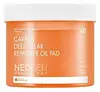 Key Ingredients
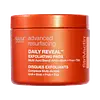
Benefits
Concerns
Ingredients Side-by-side
Cetyl Ethylhexanoate
EmollientIsopropyl Palmitate
Emollient


PEG-20 Glyceryl Triisostearate
Emollient
Ethylhexylglycerin
Skin ConditioningDaucus Carota Sativa Seed Oil
Emollient


Citrus Aurantium Dulcis Peel Oil
Masking

Eclipta Prostrata Extract
Skin Conditioning
Hippophae Rhamnoides Oil
Emollient

Citrus Aurantium Bergamia Fruit Oil
Masking
Cinnamomum Camphora Bark Oil
Masking
Melia Azadirachta Leaf Extract
Skin ConditioningLavandula Angustifolia Oil
Masking
Litsea Cubeba Fruit Oil
Masking
Moringa Oleifera Seed Oil
Emollient
Pelargonium Graveolens Oil
Masking
Ocimum Basilicum Oil
Masking
Water
Skin ConditioningButylene Glycol
Humectant
Gluconolactone
Skin Conditioning







Lactobionic Acid
Buffering
Capryloyl Salicylic Acid
Exfoliating

Olea Europaea Fruit Oil
Masking
1,2-Hexanediol
Skin Conditioning
Daucus Carota Sativa Root Extract
Skin Conditioning
Moringa Oleifera Seed Extract
Skin Conditioning
Malpighia Emarginata Fruit Extract
Skin ConditioningCitrus Unshiu Peel Extract
Masking
Niacinamide
Smoothing
Citrus Aurantifolia Fruit Extract
Skin ConditioningCitrus Limon Fruit Extract
Masking
Brassica Oleracea Italica Extract
AstringentRibes Nigrum Seed Oil
Emollient
Hippophae Rhamnoides Extract
MaskingCitrus Aurantium Dulcis Fruit Extract
MaskingCitrus Paradisi Fruit Extract
Skin ConditioningPanthenol
Skin Conditioning
Vitis Vinifera Seed Oil
Emollient
Camellia Sinensis Seed Oil
Humectant
Carthamus Tinctorius Seed Oil
Masking
Brassica Oleracea Italica Seed Oil
Emollient
Solanum Lycopersicum Seed Oil
Emollient
Caprylyl Glycol
Emollient
Ascorbic Acid
Antioxidant

Riboflavin
Cosmetic ColorantCyanocobalamin
Skin ConditioningSodium Ascorbate
Antioxidant
Sodium Ascorbyl Phosphate
Antioxidant
Ubiquinone
Antioxidant
Tocopherol
Antioxidant
Thiamine Hcl
MaskingInositol
Humectant
Biotin
AntiseborrhoeicBeta-Carotene
Skin ConditioningPyridoxine
Skin ConditioningFolic Acid
Skin ConditioningLimonene
Perfuming

Cetyl Ethylhexanoate, Isopropyl Palmitate, PEG-20 Glyceryl Triisostearate, Ethylhexylglycerin, Daucus Carota Sativa Seed Oil, Citrus Aurantium Dulcis Peel Oil, Eclipta Prostrata Extract, Hippophae Rhamnoides Oil, Citrus Aurantium Bergamia Fruit Oil, Cinnamomum Camphora Bark Oil, Melia Azadirachta Leaf Extract, Lavandula Angustifolia Oil, Litsea Cubeba Fruit Oil, Moringa Oleifera Seed Oil, Pelargonium Graveolens Oil, Ocimum Basilicum Oil, Water, Butylene Glycol, Gluconolactone, Lactobionic Acid, Capryloyl Salicylic Acid, Olea Europaea Fruit Oil, 1,2-Hexanediol, Daucus Carota Sativa Root Extract, Moringa Oleifera Seed Extract, Malpighia Emarginata Fruit Extract, Citrus Unshiu Peel Extract, Niacinamide, Citrus Aurantifolia Fruit Extract, Citrus Limon Fruit Extract, Brassica Oleracea Italica Extract, Ribes Nigrum Seed Oil, Hippophae Rhamnoides Extract, Citrus Aurantium Dulcis Fruit Extract, Citrus Paradisi Fruit Extract, Panthenol, Vitis Vinifera Seed Oil, Camellia Sinensis Seed Oil, Carthamus Tinctorius Seed Oil, Brassica Oleracea Italica Seed Oil, Solanum Lycopersicum Seed Oil, Caprylyl Glycol, Ascorbic Acid, Riboflavin, Cyanocobalamin, Sodium Ascorbate, Sodium Ascorbyl Phosphate, Ubiquinone, Tocopherol, Thiamine Hcl, Inositol, Biotin, Beta-Carotene, Pyridoxine, Folic Acid, Limonene
Water
Skin ConditioningPentylene Glycol
Skin Conditioning
Glycolic Acid
Buffering
Azelaic Acid
Buffering
Glycereth-7 Triacetate
EmollientAlcohol Denat.
Antimicrobial

Sodium Hydroxide
BufferingPolysorbate 20
Emulsifying
Glycereth-18 Ethylhexanoate
Skin ConditioningDimethyl Isosorbide
SolventDipropylene Glycol
HumectantTranexamic Acid
Astringent
Capryloyl Salicylic Acid
Exfoliating
Gluconolactone
Skin Conditioning
Salix Alba Bark Extract
Astringent
Myristyl Nicotinate
Skin ConditioningCitrus Paradisi Fruit Extract
Skin ConditioningCitrus Grandis Peel Oil
Masking
Spiraea Ulmaria Extract
AstringentHydroxymethoxyphenyl Decanone
Skin ConditioningAsiatic Acid
Skin Conditioning
Madecassic Acid
Skin Conditioning
Adenosine
Skin Conditioning
Asiaticoside
Antioxidant
Ethoxydiglycol
HumectantLactobacillus Ferment
Skin Conditioning
Glycerin
Humectant
Butylene Glycol
Humectant
Propanediol
Solvent
Glycereth-18
HumectantEthylhexylglycerin
Skin ConditioningCalcium Gluconate
HumectantT-Butyl Alcohol
Perfuming
Citric Acid
Buffering
Limonene
Perfuming
Sodium Carbonate
BufferingDenatonium Benzoate
Masking
Sodium Chloride
MaskingPotassium Sorbate
Preservative
Sodium Benzoate
Masking
Water, Pentylene Glycol, Glycolic Acid, Azelaic Acid, Glycereth-7 Triacetate, Alcohol Denat., Sodium Hydroxide, Polysorbate 20, Glycereth-18 Ethylhexanoate, Dimethyl Isosorbide, Dipropylene Glycol, Tranexamic Acid, Capryloyl Salicylic Acid, Gluconolactone, Salix Alba Bark Extract, Myristyl Nicotinate, Citrus Paradisi Fruit Extract, Citrus Grandis Peel Oil, Spiraea Ulmaria Extract, Hydroxymethoxyphenyl Decanone, Asiatic Acid, Madecassic Acid, Adenosine, Asiaticoside, Ethoxydiglycol, Lactobacillus Ferment, Glycerin, Butylene Glycol, Propanediol, Glycereth-18, Ethylhexylglycerin, Calcium Gluconate, T-Butyl Alcohol, Citric Acid, Limonene, Sodium Carbonate, Denatonium Benzoate, Sodium Chloride, Potassium Sorbate, Sodium Benzoate
Reviews
Ingredients Explained
These ingredients are found in both products.
Ingredients higher up in an ingredient list are typically present in a larger amount.
Butylene Glycol (or BG) is used within cosmetic products for a few different reasons:
Overall, Butylene Glycol is a safe and well-rounded ingredient that works well with other ingredients.
Though this ingredient works well with most skin types, some people with sensitive skin may experience a reaction such as allergic rashes, closed comedones, or itchiness.
Learn more about Butylene GlycolCapryloyl Salicylic Acid comes from salicylic acid, the famous acne-fighting BHA.
It usually goes by a more common name of LHA, or lipohydroxy acid.
Like salicylic acid, this ingredient is a chemical exfoliant that can help break down the oil in your pores and reduce inflammation.
Though studies for LHA do show it to be less effective than salicylic acid. To be fair, salicylic acid is the reigning monarch of acne treatments.
However, a study from 2009 found LHA to be comparable to BPO, making it a good alternative for people with sensitive skin. Another study of 14 patients found a significant decrease in comedones after using LHA.
Another pro of LHA? It is less irritating than salicylic acid due to its large molecule size.
Large molecules cannot penetrate skin as well, so they are gentler on the skin. LHA is much less penetrative than salicylic acid.
An in-vitro study (not done on a living organism) found only 6% of LHA penetrated past the statum corneum compared to 58% of salicylic acid. An in-vivo (done on a living organism) analysis revealed ~17% of LHA was still present in the top layer of skin after 4 days, versus ~9% of salicylic acid.
Interestingly, a study from 2008 found LHA comparable to another famous acid, glycolic acid.
This study found about 10% of LHA is as effective as 20-50% of glycolic acid in treating hyperpigmentation and fine-lines.
Hydroxy acids have been found to stimulate skin protein, lipids, and thermal thickening. This may have anti-aging benefits.
Learn more about Capryloyl Salicylic AcidWe don't have a description for Citrus Paradisi Fruit Extract yet.
Ethylhexylglycerin is created from glycerin. It is a multitasker ingredient that:
The CIR Expert Panel found minimal skin absorption or sensitization of any kind in a safety assessment. Though this ingredient is considered well-tolerated, a small number of cases of allergic dermatitis have been published since 2002. Just be sure to patch test if you are unsure.
Industry-reported use ranges from 8% in rinse-off products and 2% in leave-on formulations.
Learn more about EthylhexylglycerinGluconolactone is a PHA. PHAs are a great gentle alternative to traditional AHAs.
When applied, Gluconolactone has the same affect on skin as AHAs such as lactic acid. It helps dissolve the dead skin cells in the top layer of your skin. This improves texture and brightens the skin.
PHAs are more gentle than AHAs due to their larger structure. They do not penetrate as deeply as AHAs and take a longer time to dissolve dead cells. Studies show PHAs do not cause as much irritation.
Gluconolactone has some interesting properties:
In a 2004 study, Gluconolactone was found to prevent UV damage in mouse skin cells and has not been found to increase sun sensitivity. However, we still recommend wearing SPF daily.
This ingredient is is an created by reacting gluconic acid with an alcohol.
Learn more about GluconolactoneLimonene is a fragrance that adds scent and taste to a formulation.
It's found in the peel oil of citrus fruits and other plants such as lavender and eucalyptus. The scent of limonene is generally described as "sweet citrus".
Limonene acts as an antioxidant, meaning it helps neutralize free radicals.
When exposed to air, oxidized limonene may sensitize the skin. Because of this, limonene is often avoided by people with sensitive skin.
The term 'fragrance' is not regulated in many countries. In many cases, it is up to the brand to define this term. For instance, many brands choose to label themselves as "fragrance-free" because they are not using synthetic fragrances. However, their products may still contain ingredients such as essential oils that are considered a fragrance.
Learn more about LimoneneWater. It's the most common cosmetic ingredient of all. You'll usually see it at the top of ingredient lists, meaning that it makes up the largest part of the product.
So why is it so popular? Water most often acts as a solvent - this means that it helps dissolve other ingredients into the formulation.
You'll also recognize water as that liquid we all need to stay alive. If you see this, drink a glass of water. Remember to stay hydrated!
Learn more about Water
