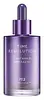
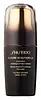
Missha Time Revolution Night Repair Ampoule 5x Versus Shiseido Future Solution LX Intensive Firming Contour Serum
This barrier-repair ampoule is formulated around Bifida Ferment Lysate and Niacinamide to strengthen the skin barrier and soften the look of wrinkles.
This smoothing serum is formulated around 2-O-Ethyl Ascorbic Acid to refine skin texture.


What's inside
What's inside
 Key Ingredients
Benefits
Concerns
Ingredients Side-by-side
Bifida Ferment Lysate
Skin Conditioning



Butylene Glycol
Humectant
1,2-Hexanediol
Skin Conditioning
Glycerin
Humectant
Betaine
Humectant
Propanediol
Solvent
Water
Skin ConditioningChondrus Crispus Extract
Skin Conditioning
Saccharum Officinarum Extract
MoisturisingPentylene Glycol
Skin Conditioning
Niacinamide
Smoothing







Polyquaternium-51
Skin Conditioning
Diethoxyethyl Succinate
SolventSqualane
Emollient
Panthenol
Skin Conditioning
Polyglyceryl-10 Laurate
Skin Conditioning

Hydrogenated Lecithin
Emulsifying
Carbomer
Emulsion StabilisingLactobacillus Ferment
Skin Conditioning
Lactobacillus Ferment Lysate
Skin Conditioning
Leuconostoc/Radish Root Ferment Filtrate
Antimicrobial
Lactococcus Ferment
Skin ConditioningLactobacillus/Acerola Cherry Ferment
Skin ProtectingLactobacillus/Soybean Ferment Extract
Skin ConditioningLactobacillus/Punica Granatum Fruit Ferment Extract
Antioxidant
Lactococcus Ferment Lysate
Skin Conditioning
Bifida Ferment Filtrate
Skin Conditioning
Tromethamine
BufferingSolanum Melongena Fruit Extract
Skin ConditioningDaucus Carota Sativa Root Extract
Skin Conditioning
Brassica Oleracea Capitata Leaf Extract
Skin ConditioningBeta Vulgaris Root Extract
Skin ConditioningVaccinium Angustifolium Fruit Extract
Skin Protecting
Ethylhexylglycerin
Skin ConditioningXanthan Gum
EmulsifyingAspergillus Ferment
Skin ConditioningSwiftlet Nest Extract
Skin ConditioningDextrin
AbsorbentTheobroma Cacao Extract
Skin ConditioningAdenosine
Skin Conditioning
Citrus Aurantium Bergamia Fruit Oil
Masking



Pelargonium Graveolens Flower Oil
Masking
Citrus Aurantium Dulcis Peel Oil
Masking
Lavandula Angustifolia Oil
Masking
Anthemis Nobilis Flower Oil
Masking
Santalum Album Oil
Masking
Limonene
Perfuming
Disodium EDTA
Sodium Hyaluronate
Humectant
Helianthus Annuus Seed Oil
Emollient
Lupinus Albus Seed Extract
Skin ConditioningTocopherol
Antioxidant
Ceramide NP
Skin Conditioning
Cholesterol
Emollient
Bifida Ferment Lysate, Butylene Glycol, 1,2-Hexanediol, Glycerin, Betaine, Propanediol, Water, Chondrus Crispus Extract, Saccharum Officinarum Extract, Pentylene Glycol, Niacinamide, Polyquaternium-51, Diethoxyethyl Succinate, Squalane, Panthenol, Polyglyceryl-10 Laurate, Hydrogenated Lecithin, Carbomer, Lactobacillus Ferment, Lactobacillus Ferment Lysate, Leuconostoc/Radish Root Ferment Filtrate, Lactococcus Ferment, Lactobacillus/Acerola Cherry Ferment, Lactobacillus/Soybean Ferment Extract, Lactobacillus/Punica Granatum Fruit Ferment Extract, Lactococcus Ferment Lysate, Bifida Ferment Filtrate, Tromethamine, Solanum Melongena Fruit Extract, Daucus Carota Sativa Root Extract, Brassica Oleracea Capitata Leaf Extract, Beta Vulgaris Root Extract, Vaccinium Angustifolium Fruit Extract, Ethylhexylglycerin, Xanthan Gum, Aspergillus Ferment, Swiftlet Nest Extract, Dextrin, Theobroma Cacao Extract, Adenosine, Citrus Aurantium Bergamia Fruit Oil, Pelargonium Graveolens Flower Oil, Citrus Aurantium Dulcis Peel Oil, Lavandula Angustifolia Oil, Anthemis Nobilis Flower Oil, Santalum Album Oil, Limonene, Disodium EDTA, Sodium Hyaluronate, Helianthus Annuus Seed Oil, Lupinus Albus Seed Extract, Tocopherol, Ceramide NP, Cholesterol
Dimethicone
Emollient
Dipropylene Glycol
HumectantGlycerin
Humectant
Bis-PEG-18 Methyl Ether Dimethyl Silane
EmollientPEG-75
HumectantDiphenylsiloxy Phenyl Trimethicone
Skin Conditioning
Bis-Diglyceryl Polyacyladipate-2
Emollient
Piperidinepropionic Acid
Skin ConditioningTrimethylsiloxysilicate
Emollient
Polysilicone-11
Polysorbate 20
Emulsifying
PEG-10 Dimethicone
Skin Conditioning
Pentaerythrityl Tetraethylhexanoate
Emollient
Phenoxyethanol
Preservative
Sodium Acrylate/Sodium Acryloyldimethyl Taurate Copolymer
Emulsion StabilisingPEG-60 Glyceryl Isostearate
Surfactant
Butylene Glycol
Humectant
Isostearic Acid
Cleansing
Isohexadecane
EmollientSodium Citrate
BufferingSuccinoglycan
Skin ConditioningAcrylates/C10-30 Alkyl Acrylate Crosspolymer
Emulsion StabilisingTocopheryl Acetate
Antioxidant
Sodium Hyaluronate
Humectant
Parfum
Masking
Polysorbate 80
Emulsifying
Potassium Hydroxide
BufferingLauryl Betaine
CleansingBHT
Antioxidant
2-O-Ethyl Ascorbic Acid
Skin Conditioning
Xanthan Gum
EmulsifyingCitric Acid
Buffering
Sodium Metabisulfite
Antioxidant
Disodium EDTA
Sorbitan Oleate
Emulsifying
Sodium Metaphosphate
BufferingAlcohol
Antimicrobial

Linalool
Perfuming
Glycyrrhiza Glabra Root Extract
Bleaching
Butylphenyl Methylpropional
Perfuming
Limonene
Perfuming
CI 77492
Cosmetic ColorantAlpha-Isomethyl Ionone
Perfuming
Prunus Speciosa Leaf Extract
Skin ConditioningCitronellol
Perfuming
Geraniol
Perfuming
Benzyl Benzoate
Antimicrobial
Angelica Acutiloba Root Extract
Skin ConditioningRubus Suavissimus Leaf Extract
Skin ConditioningIsodonis Japonicus Leaf/Stalk Extract
MaskingCI 77491
Cosmetic ColorantHibiscus Esculentus Fruit Extract
Skin ConditioningCamellia Sinensis Leaf Extract
Antimicrobial
Tocopherol
Antioxidant
Sodium Benzoate
Masking
Dimethicone, Dipropylene Glycol, Glycerin, Bis-PEG-18 Methyl Ether Dimethyl Silane, PEG-75, Diphenylsiloxy Phenyl Trimethicone, Bis-Diglyceryl Polyacyladipate-2, Piperidinepropionic Acid, Trimethylsiloxysilicate, Polysilicone-11, Polysorbate 20, PEG-10 Dimethicone, Pentaerythrityl Tetraethylhexanoate, Phenoxyethanol, Sodium Acrylate/Sodium Acryloyldimethyl Taurate Copolymer, PEG-60 Glyceryl Isostearate, Butylene Glycol, Isostearic Acid, Isohexadecane, Sodium Citrate, Succinoglycan, Acrylates/C10-30 Alkyl Acrylate Crosspolymer, Tocopheryl Acetate, Sodium Hyaluronate, Parfum, Polysorbate 80, Potassium Hydroxide, Lauryl Betaine, BHT, 2-O-Ethyl Ascorbic Acid, Xanthan Gum, Citric Acid, Sodium Metabisulfite, Disodium EDTA, Sorbitan Oleate, Sodium Metaphosphate, Alcohol, Linalool, Glycyrrhiza Glabra Root Extract, Butylphenyl Methylpropional, Limonene, CI 77492, Alpha-Isomethyl Ionone, Prunus Speciosa Leaf Extract, Citronellol, Geraniol, Benzyl Benzoate, Angelica Acutiloba Root Extract, Rubus Suavissimus Leaf Extract, Isodonis Japonicus Leaf/Stalk Extract, CI 77491, Hibiscus Esculentus Fruit Extract, Camellia Sinensis Leaf Extract, Tocopherol, Sodium Benzoate
Reviews
Ingredients Explained
These ingredients are found in both products.
Ingredients higher up in an ingredient list are typically present in a larger amount.
Butylene Glycol (or BG) is used within cosmetic products for a few different reasons:
Overall, Butylene Glycol is a safe and well-rounded ingredient that works well with other ingredients.
Though this ingredient works well with most skin types, some people with sensitive skin may experience a reaction such as allergic rashes, closed comedones, or itchiness.
Learn more about Butylene GlycolDisodium EDTA is a chelating agent. It grabs onto and deactivates metal ions that sneak into your products from water, packaging, or air.
This ingredient mainly works behind the scenes and helps with:
On top of that, this ingredient can counteract the effects of hard water by binding to the minerals in it.
One thing worth knowing is that Disodium EDTA has been shown to be a mild penetration enhancer. It can help other ingredients absorb into skin more effectively which can be a double-edged sword (great for actives, but can also make the active too strong if you have sensitive skin).
Clinical patch testing showed no significant skin irritation at typical use concentrations and minimal dermal absorption.
You'll most likely see this ingredient near the end of an ingredient list. It's typically found in concentrations less than 1%.
Learn more about Disodium EDTAGlycerin (or glycerol) is a compound naturally found in your skin. It's a powerhouse humectant that pulls water into the stratum corneum.
Topically, glycerin does several things at once:
Your skin makes glycerin on its own (mostly from sebaceous oil breakdown) and shuttles it to your outermost layer of skin, or your epidermis, via aquaporin-3.
Aquaporin-3 is a transporter that is essential for normal skin hydration, elasticity, and repair. Interestingly, mice lacking in AQP3 have dry and less elastic skin that can be fully corrected with glycerin.
This ingredient is non-irritating, plays well with almost every ingredient, and works across all skin types. Typical use is anywhere between 3-10% but can go up to 79% in some leave-on products.
Just know very high concentrations (>40%) can feel tacky in low humidity.
Glycerin is the name for this ingredient in American English. British English uses Glycerol/Glycerine.
Learn more about GlycerinLimonene is a fragrance that adds scent and taste to a formulation.
It's found in the peel oil of citrus fruits and other plants such as lavender and eucalyptus. The scent of limonene is generally described as "sweet citrus".
Limonene acts as an antioxidant, meaning it helps neutralize free radicals.
When exposed to air, oxidized limonene may sensitize the skin. Because of this, limonene is often avoided by people with sensitive skin.
The term 'fragrance' is not regulated in many countries. In many cases, it is up to the brand to define this term. For instance, many brands choose to label themselves as "fragrance-free" because they are not using synthetic fragrances. However, their products may still contain ingredients such as essential oils that are considered a fragrance.
Learn more about LimoneneSodium Hyaluronate is the salt form of hyaluronic acid. It is a long sugar chain that is naturally found in your skin, joints, and connective tissue that maintains hydration and elasticity.
In skincare, it works as a humectant. It pulls water from the environment and deeper layers of skin and binds it to the surface.
Interestingly, the size of the molecule affects its behavior:
Some clinical evidence links low molecular weight versions to improved wrinkle depth, elasticity, anti-inflammatory effects, and barrier repair.
Many serums use a blend of both weights so you can get surface hydration plus longer-lasting and deeper effects.
You'll typically see concentrations between 0.1-2% for this ingredient.
Learn more about Sodium HyaluronateTocopherol is a fat-soluble antioxidant known as Vitamin E.
You'll find this ingredient in the vast majority of skincare (for good reason). It works to neutralize free radicals, or unstable molecules generated by UV exposure, pollution, and other environmental stressors, before they can cause oxidative damage to your skin cells.
Topically applied tocopherol has been shown to protect against UV damage by ramping up the skin's own natural defense enzymes.
It also acts as a skin conditioning agent; some studies show that regular topical use can improve the skin's water-binding capacity over 2-4 weeks.
This ingredient is especially loved for being a team player. When combined with Vitamin C, the photoprotective effect of both ingredients roughly doubles and the combo also helps reduce UV-induced DNA damage.
This ingredient has some brightening potential but it's more of a prevention ingredient than spot-fader. Cell studies show it can slow down melanin production but it's worth noting that it's not the most powerful brightener out there.
In formulations, it also serves as a stabilizer that helps protect other oxidation-prone ingredients from degrading.
Concentrations usually range from 0.1-1% in most leave-on products.
Learn more about TocopherolXanthan gum is used as a stabilizer and thickener within cosmetic products. It helps give products a sticky, thick feeling - preventing them from being too runny.
On the technical side of things, xanthan gum is a polysaccharide - a combination consisting of multiple sugar molecules bonded together.
Xanthan gum is a pretty common and great ingredient. It is a natural, non-toxic, non-irritating ingredient that is also commonly used in food products.
Learn more about Xanthan Gum

