Missha Time Revolution Night Repair Ampoule 5x Versus Revolution Beauty Pro Miracle Night Rescue Serum Advanced Complex
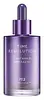
This barrier-repair ampoule is formulated around Bifida Ferment Lysate and Niacinamide to strengthen the skin barrier and soften the look of wrinkles.
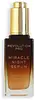
This barrier-repair serum is formulated around Lactobacillus Ferment Lysate and Bifida Ferment Lysate to strengthen the skin barrier and calm redness.


What's inside
What's inside
 Key Ingredients
Benefits
Concerns
Ingredients Side-by-side
Bifida Ferment Lysate
Skin Conditioning



Butylene Glycol
Humectant
1,2-Hexanediol
Skin Conditioning
Glycerin
Humectant
Betaine
Humectant
Propanediol
Solvent
Water
Skin ConditioningChondrus Crispus Extract
Skin Conditioning
Saccharum Officinarum Extract
MoisturisingPentylene Glycol
Skin Conditioning
Niacinamide
Smoothing







Polyquaternium-51
Skin Conditioning
Diethoxyethyl Succinate
SolventSqualane
Emollient
Panthenol
Skin Conditioning
Polyglyceryl-10 Laurate
Skin Conditioning

Hydrogenated Lecithin
Emulsifying
Carbomer
Emulsion StabilisingLactobacillus Ferment
Skin Conditioning
Lactobacillus Ferment Lysate
Skin Conditioning
Leuconostoc/Radish Root Ferment Filtrate
Antimicrobial
Lactococcus Ferment
Skin ConditioningLactobacillus/Acerola Cherry Ferment
Skin ProtectingLactobacillus/Soybean Ferment Extract
Skin ConditioningLactobacillus/Punica Granatum Fruit Ferment Extract
Antioxidant
Lactococcus Ferment Lysate
Skin Conditioning
Bifida Ferment Filtrate
Skin Conditioning
Tromethamine
BufferingSolanum Melongena Fruit Extract
Skin ConditioningDaucus Carota Sativa Root Extract
Skin Conditioning
Brassica Oleracea Capitata Leaf Extract
Skin ConditioningBeta Vulgaris Root Extract
Skin ConditioningVaccinium Angustifolium Fruit Extract
Skin Protecting
Ethylhexylglycerin
Skin ConditioningXanthan Gum
EmulsifyingAspergillus Ferment
Skin ConditioningSwiftlet Nest Extract
Skin ConditioningDextrin
AbsorbentTheobroma Cacao Extract
Skin ConditioningAdenosine
Skin Conditioning
Citrus Aurantium Bergamia Fruit Oil
Masking



Pelargonium Graveolens Flower Oil
Masking
Citrus Aurantium Dulcis Peel Oil
Masking
Lavandula Angustifolia Oil
Masking
Anthemis Nobilis Flower Oil
Masking
Santalum Album Oil
Masking
Limonene
Perfuming
Disodium EDTA
Sodium Hyaluronate
Humectant
Helianthus Annuus Seed Oil
Emollient
Lupinus Albus Seed Extract
Skin ConditioningTocopherol
Antioxidant
Ceramide NP
Skin Conditioning
Cholesterol
Emollient
Bifida Ferment Lysate, Butylene Glycol, 1,2-Hexanediol, Glycerin, Betaine, Propanediol, Water, Chondrus Crispus Extract, Saccharum Officinarum Extract, Pentylene Glycol, Niacinamide, Polyquaternium-51, Diethoxyethyl Succinate, Squalane, Panthenol, Polyglyceryl-10 Laurate, Hydrogenated Lecithin, Carbomer, Lactobacillus Ferment, Lactobacillus Ferment Lysate, Leuconostoc/Radish Root Ferment Filtrate, Lactococcus Ferment, Lactobacillus/Acerola Cherry Ferment, Lactobacillus/Soybean Ferment Extract, Lactobacillus/Punica Granatum Fruit Ferment Extract, Lactococcus Ferment Lysate, Bifida Ferment Filtrate, Tromethamine, Solanum Melongena Fruit Extract, Daucus Carota Sativa Root Extract, Brassica Oleracea Capitata Leaf Extract, Beta Vulgaris Root Extract, Vaccinium Angustifolium Fruit Extract, Ethylhexylglycerin, Xanthan Gum, Aspergillus Ferment, Swiftlet Nest Extract, Dextrin, Theobroma Cacao Extract, Adenosine, Citrus Aurantium Bergamia Fruit Oil, Pelargonium Graveolens Flower Oil, Citrus Aurantium Dulcis Peel Oil, Lavandula Angustifolia Oil, Anthemis Nobilis Flower Oil, Santalum Album Oil, Limonene, Disodium EDTA, Sodium Hyaluronate, Helianthus Annuus Seed Oil, Lupinus Albus Seed Extract, Tocopherol, Ceramide NP, Cholesterol
Water
Skin ConditioningBis-PEG-18 Methyl Ether Dimethyl Silane
EmollientLactobacillus Ferment Lysate
Skin Conditioning
Bifida Ferment Lysate
Skin Conditioning
Propanediol
Solvent
PEG-8 Caprylic/Capric Glycerides
EmulsifyingBetaine
Humectant
Glycereth-26
Humectant
Methyl Gluceth-10
EmulsifyingPhenoxyethanol
Preservative
Glycerin
Humectant
Carbomer
Emulsion StabilisingCaffeine
Skin Conditioning
Propylene Glycol
Humectant
Yeast Extract
Skin ConditioningSodium Hydroxide
BufferingEthylhexylglycerin
Skin ConditioningDisodium EDTA
Simmondsia Chinensis Seed Oil
Emollient
Squalane
Emollient
Lavandula Angustifolia Oil
Masking
Bisabolol
Antioxidant
Sodium Hyaluronate
Humectant
Adansonia Digitata Fruit Extract
EmollientChamomilla Recutita Flower Extract
Masking
Lactic Acid
Buffering
Centella Asiatica Leaf Extract
Skin Conditioning
Leuconostoc/Radish Root Ferment Filtrate
Antimicrobial
Sodium Benzoate
Masking
Sodium Chloride
MaskingPotassium Sorbate
Preservative
Acetic Acid
BufferingRosa Centifolia Flower Extract
Astringent
Ceramide NP
Skin Conditioning
2,3-Butanediol
HumectantCaprylyl Glycol
Emollient
Bis(Tripeptide-1) Copper Acetate
Skin Conditioning
Hydrogenated Lecithin
Emulsifying
Sorbic Acid
Preservative
Glyceryl Stearate
Emollient
Ceramide AP
Skin Conditioning
Ceramide As
Skin Conditioning
Ceramide Ns
Skin Conditioning
Cholesterol
Emollient
Sodium Metabisulfite
Antioxidant
Ceramide EOP
Skin Conditioning
Farnesol
Perfuming
Citronellol
Perfuming
Geraniol
Perfuming
Linalool
Perfuming
CI 15985
Cosmetic ColorantCI 19140
Cosmetic ColorantCI 17200
Cosmetic ColorantWater, Bis-PEG-18 Methyl Ether Dimethyl Silane, Lactobacillus Ferment Lysate, Bifida Ferment Lysate, Propanediol, PEG-8 Caprylic/Capric Glycerides, Betaine, Glycereth-26, Methyl Gluceth-10, Phenoxyethanol, Glycerin, Carbomer, Caffeine, Propylene Glycol, Yeast Extract, Sodium Hydroxide, Ethylhexylglycerin, Disodium EDTA, Simmondsia Chinensis Seed Oil, Squalane, Lavandula Angustifolia Oil, Bisabolol, Sodium Hyaluronate, Adansonia Digitata Fruit Extract, Chamomilla Recutita Flower Extract, Lactic Acid, Centella Asiatica Leaf Extract, Leuconostoc/Radish Root Ferment Filtrate, Sodium Benzoate, Sodium Chloride, Potassium Sorbate, Acetic Acid, Rosa Centifolia Flower Extract, Ceramide NP, 2,3-Butanediol, Caprylyl Glycol, Bis(Tripeptide-1) Copper Acetate, Hydrogenated Lecithin, Sorbic Acid, Glyceryl Stearate, Ceramide AP, Ceramide As, Ceramide Ns, Cholesterol, Sodium Metabisulfite, Ceramide EOP, Farnesol, Citronellol, Geraniol, Linalool, CI 15985, CI 19140, CI 17200
Reviews
Ingredients Explained
These ingredients are found in both products.
Ingredients higher up in an ingredient list are typically present in a larger amount.
Betaine is a humectant. Like hyaluronic acid, it helps attract and retain moisture in the skin. It’s known for being gentle and for helping the skin maintain balanced hydration.
Betaine is mainly used to improve hydration and support calmer skin. It helps skin cells regulate water balance because it functions as an osmolyte.
Some studies suggest betaine may support making skin tone more even.
Fun fact: Betaine naturally exists in the skin and the body. In cosmetic products, it can be either plant-derived (most commonly from sugar beets) or synthetically produced for consistency and stability.
Betaine is also known as trimethylglycine.
Learn more about BetaineBifida Ferment Lysate is a postbiotic ingredient made by fermenting Bifidobacterium to extract a nutrient-rich mix of peptides, amino acids, vitamins, organic acids, and polysaccharides.
These components are basically the building blocks that your skin already uses to stay hydrated, repair itself, and maintain its barrier. That's why this ingredient helps your skin hold onto moisture and stay resilient against irritation.
One in-vitro study found that this ingredient tells your skin cells to produce more of the proteins (filaggrin, loricrin, and involucrin) for building a strong and healthy barrier. This study also found this ingredient to be a solid antioxidant that helped neutralize damage against UV and pollution.
A study with people from 2010 found that sensitive, reactive skin using a cream with 10% of this ingredient for a month became noticeably less dry, less reactive, and harder to irritate compared to the group using a plain cream.
In short, this ingredient is a well-tolerated ingredient that can help with barrier repair, antioxidant protection, and calming reactive skin.
This ingredient is generally considered fungal acne (Malassezia) safe; Bifidobacterium is a bacterium, not a yeast or fungus.
The fungal acne concern with fermented ingredients mainly applies to yeast-derived ferments like Saccharomyces and Galactomyces, because those are in the same kingdom as Malassezia and could theoretically contain residual compounds that feed it.
Bifida is a completely different organism, so on its own it doesn't provide a food source for the Malassezia yeast that causes fungal acne.
Learn more about Bifida Ferment LysateCarbomer is a synthetic thickening and gelling agent. It's basically the ingredient that gives a lot of serums, gels, creams, and sunscreens their smooth, non-sticky texture.
Although legally permitted at very high levels, carbomers are normally used at concentrations below 1%.
It also needs to be neutralized to actually thicken, and because it is a large molecule, it doesn't really penetrate the skin barrier.
Allergy-wise, the risk is very low. Clinical studies show carbomers have low potential for skin irritation/sensitization even at concentrations up to 100%.
A 2024 UK study patch-tested 1,302 patients and found true allergy to the parent group of carbomer to be rare with no confirmed relevant reactions.
Learn more about CarbomerCeramide NP (formerly known as Ceramide 3) is one of the skin's naturally occurring lipids.
Since ceramides are the major lipid components of the skin, they are crucial for maintaining skin barrier and hydration. Ceramide NP most closely mirrors the dominant kind in human skin amongst ceramide subtypes.
This ceramide works by slotting into gaps within the stratum corneum's lipid matrix to limit trans-epidermal water loss (TEWL) and shield the skin against external irritants.
A study with 312 patients found that using a ceramide-containing routine for 4 weeks reduced the severity of atopic dermatitis by over 61%.
Another clinical study in subjects aged 60 and older found that a ceramide body wash and moisturizer improved skin dryness and itchy skin in 15 days.
Overall, ceramides are considered non-irritating and safety tests have found little to no observable adverse effects from using this ingredient.
Ceramide NP is usually sourced from plants (like soybean or rice bran), or produced synthetically.
Learn more about Ceramide NPCholesterol is a lipid that is naturally found in human skin and is one of the three key components of your skin barrier. In skincare, it is an emollient and barrier-repairing ingredient.
It works by fitting directly into the lipid layers of skin to help restore structure and reduce transepidermal water loss (TEWL).
This is a great ingredient for dry, compromised, or aging skin; our skin starts to produce less cholesterol with age.
Research shows cholesterol works best in combination with ceramides and fatty acids, the other two major components in your skin barrier.
Cholesterol is also a well-establish penetration enhancer and can help other actives absorb more effectively.
Cosmetic-grade cholesterol is usually derived from lanolin but plant and synthetic options also exist. We recommend reaching out to the brand if you have questions about their source of cholesterol.
Learn more about CholesterolDisodium EDTA is a chelating agent. It grabs onto and deactivates metal ions that sneak into your products from water, packaging, or air.
This ingredient mainly works behind the scenes and helps with:
On top of that, this ingredient can counteract the effects of hard water by binding to the minerals in it.
One thing worth knowing is that Disodium EDTA has been shown to be a mild penetration enhancer. It can help other ingredients absorb into skin more effectively which can be a double-edged sword (great for actives, but can also make the active too strong if you have sensitive skin).
Clinical patch testing showed no significant skin irritation at typical use concentrations and minimal dermal absorption.
You'll most likely see this ingredient near the end of an ingredient list. It's typically found in concentrations less than 1%.
Learn more about Disodium EDTAEthylhexylglycerin is created from glycerin. It is a multitasker ingredient that:
The CIR Expert Panel found minimal skin absorption or sensitization of any kind in a safety assessment. Though this ingredient is considered well-tolerated, a small number of cases of allergic dermatitis have been published since 2002. Just be sure to patch test if you are unsure.
Industry-reported use ranges from 8% in rinse-off products and 2% in leave-on formulations.
Learn more about EthylhexylglycerinGlycerin (or glycerol) is a compound naturally found in your skin. It's a powerhouse humectant that pulls water into the stratum corneum.
Topically, glycerin does several things at once:
Your skin makes glycerin on its own (mostly from sebaceous oil breakdown) and shuttles it to your outermost layer of skin, or your epidermis, via aquaporin-3.
Aquaporin-3 is a transporter that is essential for normal skin hydration, elasticity, and repair. Interestingly, mice lacking in AQP3 have dry and less elastic skin that can be fully corrected with glycerin.
This ingredient is non-irritating, plays well with almost every ingredient, and works across all skin types. Typical use is anywhere between 3-10% but can go up to 79% in some leave-on products.
Just know very high concentrations (>40%) can feel tacky in low humidity.
Glycerin is the name for this ingredient in American English. British English uses Glycerol/Glycerine.
Learn more about GlycerinHydrogenated Lecithin is a more stable version of lecithin.
It's made by taking lecithin (a phospholipid commonly found in soybeans and egg yolks) and hydrogenating it. This just means the unsaturated fatty acids are turned into saturated ones so they don't go bad as easily.
This ingredient is an emollient, emulsifier, and penetration enhancer. As an emollient, it helps soften and hydrate skin by trapping moisture within. As an emulsifier, it prevents oil and water ingredients from separating.
Hydrogenated Lecithin can form tiny spherical structures made of phospholipid bilayers called liposomes. These liposomes are able to capture compounds inside their structure and deliver them through the skin barrier.
Because phospholipids are a natural component of our cell membranes, this ingredient is inherently compatible with skin.
A 2021 study found lecithin-based surfactants were less harsh and more tolerable comared to Sodium Lauryl Sulfate (SLS).
Learn more about Hydrogenated LecithinLactobacillus Ferment Lysate is a postbiotic with skin soothing properties. Postbiotics are inactive molecules produced by probiotic bacteria that provide skin benefits.
This ingredient comes from the secretion of the bacteria, Lactobacillus.
Studies show this ingredient can help calm redness and may help treat the signs of photoaging; however, the evidence is inconclusive and further studies are needed.
Lactobacillus Ferment is generally considered safe for fungal-acne prone skin. The key thing to understand is that it comes from bacteria, not yeast or fungus.
Yeast-derived ferments (like galactomyces) have been shown to activate a protein that's linked to Malassezia-related skin issues whereas lactobacillus doesn't have that problem.
Its byproducts also don't contain the types of fatty acids (C11-24 chain lengths) that Malassezia feeds on.
Learn more about Lactobacillus Ferment LysateLavandula Angustifolia Oil is more commonly known as lavender essential oil. It is considered a fragrancing ingredient.
Lavender imparts a famous scent. While the smell is lovely, this ingredient and may sensitize skin in topical products. This is because about 85% of the oil is made up of linalool and linalyl acetate.
When exposed to air, these two compounds become strong allergens. This ingredient exhibits cytotoxicity at low concentrations; amounts of 0.25% have been shown to damage skin cells.
A study from Japan found this ingredient caused lavender sensitivity after widespread exposure.
Lavender essential oil has some antimicrobial, antibacterial, and anti-inflammatory properties. However, the cons of this ingredient may outweight the pros.
More research is needed to confirm lavender essential oil's effects when used in aromatherapy.
Lavandula Angustifolia is known as the English Lavender and famous for creating purple fields in Provence, France.
Learn more about Lavandula Angustifolia OilLeuconostoc/Radish Root Ferment Filtrate is a natural preservative. It comes from fermenting radish roots with a bacteria called leuconostoc. The trade name for this ingredient is Leucidal.
Leuconostoc comes from lactic acid.
This ingredient has antimicrobial properties and helps prevent the growth of bacteria in a product.
Leuconostoc is used to make the traditional Korean side-dish, kimchi. It is also used to make sourdough bread (both incredibly yummy foods).
Learn more about Leuconostoc/Radish Root Ferment FiltratePropanediol is an all-star ingredient. It softens, hydrates, and smooths the skin.
It’s often used to:
Propanediol is not likely to cause sensitivity and considered safe to use. It is derived from corn or petroleum with a clear color and no scent.
Learn more about PropanediolSodium Hyaluronate is the salt form of hyaluronic acid. It is a long sugar chain that is naturally found in your skin, joints, and connective tissue that maintains hydration and elasticity.
In skincare, it works as a humectant. It pulls water from the environment and deeper layers of skin and binds it to the surface.
Interestingly, the size of the molecule affects its behavior:
Some clinical evidence links low molecular weight versions to improved wrinkle depth, elasticity, anti-inflammatory effects, and barrier repair.
Many serums use a blend of both weights so you can get surface hydration plus longer-lasting and deeper effects.
You'll typically see concentrations between 0.1-2% for this ingredient.
Learn more about Sodium HyaluronateSqualane is the hydrogenated and shelf-stable form of squalene (a lipid that naturally occurs in human sebum).
It is an emollient and skin conditioning agent that is able to integrate seamlessly into the skin's lipid barrier without clogging pores.
This is due to how structurally similar it is to what your skin already produces.
Though it is mostly an emollient that helps soften and hydrate skin, it also has some humectant and occlusive action. Humectants help the skin retain moisture while occlusives seal it in, making squalane a triple-threat moisturizer.
Research shows it has antioxidant capabilities that help protect against stressors like UV exposure, specifically UVA induced oxidative stress. This study also found that it supports collagen biosynthesis in human dermal fibroblasts.
No clinical study has reported significant adverse effects and irritation reactions are very rare from this ingredient (even at 100% concentration).
Overall, it's a fantastic ingredient for hydration and is suitable for all skin types.
This depends on the source. Squalane can be derived from both plants and animals. Most squalane used in skincare comes from plants.
Please note: the source of squalane is only known if disclosed by the brand. We recommend reaching out to the brand if you have any questions about their squalane.
Read more about squalene with an "e".
Though squalane is often called an oil, it’s technically not one. It is a hydrocarbon, meaning it is only made of carbon and hydrogen. True oils are triglycerides and made of fatty acids and glycerol.
The term “oil-free” isn’t regulated so companies can define it however they want. Some exclude all oils, while others just avoid mineral oil or comedogenic oils.
Squalane has a comedogenic rating of 1 from the original 1972 study that tested raw ingredients under occlusion on rabbit ears. This system is not standardized or peer-reviewed, and using the raw ingredients is very different from how diluted cosmetic formulations are used on human skin.
A comedogenic rating of 1 means it is "unlikely to clog pores" according to the original rating system.
The overall formula of a product matters more than the individual ingredients on whether or not it will cause clogged pores.
Learn more about SqualaneWater. It's the most common cosmetic ingredient of all. You'll usually see it at the top of ingredient lists, meaning that it makes up the largest part of the product.
So why is it so popular? Water most often acts as a solvent - this means that it helps dissolve other ingredients into the formulation.
You'll also recognize water as that liquid we all need to stay alive. If you see this, drink a glass of water. Remember to stay hydrated!
Learn more about Water

