Merit Beauty Great Skin Priming Moisturizer Versus Dr. Jart+ Cicapair Tiger Grass Camo Drops Color Corrector SPF 35
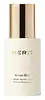
This barrier-repair moisturizer is formulated around Squalane and Avena Sativa Kernel Extract to strengthen the skin barrier and hydrate skin.
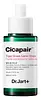
This sunscreen offers SPF 35 protection with a matte finish that helps control shine.


What's inside
What's inside
 Key Ingredients
Benefits
Concerns
Ingredients Side-by-side
Water
Skin ConditioningCoco-Caprylate/Caprate
Emollient
Dicaprylyl Carbonate
EmollientSimmondsia Chinensis Butter
Skin Conditioning



Squalane
Emollient


Propanediol
Solvent
C12-16 Alcohols
EmollientStearic Acid
Cleansing
Glycerin
Humectant
Glyceryl Stearate Citrate
Emollient
Haematococcus Pluvialis Extract
Antioxidant

Avena Sativa Kernel Extract
Abrasive

Sodium Acetylated Hyaluronate
Humectant
Sclerotium Gum
Emulsion StabilisingPalmitic Acid
Emollient
Polyacrylate-13
Hydrogenated Lecithin
Emulsifying
1,2-Hexanediol
Skin Conditioning
Caprylyl Glycol
Emollient
Hydroxyacetophenone
Antioxidant
Hydrogenated Polyisobutene
EmollientLysolecithin
EmulsifyingPolyglyceryl-10 Laurate
Skin Conditioning
Pullulan
Xanthan Gum
EmulsifyingArginine
Masking
Ethylhexyl Palmitate
Emollient
Sorbitan Isostearate
Emulsifying
Silica
Abrasive

Tocopherol
Antioxidant


Caramel
Cosmetic ColorantWater, Coco-Caprylate/Caprate, Dicaprylyl Carbonate, Simmondsia Chinensis Butter, Squalane, Propanediol, C12-16 Alcohols, Stearic Acid, Glycerin, Glyceryl Stearate Citrate, Haematococcus Pluvialis Extract, Avena Sativa Kernel Extract, Sodium Acetylated Hyaluronate, Sclerotium Gum, Palmitic Acid, Polyacrylate-13, Hydrogenated Lecithin, 1,2-Hexanediol, Caprylyl Glycol, Hydroxyacetophenone, Hydrogenated Polyisobutene, Lysolecithin, Polyglyceryl-10 Laurate, Pullulan, Xanthan Gum, Arginine, Ethylhexyl Palmitate, Sorbitan Isostearate, Silica, Tocopherol, Caramel
Water
Skin ConditioningCyclopentasiloxane
Emollient
Isononyl Isononanoate
EmollientPentaerythrityl Tetraisostearate
Emollient
Butyloctyl Salicylate
Skin Conditioning

Methyl Trimethicone
Skin Conditioning
Isododecane
EmollientDipropylene Glycol
HumectantDiphenylsiloxy Phenyl Trimethicone
Skin Conditioning
Lauryl PEG-10 Tris(Trimethylsiloxy)Silylethyl Dimethicone
Emulsifying
Methyl Methacrylate Crosspolymer
Acrylates/Dimethicone Copolymer
Skin Conditioning
Niacinamide
Smoothing


Polymethylsilsesquioxane
Disteardimonium Hectorite
StabilisingPolyglyceryl-4 Isostearate
Emulsifying
Magnesium Sulfate
Dipentaerythrityl Hexahydroxystearate/Hexastearate/Hexarosinate
Skin ConditioningCera Alba
Emollient
1,2-Hexanediol
Skin Conditioning
Triethoxycaprylylsilane
Centella Asiatica Extract
Cleansing
Caprylyl Glycol
Emollient
Synthetic Fluorphlogopite
Glyceryl Caprylate
EmollientZein
Skin ConditioningEthylhexylglycerin
Skin ConditioningSilica Dimethyl Silylate
EmollientAluminum Hydroxide
EmollientAdenosine
Skin Conditioning
Lavandula Angustifolia Oil
Masking




Zea Mays Starch
Absorbent
Citrus Paradisi Peel Oil
Masking
Hydrogenated Lecithin
Emulsifying
Rosmarinus Officinalis Leaf Oil
Masking
Caprylic/Capric Triglyceride
Masking
Helianthus Annuus Seed Oil
Emollient
Sodium Chloride
MaskingDipotassium Phosphate
BufferingCalcium Stearate
Cosmetic ColorantGossypium Herbaceum Seed Oil
Skin Conditioning
Anthemis Nobilis Flower Oil
Masking
Panthenol
Skin Conditioning
Butylene Glycol
Humectant
Anastatica Hierochuntica Extract
AstringentHouttuynia Cordata Extract
Skin Conditioning
Aniba Rosaeodora Wood Oil
Astringent
Citral
Perfuming
Pentylene Glycol
Skin Conditioning
Zinc Gluconate
Skin Conditioning
Magnesium Aspartate
Skin ConditioningLecithin
Emollient
Glycerin
Humectant
Brassica Campestris Sterols
EmollientAlcohol
Antimicrobial
Sucrose Laurate
Emollient
Polyglyceryl-2 Caprate
EmulsifyingLeuconostoc/Radish Root Ferment Filtrate
Antimicrobial
Arnica Montana Flower Extract
Masking
Centella Asiatica Leaf Extract
Skin Conditioning
Fragaria Vesca Fruit Extract
AstringentCopper Gluconate
Skin Conditioning
Lysolecithin
EmulsifyingCeramide NP
Skin Conditioning
Limonene
Perfuming
Linalool
Perfuming
Caprylhydroxamic Acid
ChelatingMadecassoside
Antioxidant
Tocopherol
Antioxidant
Sodium Ascorbyl Phosphate
Antioxidant
Phenoxyethanol
Preservative
CI 77891
Cosmetic ColorantCI 77491
Cosmetic ColorantCI 77492
Cosmetic ColorantCI 77288
Cosmetic ColorantWater, Cyclopentasiloxane, Isononyl Isononanoate, Pentaerythrityl Tetraisostearate, Butyloctyl Salicylate, Methyl Trimethicone, Isododecane, Dipropylene Glycol, Diphenylsiloxy Phenyl Trimethicone, Lauryl PEG-10 Tris(Trimethylsiloxy)Silylethyl Dimethicone, Methyl Methacrylate Crosspolymer, Acrylates/Dimethicone Copolymer, Niacinamide, Polymethylsilsesquioxane, Disteardimonium Hectorite, Polyglyceryl-4 Isostearate, Magnesium Sulfate, Dipentaerythrityl Hexahydroxystearate/Hexastearate/Hexarosinate, Cera Alba, 1,2-Hexanediol, Triethoxycaprylylsilane, Centella Asiatica Extract, Caprylyl Glycol, Synthetic Fluorphlogopite, Glyceryl Caprylate, Zein, Ethylhexylglycerin, Silica Dimethyl Silylate, Aluminum Hydroxide, Adenosine, Lavandula Angustifolia Oil, Zea Mays Starch, Citrus Paradisi Peel Oil, Hydrogenated Lecithin, Rosmarinus Officinalis Leaf Oil, Caprylic/Capric Triglyceride, Helianthus Annuus Seed Oil, Sodium Chloride, Dipotassium Phosphate, Calcium Stearate, Gossypium Herbaceum Seed Oil, Anthemis Nobilis Flower Oil, Panthenol, Butylene Glycol, Anastatica Hierochuntica Extract, Houttuynia Cordata Extract, Aniba Rosaeodora Wood Oil, Citral, Pentylene Glycol, Zinc Gluconate, Magnesium Aspartate, Lecithin, Glycerin, Brassica Campestris Sterols, Alcohol, Sucrose Laurate, Polyglyceryl-2 Caprate, Leuconostoc/Radish Root Ferment Filtrate, Arnica Montana Flower Extract, Centella Asiatica Leaf Extract, Fragaria Vesca Fruit Extract, Copper Gluconate, Lysolecithin, Ceramide NP, Limonene, Linalool, Caprylhydroxamic Acid, Madecassoside, Tocopherol, Sodium Ascorbyl Phosphate, Phenoxyethanol, CI 77891, CI 77491, CI 77492, CI 77288
Reviews
Ingredients Explained
These ingredients are found in both products.
Ingredients higher up in an ingredient list are typically present in a larger amount.
1,2-Hexanediol is a synthetic liquid and another multi-functional powerhouse.
It is a:
- Humectant, drawing moisture into the skin
- Emollient, helping to soften skin
- Solvent, dispersing and stabilizing formulas
- Preservative booster, enhancing the antimicrobial activity of other preservatives
Caprylyl Glycol is a humectant, skin conditioner, emollient, and preservative booster derived from either caprylic acid or synthetically created.
Typical use levels vary from 0.3-1% as a preservative booster and go up to 2% to condition skin.
Because it is not a free-fatty acid, this ingredient is fungal acne safe (there's nothing for Malassezia to feed on).
Learn more about Caprylyl GlycolGlycerin (or glycerol) is a compound naturally found in your skin. It's a powerhouse humectant that pulls water into the stratum corneum.
Topically, glycerin does several things at once:
Your skin makes glycerin on its own (mostly from sebaceous oil breakdown) and shuttles it to your outermost layer of skin, or your epidermis, via aquaporin-3.
Aquaporin-3 is a transporter that is essential for normal skin hydration, elasticity, and repair. Interestingly, mice lacking in AQP3 have dry and less elastic skin that can be fully corrected with glycerin.
This ingredient is non-irritating, plays well with almost every ingredient, and works across all skin types. Typical use is anywhere between 3-10% but can go up to 79% in some leave-on products.
Just know very high concentrations (>40%) can feel tacky in low humidity.
Glycerin is the name for this ingredient in American English. British English uses Glycerol/Glycerine.
Learn more about GlycerinHydrogenated Lecithin is a more stable version of lecithin.
It's made by taking lecithin (a phospholipid commonly found in soybeans and egg yolks) and hydrogenating it. This just means the unsaturated fatty acids are turned into saturated ones so they don't go bad as easily.
This ingredient is an emollient, emulsifier, and penetration enhancer. As an emollient, it helps soften and hydrate skin by trapping moisture within. As an emulsifier, it prevents oil and water ingredients from separating.
Hydrogenated Lecithin can form tiny spherical structures made of phospholipid bilayers called liposomes. These liposomes are able to capture compounds inside their structure and deliver them through the skin barrier.
Because phospholipids are a natural component of our cell membranes, this ingredient is inherently compatible with skin.
A 2021 study found lecithin-based surfactants were less harsh and more tolerable comared to Sodium Lauryl Sulfate (SLS).
Learn more about Hydrogenated LecithinWe don't have a description for Lysolecithin yet.
Tocopherol is a fat-soluble antioxidant known as Vitamin E.
You'll find this ingredient in the vast majority of skincare (for good reason). It works to neutralize free radicals, or unstable molecules generated by UV exposure, pollution, and other environmental stressors, before they can cause oxidative damage to your skin cells.
Topically applied tocopherol has been shown to protect against UV damage by ramping up the skin's own natural defense enzymes.
It also acts as a skin conditioning agent; some studies show that regular topical use can improve the skin's water-binding capacity over 2-4 weeks.
This ingredient is especially loved for being a team player. When combined with Vitamin C, the photoprotective effect of both ingredients roughly doubles and the combo also helps reduce UV-induced DNA damage.
This ingredient has some brightening potential but it's more of a prevention ingredient than spot-fader. Cell studies show it can slow down melanin production but it's worth noting that it's not the most powerful brightener out there.
In formulations, it also serves as a stabilizer that helps protect other oxidation-prone ingredients from degrading.
Concentrations usually range from 0.1-1% in most leave-on products.
Learn more about TocopherolWater. It's the most common cosmetic ingredient of all. You'll usually see it at the top of ingredient lists, meaning that it makes up the largest part of the product.
So why is it so popular? Water most often acts as a solvent - this means that it helps dissolve other ingredients into the formulation.
You'll also recognize water as that liquid we all need to stay alive. If you see this, drink a glass of water. Remember to stay hydrated!
Learn more about Water

