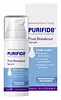
This brightening serum is formulated around Niacinamide and Bakuchiol to fade the look of dark spots and refine skin texture.
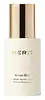
This barrier-repair moisturizer is formulated around Squalane and Avena Sativa Kernel Extract to strengthen the skin barrier and hydrate skin.


What's inside
What's inside
 Key Ingredients
Benefits
Concerns
No concerns
Ingredients Side-by-side
Water
Skin ConditioningCoco-Caprylate/Caprate
Emollient
Niacinamide
Smoothing











Caprylic/Capric Triglyceride
Masking
Glycerin
Humectant
Panthenol
Skin Conditioning
Xanthan Gum
EmulsifyingLysolecithin
EmulsifyingSclerotium Gum
Emulsion StabilisingBakuchiol
Antimicrobial

Hydroxyacetophenone
Antioxidant
Zinc Gluconate
Skin Conditioning
Pullulan
1,2-Hexanediol
Skin Conditioning
Caprylyl Glycol
Emollient
Sodium Phytate
ChelatingSilica
Abrasive
Pantolactone
Humectant
Citric Acid
Buffering

Water
Skin ConditioningCoco-Caprylate/Caprate
Emollient
Dicaprylyl Carbonate
EmollientSimmondsia Chinensis Butter
Skin Conditioning


Squalane
Emollient
Propanediol
Solvent
C12-16 Alcohols
EmollientStearic Acid
Cleansing
Glycerin
Humectant
Glyceryl Stearate Citrate
Emollient
Haematococcus Pluvialis Extract
Antioxidant
Avena Sativa Kernel Extract
Abrasive
Sodium Acetylated Hyaluronate
Humectant
Sclerotium Gum
Emulsion StabilisingPalmitic Acid
Emollient
Polyacrylate-13
Hydrogenated Lecithin
Emulsifying
1,2-Hexanediol
Skin Conditioning
Caprylyl Glycol
Emollient
Hydroxyacetophenone
Antioxidant
Hydrogenated Polyisobutene
EmollientLysolecithin
EmulsifyingPolyglyceryl-10 Laurate
Skin Conditioning
Pullulan
Xanthan Gum
EmulsifyingArginine
Masking
Ethylhexyl Palmitate
Emollient
Sorbitan Isostearate
Emulsifying
Silica
Abrasive
Tocopherol
Antioxidant
Caramel
Cosmetic ColorantWater, Coco-Caprylate/Caprate, Dicaprylyl Carbonate, Simmondsia Chinensis Butter, Squalane, Propanediol, C12-16 Alcohols, Stearic Acid, Glycerin, Glyceryl Stearate Citrate, Haematococcus Pluvialis Extract, Avena Sativa Kernel Extract, Sodium Acetylated Hyaluronate, Sclerotium Gum, Palmitic Acid, Polyacrylate-13, Hydrogenated Lecithin, 1,2-Hexanediol, Caprylyl Glycol, Hydroxyacetophenone, Hydrogenated Polyisobutene, Lysolecithin, Polyglyceryl-10 Laurate, Pullulan, Xanthan Gum, Arginine, Ethylhexyl Palmitate, Sorbitan Isostearate, Silica, Tocopherol, Caramel
Reviews
Ingredients Explained
These ingredients are found in both products.
Ingredients higher up in an ingredient list are typically present in a larger amount.
1,2-Hexanediol is a synthetic liquid and another multi-functional powerhouse.
It is a:
- Humectant, drawing moisture into the skin
- Emollient, helping to soften skin
- Solvent, dispersing and stabilizing formulas
- Preservative booster, enhancing the antimicrobial activity of other preservatives
Caprylyl Glycol is a humectant, skin conditioner, emollient, and preservative booster derived from either caprylic acid or synthetically created.
Typical use levels vary from 0.3-1% as a preservative booster and go up to 2% to condition skin.
Because it is not a free-fatty acid, this ingredient is fungal acne safe (there's nothing for Malassezia to feed on).
Learn more about Caprylyl GlycolCoco-Caprylate/Caprate is a lightweight ester created from coconut oil fatty acids, caprylic acid, and capric acid.
It is an emollient that helps soften skin and reduce transepidermal water loss (TEWL). What sets it apart from heavier emollients is its ultralight, non-greasy feel.
Once applied, this ingredient dries down quickly and leaves a dry, silky finish behind. This also helps improve spreadability and texture.
This ingredient has an excellent safety-record and is non-irritating.
Typical concentrations for cosmetics range from 0.5-62%.
Research on Malassezia growth found no growth on fatty acid esters with chain lengths shorter than 12 carbons (it prefers C11-24).
Since Coco-Caprylate/Caprate is built on C8 and C10 fatty acids, it is out of the range that Malassezia metabolizes, and therefore safe for fungal acne.
Learn more about Coco-Caprylate/CaprateGlycerin (or glycerol) is a compound naturally found in your skin. It's a powerhouse humectant that pulls water into the stratum corneum.
Topically, glycerin does several things at once:
Your skin makes glycerin on its own (mostly from sebaceous oil breakdown) and shuttles it to your outermost layer of skin, or your epidermis, via aquaporin-3.
Aquaporin-3 is a transporter that is essential for normal skin hydration, elasticity, and repair. Interestingly, mice lacking in AQP3 have dry and less elastic skin that can be fully corrected with glycerin.
This ingredient is non-irritating, plays well with almost every ingredient, and works across all skin types. Typical use is anywhere between 3-10% but can go up to 79% in some leave-on products.
Just know very high concentrations (>40%) can feel tacky in low humidity.
Glycerin is the name for this ingredient in American English. British English uses Glycerol/Glycerine.
Learn more about GlycerinHydroxyacetophenone is a small phenolic molecule that earns its place in a formulas as an antioxidant and preservative booster.
As a phenol, it is able to neutralize free radicals to protect both the product and the skin from oxidative stress.
Though it can't kill microbes on its own, it works as a good supporting agent when combined with other preservatives like Phenoxyethanol or 1,2-Hexanediol.
This ingredient naturally occurs as piceol in Norwegian spruce needles (~0.4-1.1% dry weight and in cloudberries). Though the cosmetic-grade material is synthesized for purity and consistency.
You'll usually see it used at low levels and suppliers recommend up to 1% added to a water phase.
Safety testing was done at concentrations like 0.05% in SPF products and 0.5% in a Human Repeated Insult Patch Test. The safety evidence is assuring; this ingredient is safe for cosmetics in current use and also holds safety status as a food flavoring as well.
An honest caveat: the "soothing" and "anti-inflammatory" claims come mostly from supplier marketing rather than published clinical trials. The Cosmetic Ingredient Review's own literature search found no useful efficacy studies on this ingredient.
So the antioxidant and preservative-boosting roles are the well supported ones while the calming benefit is plausible but thinly evidenced.
Overall, this is a well-tolerated, low-irritation multitasker that quietly helps a formula stay fresh and stable.
Learn more about HydroxyacetophenoneWe don't have a description for Lysolecithin yet.
Pullulan is a low viscosity polysaccharide (a long chain carbohydrate) with binding and film forming properties when dissolved in water. It is used to create a "silicone-like" or silky feel in cosmetics without adding viscosity.
According to a manufacturer, this ingredient's ability to easily dissolves makes it a great carrier for active ingredients.
Due to it being edible and tasteless, you'll likely find this ingredient in breath freshener strips. This ingredient is produced from the starch of the fungus, Aureobasidium pullulans.
Pullulan is stable over a broad-range of pH.
Learn more about PullulanSclerotium Gum is a natural sugar-based fiber made by fermenting a fungus called Sclerotium rolfsii. It's often used as the plant-friendly alternative for synthetic thickeners like carbomer.
In skincare, it works as a thickener, gel former, and stabilizer that keeps heavy ingredients suspended so a product does not separate.
It is non-ionic and forms a triple helix in solution. This is just a fancy way of saying it builds a smooth, cushiony, and non-sticky gel that feels silkier than many other gums.
Another perk of this ingredient is that it is very sturdy and holds up across a wide pH range (~2-11). It's also good at resisting heat and hydrolysis.
Since it holds water at the skin surface, it can provide some light hydration as well.
Typical use levels are around 0.25-2%; formulators usually use 0.2-0.5% to thicken lotions and up to 2% for a firmer gel base.
This ingredient has been found safe in cosmetics with no meaningful evidence of skin sensitization.
Learn more about Sclerotium GumSilica, also known as silicon dioxide, is a naturally occurring mineral. It is used as a fine, spherical, and porous powder in cosmetics.
Though it has exfoliant properties, the function of silica varies depending on the product.
The unique structure of silica enhances the spreadability and adds smoothness, making it a great texture enhancer.
It is also used as an active carrier, emulsifier, and mattifier due to its ability to absorb excess oil.
In some products, tiny microneedles called spicules are made from silica or hydrolyzed sponge. When you rub them in, they lightly polish away dead skin layers and enhance the penetration of active ingredients.
Learn more about SilicaWater. It's the most common cosmetic ingredient of all. You'll usually see it at the top of ingredient lists, meaning that it makes up the largest part of the product.
So why is it so popular? Water most often acts as a solvent - this means that it helps dissolve other ingredients into the formulation.
You'll also recognize water as that liquid we all need to stay alive. If you see this, drink a glass of water. Remember to stay hydrated!
Learn more about WaterXanthan gum is used as a stabilizer and thickener within cosmetic products. It helps give products a sticky, thick feeling - preventing them from being too runny.
On the technical side of things, xanthan gum is a polysaccharide - a combination consisting of multiple sugar molecules bonded together.
Xanthan gum is a pretty common and great ingredient. It is a natural, non-toxic, non-irritating ingredient that is also commonly used in food products.
Learn more about Xanthan Gum

