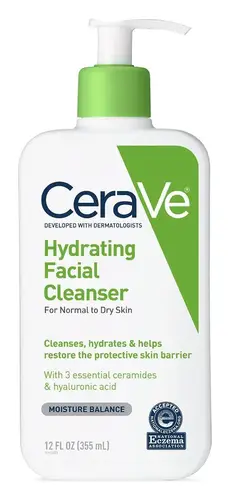
This salicylic acid foaming cleanser is formulated around Salicylic Acid to clear breakouts and unclog pores.
This mild cream cleanser is made to cleanse without leaving your skin tight or dry.


What's inside
What's inside
 Key Ingredients
Benefits
Concerns
Ingredients Side-by-side
Water
Skin ConditioningGlycerin
Humectant


Myristic Acid
Cleansing



Stearic Acid
Cleansing
Potassium Hydroxide
BufferingLauric Acid
Cleansing
Niacinamide
Smoothing









Glyceryl Stearate Se
Emulsifying
Glycol Distearate
Emollient
Palmitic Acid
Emollient
Cocamidopropyl Betaine
Cleansing

Potassium Cocoyl Glycinate
Surfactant
Sodium Polyacrylate
Absorbent
Sorbitan Olivate
Emulsifying
Sorbitol
Humectant
Allantoin
Skin Conditioning
Potassium Cocoate
Emulsifying
Polyquaternium-10
Sodium Chloride
MaskingPolyquaternium-7
Butylene Glycol
Humectant
Caprylyl Glycol
Emollient
Acrylates/C10-30 Alkyl Acrylate Crosspolymer
Emulsion StabilisingTetrasodium EDTA
ChelatingAnthemis Nobilis Flower Oil
Masking


Pyrus Communis Fruit Extract
Skin ConditioningRosa Damascena Flower Water
Masking
Prunus Persica Fruit Extract
Abrasive
Thuja Orientalis Extract
AntimicrobialCyanocobalamin
Skin ConditioningJasminum Officinale Flower Water
MaskingCitrus Aurantium Amara Flower Extract
RefreshingRosmarinus Officinalis Leaf Oil
Masking
Cucumis Melo Fruit Extract
Skin ConditioningHedera Helix Leaf/Stem Extract
Antimicrobial1,2-Hexanediol
Skin Conditioning
Panthenol
Skin Conditioning
Sodium DNA
Skin Conditioning
Sodium Benzoate
Masking
Coptis Chinensis Root Extract
Antioxidant
Ethylhexylglycerin
Skin ConditioningGluconolactone
Chelating
Glutathione
Capryloyl Salicylic Acid
Exfoliating
Salicylic Acid
Masking
Caprylic/Capric Triglyceride
Masking
Adansonia Digitata Seed Oil
Emollient
Hydrogenated Lecithin
Emulsifying
Pentylene Glycol
Skin Conditioning
Ceramide NP
Skin Conditioning
Madecassoside
Antioxidant
Corchorus Olitorius Leaf Extract
Skin ConditioningCarum Petroselinum Extract
Skin ConditioningHibiscus Esculentus Fruit Extract
Skin ConditioningDecyl Glucoside
Cleansing
Dimethylsilanol Hyaluronate
Humectant
Hydrolyzed Hyaluronic Acid
Humectant
Hydrolyzed Sodium Hyaluronate
Skin Conditioning
Sodium Hyaluronate
Humectant
Potassium Hyaluronate
Skin ConditioningHyaluronic Acid
Humectant
Ceramide As
Skin Conditioning
Ceramide Ns
Skin Conditioning
Hydroxypropyltrimonium Hyaluronate
Sodium Hyaluronate Crosspolymer
Humectant
Sodium Hyaluronate Dimethylsilanol
HumectantCeramide AP
Skin Conditioning
Ceramide EOP
Skin Conditioning
Sodium Acetylated Hyaluronate
Humectant
Water, Glycerin, Myristic Acid, Stearic Acid, Potassium Hydroxide, Lauric Acid, Niacinamide, Glyceryl Stearate Se, Glycol Distearate, Palmitic Acid, Cocamidopropyl Betaine, Potassium Cocoyl Glycinate, Sodium Polyacrylate, Sorbitan Olivate, Sorbitol, Allantoin, Potassium Cocoate, Polyquaternium-10, Sodium Chloride, Polyquaternium-7, Butylene Glycol, Caprylyl Glycol, Acrylates/C10-30 Alkyl Acrylate Crosspolymer, Tetrasodium EDTA, Anthemis Nobilis Flower Oil, Pyrus Communis Fruit Extract, Rosa Damascena Flower Water, Prunus Persica Fruit Extract, Thuja Orientalis Extract, Cyanocobalamin, Jasminum Officinale Flower Water, Citrus Aurantium Amara Flower Extract, Rosmarinus Officinalis Leaf Oil, Cucumis Melo Fruit Extract, Hedera Helix Leaf/Stem Extract, 1,2-Hexanediol, Panthenol, Sodium DNA, Sodium Benzoate, Coptis Chinensis Root Extract, Ethylhexylglycerin, Gluconolactone, Glutathione, Capryloyl Salicylic Acid, Salicylic Acid, Caprylic/Capric Triglyceride, Adansonia Digitata Seed Oil, Hydrogenated Lecithin, Pentylene Glycol, Ceramide NP, Madecassoside, Corchorus Olitorius Leaf Extract, Carum Petroselinum Extract, Hibiscus Esculentus Fruit Extract, Decyl Glucoside, Dimethylsilanol Hyaluronate, Hydrolyzed Hyaluronic Acid, Hydrolyzed Sodium Hyaluronate, Sodium Hyaluronate, Potassium Hyaluronate, Hyaluronic Acid, Ceramide As, Ceramide Ns, Hydroxypropyltrimonium Hyaluronate, Sodium Hyaluronate Crosspolymer, Sodium Hyaluronate Dimethylsilanol, Ceramide AP, Ceramide EOP, Sodium Acetylated Hyaluronate
Water
Skin ConditioningGlycerin
Humectant
Cetearyl Alcohol
Emollient
PEG-40 Stearate
Emulsifying
Stearyl Alcohol
Emollient
Potassium Phosphate
BufferingCeramide NP
Skin Conditioning
Ceramide AP
Skin Conditioning
Ceramide EOP
Skin Conditioning
Carbomer
Emulsion StabilisingGlyceryl Stearate
Emollient
Behentrimonium Methosulfate
SurfactantSodium Lauroyl Lactylate
EmulsifyingSodium Hyaluronate
Humectant
Cholesterol
Emollient
Phenoxyethanol
Preservative
Disodium EDTA
ChelatingDipotassium Phosphate
BufferingTocopherol
Antioxidant
Phytosphingosine
Skin Conditioning
Xanthan Gum
EmulsifyingCetyl Alcohol
Emollient
Polysorbate 20
Emulsifying
Ethylhexylglycerin
Skin ConditioningWater, Glycerin, Cetearyl Alcohol, PEG-40 Stearate, Stearyl Alcohol, Potassium Phosphate, Ceramide NP, Ceramide AP, Ceramide EOP, Carbomer, Glyceryl Stearate, Behentrimonium Methosulfate, Sodium Lauroyl Lactylate, Sodium Hyaluronate, Cholesterol, Phenoxyethanol, Disodium EDTA, Dipotassium Phosphate, Tocopherol, Phytosphingosine, Xanthan Gum, Cetyl Alcohol, Polysorbate 20, Ethylhexylglycerin
Reviews
Ingredients Explained
These ingredients are found in both products.
Ingredients higher up in an ingredient list are typically present in a larger amount.
Ceramide AP is is a skin-identical lipid that mimics what your skin already makes naturally. Ceramides help maintain epidermal integrity and barrier function.
You'll often see this ingredient paired with other ceramides (like ceramide NP), cholesterol, or fatty acids because this combination best mimics the natural lipid mix your skin already has.
The skin's ability to produce ceramides gets disrupted in skin conditions like eczema. This in turn weakens the skin barrier and applying ceramides topically has been shown to replenish what's been lost to restore barrier function.
Most of the studies with Ceramide AP test it as part of a multi-ceramide complex; studies reinforce ceramide AP's role in rebalancing ceramides in skin and improving skin hydration.
Learn more about Ceramide APCeramide EOP is formally known as Ceramide 1.
It is naturally found in skin and part of the intercellular "mortar" holding everything together in your outermost layer.
EOP stands for a linked Ester fatty acid, a linked Omega hydroxy fatty acid, and the Phytosphingosine base.
What makes Ceramide EOP special is its ultra-long fatty acid chain; this unique structure allows it to bridge the lipid layers in your skin barrier to prevent water loss (something no other ceramide can do).
Low levels of Ceramide EOP have been found in people with eczema and psoriasis.
Using it together with other ceramides, cholesterol, and linoleic acid have been shown to meaningfully improve hydration and reduce water loss.
In one clinical study, a regimen using Ceramide EOP, NP, and AP led to significant symptom improvements in patients with eczema, psoriasis, and dry skin in just 4 weeks.
You'll usually see concentrations between 0.1-0.5% in formulations. Overall, this is a well-tolerated and safe ingredient for cosmetic use.
Learn more about Ceramide EOPCeramide NP (formerly known as Ceramide 3) is one of the skin's naturally occurring lipids.
Since ceramides are the major lipid components of the skin, they are crucial for maintaining skin barrier and hydration. Ceramide NP most closely mirrors the dominant kind in human skin amongst ceramide subtypes.
This ceramide works by slotting into gaps within the stratum corneum's lipid matrix to limit trans-epidermal water loss (TEWL) and shield the skin against external irritants.
A study with 312 patients found that using a ceramide-containing routine for 4 weeks reduced the severity of atopic dermatitis by over 61%.
Another clinical study in subjects aged 60 and older found that a ceramide body wash and moisturizer improved skin dryness and itchy skin in 15 days.
Overall, ceramides are considered non-irritating and safety tests have found little to no observable adverse effects from using this ingredient.
Ceramide NP is usually sourced from plants (like soybean or rice bran), or produced synthetically.
Learn more about Ceramide NPEthylhexylglycerin is created from glycerin. It is a multitasker ingredient that:
The CIR Expert Panel found minimal skin absorption or sensitization of any kind in a safety assessment. Though this ingredient is considered well-tolerated, a small number of cases of allergic dermatitis have been published since 2002. Just be sure to patch test if you are unsure.
Industry-reported use ranges from 8% in rinse-off products and 2% in leave-on formulations.
Learn more about EthylhexylglycerinGlycerin (or glycerol) is a compound naturally found in your skin. It's a powerhouse humectant that pulls water into the stratum corneum.
Topically, glycerin does several things at once:
Your skin makes glycerin on its own (mostly from sebaceous oil breakdown) and shuttles it to your outermost layer of skin, or your epidermis, via aquaporin-3.
Aquaporin-3 is a transporter that is essential for normal skin hydration, elasticity, and repair. Interestingly, mice lacking in AQP3 have dry and less elastic skin that can be fully corrected with glycerin.
This ingredient is non-irritating, plays well with almost every ingredient, and works across all skin types. Typical use is anywhere between 3-10% but can go up to 79% in some leave-on products.
Just know very high concentrations (>40%) can feel tacky in low humidity.
Glycerin is the name for this ingredient in American English. British English uses Glycerol/Glycerine.
Learn more about GlycerinSodium Hyaluronate is the salt form of hyaluronic acid. It is a long sugar chain that is naturally found in your skin, joints, and connective tissue that maintains hydration and elasticity.
In skincare, it works as a humectant. It pulls water from the environment and deeper layers of skin and binds it to the surface.
Interestingly, the size of the molecule affects its behavior:
Some clinical evidence links low molecular weight versions to improved wrinkle depth, elasticity, anti-inflammatory effects, and barrier repair.
Many serums use a blend of both weights so you can get surface hydration plus longer-lasting and deeper effects.
You'll typically see concentrations between 0.1-2% for this ingredient.
Learn more about Sodium HyaluronateWater. It's the most common cosmetic ingredient of all. You'll usually see it at the top of ingredient lists, meaning that it makes up the largest part of the product.
So why is it so popular? Water most often acts as a solvent - this means that it helps dissolve other ingredients into the formulation.
You'll also recognize water as that liquid we all need to stay alive. If you see this, drink a glass of water. Remember to stay hydrated!
Learn more about Water

