Lancôme Advanced Genifique Eye Light Pearl Versus Rodan + Fields Active Hydration Bright Eye Complex
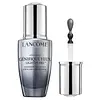
This anti-aging eye moisturizer is formulated around Bifida Ferment Lysate and Ascorbyl Glucoside to soften the look of wrinkles and brighten dull-looking skin.
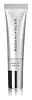
This eye moisturizer is formulated around Caffeine and Pyrus Malus Fruit Extract to hydrate skin.


What's inside
What's inside
 Key Ingredients
Benefits
Concerns
Ingredients Side-by-side
Water
Skin ConditioningBifida Ferment Lysate
Skin Conditioning



Propanediol
Solvent
Glycerin
Humectant
Alcohol Denat.
Antimicrobial




Dimethicone
Emollient
Methyl Gluceth-20
Humectant
CI 77891
Cosmetic ColorantT-Butyl Alcohol
Perfuming

Ascorbyl Glucoside
Antioxidant



Mica
Cosmetic ColorantEscin
TonicTocopheryl Acetate
Antioxidant
Lactic Acid
Buffering




Lactobacillus
Skin ConditioningMadecassoside
Antioxidant
Sodium Benzoate
Masking
Sodium Hyaluronate
Humectant
Sodium Hydroxide
BufferingAdenosine
Skin Conditioning
Faex Extract
Skin ConditioningAcetic Acid
BufferingCaffeine
Skin Conditioning
Arginine
Masking
Chlorphenesin
Antimicrobial
Polyacrylamide
Cellulose
Absorbent
Silica
Abrasive
Polymnia Sonchifolia Root Juice
Skin ConditioningMaltodextrin
Absorbent
Salicyloyl Phytosphingosine
Skin ConditioningChlorella Vulgaris Extract
Skin ConditioningDimethicone/Vinyl Dimethicone Crosspolymer
Skin Conditioning
Ammonium Acryloyldimethyltaurate/Vp Copolymer
Dimethiconol
Emollient
Pentaerythrityl Tetraethylhexanoate
Emollient
Mannose
HumectantXanthan Gum
EmulsifyingPentylene Glycol
Skin Conditioning
Pentaerythrityl Tetra-Di-T-Butyl Hydroxyhydrocinnamate
Antioxidant
Alpha-Glucan Oligosaccharide
Cleansing
Caprylyl Glycol
Emollient
Caprylic/Capric Triglyceride
Masking
Bis-PEG/PPG-16/16 PEG/PPG-16/16 Dimethicone
Emollient
Citric Acid
Buffering
Aluminum Starch Octenylsuccinate
Absorbent
Laureth-7
EmulsifyingC13-14 Isoparaffin
Emollient
Water, Bifida Ferment Lysate, Propanediol, Glycerin, Alcohol Denat., Dimethicone, Methyl Gluceth-20, CI 77891, T-Butyl Alcohol, Ascorbyl Glucoside, Mica, Escin, Tocopheryl Acetate, Lactic Acid, Lactobacillus, Madecassoside, Sodium Benzoate, Sodium Hyaluronate, Sodium Hydroxide, Adenosine, Faex Extract, Acetic Acid, Caffeine, Arginine, Chlorphenesin, Polyacrylamide, Cellulose, Silica, Polymnia Sonchifolia Root Juice, Maltodextrin, Salicyloyl Phytosphingosine, Chlorella Vulgaris Extract, Dimethicone/Vinyl Dimethicone Crosspolymer, Ammonium Acryloyldimethyltaurate/Vp Copolymer, Dimethiconol, Pentaerythrityl Tetraethylhexanoate, Mannose, Xanthan Gum, Pentylene Glycol, Pentaerythrityl Tetra-Di-T-Butyl Hydroxyhydrocinnamate, Alpha-Glucan Oligosaccharide, Caprylyl Glycol, Caprylic/Capric Triglyceride, Bis-PEG/PPG-16/16 PEG/PPG-16/16 Dimethicone, Citric Acid, Aluminum Starch Octenylsuccinate, Laureth-7, C13-14 Isoparaffin
Water
Skin ConditioningCaprylyl Methicone
Skin Conditioning
Glycerin
Humectant
PEG-12 Dimethicone/PPG-20 Crosspolymer
Dimethicone
Emollient
Alcohol Denat.
Antimicrobial
Caffeine
Skin Conditioning
Hylocereus Undatus Fruit Extract
Skin ConditioningPassiflora Edulis Fruit Extract
Skin ConditioningPyrus Malus Fruit Extract
Skin Conditioning
Chlorella Vulgaris Extract
Skin ConditioningCeramide AP
Skin Conditioning
Ceramide EOP
Skin Conditioning
Ceramide Eos
Skin Conditioning
Ceramide NP
Skin Conditioning
Ceramide Ns
Skin Conditioning
Calcium PCA
Humectant
Magnesium PCA
Humectant
Adenosine
Skin Conditioning
Hydroxyacetophenone
Antioxidant
Tocopherol
Antioxidant
Cholesterol
Emollient
Tocopheryl Acetate
Antioxidant
Sodium Hyaluronate
Humectant
Gellan Gum
Lactic Acid
Buffering
Cera Alba
Emollient

Caprooyl Phytosphingosine
Skin Conditioning
Caprooyl Sphingosine
Skin ConditioningCetyl Alcohol
Emollient
Behenic Acid
Cleansing
Hydrated Silica
Abrasive
Silica Dimethyl Silylate
EmollientTriethoxycaprylylsilane
PEG-12 Dimethicone
Skin Conditioning
Isododecane
EmollientPolyisobutene
Cyclopentasiloxane
Emollient
Polysilicone-11
Cetyl Hydroxyethylcellulose
Emulsion StabilisingPolysorbate 20
Emulsifying
Sorbitan Isostearate
Emulsifying
Lecithin
Emollient
PEG/PPG-18/18 Dimethicone
Emulsifying
Coco-Caprylate/Caprate
Emollient
C12-14 Pareth-12
EmulsifyingCeteareth-25
CleansingMaris Sal
Skin ConditioningSilica
Abrasive
Silica Silylate
Emollient
Decyl Glucoside
Cleansing
Parfum
Masking
Acrylamide/Ammonium Acrylate Copolymer
Dimethylacrylamide/Acrylic Acid/Polystyrene Ethyl Methacrylate Copolymer
Skin ConditioningDimethicone Crosspolymer
Emulsion Stabilising
Dimethicone/Vinyl Dimethicone Crosspolymer
Skin Conditioning
Hydroxypropyl Methylcellulose Stearoxy Ether
Disodium Phosphate
BufferingSodium Metabisulfite
Antioxidant
Synthetic Fluorphlogopite
Tin Oxide
Abrasive
Pentylene Glycol
Skin Conditioning
Hexylene Glycol
EmulsifyingButylene Glycol
Humectant
Caprylyl Glycol
Emollient
Ethylhexylglycerin
Skin ConditioningSodium Benzoate
Masking
Chlorphenesin
Antimicrobial
Phenoxyethanol
Preservative
CI 77491
Cosmetic ColorantCI 77492
Cosmetic ColorantCI 77891
Cosmetic ColorantWater, Caprylyl Methicone, Glycerin, PEG-12 Dimethicone/PPG-20 Crosspolymer, Dimethicone, Alcohol Denat., Caffeine, Hylocereus Undatus Fruit Extract, Passiflora Edulis Fruit Extract, Pyrus Malus Fruit Extract, Chlorella Vulgaris Extract, Ceramide AP, Ceramide EOP, Ceramide Eos, Ceramide NP, Ceramide Ns, Calcium PCA, Magnesium PCA, Adenosine, Hydroxyacetophenone, Tocopherol, Cholesterol, Tocopheryl Acetate, Sodium Hyaluronate, Gellan Gum, Lactic Acid, Cera Alba, Caprooyl Phytosphingosine, Caprooyl Sphingosine, Cetyl Alcohol, Behenic Acid, Hydrated Silica, Silica Dimethyl Silylate, Triethoxycaprylylsilane, PEG-12 Dimethicone, Isododecane, Polyisobutene, Cyclopentasiloxane, Polysilicone-11, Cetyl Hydroxyethylcellulose, Polysorbate 20, Sorbitan Isostearate, Lecithin, PEG/PPG-18/18 Dimethicone, Coco-Caprylate/Caprate, C12-14 Pareth-12, Ceteareth-25, Maris Sal, Silica, Silica Silylate, Decyl Glucoside, Parfum, Acrylamide/Ammonium Acrylate Copolymer, Dimethylacrylamide/Acrylic Acid/Polystyrene Ethyl Methacrylate Copolymer, Dimethicone Crosspolymer, Dimethicone/Vinyl Dimethicone Crosspolymer, Hydroxypropyl Methylcellulose Stearoxy Ether, Disodium Phosphate, Sodium Metabisulfite, Synthetic Fluorphlogopite, Tin Oxide, Pentylene Glycol, Hexylene Glycol, Butylene Glycol, Caprylyl Glycol, Ethylhexylglycerin, Sodium Benzoate, Chlorphenesin, Phenoxyethanol, CI 77491, CI 77492, CI 77891
Ingredients Explained
These ingredients are found in both products.
Ingredients higher up in an ingredient list are typically present in a larger amount.
Adenosine is a purine nucleoside that your body already makes in every cell. In skincare, it acts mainly as a skin conditioning and anti-aging agent.
The way it works is fairly well mapped out:
Your skin has cells called fibroblasts that build collagen (the stuff that keeps skin firm and smooth). Adenosine basically flips a switch on these cells that tells them to get to work making more collagen and other proteins. These cells slow down on their own as skin ages, so Adenosine helps give them a little nudge to keep going.
The clinical backing is pretty solid too.
A blind, randomized, placebo-controlled trial of 126 women aged 45-65 tested a 0.1% cream twice daily and found real improvements in crow's feet and frown lines using a precise 3D skin-mapping technique; these changes showed up by week 3 and held at 2 months.
A later study using Adenosine-loaded dissolving microneedle patches reported gains in wrinkle depth, dermal density, elasticity, and hydration.
On concentrations, South Korea's Ministry of Food and Drug Safety has set 0.04% as the approved functional anti-wrinkle level. You'll typically see this ingredient used somewhere in the 0.04-0.1% range since it works at low doses.
This ingredient has been found safe for cosmetics with the data showing no irritation or sensitization.
Overall, this is a great ingredient for any anti-aging routine and has no photosensitizing effect, so it suits both AM and PM use.
Learn more about AdenosineAlcohol Denat. is an alcohol with a denaturant property. It is created by mixing ethanol with other additives.
The "denat" part just means "denatured"; common denaturants include Denatonium Benzoate, t-butyl alcohol, and Diethyl Phthalate. This step makes the alcohol undrinkable (and lets brand skip taxes related to beverage alcohol).
This ingredient gets a bad rep because it is irritating and drying due to its astringent property. Astringents draw out natural oils in tissue to constrict pores and dry out your skin.
However, alcohol denat. is not all that bad.
Due to its low molecular weight, alcohol denat. tends to evaporate quickly. One study on pig skin found half of applied alcohol evaporated in 10 seconds and less than 3% stayed on skin.
This also helps other ingredients become better absorbed upon application.
Studies are conflicted about whether this ingredient causes skin dehydration. One study from 2005 found adding emollients to propanol-based sanitizer decreased skin dryness and irritation. Another study found irritation only occurs if your skin is already damaged.
Small amounts of alcohol are generally tolerated by oily skin or people who live in humid environments.
The rule of thumb is this ingredient will probably not affect your skin much if it is near the end of an ingredients list.
One thing to note:
People with ALDH2 (aldehyde dehydrogenase 2) deficiency may experience skin irritation from continued alcohol use. About 8% of the world's population have this deficiency.
The Cosmetic Ingredient Review Expert Panel has determined denatured alcohols to be safe for use in concentrations between 0.05% and 12% (depending on which denaturant is used).
Also...
This ingredient has antimicrobial and solvent properties.
The antimicrobial property helps preserve products and increase their shelf life. As a solvent, it helps dissolve other ingredients.
Look for formulas that contain glycerin, hyaluronic acid, or panthenol if you want to offset any drying effect.
This ingredient will trip away your skin's natural oils/lipids that help it lock in moisture. This can worsen dryness, trigger eczema flare-ups, and aggravate rosacea.
Be sure to patch test any product with this ingredient if you have dry or sensitive skin, eczema, or rosacea.
Learn more about Alcohol Denat.Caffeine is a naturally occurring plant compound found in coffee beans, tea leaves, cocoa pods, and guarana.
As an antioxidant, caffeine protects your skin from free radical damage caused by UV exposure and envionrmnetal stressors.
Early research also shows that caffeine can help calm redness, soothe irritated skin, and support hair growth by stimulating microcirculation in the scalp.
You might have seen eye creams marketing caffeine as a depuffing ingredient. This is because it is a vasoconstrictor meaning it can temporarily constrict blood vessels, though clinical evidence for this specific use is still limited.
Most skincare products contain this ingredient at concentrations between 1-6%. It is able to penetrate skin easily regardless of skin type or thickness.
Just so you know, a very small number of case reports describe caffeine-induced allergy. This ingredient is generally well-tolerated, non-irritating, and non-sensitizing for the majority of people.
Learn more about CaffeineCaprylyl Glycol is a humectant, skin conditioner, emollient, and preservative booster derived from either caprylic acid or synthetically created.
Typical use levels vary from 0.3-1% as a preservative booster and go up to 2% to condition skin.
Because it is not a free-fatty acid, this ingredient is fungal acne safe (there's nothing for Malassezia to feed on).
Learn more about Caprylyl GlycolChlorella Vulgaris Extract comes from a single-celled green freshwater algae.
The version used in skincare is almost always a water or glycerin-based extract that is basically the algae's amino acids, peptides, sugars, and chlorophyll pigments.
It acts as a skin-conditioning agent and the research behind it at this time is mostly lab-dish rather than human trials.
Isolated Chlorella peptides inhibit collagenase and elastase (the enzymes that chew up collagen and elastin) and mop up free radicals in test-tube assays. Another study found a Chlorella gel sped up wound healing in mice. Many of the firming or dark-circle claims come from the ingredient supplier's own studies.
Suppliers suggest using 1-2% of the trade version (Water/Glycerin + Chlorella Vulgaris Extract) in a finished formula which means the actual algae solids are a fraction of a percent.
Allergy risk is low and topical reactions are rare; the 2020 anaphylaxis case came from eating Chlorella supplements and not from putting it on skin.
However, patch testing is sensible if you have reacted to algae before.
The "chlorella is high in iodine so it breaks you out" line borrows from marine seaweed. Freshwater Chlorella isn't a notable iodine source unless it's deliberately grown in iodine-enriched medium.
Just so you know, many lists give algae a comedogenic rating of 5 and that number doesn't come from anywhere; it's not in the original rabbit-ear studies that most comedogenic ratings trace back to.
The reasoning behind the reputation is that seaweed is high in iodine and iodine can trigger acne-like breakouts when eaten. This traces back to a 1976 letter in Archives of Dermatology describing two women whose breakouts cleared after they stopped taking high-dose kelp supplements orally.
And the reaction of these two women wasn't clogged pores at all: it was an iodine-triggered pustular rash. Later research found normal dietary iodine doesn't meaningfully affect acne either and nobody has shown topical algae delivers enough iodine to matter.
Learn more about Chlorella Vulgaris ExtractChlorphenesin is a synthetic preservative. It helps protect a product against bacteria in order to extend shelf life. In most cases, Chlorphenesin is paired with other preservatives such as phenoxyethanol and caprylyl glycol.
Chlorphenesin is a biocide. This means it is able to help fight the microorganisms on our skin. It is also able to fight odor-releasing bacteria.
Chlorphenesin is soluble in both water and glycerin.
Studies show Chlorphenesin is easily absorbed by our skin. You should speak with a skincare professional if you have concerns about using Chlorphenesin.
Learn more about ChlorphenesinCi 77891 is a white pigment from Titanium dioxide. It is naturally found in minerals such as rutile and ilmenite.
It's main function is to add a white color to cosmetics. It can also be mixed with other colors to create different shades.
Ci 77891 is commonly found in sunscreens due to its ability to block UV rays.
Learn more about CI 77891Dimethicone is a type of synthetic silicone created from natural materials such as quartz. It is also known as polydimethylsiloxane.
What it does:
Dimethicone comes in different viscosities:
Depending on the viscosity, dimethicone has different properties.
Ingredients lists don't always show which type is used, so we recommend reaching out to the brand if you have questions about the viscosity.
This ingredient is unlikely to cause irritation because it does not get absorbed into skin. However, people with silicone allergies should be careful about using this ingredient.
Note: Dimethicone may contribute to pilling. This is because it is not oil or water soluble, so pilling may occur when layered with products. When mixed with heavy oils in a formula, the outcome is also quite greasy.
Learn more about DimethiconeThis ingredient is a silicone elastomer that works as a texture enhancer, adds a silky slip, and also helps absorb excess oil.
Because it's a large macromolecule that's insoluble in water and chemically inert, it's not expected to penetrate or be absorbed into skin.
Human patch tests with a facial lotion containing 1% of this ingredient found no sensitization.
Learn more about Dimethicone/Vinyl Dimethicone CrosspolymerGlycerin (or glycerol) is a compound naturally found in your skin. It's a powerhouse humectant that pulls water into the stratum corneum.
Topically, glycerin does several things at once:
Your skin makes glycerin on its own (mostly from sebaceous oil breakdown) and shuttles it to your outermost layer of skin, or your epidermis, via aquaporin-3.
Aquaporin-3 is a transporter that is essential for normal skin hydration, elasticity, and repair. Interestingly, mice lacking in AQP3 have dry and less elastic skin that can be fully corrected with glycerin.
This ingredient is non-irritating, plays well with almost every ingredient, and works across all skin types. Typical use is anywhere between 3-10% but can go up to 79% in some leave-on products.
Just know very high concentrations (>40%) can feel tacky in low humidity.
Glycerin is the name for this ingredient in American English. British English uses Glycerol/Glycerine.
Learn more about GlycerinLactic Acid is another well-loved alpha hydroxy acid (AHA). It is gentler than glycolic acid but still highly effective.
Its main role is to exfoliate the surface of the skin by loosening the “glue” that holds dead skin cells together. Shedding those old cells leads to smoother, softer, and more even-toned skin.
Because lactic acid molecules are larger than glycolic acid, they don’t penetrate as deeply. This means they’re less likely to sting or irritate, making it a great choice for beginners or those with sensitive skin.
Like glycolic acid, it can:
Lactic acid also acts as a humectant (like hyaluronic acid). It can draw water into the skin to improve hydration and also plays a role in the skin's natural moisturizing factor (NMF) in the form of sodium lactate.
Studies show it can boost ceramide production to strengthen the skin barrier and even help balance the skin’s microbiome.
To get results, choose products with a pH between 3-4.
Lower strengths (5-12%) focus on surface exfoliation; higher strengths (12% and up) can reach deeper in the dermis (deeper, supportive layer) to improve skin texture and firmness over time.
Though it was originally derived from milk, most modern lactic acid used in skincare is vegan. It is made through non-dairy fermentation to create a bio-identical and stable form suitable for all formulations.
When lactic acid shows up near the end of an ingredient list, it usually means the brand added just a tiny amount to adjust the product’s pH.
Legend has it that Cleopatra used to bathe in sour milk to help reduce wrinkles.
Lactic acid is truly a gentle multitasker: it exfoliates, hydrates, strengthens, and brightens. It's a great ingredient for giving your skin a smooth, glowing, and healthy look without the harshness of stronger acids.
Read more about some other popular AHA's here:
Learn more about Lactic AcidPentylene Glycol (1,2-pentanediol) is a multitasking little diol with three main roles in a formula:
Research on alkanediols (the family pentylene glycol belongs to) show they work by disrupting microbial cell membranes. This disruption helps the primary preservative system in a product work more effectively at lower doses.
On the safety side, the Cosmetic Ingredient Review Expert Panel has concluded this ingredient to be safe as used in current cosmetic practices + concentrations.
Typical use levels in a formula run about 1-5%.
Learn more about Pentylene GlycolSilica, also known as silicon dioxide, is a naturally occurring mineral. It is used as a fine, spherical, and porous powder in cosmetics.
Though it has exfoliant properties, the function of silica varies depending on the product.
The unique structure of silica enhances the spreadability and adds smoothness, making it a great texture enhancer.
It is also used as an active carrier, emulsifier, and mattifier due to its ability to absorb excess oil.
In some products, tiny microneedles called spicules are made from silica or hydrolyzed sponge. When you rub them in, they lightly polish away dead skin layers and enhance the penetration of active ingredients.
Learn more about SilicaSodium Benzoate is a preservative. It's used in both cosmetic and food products to inhibit the growth of mold and bacteria. It is typically produced synthetically.
Both the US FDA and EU Health Committee have approved the use of sodium benzoate. In the US, levels of 0.1% (of the total product) are allowed.
Sodium benzoate works as a preservative by inhibiting the growth of bacteria inside of cells. It prevents the cell from fermenting a type of sugar using an enzyme called phosphofructokinase.
It is the salt of benzoic acid. Foods containing sodium benzoate include soda, salad dressings, condiments, fruit juices, wines, and snack foods.
Studies for using ascorbic acid and sodium benzoate in cosmetics are lacking, especially in skincare routines with multiple steps.
We always recommend speaking with a professional, such as a dermatologist, if you have any concerns.
Learn more about Sodium BenzoateSodium Hyaluronate is the salt form of hyaluronic acid. It is a long sugar chain that is naturally found in your skin, joints, and connective tissue that maintains hydration and elasticity.
In skincare, it works as a humectant. It pulls water from the environment and deeper layers of skin and binds it to the surface.
Interestingly, the size of the molecule affects its behavior:
Some clinical evidence links low molecular weight versions to improved wrinkle depth, elasticity, anti-inflammatory effects, and barrier repair.
Many serums use a blend of both weights so you can get surface hydration plus longer-lasting and deeper effects.
You'll typically see concentrations between 0.1-2% for this ingredient.
Learn more about Sodium HyaluronateTocopheryl Acetate is a stable, shelf-friendly form of vitamin E.
Formulators love it because plain vitamin E oxidizes quickly once it hits air. This acetate version stays stable and resists going off, helping to extend a product's shelf life.
It's actually inactive on its own and works like a slow-release "storage" form; the enzymes in your skin called esterases gradually convert it into active vitamin E over time.
One in vivo study showed 5% of the acetate in the living layer of the epidermis converted to vitamin E after 5 days of application. This study also found the skin gained protection against UV damage even though the conversion was slow and small.
Once converted, vitamin E acts as a skin's main fat-soluble antioxidant that fights free radicals to protect skin from damage.
Topical vitamin E generally boosts the skin's photoprotection, and it reduced UV-damage in animal models.
This ingredient has some brightening potential but it's more of a prevention ingredient than spot-fader. Cell studies show it can slow down melanin production but it's worth noting that it's not the most powerful brightener out there.
Overall, it has a pretty solid safety profile and has been found to be non-irritating and non-comedogenic. Allergic reactions may happen but stay rare due to how widely the ingredient gets used.
The concentration will vary depending on the formula; industry data shows 0.1% in baby lotions, 3% in lipsticks, and 5% in foot powders. You can also find this ingredient at 100% in a pure vitamin E oil.
Most leave-on skincare keeps it at the lower end, often between 0.5-1%.
Learn more about Tocopheryl AcetateWater. It's the most common cosmetic ingredient of all. You'll usually see it at the top of ingredient lists, meaning that it makes up the largest part of the product.
So why is it so popular? Water most often acts as a solvent - this means that it helps dissolve other ingredients into the formulation.
You'll also recognize water as that liquid we all need to stay alive. If you see this, drink a glass of water. Remember to stay hydrated!
Learn more about Water

