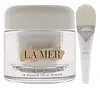
This wash off mask is made with Palmitoyl Oligopeptide and Acetyl Hexapeptide-8 for a rinse-off hydration boost.
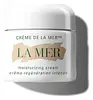
This moisturizer is formulated around Petrolatum and Copper Gluconate to hydrate skin.

What's inside
What's inside
 Key Ingredients
Benefits
Concerns
Ingredients Side-by-side
Dimethicone
Emollient

Hdi/Trimethylol Hexyllactone Crosspolymer
Cyclopentasiloxane
Emollient
Hydrogenated Polyisobutene
EmollientHydrogenated Vegetable Oil
Emollient





Caprylic/Capric/Myristic/Stearic Triglyceride
EmollientPolysilicone-11

PEG-100 Stearate
Surfactant
PEG-8 Dimethicone
Emulsifying
PEG-10 Dimethicone
Skin Conditioning
Algae Extract
Emollient
Sesamum Indicum Seed Oil
Emollient
Medicago Sativa Seed Powder
Skin ConditioningHelianthus Annuus Seedcake
Abrasive
Prunus Amygdalus Dulcis Seed Meal
Abrasive
Eucalyptus Globulus Leaf Oil
Perfuming



Sodium Gluconate
ChelatingCopper Gluconate
Skin Conditioning
Calcium Gluconate
HumectantMagnesium Gluconate
Skin ConditioningZinc Gluconate
Skin Conditioning


Tocopheryl Succinate
Antioxidant
Niacin
SmoothingSesamum Indicum Seed Powder
Skin ConditioningVitis Vinifera Seed Extract
Antimicrobial

Citrus Aurantifolia Peel Extract
Cleansing
Sigesbeckia Orientalis Extract
Skin ConditioningCrithmum Maritimum Extract
Skin ConditioningEryngium Maritimum Extract
TonicPolygonum Cuspidatum Root Extract
Antioxidant
Silybum Marianum Extract
Skin Conditioning
Bupleurum Falcatum Root Extract
Skin ConditioningHumulus Lupulus Extract
AntimicrobialCitrus Reticulata Peel Extract
Skin ConditioningMimosa Tenuiflora Bark Extract
Skin ProtectingNarcissus Tazetta Bulb Extract
Astringent
Chlorella Vulgaris Extract
Skin ConditioningSaccharomyces Lysate Extract
Humectant
Prunus Mume Fruit Extract
Humectant
Whey Protein
Skin ConditioningGelidium Cartilagineum Extract
Skin ProtectingGlycerin
Humectant
Coenzyme A
Skin ConditioningMicrococcus Lysate
Skin ConditioningLaminaria Digitata Extract
Skin Protecting
Rosmarinus Officinalis Extract
AntimicrobialLaminaria Ochroleuca Extract
Skin Conditioning
Punica Granatum Fruit Juice
MaskingSorbitol
Humectant
Corallina Officinalis Extract
Skin Conditioning
Molasses Extract
Skin ConditioningGlycine Soja Seed Extract
Skin Conditioning
Tourmaline
Caffeine
Skin Conditioning
Linolenic Acid
Cleansing
Hydrogenated Lecithin
Emulsifying
Gold
Cosmetic ColorantHydrolyzed Wheat Protein
Skin ConditioningGlycosaminoglycans
EmollientPalmitoyl Oligopeptide
Cleansing
Ammonium Acryloyldimethyltaurate/Beheneth-25 Methacrylate Crosspolymer
Emulsion StabilisingBifida Ferment Lysate
Skin Conditioning
Alcaligenes Polysaccharides
EmollientButylene Glycol
Humectant
Tetraacetylphytosphingosine
Skin ConditioningDipotassium Glycyrrhizate
Humectant
Lecithin
Emollient
Acetyl Glucosamine
Skin Conditioning
Sodium Hyaluronate
Humectant
Laureth-23
Cleansing
Acetyl Hexapeptide-8
Humectant
Linoleic Acid
Cleansing
Dipalmitoyl Hydroxyproline
Skin Conditioning
Propylene Glycol Diethylhexanoate
EmollientFaex Extract
Skin ConditioningCaprylic/Capric Triglyceride
Masking
Laureth-4
Emulsifying
Tocopheryl Acetate
Antioxidant
Diethylhexyl Syringylidenemalonate
Skin Protecting
Pentylene Glycol
Skin Conditioning
PEG-8
HumectantPotassium Sorbate
Preservative
Yeast Polysaccharides
Skin ConditioningHydroxypropyl Cyclodextrin
MaskingNordihydroguaiaretic Acid
Antioxidant
Cyclodextrin
AbsorbentMaltodextrin
Absorbent
Sucrose
Humectant
Glyceryl Polymethacrylate
Parfum
Masking
Polymethylsilsesquioxane
Silica
Abrasive
Ethylbisiminomethylguaiacol Manganese Chloride
Antioxidant
Disodium EDTA
ChelatingPhenoxyethanol
Preservative
Linalool
Perfuming
Hydroxycitronellal
Perfuming
Citronellol
Perfuming
Geraniol
Perfuming
Limonene
Perfuming
CI 61570
Cosmetic ColorantDimethicone, Hdi/Trimethylol Hexyllactone Crosspolymer, Cyclopentasiloxane, Hydrogenated Polyisobutene, Hydrogenated Vegetable Oil, Caprylic/Capric/Myristic/Stearic Triglyceride, Polysilicone-11, PEG-100 Stearate, PEG-8 Dimethicone, PEG-10 Dimethicone, Algae Extract, Sesamum Indicum Seed Oil, Medicago Sativa Seed Powder, Helianthus Annuus Seedcake, Prunus Amygdalus Dulcis Seed Meal, Eucalyptus Globulus Leaf Oil, Sodium Gluconate, Copper Gluconate, Calcium Gluconate, Magnesium Gluconate, Zinc Gluconate, Tocopheryl Succinate, Niacin, Sesamum Indicum Seed Powder, Vitis Vinifera Seed Extract, Citrus Aurantifolia Peel Extract, Sigesbeckia Orientalis Extract, Crithmum Maritimum Extract, Eryngium Maritimum Extract, Polygonum Cuspidatum Root Extract, Silybum Marianum Extract, Bupleurum Falcatum Root Extract, Humulus Lupulus Extract, Citrus Reticulata Peel Extract, Mimosa Tenuiflora Bark Extract, Narcissus Tazetta Bulb Extract, Chlorella Vulgaris Extract, Saccharomyces Lysate Extract, Prunus Mume Fruit Extract, Whey Protein, Gelidium Cartilagineum Extract, Glycerin, Coenzyme A, Micrococcus Lysate, Laminaria Digitata Extract, Rosmarinus Officinalis Extract, Laminaria Ochroleuca Extract, Punica Granatum Fruit Juice, Sorbitol, Corallina Officinalis Extract, Molasses Extract, Glycine Soja Seed Extract, Tourmaline, Caffeine, Linolenic Acid, Hydrogenated Lecithin, Gold, Hydrolyzed Wheat Protein, Glycosaminoglycans, Palmitoyl Oligopeptide, Ammonium Acryloyldimethyltaurate/Beheneth-25 Methacrylate Crosspolymer, Bifida Ferment Lysate, Alcaligenes Polysaccharides, Butylene Glycol, Tetraacetylphytosphingosine, Dipotassium Glycyrrhizate, Lecithin, Acetyl Glucosamine, Sodium Hyaluronate, Laureth-23, Acetyl Hexapeptide-8, Linoleic Acid, Dipalmitoyl Hydroxyproline, Propylene Glycol Diethylhexanoate, Faex Extract, Caprylic/Capric Triglyceride, Laureth-4, Tocopheryl Acetate, Diethylhexyl Syringylidenemalonate, Pentylene Glycol, PEG-8, Potassium Sorbate, Yeast Polysaccharides, Hydroxypropyl Cyclodextrin, Nordihydroguaiaretic Acid, Cyclodextrin, Maltodextrin, Sucrose, Glyceryl Polymethacrylate, Parfum, Polymethylsilsesquioxane, Silica, Ethylbisiminomethylguaiacol Manganese Chloride, Disodium EDTA, Phenoxyethanol, Linalool, Hydroxycitronellal, Citronellol, Geraniol, Limonene, CI 61570
Algae Extract
Emollient
Paraffinum Liquidum
Emollient
Petrolatum
Emollient
Glycerin
Humectant
Isohexadecane
EmollientCera Microcristallina
Emulsion StabilisingLanolin Alcohol
Emollient
Citrus Aurantifolia Peel Extract
Cleansing
Sesamum Indicum Seed Oil
Emollient
Eucalyptus Globulus Leaf Oil
Perfuming
Sesamum Indicum Seed Powder
Skin ConditioningMedicago Sativa Seed Powder
Skin ConditioningHelianthus Annuus Seedcake
Abrasive
Prunus Amygdalus Dulcis Seed Meal
Abrasive
Sodium Gluconate
ChelatingCopper Gluconate
Skin Conditioning
Calcium Gluconate
HumectantMagnesium Gluconate
Skin ConditioningZinc Gluconate
Skin Conditioning
Magnesium Sulfate
Paraffin
Skin Conditioning
Tocopheryl Succinate
Antioxidant
Niacin
SmoothingWater
Skin ConditioningBeta-Carotene
Skin ConditioningDecyl Oleate
Emollient
Aluminum Distearate
Emulsion StabilisingOctyldodecanol
Emollient
Citric Acid
Buffering
Cyanocobalamin
Skin ConditioningMagnesium Stearate
Cosmetic ColorantPanthenol
Skin Conditioning
Zea Mays Oil
Emulsifying
Limonene
Perfuming
Geraniol
Perfuming
Linalool
Perfuming
Hydroxycitronellal
Perfuming
Citronellol
Perfuming
Benzyl Salicylate
Perfuming
Benzyl Benzoate
Antimicrobial
Sodium Benzoate
Masking
Alcohol Denat.
Antimicrobial

Parfum
Masking
Algae Extract, Paraffinum Liquidum, Petrolatum, Glycerin, Isohexadecane, Cera Microcristallina, Lanolin Alcohol, Citrus Aurantifolia Peel Extract, Sesamum Indicum Seed Oil, Eucalyptus Globulus Leaf Oil, Sesamum Indicum Seed Powder, Medicago Sativa Seed Powder, Helianthus Annuus Seedcake, Prunus Amygdalus Dulcis Seed Meal, Sodium Gluconate, Copper Gluconate, Calcium Gluconate, Magnesium Gluconate, Zinc Gluconate, Magnesium Sulfate, Paraffin, Tocopheryl Succinate, Niacin, Water, Beta-Carotene, Decyl Oleate, Aluminum Distearate, Octyldodecanol, Citric Acid, Cyanocobalamin, Magnesium Stearate, Panthenol, Zea Mays Oil, Limonene, Geraniol, Linalool, Hydroxycitronellal, Citronellol, Benzyl Salicylate, Benzyl Benzoate, Sodium Benzoate, Alcohol Denat., Parfum
Reviews
Alternatives
Ingredients Explained
These ingredients are found in both products.
Ingredients higher up in an ingredient list are typically present in a larger amount.
Algae Extract is one of the vaguest names on any label because it just means "extract of some alga" (and there are thousands of species and dozens of ways to extract them). This just means two products listing it can contain completely different things.
This ingredient name was actually officially retired in the INCI dictionary in 2015 and brands were pushed toward species-specific names instead (like Laminaria Digitata Extract or Chondrus Crispus Extract).
Generally, it is used to hold water and soften skin in a formula. Algae are rich in polysaccharides, pigments, and amino-acids that act as humectants, emollients, and skin-conditioning agents.
It isn't on standard cosmetic-patch test panels and "seaweed dermatitis" is actually an acute irritant reaction to algal toxins in seawater and not the cosmetic ingredient.
You'll see algae listed as a 5/5 on a lot of pore-clogging charts and that number doesn't come from anywhere; it's not in the original rabbit-ear studies that most comedogenic ratings trace back to.
The reasoning behind the reputation is that seaweed is high in iodine and iodine can trigger acne-like breakouts when eaten. This traces back to a 1976 letter in Archives of Dermatology describing two women whose breakouts cleared after they stopped taking high-dose kelp supplements orally.
And the reaction of these two women wasn't clogged pores at all: it was an iodine-triggered pustular rash. Later research found normal dietary iodine doesn't meaningfully affect acne either and nobody has shown topical algae delivers enough iodine to matter.
What we do have is dozens of brown and red algae ingredients found to be non-irritating and non-sensitizing, and a handful of studies that found algae compounds may actually help acne.
However, plenty of people do report breaking out from algae-containing products. Skin is individual and it's worth avoiding if yours has reacted to algae before.
Learn more about Algae ExtractThis ingredient is calcium salt of gluconic acid. It is a humectant, meaning it attracts water to your skin.
Citronellol is used to add fragrance/parfum to a product. It is often derived from plants such as roses. In fact, it can be found in many essential oils including geranium, lavender, neroli, and more. The scent of Citronellol is often described as "fresh, grassy, and citrus-like".
Since the Citronellol molecule is already unstable, Citronellol becomes irritating on the skin when exposed to air.
Citronellol is a modified terpene. Terpenes are unsaturated hydrocarbons found in plants. They make up the primary part of essential oils.
Citronellol is not able to be absorbed into deeper layers of the skin. It has low permeability,
Citronellol is also a natural insect repellent.
Learn more about CitronellolCitrus Aurantifolia Peel Extract is a fragrance.
This ingredient is a copper salt known for its wound healing properties.
Our bodies use copper to help stabilize our skin's collagen and elastin. Its also an essential for superoxide dismutase, an enzyme with strong antioxidant properties.
Copper has wound healing properties due to its role in creating new blood vessels and tissue repair.
Learn more about Copper GluconateThis oil is derived from the leaves of Eucalyptus Globulus, a type of Eucalyptus tree native to Australia.
Though this oil shows antibacterial and antioxidant activity, it is also a known skin-irritant due to its fragrance components.
Geraniol is used to add fragrance/parfum to a product. It is the main component of citronellol. It is a monoterpenoid and an alcohol.
Monoterpenes are naturally found in many parts of different plants.
Geraniol can be found in many essential oils including Rose Oil and Citronella Oil. The scent of Geraniol is often described as "rose-like". Many foods also contain Geraniol for fruit flavoring.
Geraniol can irritate the skin when exposed to air. However, irritation depends on the ability of geraniol to penetrate into the skin. In general, geraniol is not able to penetrate skin easily.
Geraniol is colorless and has low water-solubility. However, it is soluble in common organic solvents.
Like citronellol, it is a natural insect repellent.
2,6-Octadien-1-ol, 3,7-dimethyl-, (2E)-
Learn more about GeraniolGlycerin (or glycerol) is a compound naturally found in your skin. It's a powerhouse humectant that pulls water into the stratum corneum.
Topically, glycerin does several things at once:
Your skin makes glycerin on its own (mostly from sebaceous oil breakdown) and shuttles it to your outermost layer of skin, or your epidermis, via aquaporin-3.
Aquaporin-3 is a transporter that is essential for normal skin hydration, elasticity, and repair. Interestingly, mice lacking in AQP3 have dry and less elastic skin that can be fully corrected with glycerin.
This ingredient is non-irritating, plays well with almost every ingredient, and works across all skin types. Typical use is anywhere between 3-10% but can go up to 79% in some leave-on products.
Just know very high concentrations (>40%) can feel tacky in low humidity.
Glycerin is the name for this ingredient in American English. British English uses Glycerol/Glycerine.
Learn more about GlycerinHelianthus Annuus Seedcake is an exfoliant.
Hydroxycitronellal is a fragrance created from citronellal. The smell of hydroxycitronellal is often described as "citrus-like" or "melon-like".
Hydroxycitronellal is a known EU allergen and may cause irritation when applied to the skin.
Limonene is the compound that gives citrus peel its smell.
In skincare, it shows up as a standalone fragrance ingredient or as a natural compound of citrus and other essential oils.
You'll typically see this ingredient used in very small amounts; anything above 0.001% in a leave-on product or 0.01% in a rinse-off has to be named on the label in the EU. The citrus oils that carry it sit around 0.5-1% in a finished formula.
Fresh limonene is a weak allergen; the real issue is that it slowly reacts with air and then breaks down from oxidation to create hydroperoxides (which are strong sensitizers). This is why suppliers are required to keep the peroxide value below 20 mmol.
Positive reactions in people being investigated for eczema vary:
It's worth skipping if you have a known fragrance allergy or a compromised barrier, but the risk is low for most people.
Older or long-opened products are also more likely to bother you than fresh ones due to oxidation.
Learn more about LimoneneLinalool is a small, naturally occurring scent molecule found in plants like lavender, coriander, bergamot, and more.
It is one of the two most-used fragrance ingredients in cosmetics and added purely for smell. Since it's not used for a skin benefit, there's no "effective dose". Concentration depends on the fragrance load of the product.
The EU requires it to be named on the label above 0.001% in leave-on and 0.01% in rinse-off products.
Fresh linalool is a weak sensitizer but air exposure turns some of it into hydroperoxides, which are strong sensitizers. Those oxidation products are the actual allergy concern.
Patch-test clinics see positive reactions to linalool hydroperoxides in about 4% to 12% of dermatitis patients depending on country and test concentration.
Resassuringly, one analytical study found hydroperoxide levels in real fragranced products to be orders of magnitude below what induced sensitization in animal studies with no evidence of oxidation building up during normal storage.
The practical takeaway is that linalool is fine for most people but worth avoiding if you have a confirmed fragrance contact allergy or a badly compromised barrier.
Products stored a long time after opening are also the high-risk scenario since that is when oxidation happens.
The scent of linalool is described as floral, spicy tropical, and citrus-like.
Learn more about LinaloolWe don't have a description for Magnesium Gluconate yet.
We don't have a description for Medicago Sativa Seed Powder yet.
Niacin is the other form of B3, with the other being niacinamide. The two have similar skin benefits: reducing inflammation, strengthening the skin barrier, and fading dark spots.
Parfum is a catch-all term for an ingredient or more that is used to give a scent to products.
Also called "fragrance", this ingredient can be a blend of hundreds of chemicals or plant oils. This means every product with "fragrance" or "parfum" in the ingredients list is a different mixture.
For instance, Habanolide is a proprietary trade name for a specific aroma chemical. When used as a fragrance ingredient in cosmetics, most aroma chemicals fall under the broad labeling category of “FRAGRANCE” or “PARFUM” according to EU and US regulations.
The term 'parfum' or 'fragrance' is not regulated in many countries. In many cases, it is up to the brand to define this term.
For instance, many brands choose to label themselves as "fragrance-free" because they are not using synthetic fragrances. However, their products may still contain ingredients such as essential oils that are considered a fragrance by INCI standards.
One example is Calendula flower extract. Calendula is an essential oil that still imparts a scent or 'fragrance'.
Depending on the blend, the ingredients in the mixture can cause allergies and sensitivities on the skin. Some ingredients that are known EU allergens include linalool and citronellol.
Parfum can also be used to mask or cover an unpleasant scent.
The bottom line is: not all fragrances/parfum/ingredients are created equally. If you are worried about fragrances, we recommend taking a closer look at an ingredient. And of course, we always recommend speaking with a professional.
Learn more about ParfumPrunus Amygdalus Dulcis Seed Meal comes from the Sweet Almond tree. This sweet almond seed meal is the residue from expressing almond oil.
As an abrasive, it can help exfoliate the top layer of skin.
Sesamum Indicum Seed Oil is the cold-pressed oil from sesame seeds.
It is an emollient and skin conditioning agent made up of roughly 82-85% unsaturated fatty acids, mostly linoleic (~41%) and oleic acid (~39%).
This pairing gives it barrier-supporting and moisturizing properties. Linoleic acid, an essential omega-6 fatty acid, can be incorporated into complex skin lipids. Topical application has shown barrier repair, anti-inflammatory, and wound-healing effects in cell and animal studies.
Beyond fatty acids, sesame oil brings something more distinctive to the table:
It contains natural antioxidants sesamol, sesamolin, and gamma-tocopherol. These also give the oil notably high oxidative stability.
One of the oil's key lignans, sesamin, has also demonstrated anti-inflammatory activity in preclinical models.
A 2023 clinical study found that a single application of sesame seed oil to the forearms of 35 healthy women improved stratum corneum hydration (though it didn't outperform raspberry seed oil).
The comedogenic rating of 1-3 depends on the type of sesame oil; unrefined carries a rating of 3 while refined sesame oil drops to a 1.
Human testing has proved that any finished product with a comedogenic ingredient won't automatically make you break out; it really comes down to concentration, formula, and your skin.
This ingredient may not be safe for fungal acne as it contains fatty acids that can feed Malassezia.
Learn more about Sesamum Indicum Seed OilWe don't have a description for Sesamum Indicum Seed Powder yet.
Sodium Gluconate is the sodium salt of gluconic acid. In skincare, its main job is as a chelator.
Chelators grab onto stray metal ions like iron and copper that sneak in through water, raw materials, or manufacturing equipment. This stops them from triggering reactions that cause oils to go rancid, formulas to change color, and actives like vitamin C to fall apart.
This ingredient is often chosen as a biodegradable, gentler-sounding alternative to EDTA. It also pulls double duty as a mild humectant and pH buffer.
Typical use levels sit around 0.1-1% and supplier documents list up to 10% as an acceptable ceiling. Industry data found this ingredient family is mostly used well below 1% in leave on products.
Allergy risk is very low; animal testing has found it to be non-irritating to skin and eyes, mutagenicity assays came back negative, and there are no published reports of allergic contact dermatitis to it.
Learn more about Sodium GluconateTocopheryl Succinate is an antioxidant.
Zinc gluconate has antibacterial and wound healing properties. It is particularly effective against fighting inflammatory acne.
This ingredient is the zinc salt of the PHA gluconic acid. PHAs are gentle cousins to AHAs.


