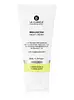
This smoothing night moisturizer is formulated around Aloe Barbadensis Leaf Juice and Niacinamide to refine skin texture and soften the look of wrinkles.
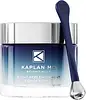
This barrier-repair night moisturizer is formulated around Squalane and Sodium Hyaluronate to strengthen the skin barrier and hydrate skin.


What's inside
What's inside
 Key Ingredients
Benefits
Concerns
Ingredients Side-by-side
Water
Skin ConditioningAloe Barbadensis Leaf Juice
Skin Conditioning


Caprylic/Capric Triglyceride
Masking

Cetearyl Alcohol
Emollient





Glycerin
Humectant
Squalane
Emollient
Cetearyl Glucoside
Emulsifying
Simmondsia Chinensis Seed Oil
Emollient
Myristyl Myristate
Emollient
Caprylyl Caprylate/Caprate
Emollient
Cetearyl Isononanoate
Emollient
Propanediol
Solvent
Myrothamnus Flabellifolia Extract
HumectantNiacinamide
Smoothing






Sodium Ascorbyl Phosphate
Antioxidant

Chamomilla Recutita Extract
Skin Conditioning
Centella Asiatica Extract
Cleansing
Ginkgo Biloba Leaf Extract
Skin Conditioning
Tocopheryl Acetate
Antioxidant
Sodium Hyaluronate
Humectant
Hydroxypropyl Cyclodextrin
MaskingPalmitoyl Tripeptide-38
Skin Conditioning
Cyclodextrin
AbsorbentPropylene Glycol
Humectant
Lecithin
Emollient
Nelumbo Nucifera Flower Extract
Skin ConditioningPhenoxyethanol
Preservative
Sodium Stearoyl Glutamate
CleansingSodium Polyacrylate
Absorbent
Rubus Chamaemorus Seed Oil
Skin Conditioning
Retinal
Skin Conditioning

Pentylene Glycol
Skin Conditioning
Retinol
Skin Conditioning
Polysorbate 20
Emulsifying
Beta-Carotene
Skin ConditioningGluconolactone
Chelating
Lactobionic Acid
Buffering
Rhododendron Ferrugineum Extract
MaskingIsomalt
HumectantLactic Acid
Buffering
Ethylhexylglycerin
Skin ConditioningLavandula Angustifolia Oil
Masking


Amyris Balsamifera Bark Oil
Masking
Tetrahydropiperine
Skin ConditioningPogostemon Cablin Leaf Oil
Masking
Pelargonium Graveolens Oil
Masking
Rosa Damascena Callus
Antimicrobial
Ascorbic Acid
Antioxidant
Citric Acid
Buffering
Water, Aloe Barbadensis Leaf Juice, Caprylic/Capric Triglyceride, Cetearyl Alcohol, Glycerin, Squalane, Cetearyl Glucoside, Simmondsia Chinensis Seed Oil, Myristyl Myristate, Caprylyl Caprylate/Caprate, Cetearyl Isononanoate, Propanediol, Myrothamnus Flabellifolia Extract, Niacinamide, Sodium Ascorbyl Phosphate, Chamomilla Recutita Extract, Centella Asiatica Extract, Ginkgo Biloba Leaf Extract, Tocopheryl Acetate, Sodium Hyaluronate, Hydroxypropyl Cyclodextrin, Palmitoyl Tripeptide-38, Cyclodextrin, Propylene Glycol, Lecithin, Nelumbo Nucifera Flower Extract, Phenoxyethanol, Sodium Stearoyl Glutamate, Sodium Polyacrylate, Rubus Chamaemorus Seed Oil, Retinal, Pentylene Glycol, Retinol, Polysorbate 20, Beta-Carotene, Gluconolactone, Lactobionic Acid, Rhododendron Ferrugineum Extract, Isomalt, Lactic Acid, Ethylhexylglycerin, Lavandula Angustifolia Oil, Amyris Balsamifera Bark Oil, Tetrahydropiperine, Pogostemon Cablin Leaf Oil, Pelargonium Graveolens Oil, Rosa Damascena Callus, Ascorbic Acid, Citric Acid
Water
Skin ConditioningOctyldodecyl Isostearate
Skin ConditioningCaprylic/Capric Triglyceride
Masking
Cyclopentasiloxane
Emollient
Pentylene Glycol
Skin Conditioning
Squalane
Emollient
Jojoba Esters
Emollient
Carthamus Tinctorius Oleosomes
Emollient
Cetyl Alcohol
Emollient
Glycerin
Humectant
Dimethiconol
Emollient
Cetyl Dimethicone
Emollient
Sodium Dihydroxycetyl Phosphate
EmulsifyingSodium Hyaluronate
Humectant
Tocopheryl Acetate
Antioxidant
Palmitoyl Tripeptide-38
Skin Conditioning
Geranylgeranylisopropanol
Skin ConditioningSoy Isoflavones
Skin ConditioningRhododendron Ferrugineum Leaf Cell Culture Extract
Skin ConditioningMalus Domestica Fruit Cell Culture Extract
Skin ConditioningVitis Vinifera Fruit Extract
Skin ConditioningAloe Barbadensis Leaf Extract
Emollient
Camellia Sinensis Extract
Antioxidant
Salvia Officinalis Extract
Antimicrobial
Pelargonium Graveolens Extract
Masking
Melissa Officinalis Leaf Extract
Skin ConditioningGinkgo Biloba Leaf Extract
Skin Conditioning
Lavandula Intermedia Extract
Masking
Rosmarinus Officinalis Extract
AntimicrobialMentha Piperita Extract
CleansingThymus Vulgaris Extract
Perfuming
Chamomilla Recutita Extract
Skin Conditioning
Trifolium Pratense Extract
Skin ConditioningRosa Canina Bud Extract
Skin ConditioningBorago Officinalis Extract
Emollient
Macrocystis Pyrifera Extract
Skin Conditioning
Panax Ginseng Root Extract
Emollient
Ilex Paraguariensis Leaf Extract
Perfuming
Lippia Citriodora Leaf Extract
Astringent
Citrus Grandis Extract
AntimicrobialSambucus Nigra Extract
Skin ConditioningFucus Vesiculosus Extract
Emollient
Dipotassium Glycyrrhizate
Humectant
Isopropyl Alcohol
Solvent

Caprylyl Glycol
Emollient
Chlorphenesin
Antimicrobial
Sodium Hydroxide
BufferingPhenoxyethanol
Preservative
Hydrogenated Lecithin
Emulsifying
PEG-100 Stearate
Surfactant
Glyceryl Stearate
Emollient
Carbomer
Emulsion StabilisingHydrogenated Palm Glycerides
Emollient
Hydrolyzed Oat Protein
Skin ConditioningBenzyl Salicylate
Perfuming
Hexyl Cinnamal
Perfuming
Linalool
Perfuming
Limonene
Perfuming
Benzyl Benzoate
Antimicrobial
Tocopherol
Antioxidant
Citronellol
Perfuming
Hydroxypropyl Cyclodextrin
MaskingAlcohol
Antimicrobial
Xanthan Gum
EmulsifyingNiacinamide
Smoothing
Disodium Adenosine Triphosphate
Skin ConditioningButylene Glycol
Humectant
Polysorbate 80
Emulsifying
Urea
Buffering
Sodium Benzoate
Masking
Lecithin
Emollient
Isomalt
HumectantParfum
Masking
Lactic Acid
Buffering
Saccharomyces Cerevisiae Extract
Skin Conditioning
Glucosamine Hcl
Laminaria Digitata Extract
Skin Protecting
Water, Octyldodecyl Isostearate, Caprylic/Capric Triglyceride, Cyclopentasiloxane, Pentylene Glycol, Squalane, Jojoba Esters, Carthamus Tinctorius Oleosomes, Cetyl Alcohol, Glycerin, Dimethiconol, Cetyl Dimethicone, Sodium Dihydroxycetyl Phosphate, Sodium Hyaluronate, Tocopheryl Acetate, Palmitoyl Tripeptide-38, Geranylgeranylisopropanol, Soy Isoflavones, Rhododendron Ferrugineum Leaf Cell Culture Extract, Malus Domestica Fruit Cell Culture Extract, Vitis Vinifera Fruit Extract, Aloe Barbadensis Leaf Extract, Camellia Sinensis Extract, Salvia Officinalis Extract, Pelargonium Graveolens Extract, Melissa Officinalis Leaf Extract, Ginkgo Biloba Leaf Extract, Lavandula Intermedia Extract, Rosmarinus Officinalis Extract, Mentha Piperita Extract, Thymus Vulgaris Extract, Chamomilla Recutita Extract, Trifolium Pratense Extract, Rosa Canina Bud Extract, Borago Officinalis Extract, Macrocystis Pyrifera Extract, Panax Ginseng Root Extract, Ilex Paraguariensis Leaf Extract, Lippia Citriodora Leaf Extract, Citrus Grandis Extract, Sambucus Nigra Extract, Fucus Vesiculosus Extract, Dipotassium Glycyrrhizate, Isopropyl Alcohol, Caprylyl Glycol, Chlorphenesin, Sodium Hydroxide, Phenoxyethanol, Hydrogenated Lecithin, PEG-100 Stearate, Glyceryl Stearate, Carbomer, Hydrogenated Palm Glycerides, Hydrolyzed Oat Protein, Benzyl Salicylate, Hexyl Cinnamal, Linalool, Limonene, Benzyl Benzoate, Tocopherol, Citronellol, Hydroxypropyl Cyclodextrin, Alcohol, Xanthan Gum, Niacinamide, Disodium Adenosine Triphosphate, Butylene Glycol, Polysorbate 80, Urea, Sodium Benzoate, Lecithin, Isomalt, Parfum, Lactic Acid, Saccharomyces Cerevisiae Extract, Glucosamine Hcl, Laminaria Digitata Extract
Ingredients Explained
These ingredients are found in both products.
Ingredients higher up in an ingredient list are typically present in a larger amount.
Caprylic/Capric Triglyceride (aka MCT Oil) is a lightweight emollient, solvent, and texture enhancer. It is considered a skin-softener by helping to prevent moisture loss.
Though it behaves like an oil, it is not technically one due to its chemical composition. One perk of this ingredient is that it is very stable, resistant to oxidation, and unlikely to go rancid.
In practice, that translates to a long shelf life and a consistently elegant skin feel.
While there is an assumption Caprylic Triglyceride can clog pores due to it being derived from coconut oil, there is no research supporting this. Just patch test if you have concerns.
Fractionated coconut oil and MCT Oil are both listed as Caprylic/Capric Triglyceride according to INCI. This is because INCI names are based on the ingredient’s final chemical composition and not its marketing name or source.
This ingredient is treated as the gold standard fungal acne safe oil. Even though it is coconut derived, the problematic lauric acid is stripped out.
This leaves just caprylic (C8) and capric (C10) acid. These chain lengths actually trend antifungal; a 2020 study found caprylic acid was enough to disrupt Malassezia furfur cell membrane, with a caprylic acid derivative damaging membrane structures at concentrations as low as 0.2%.
Learn more about Caprylic/Capric TriglycerideThis ingredient comes from the Chamomile flower.
Chamomile is rich in antioxidants and has anti-inflammatory properties. Several compounds found in chamomile help with soothing, such as bisbolol.
Antioxidant components in chamomile help fight free-radical molecules. These unstable molecules may damage your skin cells. By stabilizing them, antioxidants may help reduce the signs of aging.
Ancient Greeks, Romans, and Egyptians used Chamomile to treat skin redness and dryness. Chamomile has also been used to help with stomach issues.
Learn more about Chamomilla Recutita ExtractGinkgo Biloba Leaf Extract comes from the leaves of the Ginkgo tree. It has soothing and antioxidant properties.
The leaves of ginkgo contains flavonoids and terpenoids, potent antioxidants. Antioxidants may protect your skin from damage caused by external sources such as pollution.
Its soothing ability comes from a variety of compounds including biflavones, a type of flavonoid. Studies show gingko biloba has strong anti-inflammatory properties.
Fun fact: This tree is native to China and has been used in traditional Chinese medicine for thousands of years.
Learn more about Ginkgo Biloba Leaf ExtractGlycerin (or glycerol) is a compound naturally found in your skin. It's a powerhouse humectant that pulls water into the stratum corneum.
Topically, glycerin does several things at once:
Your skin makes glycerin on its own (mostly from sebaceous oil breakdown) and shuttles it to your outermost layer of skin, or your epidermis, via aquaporin-3.
Aquaporin-3 is a transporter that is essential for normal skin hydration, elasticity, and repair. Interestingly, mice lacking in AQP3 have dry and less elastic skin that can be fully corrected with glycerin.
This ingredient is non-irritating, plays well with almost every ingredient, and works across all skin types. Typical use is anywhere between 3-10% but can go up to 79% in some leave-on products.
Just know very high concentrations (>40%) can feel tacky in low humidity.
Glycerin is the name for this ingredient in American English. British English uses Glycerol/Glycerine.
Learn more about GlycerinThis ingredient is used in skincare as a delivery system.
It works by "encapsulating" active ingredients with its unique ring shape that is water-loving on the outside and oil-loving on the inside. This improves the stability and absorption of the product into the skin.
According to a manufacturer, it also offer some moisturizing effects.
Learn more about Hydroxypropyl CyclodextrinWe don't have a description for Isomalt yet.
Lactic Acid is another well-loved alpha hydroxy acid (AHA). It is gentler than glycolic acid but still highly effective.
Its main role is to exfoliate the surface of the skin by loosening the “glue” that holds dead skin cells together. Shedding those old cells leads to smoother, softer, and more even-toned skin.
Because lactic acid molecules are larger than glycolic acid, they don’t penetrate as deeply. This means they’re less likely to sting or irritate, making it a great choice for beginners or those with sensitive skin.
Like glycolic acid, it can:
Lactic acid also acts as a humectant (like hyaluronic acid). It can draw water into the skin to improve hydration and also plays a role in the skin's natural moisturizing factor (NMF) in the form of sodium lactate.
Studies show it can boost ceramide production to strengthen the skin barrier and even help balance the skin’s microbiome.
To get results, choose products with a pH between 3-4.
Lower strengths (5-12%) focus on surface exfoliation; higher strengths (12% and up) can reach deeper in the dermis (deeper, supportive layer) to improve skin texture and firmness over time.
Though it was originally derived from milk, most modern lactic acid used in skincare is vegan. It is made through non-dairy fermentation to create a bio-identical and stable form suitable for all formulations.
When lactic acid shows up near the end of an ingredient list, it usually means the brand added just a tiny amount to adjust the product’s pH.
Legend has it that Cleopatra used to bathe in sour milk to help reduce wrinkles.
Lactic acid is truly a gentle multitasker: it exfoliates, hydrates, strengthens, and brightens. It's a great ingredient for giving your skin a smooth, glowing, and healthy look without the harshness of stronger acids.
Read more about some other popular AHA's here:
Learn more about Lactic AcidLecithin is a term for a group of substances found in the cell membranes of plants, animals, and humans. They are made up of phospholipids.
Thanks to its amphiphilic structure (water-loving head and oil-loving tail), it is a true multitasker:
It plays well with most ingredients and is typically used at 0.1-1%. However, concentrations up to 50% have been reported in moisturizers.
Learn more about LecithinNiacinamide is a multitasking form of vitamin B3 that strengthens the skin barrier, reduces pores and dark spots, regulates oil, and improves signs of aging.
And the best part? It's gentle and well-tolerated by most skin types, including sensitive and reactive skin.
You might have heard of "niacin flush", or the reddening of skin that causes itchiness. Niacinamide has not been found to cause this.
In very rare cases, some individuals may not be able to tolerate niacinamide at all or experience an allergic reaction to it.
If you are experiencing flaking, irritation, and dryness with this ingredient, be sure to double check all your products as this ingredient can be found in all categories of skincare.
When incorporating niacinamide into your routine, look out for concentration amounts. Typically, 5% niacinamide provides benefits such as fading dark spots. However, if you have sensitive skin, it is better to begin with a smaller concentration.
When you apply niacinamide to your skin, your body converts it into nicotinamide adenine dinucleotide (NAD). NAD is an essential coenzyme that is already found in your cells as "fuel" and powers countless biological processes.
In your skin, NAD helps repair cell damage, produce new healthy cells, support collagen production, strengthen the skin barrier, and fight environmental stressors (like UV and pollution).
Our natural NAD levels start to decline with age, leading to slower skin repair, visible aging, and a weaker skin barrier. By providing your skin niacinamide, you're recharging your skin's NAD levels. This leads to stronger, healthier, and younger looking skin.
Another name for vitamin B3 is nicotinamide. This vitamin is water-soluble and our bodies don't store it. We obtain Vitamin B3 from either food or skincare. Meat, fish, wheat, yeast, and leafy greens contain vitamin B3.
The type of niacinamide used in skincare is synthetically created.
Learn more about NiacinamideThis synthetic, signal peptide has unique skin conditioning properties in that is a matrikine-mimetic compound.
First of all, Palmitoyl Tripeptide-38 is a signal peptide; signal peptides tell the body to create more collagen.
What is a matrikine-mimetic compound?
This peptide has the ability to mimic matrikines in skin. Our skin created matrikines by breaking down matrix proteins into peptides.
Matrikines play a role in:
Though further research is needed, this ingredient seems pretty promising. In one study, women over the age of 40 with visible photoaging used a vitamin C serum with this ingredient for 56 days (15% ascorbid acid, 5 ppm palmitoyl tripeptide‐38). The results found improvement in skin roughness and skin tone.
This peptide is also part of the famous Matrixyl synthe’6, a blend of ingredients that also includes glycerin, water, and hydroxypropyl cyclodextrin.
Learn more about Palmitoyl Tripeptide-38Pentylene Glycol (1,2-pentanediol) is a multitasking little diol with three main roles in a formula:
Research on alkanediols (the family pentylene glycol belongs to) show they work by disrupting microbial cell membranes. This disruption helps the primary preservative system in a product work more effectively at lower doses.
On the safety side, the Cosmetic Ingredient Review Expert Panel has concluded this ingredient to be safe as used in current cosmetic practices + concentrations.
Typical use levels in a formula run about 1-5%.
Learn more about Pentylene GlycolPhenoxyethanol is one of the most widely used preservatives in skincare (and for good reason!).
It has a large spectrum of antimicrobial activity and especially effective bacteria, yeast, and mold while only having a weak effect on your skin's natural microbiome.
On a cellular level, it disrupts the cell membranes of microbes by poking holes that make the cell leak. This shuts down the chemical reactions the microbe needs to make energy so it can no longer survive.
Another perk of this ingredient is that it stays functional across a wide pH range (3-10).
You'll often see it paired with boosters like Ethylhexylglycerin; one study showed that a 1:9 ratio of Ethylhexylglycerin to Phenoxyethanol damages bacterial membranes as effectively as doubling the Phenoxyethanol concentration on its own.
Typical use concentrations range from 0.3-1% depending on the formula, and this ingredient is capped at 1% int the EU.
Safety-wise, the fear mongering does not hold up to the evidence. The EU's Scientific Committee on Consumer Safety and FDA consider it safe as a preservative at up to 1%, including for children of all ages.
Adverse systemic effects only showed up in animal studies at exposures roughly 200x higher than what people get from cosmetics. And despite its very widespread use, this ingredient is a rare sensitizer and allergic reactions are uncommon.
Learn more about PhenoxyethanolSodium Hyaluronate is the salt form of hyaluronic acid. It is a long sugar chain that is naturally found in your skin, joints, and connective tissue that maintains hydration and elasticity.
In skincare, it works as a humectant. It pulls water from the environment and deeper layers of skin and binds it to the surface.
Interestingly, the size of the molecule affects its behavior:
Some clinical evidence links low molecular weight versions to improved wrinkle depth, elasticity, anti-inflammatory effects, and barrier repair.
Many serums use a blend of both weights so you can get surface hydration plus longer-lasting and deeper effects.
You'll typically see concentrations between 0.1-2% for this ingredient.
Learn more about Sodium HyaluronateSqualane is the hydrogenated and shelf-stable form of squalene (a lipid that naturally occurs in human sebum).
It is an emollient and skin conditioning agent that is able to integrate seamlessly into the skin's lipid barrier without clogging pores.
This is due to how structurally similar it is to what your skin already produces.
Though it is mostly an emollient that helps soften and hydrate skin, it also has some humectant and occlusive action. Humectants help the skin retain moisture while occlusives seal it in, making squalane a triple-threat moisturizer.
Research shows it has antioxidant capabilities that help protect against stressors like UV exposure, specifically UVA induced oxidative stress. This study also found that it supports collagen biosynthesis in human dermal fibroblasts.
No clinical study has reported significant adverse effects and irritation reactions are very rare from this ingredient (even at 100% concentration).
Overall, it's a fantastic ingredient for hydration and is suitable for all skin types.
This depends on the source. Squalane can be derived from both plants and animals. Most squalane used in skincare comes from plants.
Please note: the source of squalane is only known if disclosed by the brand. We recommend reaching out to the brand if you have any questions about their squalane.
Read more about squalene with an "e".
Though squalane is often called an oil, it’s technically not one. It is a hydrocarbon, meaning it is only made of carbon and hydrogen. True oils are triglycerides and made of fatty acids and glycerol.
The term “oil-free” isn’t regulated so companies can define it however they want. Some exclude all oils, while others just avoid mineral oil or comedogenic oils.
Squalane has a comedogenic rating of 1 from the original 1972 study that tested raw ingredients under occlusion on rabbit ears. This system is not standardized or peer-reviewed, and using the raw ingredients is very different from how diluted cosmetic formulations are used on human skin.
A comedogenic rating of 1 means it is "unlikely to clog pores" according to the original rating system.
The overall formula of a product matters more than the individual ingredients on whether or not it will cause clogged pores.
Learn more about SqualaneTocopheryl Acetate is a stable, shelf-friendly form of vitamin E.
Formulators love it because plain vitamin E oxidizes quickly once it hits air. This acetate version stays stable and resists going off, helping to extend a product's shelf life.
It's actually inactive on its own and works like a slow-release "storage" form; the enzymes in your skin called esterases gradually convert it into active vitamin E over time.
One in vivo study showed 5% of the acetate in the living layer of the epidermis converted to vitamin E after 5 days of application. This study also found the skin gained protection against UV damage even though the conversion was slow and small.
Once converted, vitamin E acts as a skin's main fat-soluble antioxidant that fights free radicals to protect skin from damage.
Topical vitamin E generally boosts the skin's photoprotection, and it reduced UV-damage in animal models.
This ingredient has some brightening potential but it's more of a prevention ingredient than spot-fader. Cell studies show it can slow down melanin production but it's worth noting that it's not the most powerful brightener out there.
Overall, it has a pretty solid safety profile and has been found to be non-irritating and non-comedogenic. Allergic reactions may happen but stay rare due to how widely the ingredient gets used.
The concentration will vary depending on the formula; industry data shows 0.1% in baby lotions, 3% in lipsticks, and 5% in foot powders. You can also find this ingredient at 100% in a pure vitamin E oil.
Most leave-on skincare keeps it at the lower end, often between 0.5-1%.
Learn more about Tocopheryl AcetateWater. It's the most common cosmetic ingredient of all. You'll usually see it at the top of ingredient lists, meaning that it makes up the largest part of the product.
So why is it so popular? Water most often acts as a solvent - this means that it helps dissolve other ingredients into the formulation.
You'll also recognize water as that liquid we all need to stay alive. If you see this, drink a glass of water. Remember to stay hydrated!
Learn more about Water

