Kanebo Veil Of Day SPF 50 Versus D'Alba UV Essence Waterfull Tone-Up Color Correcting Sun Cream SPF 50+
This chemical sunscreen covers the full UV range and blocks ~98% of UVB at SPF 50.
This hybrid sunscreen covers the full UV range and blocks ~98% of UVB at SPF 50.


What's inside
What's inside
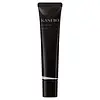 Key Ingredients
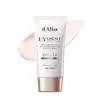
Benefits
Concerns
Ingredients Side-by-side
Water
Skin ConditioningEthylhexyl Methoxycinnamate
UV Absorber


Dimethicone
Emollient

Diisopropyl Sebacate
EmollientBehenyl Alcohol
Emollient
Glycerin
Humectant

Phenylbenzimidazole Sulfonic Acid
UV Absorber
Triethylhexanoin
MaskingButylene Glycol
Humectant
Bis-Ethylhexyloxyphenol Methoxyphenyl Triazine
UV Absorber
Sorbitan Stearate
Emulsifying

Triethanolamine
BufferingButyl Methoxydibenzoylmethane
UV Absorber
Diethylamino Hydroxybenzoyl Hexyl Benzoate
UV Filter
Phenoxyethanol
Preservative
Ethylhexyl Triazone
UV Absorber
Chlorphenesin
Antimicrobial
Carbomer
Emulsion StabilisingSucrose Cocoate
Emulsifying


Sodium Hydroxide
BufferingSodium Stearoyl Glutamate
CleansingXanthan Gum
EmulsifyingParfum
Masking

Disodium EDTA
ChelatingBHT
Antioxidant
Sodium Hyaluronate
Humectant


Vaccinium Myrtillus Leaf Extract
AstringentAlthaea Officinalis Root Extract
Skin Conditioning
Camellia Sinensis Leaf Extract
Antimicrobial



CI 14700
Cosmetic ColorantWater, Ethylhexyl Methoxycinnamate, Dimethicone, Diisopropyl Sebacate, Behenyl Alcohol, Glycerin, Phenylbenzimidazole Sulfonic Acid, Triethylhexanoin, Butylene Glycol, Bis-Ethylhexyloxyphenol Methoxyphenyl Triazine, Sorbitan Stearate, Triethanolamine, Butyl Methoxydibenzoylmethane, Diethylamino Hydroxybenzoyl Hexyl Benzoate, Phenoxyethanol, Ethylhexyl Triazone, Chlorphenesin, Carbomer, Sucrose Cocoate, Sodium Hydroxide, Sodium Stearoyl Glutamate, Xanthan Gum, Parfum, Disodium EDTA, BHT, Sodium Hyaluronate, Vaccinium Myrtillus Leaf Extract, Althaea Officinalis Root Extract, Camellia Sinensis Leaf Extract, CI 14700
Water
Skin ConditioningDicaprylyl Carbonate
EmollientDibutyl Adipate
EmollientPropanediol
Solvent
Butyloctyl Salicylate
Skin Conditioning
Glycerin
Humectant
Titanium Dioxide
Cosmetic Colorant
Polysilicone-15
UV Filter
Diethylamino Hydroxybenzoyl Hexyl Benzoate
UV Filter
Niacinamide
Smoothing



Ethylhexyl Triazone
UV Absorber
Pentylene Glycol
Skin Conditioning
1,2-Hexanediol
Skin Conditioning
Vp/Eicosene Copolymer
Methylpropanediol
SolventCoco-Caprylate/Caprate
Emollient
Polyglyceryl-2 Caprate
EmulsifyingOrange Roughy Oil
Skin Conditioning
Sucrose Stearate
EmollientAmmonium Acryloyldimethyltaurate/Vp Copolymer
Polyacrylate Crosspolymer-6
Emulsion StabilisingSimmondsia Chinensis Seed Oil
Emollient
Alumina
Abrasive
Hydroxypropyl Methylcellulose Stearoxy Ether
Stearic Acid
Cleansing
Ethylhexylglycerin
Skin ConditioningIron Oxides
Citrus Nobilis Peel Oil
Masking
Inulin Lauryl Carbamate
Emulsion StabilisingGlyceryl Caprylate
EmollientPolyhydroxystearic Acid
Emulsifying
Xanthan Gum
EmulsifyingAdenosine
Skin Conditioning
Squalane
Emollient
Triethoxycaprylylsilane
Polyether-1
Litsea Cubeba Fruit Oil
Masking
T-Butyl Alcohol
Perfuming
Tocopherol
Antioxidant
Butylene Glycol
Humectant
Sodium Hyaluronate
Humectant
Hydrolyzed Hyaluronic Acid
Humectant
Rosa Damascena Flower Water
Masking
Biosaccharide Gum-1
Humectant
Portulaca Oleracea Extract
Skin Conditioning
Allantoin
Skin Conditioning
Epilobium Angustifolium Flower/Leaf/Stem Extract
Skin ConditioningRhododendron Ferrugineum Extract
MaskingTuber Magnatum Extract
Skin ConditioningAloe Barbadensis Leaf Extract
Emollient
Prunus Mume Flower Extract
Skin ConditioningSaponaria Pumila Callus Extract
Skin ConditioningCentella Asiatica Extract
Cleansing
Houttuynia Cordata Extract
Skin Conditioning
Prunus Persica Fruit Extract
Abrasive
Prunus Persica Flower Extract
MoisturisingCitric Acid
Buffering
Caprylyl Glycol
Emollient
Disodium Phosphate
BufferingCI 77491
Cosmetic ColorantLimonene
Perfuming
Citral
Perfuming
Linalool
Perfuming
Water, Dicaprylyl Carbonate, Dibutyl Adipate, Propanediol, Butyloctyl Salicylate, Glycerin, Titanium Dioxide, Polysilicone-15, Diethylamino Hydroxybenzoyl Hexyl Benzoate, Niacinamide, Ethylhexyl Triazone, Pentylene Glycol, 1,2-Hexanediol, Vp/Eicosene Copolymer, Methylpropanediol, Coco-Caprylate/Caprate, Polyglyceryl-2 Caprate, Orange Roughy Oil, Sucrose Stearate, Ammonium Acryloyldimethyltaurate/Vp Copolymer, Polyacrylate Crosspolymer-6, Simmondsia Chinensis Seed Oil, Alumina, Hydroxypropyl Methylcellulose Stearoxy Ether, Stearic Acid, Ethylhexylglycerin, Iron Oxides, Citrus Nobilis Peel Oil, Inulin Lauryl Carbamate, Glyceryl Caprylate, Polyhydroxystearic Acid, Xanthan Gum, Adenosine, Squalane, Triethoxycaprylylsilane, Polyether-1, Litsea Cubeba Fruit Oil, T-Butyl Alcohol, Tocopherol, Butylene Glycol, Sodium Hyaluronate, Hydrolyzed Hyaluronic Acid, Rosa Damascena Flower Water, Biosaccharide Gum-1, Portulaca Oleracea Extract, Allantoin, Epilobium Angustifolium Flower/Leaf/Stem Extract, Rhododendron Ferrugineum Extract, Tuber Magnatum Extract, Aloe Barbadensis Leaf Extract, Prunus Mume Flower Extract, Saponaria Pumila Callus Extract, Centella Asiatica Extract, Houttuynia Cordata Extract, Prunus Persica Fruit Extract, Prunus Persica Flower Extract, Citric Acid, Caprylyl Glycol, Disodium Phosphate, CI 77491, Limonene, Citral, Linalool
Reviews
Ingredients Explained
These ingredients are found in both products.
Ingredients higher up in an ingredient list are typically present in a larger amount.
Butylene Glycol (or BG) is used within cosmetic products for a few different reasons:
Overall, Butylene Glycol is a safe and well-rounded ingredient that works well with other ingredients.
Though this ingredient works well with most skin types, some people with sensitive skin may experience a reaction such as allergic rashes, closed comedones, or itchiness.
Learn more about Butylene GlycolDiethylamino Hydroxybenzoyl Hexyl Benzoate (DHHB) is a chemical UV-A absorber. It is formulated for high UVA protection (320-400 nm).
DHHB is well-liked for:
DHHB has been approved by the EU, Japan, Taiwan, and South America for use up to 10%. Unfortunately, it has not been approved for use in the US or Canada due to slow regulatory processes.
This ingredient is soluble in oils, fats, and lipids.
Learn more about Diethylamino Hydroxybenzoyl Hexyl BenzoateEthylhexyl Triazone (aka Octyl Triazone) is an oil-soluble organic UVB filter. It has peak absorption around 314 nm, right in the middle of the UVB range.
This ingredient is described as one of the most effective UVB filters available and small concentrations are enough to deliver a high SPF thanks to its strong UV absorbing power.
Formulators love it for its stability; its ability to filter UV stays practically unchanged even under intense radiation and it can also help boost the photostability of less stable filters like avobenzone.
It's also a great pick for water resistant products because it's insoluble in water and has a good affinity for keratin.
Because it's a big, heavy molecule, the European Scientific Committee has found to to have very low dermal penetration and negative results for allergenicity.
In vitro testing also showed a low absorption rate and clean results on irritation.
Typical use levels are 1-5% with 5% being the maximum in the EU, Japan, and other markets that allow it. However, this ingredient is not approved yet in the US or Canada.
Learn more about Ethylhexyl TriazoneGlycerin (or glycerol) is a compound naturally found in your skin. It's a powerhouse humectant that pulls water into the stratum corneum.
Topically, glycerin does several things at once:
Your skin makes glycerin on its own (mostly from sebaceous oil breakdown) and shuttles it to your outermost layer of skin, or your epidermis, via aquaporin-3.
Aquaporin-3 is a transporter that is essential for normal skin hydration, elasticity, and repair. Interestingly, mice lacking in AQP3 have dry and less elastic skin that can be fully corrected with glycerin.
This ingredient is non-irritating, plays well with almost every ingredient, and works across all skin types. Typical use is anywhere between 3-10% but can go up to 79% in some leave-on products.
Just know very high concentrations (>40%) can feel tacky in low humidity.
Glycerin is the name for this ingredient in American English. British English uses Glycerol/Glycerine.
Learn more about GlycerinSodium Hyaluronate is the salt form of hyaluronic acid. It is a long sugar chain that is naturally found in your skin, joints, and connective tissue that maintains hydration and elasticity.
In skincare, it works as a humectant. It pulls water from the environment and deeper layers of skin and binds it to the surface.
Interestingly, the size of the molecule affects its behavior:
Some clinical evidence links low molecular weight versions to improved wrinkle depth, elasticity, anti-inflammatory effects, and barrier repair.
Many serums use a blend of both weights so you can get surface hydration plus longer-lasting and deeper effects.
You'll typically see concentrations between 0.1-2% for this ingredient.
Learn more about Sodium HyaluronateWater. It's the most common cosmetic ingredient of all. You'll usually see it at the top of ingredient lists, meaning that it makes up the largest part of the product.
So why is it so popular? Water most often acts as a solvent - this means that it helps dissolve other ingredients into the formulation.
You'll also recognize water as that liquid we all need to stay alive. If you see this, drink a glass of water. Remember to stay hydrated!
Learn more about WaterXanthan gum is used as a stabilizer and thickener within cosmetic products. It helps give products a sticky, thick feeling - preventing them from being too runny.
On the technical side of things, xanthan gum is a polysaccharide - a combination consisting of multiple sugar molecules bonded together.
Xanthan gum is a pretty common and great ingredient. It is a natural, non-toxic, non-irritating ingredient that is also commonly used in food products.
Learn more about Xanthan Gum

