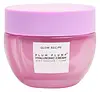
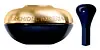
Glow Recipe Plum Plump Hyaluronic Cream Versus Guerlain Orchidee Imperiale The Molecular Concentrate Eye Cream
This barrier-repair moisturizer is formulated around Hyaluronic Acid and Polyglutamic Acid to strengthen the skin barrier and hydrate skin.
This anti-aging eye moisturizer is formulated around Ectoin and Acetyl Hexapeptide-8 to soften the look of wrinkles and hydrate skin.


What's inside
What's inside
 Key Ingredients
Benefits
Concerns
Ingredients Side-by-side
Water
Skin ConditioningPropanediol
Solvent

Glycerin
Humectant
C13-15 Alkane
SolventCaprylic/Capric Triglyceride
Masking
C9-12 Alkane
SolventPrunus Domestica Seed Oil
Skin Conditioning


Pentylene Glycol
Skin Conditioning
Squalane
Emollient
Terminalia Ferdinandiana Seed Oil
Antioxidant
Hyaluronic Acid
Humectant
Sodium Acetylated Hyaluronate
Humectant
Sodium Hyaluronate
Humectant
Davidsonia Jerseyana Fruit Extract
Antioxidant
Terminalia Ferdinandiana Fruit Powder
Antioxidant
Podocarpus Elatus Fruit Extract
Skin ConditioningPolyglutamic Acid
Skin Conditioning
Pleiogynium Timoriense Fruit Extract
Skin ConditioningSodium Hyaluronate Crosspolymer
Humectant
Hydrolyzed Sodium Hyaluronate
Skin Conditioning
Epilobium Fleischeri Flower/Leaf/Stem Extract
Skin ConditioningNiacinamide
Smoothing






Acrylates/C10-30 Alkyl Acrylate Crosspolymer
Emulsion StabilisingXylitylglucoside
Humectant
Isononyl Isononanoate
EmollientCaprylyl Glycol
Emollient
Anhydroxylitol
Humectant
Cetearyl Alcohol
Emollient


Glyceryl Stearate
Emollient
Arginine
Masking
Ethylhexylglycerin
Skin ConditioningSodium Chloride
MaskingXylitol
Humectant
Stearic Acid
Cleansing
Tremella Fuciformis Polysaccharide
Emulsion Stabilising
Sodium Lauroyl Glutamate
SurfactantEclipta Prostrata Extract
Skin Conditioning
Glucose
Humectant
Potassium Phosphate
BufferingButylene Glycol
Humectant
Melia Azadirachta Leaf Extract
Skin ConditioningHydroxypropylcellulose
EmulsifyingAlaria Esculenta Extract
Skin Protecting
Sodium Phosphate
BufferingPotassium Chloride
Melia Azadirachta Flower Extract
Skin ConditioningCorallina Officinalis Extract
Skin Conditioning
1,2-Hexanediol
Skin Conditioning
Moringa Oleifera Seed Oil
Emollient
Coccinia Indica Fruit Extract
Skin Conditioning
Citric Acid
Buffering
Potassium Sorbate
Preservative
Solanum Melongena Fruit Extract
Skin ConditioningAloe Barbadensis Flower Extract
EmollientGluconolactone
Chelating
Simmondsia Chinensis Seed Oil
Emollient
Curcuma Longa Root Extract
Antioxidant
Ocimum Basilicum Flower/Leaf Extract
TonicOcimum Sanctum Leaf Extract
Skin ConditioningSilica
Abrasive
Sodium Hydroxide
BufferingSodium Benzoate
Masking
Phenoxyethanol
Preservative
Parfum
Masking

Water, Propanediol, Glycerin, C13-15 Alkane, Caprylic/Capric Triglyceride, C9-12 Alkane, Prunus Domestica Seed Oil, Pentylene Glycol, Squalane, Terminalia Ferdinandiana Seed Oil, Hyaluronic Acid, Sodium Acetylated Hyaluronate, Sodium Hyaluronate, Davidsonia Jerseyana Fruit Extract, Terminalia Ferdinandiana Fruit Powder, Podocarpus Elatus Fruit Extract, Polyglutamic Acid, Pleiogynium Timoriense Fruit Extract, Sodium Hyaluronate Crosspolymer, Hydrolyzed Sodium Hyaluronate, Epilobium Fleischeri Flower/Leaf/Stem Extract, Niacinamide, Acrylates/C10-30 Alkyl Acrylate Crosspolymer, Xylitylglucoside, Isononyl Isononanoate, Caprylyl Glycol, Anhydroxylitol, Cetearyl Alcohol, Glyceryl Stearate, Arginine, Ethylhexylglycerin, Sodium Chloride, Xylitol, Stearic Acid, Tremella Fuciformis Polysaccharide, Sodium Lauroyl Glutamate, Eclipta Prostrata Extract, Glucose, Potassium Phosphate, Butylene Glycol, Melia Azadirachta Leaf Extract, Hydroxypropylcellulose, Alaria Esculenta Extract, Sodium Phosphate, Potassium Chloride, Melia Azadirachta Flower Extract, Corallina Officinalis Extract, 1,2-Hexanediol, Moringa Oleifera Seed Oil, Coccinia Indica Fruit Extract, Citric Acid, Potassium Sorbate, Solanum Melongena Fruit Extract, Aloe Barbadensis Flower Extract, Gluconolactone, Simmondsia Chinensis Seed Oil, Curcuma Longa Root Extract, Ocimum Basilicum Flower/Leaf Extract, Ocimum Sanctum Leaf Extract, Silica, Sodium Hydroxide, Sodium Benzoate, Phenoxyethanol, Parfum
Water
Skin ConditioningGlycerin
Humectant
Limnanthes Alba Seed Oil
Skin Conditioning
Butylene Glycol
Humectant
Propanediol
Solvent
Butyrospermum Parkii Butter
Skin Conditioning
Pentylene Glycol
Skin Conditioning
Ethylhexyl Palmitate
Emollient
Lauroyl Lysine
Skin Conditioning
Gastrodia Elata Root Extract
Skin ConditioningPhytosteryl/Octyldodecyl Lauroyl Glutamate
Skin ConditioningHydrogenated Lecithin
Emulsifying
Sodium Polyacrylate
Absorbent
Ectoin
Skin Conditioning
Avena Sativa Kernel Extract
Abrasive
Hydroxyacetophenone
Antioxidant
Cellulose
Absorbent
Chlorphenesin
Antimicrobial
Parfum
Masking
1,2-Hexanediol
Skin Conditioning
Caprylyl Glycol
Emollient
Synthetic Fluorphlogopite
Silica
Abrasive
Acrylates/C10-30 Alkyl Acrylate Crosspolymer
Emulsion StabilisingSodium Stearoyl Glutamate
CleansingTocopheryl Acetate
Antioxidant
CI 77891
Cosmetic ColorantPhytosterols
Skin Conditioning
Dendrobium Nobile Extract
Skin ConditioningAdenosine
Skin Conditioning
Trihydroxystearin
Skin Conditioning
Sodium Benzoate
Masking
Xanthan Gum
EmulsifyingBacillus Ferment
Skin Conditioning
Glyceryl Caprylate
EmollientTin Oxide
Abrasive
Tropaeolum Majus Flower/Leaf/Stem Extract
Skin ConditioningSodium Hyaluronate
Humectant
Glycine Soja Oil
Emollient
Tocopherol
Antioxidant
Acetyl Hexapeptide-8
Humectant
Diamond Powder
Abrasive
Pentaerythrityl Tetra-Di-T-Butyl Hydroxyhydrocinnamate
Antioxidant
Glucomannan
Skin ConditioningWater, Glycerin, Limnanthes Alba Seed Oil, Butylene Glycol, Propanediol, Butyrospermum Parkii Butter, Pentylene Glycol, Ethylhexyl Palmitate, Lauroyl Lysine, Gastrodia Elata Root Extract, Phytosteryl/Octyldodecyl Lauroyl Glutamate, Hydrogenated Lecithin, Sodium Polyacrylate, Ectoin, Avena Sativa Kernel Extract, Hydroxyacetophenone, Cellulose, Chlorphenesin, Parfum, 1,2-Hexanediol, Caprylyl Glycol, Synthetic Fluorphlogopite, Silica, Acrylates/C10-30 Alkyl Acrylate Crosspolymer, Sodium Stearoyl Glutamate, Tocopheryl Acetate, CI 77891, Phytosterols, Dendrobium Nobile Extract, Adenosine, Trihydroxystearin, Sodium Benzoate, Xanthan Gum, Bacillus Ferment, Glyceryl Caprylate, Tin Oxide, Tropaeolum Majus Flower/Leaf/Stem Extract, Sodium Hyaluronate, Glycine Soja Oil, Tocopherol, Acetyl Hexapeptide-8, Diamond Powder, Pentaerythrityl Tetra-Di-T-Butyl Hydroxyhydrocinnamate, Glucomannan
Reviews
Ingredients Explained
These ingredients are found in both products.
Ingredients higher up in an ingredient list are typically present in a larger amount.
1,2-Hexanediol is a synthetic liquid and another multi-functional powerhouse.
It is a:
- Humectant, drawing moisture into the skin
- Emollient, helping to soften skin
- Solvent, dispersing and stabilizing formulas
- Preservative booster, enhancing the antimicrobial activity of other preservatives
Acrylates/C10-30 Alkyl Acrylate Crosspolymer is a synthetic polymer. It is used to thicken, emulsify, and improve the texture of products.
As an emulsifier, it helps stabilize oil-in-water emulsions to give products an elegant feel when applied.
It can also form a thin protective film on skin. One study found that a formula using this polymer helped slow down how quickly other ingredients (like DEET) were absorbed through skin.
A 2024 study of over 1,300 patients confirmed that sensitization to this ingredient is rare. It is also non-mutagenic and has a clean track record.
Learn more about Acrylates/C10-30 Alkyl Acrylate CrosspolymerButylene Glycol (or BG) is used within cosmetic products for a few different reasons:
Overall, Butylene Glycol is a safe and well-rounded ingredient that works well with other ingredients.
Though this ingredient works well with most skin types, some people with sensitive skin may experience a reaction such as allergic rashes, closed comedones, or itchiness.
Learn more about Butylene GlycolCaprylyl Glycol is a humectant, skin conditioner, emollient, and preservative booster derived from either caprylic acid or synthetically created.
Typical use levels vary from 0.3-1% as a preservative booster and go up to 2% to condition skin.
Because it is not a free-fatty acid, this ingredient is fungal acne safe (there's nothing for Malassezia to feed on).
Learn more about Caprylyl GlycolGlycerin (or glycerol) is a compound naturally found in your skin. It's a powerhouse humectant that pulls water into the stratum corneum.
Topically, glycerin does several things at once:
Your skin makes glycerin on its own (mostly from sebaceous oil breakdown) and shuttles it to your outermost layer of skin, or your epidermis, via aquaporin-3.
Aquaporin-3 is a transporter that is essential for normal skin hydration, elasticity, and repair. Interestingly, mice lacking in AQP3 have dry and less elastic skin that can be fully corrected with glycerin.
This ingredient is non-irritating, plays well with almost every ingredient, and works across all skin types. Typical use is anywhere between 3-10% but can go up to 79% in some leave-on products.
Just know very high concentrations (>40%) can feel tacky in low humidity.
Glycerin is the name for this ingredient in American English. British English uses Glycerol/Glycerine.
Learn more about GlycerinParfum is a catch-all term for an ingredient or more that is used to give a scent to products.
Also called "fragrance", this ingredient can be a blend of hundreds of chemicals or plant oils. This means every product with "fragrance" or "parfum" in the ingredients list is a different mixture.
For instance, Habanolide is a proprietary trade name for a specific aroma chemical. When used as a fragrance ingredient in cosmetics, most aroma chemicals fall under the broad labeling category of “FRAGRANCE” or “PARFUM” according to EU and US regulations.
The term 'parfum' or 'fragrance' is not regulated in many countries. In many cases, it is up to the brand to define this term.
For instance, many brands choose to label themselves as "fragrance-free" because they are not using synthetic fragrances. However, their products may still contain ingredients such as essential oils that are considered a fragrance by INCI standards.
One example is Calendula flower extract. Calendula is an essential oil that still imparts a scent or 'fragrance'.
Depending on the blend, the ingredients in the mixture can cause allergies and sensitivities on the skin. Some ingredients that are known EU allergens include linalool and citronellol.
Parfum can also be used to mask or cover an unpleasant scent.
The bottom line is: not all fragrances/parfum/ingredients are created equally. If you are worried about fragrances, we recommend taking a closer look at an ingredient. And of course, we always recommend speaking with a professional.
Learn more about ParfumPentylene Glycol (1,2-pentanediol) is a multitasking little diol with three main roles in a formula:
Research on alkanediols (the family pentylene glycol belongs to) show they work by disrupting microbial cell membranes. This disruption helps the primary preservative system in a product work more effectively at lower doses.
On the safety side, the Cosmetic Ingredient Review Expert Panel has concluded this ingredient to be safe as used in current cosmetic practices + concentrations.
Typical use levels in a formula run about 1-5%.
Learn more about Pentylene GlycolPropanediol is an all-star ingredient. It softens, hydrates, and smooths the skin.
It’s often used to:
Propanediol is not likely to cause sensitivity and considered safe to use. It is derived from corn or petroleum with a clear color and no scent.
Learn more about PropanediolSilica, also known as silicon dioxide, is a naturally occurring mineral. It is used as a fine, spherical, and porous powder in cosmetics.
Though it has exfoliant properties, the function of silica varies depending on the product.
The unique structure of silica enhances the spreadability and adds smoothness, making it a great texture enhancer.
It is also used as an active carrier, emulsifier, and mattifier due to its ability to absorb excess oil.
In some products, tiny microneedles called spicules are made from silica or hydrolyzed sponge. When you rub them in, they lightly polish away dead skin layers and enhance the penetration of active ingredients.
Learn more about SilicaSodium Benzoate is a preservative. It's used in both cosmetic and food products to inhibit the growth of mold and bacteria. It is typically produced synthetically.
Both the US FDA and EU Health Committee have approved the use of sodium benzoate. In the US, levels of 0.1% (of the total product) are allowed.
Sodium benzoate works as a preservative by inhibiting the growth of bacteria inside of cells. It prevents the cell from fermenting a type of sugar using an enzyme called phosphofructokinase.
It is the salt of benzoic acid. Foods containing sodium benzoate include soda, salad dressings, condiments, fruit juices, wines, and snack foods.
Studies for using ascorbic acid and sodium benzoate in cosmetics are lacking, especially in skincare routines with multiple steps.
We always recommend speaking with a professional, such as a dermatologist, if you have any concerns.
Learn more about Sodium BenzoateSodium Hyaluronate is the salt form of hyaluronic acid. It is a long sugar chain that is naturally found in your skin, joints, and connective tissue that maintains hydration and elasticity.
In skincare, it works as a humectant. It pulls water from the environment and deeper layers of skin and binds it to the surface.
Interestingly, the size of the molecule affects its behavior:
Some clinical evidence links low molecular weight versions to improved wrinkle depth, elasticity, anti-inflammatory effects, and barrier repair.
Many serums use a blend of both weights so you can get surface hydration plus longer-lasting and deeper effects.
You'll typically see concentrations between 0.1-2% for this ingredient.
Learn more about Sodium HyaluronateWater. It's the most common cosmetic ingredient of all. You'll usually see it at the top of ingredient lists, meaning that it makes up the largest part of the product.
So why is it so popular? Water most often acts as a solvent - this means that it helps dissolve other ingredients into the formulation.
You'll also recognize water as that liquid we all need to stay alive. If you see this, drink a glass of water. Remember to stay hydrated!
Learn more about Water

