Glossier Full Orbit Versus Oneskin OS-01 EYE
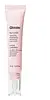
This barrier-repair eye moisturizer is formulated around Niacinamide and Sodium Hyaluronate to strengthen the skin barrier and hydrate skin.
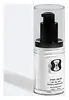
This anti-aging eye moisturizer is formulated around Acetyl Hexapeptide-8 and Squalane to soften the look of wrinkles and hydrate skin.

What's inside
What's inside
 Key Ingredients
Benefits
Concerns
Ingredients Side-by-side
Water
Skin ConditioningGlycerin
Humectant


Niacinamide
Smoothing









Pentaerythrityl Tetraisostearate
Emollient

C13-15 Alkane
SolventPropanediol
Solvent
Sorbitan Olivate
Emulsifying
Cetearyl Olivate
Butyrospermum Parkii Butter
Skin Conditioning


C15-19 Alkane
SolventPentylene Glycol
Skin Conditioning
Sodium Hyaluronate
Humectant
Panthenol
Skin Conditioning
Biotin
AntiseborrhoeicJasminum Sambac Flower Extract
Masking
Crataegus Monogyna Flower Extract
Skin ConditioningCarthamus Tinctorius Oleosomes
Emollient
Plankton Extract
Skin ConditioningSodium Polyglutamate
HumectantHydroxyacetophenone
Antioxidant
Maltodextrin
Absorbent
Cetyl Palmitate
Emollient
Gluconolactone
Chelating
Glyceryl Stearate
Emollient
Glyceryl Undecylenate
Emollient
Glyceryl Laurate
Emollient
Ethylhexylglycerin
Skin ConditioningIsohexadecane
EmollientXanthan Gum
EmulsifyingSclerotium Gum
Emulsion StabilisingHydroxyethyl Acrylate/Sodium Acryloyldimethyl Taurate Copolymer
Emulsion StabilisingCetearyl Alcohol
Emollient

Tetrasodium Glutamate Diacetate
ChelatingSorbitan Palmitate
Emulsifying
Sorbitan Isostearate
Emulsifying
Polysorbate 60
Emulsifying
Citric Acid
Buffering
Sodium Hydroxide
BufferingSodium Benzoate
Masking
1,2-Hexanediol
Skin Conditioning
Caprylyl Glycol
Emollient
Water, Glycerin, Niacinamide, Pentaerythrityl Tetraisostearate, C13-15 Alkane, Propanediol, Sorbitan Olivate, Cetearyl Olivate, Butyrospermum Parkii Butter, C15-19 Alkane, Pentylene Glycol, Sodium Hyaluronate, Panthenol, Biotin, Jasminum Sambac Flower Extract, Crataegus Monogyna Flower Extract, Carthamus Tinctorius Oleosomes, Plankton Extract, Sodium Polyglutamate, Hydroxyacetophenone, Maltodextrin, Cetyl Palmitate, Gluconolactone, Glyceryl Stearate, Glyceryl Undecylenate, Glyceryl Laurate, Ethylhexylglycerin, Isohexadecane, Xanthan Gum, Sclerotium Gum, Hydroxyethyl Acrylate/Sodium Acryloyldimethyl Taurate Copolymer, Cetearyl Alcohol, Tetrasodium Glutamate Diacetate, Sorbitan Palmitate, Sorbitan Isostearate, Polysorbate 60, Citric Acid, Sodium Hydroxide, Sodium Benzoate, 1,2-Hexanediol, Caprylyl Glycol
Water
Skin ConditioningGlycerin
Humectant
Sorbitan Olivate
Emulsifying
Squalane
Emollient
Cetearyl Olivate
Butyrospermum Parkii Butter
Skin Conditioning
Simmondsia Chinensis Seed Oil
Emollient
Cystoseira Humilis Extract
Antioxidant
Panthenol
Skin Conditioning
Bentonite
Absorbent
Cetyl Palmitate
Emollient
Sodium Hyaluronate Crosspolymer
Humectant
Caprylhydroxamic Acid
ChelatingSorbitan Palmitate
Emulsifying
Cellulose
Absorbent
Coffea Arabica Seedcake Extract
Allantoin
Skin Conditioning
Fucus Vesiculosus Extract
Emollient
Gluconolactone
Chelating
Niacinamide
Smoothing
Sh-Polypeptide-121
Skin Conditioning
Sisymbrium Irio Seed Oil
Masking
Tocopheryl Acetate
Antioxidant
Sorbic Acid
Preservative
Caprylic/Capric Triglyceride
Masking
Ubiquinone
Antioxidant
Lecithin
Emollient
Decapeptide-52
Skin Conditioning
Sodium Chloride
MaskingMaltodextrin
Absorbent
Acetyl Hexapeptide-8
Humectant
Moringa Oleifera Seed Extract
Skin Conditioning
Glyceryl Caprylate
EmollientCaprylyl Glycol
Emollient
Tetrasodium Glutamate Diacetate
ChelatingAlcohol
Antimicrobial


Sodium Benzoate
Masking
Phenoxyethanol
Preservative
Xanthan Gum
EmulsifyingAvena Sativa Peptide
Skin Conditioning
Water, Glycerin, Sorbitan Olivate, Squalane, Cetearyl Olivate, Butyrospermum Parkii Butter, Simmondsia Chinensis Seed Oil, Cystoseira Humilis Extract, Panthenol, Bentonite, Cetyl Palmitate, Sodium Hyaluronate Crosspolymer, Caprylhydroxamic Acid, Sorbitan Palmitate, Cellulose, Coffea Arabica Seedcake Extract, Allantoin, Fucus Vesiculosus Extract, Gluconolactone, Niacinamide, Sh-Polypeptide-121, Sisymbrium Irio Seed Oil, Tocopheryl Acetate, Sorbic Acid, Caprylic/Capric Triglyceride, Ubiquinone, Lecithin, Decapeptide-52, Sodium Chloride, Maltodextrin, Acetyl Hexapeptide-8, Moringa Oleifera Seed Extract, Glyceryl Caprylate, Caprylyl Glycol, Tetrasodium Glutamate Diacetate, Alcohol, Sodium Benzoate, Phenoxyethanol, Xanthan Gum, Avena Sativa Peptide
Reviews
Ingredients Explained
These ingredients are found in both products.
Ingredients higher up in an ingredient list are typically present in a larger amount.
This ingredient is also known as shea butter. It is a plant-derived extract from the nuts of the Africa shea tree and one of the most well-studied emollients.
Because it has a high concentration of fatty acids (primarily oleic, stearic, and linoleic) it is able to form a protective barrier on the skin's surface. This helps seal in moisture and prevents transepidermal water loss (TEWL).
In vitro research found an increase in skin hydration by 58% and a decrease in TEWL by 37.8% after 24 hours of applying this ingredient (pretty impressive for a single ingredient!).
Besides hydration, shea butter also contains triterpenes that have anti-inflammatory potential. In particule, lupeol cinnamate has shown the highest anti-inflammatory activity in vivo.
Shea butter also contains vitamins A and E which may contribute to antioxidant activity.
While Shea Butter has an SPF rating of about 3-4, it is not a sunscreen replacement.
This ingredient may not be fungal acne safe because its fatty acids fall within the C11-C24 range that the Malassezia yeast can metabolize.
This ingredient shows up on a lot of "pore-clogging" lists but there's no real evidence behind that. It doesn't even have a comedogenic rating from an actual study; the numbers you'll find online come from blogs citing other blogs.
Ratings for other ingredients mostly come from a 1980s rabbit ear test. This test doesn't translate well to human skin or to real products because the ingredient sits at a much lower percentage.
Some people still find it breaks them out. So if that's you, definitely trust your skin. Just know this one's based on experience and not evidence.
Learn more about Butyrospermum Parkii ButterCaprylyl Glycol is a humectant, skin conditioner, emollient, and preservative booster derived from either caprylic acid or synthetically created.
Typical use levels vary from 0.3-1% as a preservative booster and go up to 2% to condition skin.
Because it is not a free-fatty acid, this ingredient is fungal acne safe (there's nothing for Malassezia to feed on).
Learn more about Caprylyl GlycolCetearyl Olivate is a plant-derived emulsifier and texture enhancer. It helps keep the oil and water phases from separating so your formulas stay stable.
You'll likely see it combined with Sorbitan Olivate (together sold as the trade name Olivem 1000). This combination generates a liquid crystal structure that closely resemble the lipid organization of the stratum corneum.
These "skin-like" liquid crystals improve skin barrier integrity and promote the delivery of actives into the skin.
This ingredient is well-tolerated and has no significant sensitization data.
Because it is derived from the fatty acids in olive oil, this ingredient may not be fungal acne safe.
Learn more about Cetearyl OlivateCetyl Palmitate is a wax-ester that pulls triple duty as an emollient, thickener, and emulsion enhancer.
It helps enhance the texture of products by giving a smooth, silky feel while helping to stabilize the formula. The emollient action softens skin and reduces moisture loss.
This ingredient is considered safe and human testing of concentrations between 2.5-2.7% were found minimal irritation. Just know, there have been very rare cases of the palmitate family causing contact dermatitis.
This ingredient may not be fungal acne safe because it contains a C16 ester (palmitic acid) that falls into the C11-24 range that Malassezia can feed on.
Learn more about Cetyl PalmitateGluconolactone is a PHA. PHAs are a great gentle alternative to traditional AHAs.
When applied, Gluconolactone has the same affect on skin as AHAs such as lactic acid. It helps dissolve the dead skin cells in the top layer of your skin. This improves texture and brightens the skin.
PHAs are more gentle than AHAs due to their larger structure. They do not penetrate as deeply as AHAs and take a longer time to dissolve dead cells. Studies show PHAs do not cause as much irritation.
Gluconolactone has some interesting properties:
In a 2004 study, Gluconolactone was found to prevent UV damage in mouse skin cells and has not been found to increase sun sensitivity. However, we still recommend wearing SPF daily.
This ingredient is is an created by reacting gluconic acid with an alcohol.
Learn more about GluconolactoneGlycerin (or glycerol) is a compound naturally found in your skin. It's a powerhouse humectant that pulls water into the stratum corneum.
Topically, glycerin does several things at once:
Your skin makes glycerin on its own (mostly from sebaceous oil breakdown) and shuttles it to your outermost layer of skin, or your epidermis, via aquaporin-3.
Aquaporin-3 is a transporter that is essential for normal skin hydration, elasticity, and repair. Interestingly, mice lacking in AQP3 have dry and less elastic skin that can be fully corrected with glycerin.
This ingredient is non-irritating, plays well with almost every ingredient, and works across all skin types. Typical use is anywhere between 3-10% but can go up to 79% in some leave-on products.
Just know very high concentrations (>40%) can feel tacky in low humidity.
Glycerin is the name for this ingredient in American English. British English uses Glycerol/Glycerine.
Learn more about GlycerinMaltodextrin is a plant-derived carbohydrate made by breaking down starch (usually from corn, potato, or rice). In cosmetic formulas, it's a multitasking absorbent, emulsion stabilizer, and skin conditioner.
This ingredient is mostly used to stabilize emulsions and improve the powdery, non-greasy feel of products (like dry shampoos).
Safety-wise, this ingredient is pretty solid; it's even recognized as a food additive. Both animal and clinical studies found no adverse effects at the levels used in cosmetics.
Industry data shows this ingredient is used up to 45.7% in spray products and up to 33% in powder products.
Learn more about MaltodextrinNiacinamide is a multitasking form of vitamin B3 that strengthens the skin barrier, reduces pores and dark spots, regulates oil, and improves signs of aging.
And the best part? It's gentle and well-tolerated by most skin types, including sensitive and reactive skin.
You might have heard of "niacin flush", or the reddening of skin that causes itchiness. Niacinamide has not been found to cause this.
In very rare cases, some individuals may not be able to tolerate niacinamide at all or experience an allergic reaction to it.
If you are experiencing flaking, irritation, and dryness with this ingredient, be sure to double check all your products as this ingredient can be found in all categories of skincare.
When incorporating niacinamide into your routine, look out for concentration amounts. Typically, 5% niacinamide provides benefits such as fading dark spots. However, if you have sensitive skin, it is better to begin with a smaller concentration.
When you apply niacinamide to your skin, your body converts it into nicotinamide adenine dinucleotide (NAD). NAD is an essential coenzyme that is already found in your cells as "fuel" and powers countless biological processes.
In your skin, NAD helps repair cell damage, produce new healthy cells, support collagen production, strengthen the skin barrier, and fight environmental stressors (like UV and pollution).
Our natural NAD levels start to decline with age, leading to slower skin repair, visible aging, and a weaker skin barrier. By providing your skin niacinamide, you're recharging your skin's NAD levels. This leads to stronger, healthier, and younger looking skin.
Another name for vitamin B3 is nicotinamide. This vitamin is water-soluble and our bodies don't store it. We obtain Vitamin B3 from either food or skincare. Meat, fish, wheat, yeast, and leafy greens contain vitamin B3.
The type of niacinamide used in skincare is synthetically created.
Learn more about NiacinamidePanthenol is a common ingredient that helps hydrate and soothe the skin. It is found naturally in our skin and hair.
There are two forms of panthenol: D and L.
D-panthenol is also known as dexpanthenol. Most cosmetics use dexpanthenol or a mixture of D and L-panthenol.
Panthenol is famous due to its ability to go deeper into the skin's layers. Using this ingredient has numerous pros (and no cons):
Like hyaluronic acid, panthenol is a humectant. Humectants are able to bind and hold large amounts of water to keep skin hydrated.
This ingredient works well for wound healing. It works by increasing tissue in the wound and helps close open wounds.
Once oxidized, panthenol converts to pantothenic acid. Panthothenic acid is found in all living cells.
This ingredient is also referred to as pro-vitamin B5.
Learn more about PanthenolSodium Benzoate is a preservative. It's used in both cosmetic and food products to inhibit the growth of mold and bacteria. It is typically produced synthetically.
Both the US FDA and EU Health Committee have approved the use of sodium benzoate. In the US, levels of 0.1% (of the total product) are allowed.
Sodium benzoate works as a preservative by inhibiting the growth of bacteria inside of cells. It prevents the cell from fermenting a type of sugar using an enzyme called phosphofructokinase.
It is the salt of benzoic acid. Foods containing sodium benzoate include soda, salad dressings, condiments, fruit juices, wines, and snack foods.
Studies for using ascorbic acid and sodium benzoate in cosmetics are lacking, especially in skincare routines with multiple steps.
We always recommend speaking with a professional, such as a dermatologist, if you have any concerns.
Learn more about Sodium BenzoateSorbitan Olivate is created from the fatty acids in olive oil and sorbitol.
This ingredient is an oil in water emulsifier. It helps stabilize a product by preventing oils and waters from separating. Sorbitan Olivate also helps hydrate the skin.
This ingredient is also known as part of Olivem 1000, with Cetearyl Olivate being the other part.
According to a manufacturer, this ingredient helps preserve the natural microbiome of skin. Having a healthy microbiome helps keep our skin healthy and protects against harmful bacteria.
Please note, having a healthy microbiome is different from fungal acne; a healthy microbiome includes small amounts of yeast that normally live on your skin without causing problems.
Fungal acne happens when one type of yeast (Malassezia) grows out of control. This is usually because it's feeding on certain oils or fatty acids. Due to the olive oil base, this ingredient may not be fungal acne safe.
Learn more about Sorbitan OlivateSorbitan Palmitate is an emulsifier.
It is created by reacting sorbitol with palmitic acid.
Tetrasodium Glutamate Diacetate is a chelating agent. Chelating agents help prevent metal ions from binding to other ingredients. This helps prevent unwanted effects and reactions from a product. These metal ions may come from water and are found in miniscule amounts.
Tetrasodium Glutamate Diacetate can also help other preservatives be more effective.
Water. It's the most common cosmetic ingredient of all. You'll usually see it at the top of ingredient lists, meaning that it makes up the largest part of the product.
So why is it so popular? Water most often acts as a solvent - this means that it helps dissolve other ingredients into the formulation.
You'll also recognize water as that liquid we all need to stay alive. If you see this, drink a glass of water. Remember to stay hydrated!
Learn more about WaterXanthan gum is used as a stabilizer and thickener within cosmetic products. It helps give products a sticky, thick feeling - preventing them from being too runny.
On the technical side of things, xanthan gum is a polysaccharide - a combination consisting of multiple sugar molecules bonded together.
Xanthan gum is a pretty common and great ingredient. It is a natural, non-toxic, non-irritating ingredient that is also commonly used in food products.
Learn more about Xanthan Gum

